I flew from Barcelona to Venice, in January, right in the middle of winter. No summer crowds, no gondola traffic jams, no packed bridges. Just cold air, quiet streets, and a very different side of Venice than most people see.
So let’s answer the big question honestly: ” Is Venice worth visiting in winter, especially in January?“
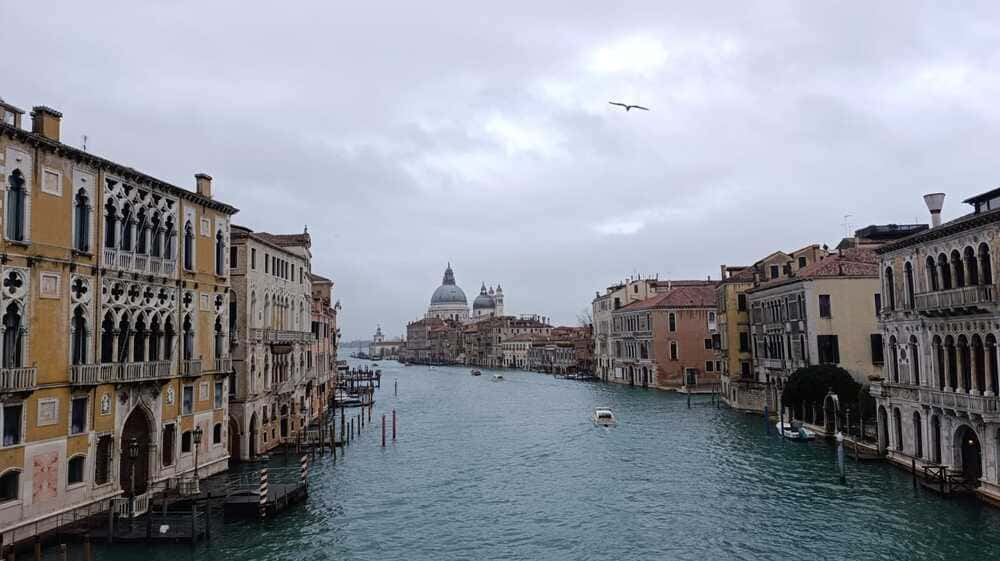
For me, yes. But only because I knew what I was getting into and prepared properly. Venice in winter isn’t picture-perfect sunshine and outdoor spritz all day. It’s moody, calm, sometimes wet, and surprisingly magical if you enjoy slow travel.
Here’s exactly what to expect if you’re thinking about visiting Venice in winter.
What Is Venice Like in Winter?
Venice Weather in January, January is one of the coldest months in Venice. During my trip, temperatures were usually between 3–10°C (37–50°F). The cold feels sharper because of the humidity, and rain is fairly common.
What you might experience:
- Cold mornings and evenings
- Gray skies and fog (especially early mornings)
- Occasional rain showers
- Short daylight hours
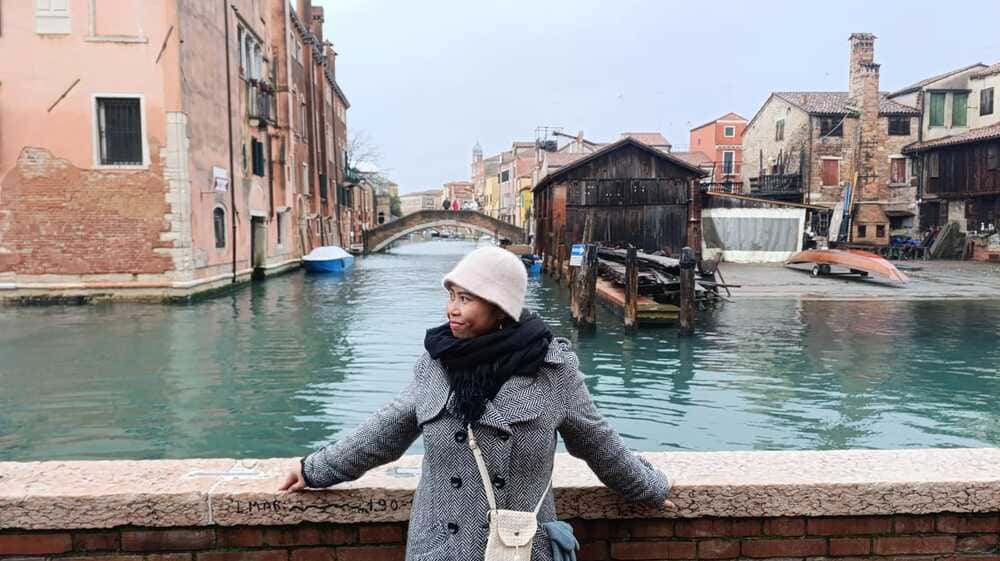
Snow is rare, but flooding (acqua alta) can still happen. Winter weather doesn’t ruin Venice but it definitely changes how you experience it.
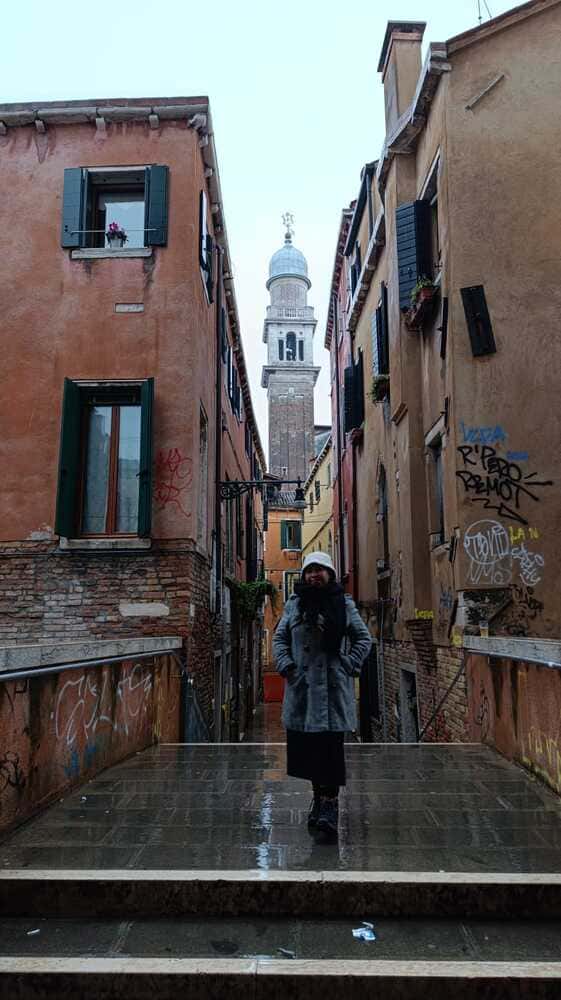
Personally, I didn’t mind the cold, as I well dressed. Walking around felt peaceful, and the city had this quiet, cinematic vibe that you don’t get in summer.
Is It Worth Visiting Venice in Winter?
This depends on how you like to travel.
Venice in winter is worth it if you:
- Enjoy walking and exploring slowly
- Prefer fewer tourists
- Like photography and atmosphere
- Don’t mind cold or light rain
It might not be ideal if you:
- Hate cold weather
- Want sunny outdoor cafés every day
- Are visiting with very limited time
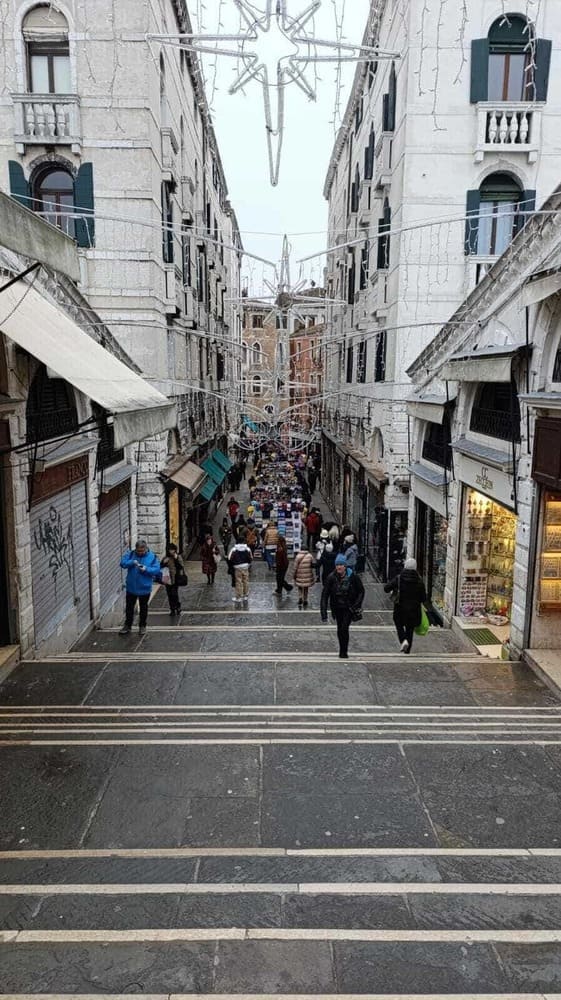
For me, winter was a win. I could actually enjoy the city without constantly dodging crowds, and I felt like I was seeing a more local side of Venice.
Walking Venice in Winter: Exploring the City on Foot
Venice is made for walking. In winter, it’s even better.
I spent most of my days walking across the entire island, crossing bridges, getting lost in narrow alleys, and discovering quiet neighborhoods far from San Marco.
Why Walking Works So Well in Winter
- Streets are less crowded
- You can stop and take photos easily
- You’re not exhausted from heat
- The city feels calmer and more intimate
One of my favorite things was walking early in the morning when the streets were nearly empty. Venice in winter mornings feels unreal, fog over the canals, shutters opening, locals heading to work.
Tip: Don’t over-plan your route. Pick a general direction and let Venice guide you.
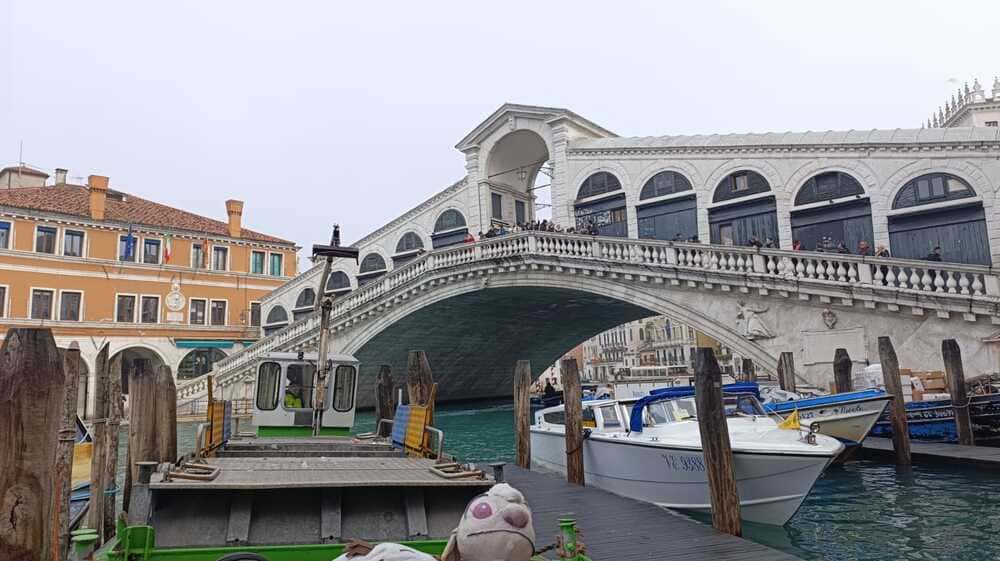
Things to Do in Venice in Winter
Winter doesn’t mean there’s nothing to do. In fact, it’s one of the best seasons for indoor and cultural experiences.
1. Visit Museums Without the Crowds
Winter is perfect for museums because:
- No long lines
- More time to actually enjoy exhibits
Don’t miss:
- Doge’s Palace – essential for understanding Venice
- Gallerie dell’Accademia – classic Venetian art
- Peggy Guggenheim Collection – modern art with canal views
You’ll appreciate these places more when they’re quiet.
2. Explore Churches (They’re Warm and Stunning)
Venice churches are not just beautiful, they’re also a great winter break from the cold.
Worth visiting:
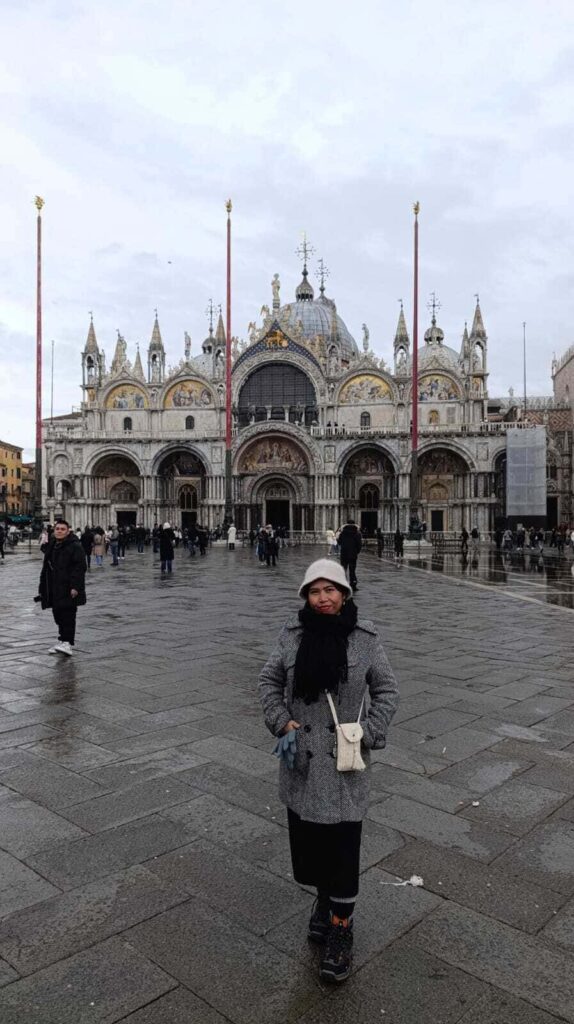
- Basilica di San Marco (go early)
- Santa Maria della Salute
- San Giorgio Maggiore (great views from the bell tower)
Bonus: churches are often less crowded in winter.
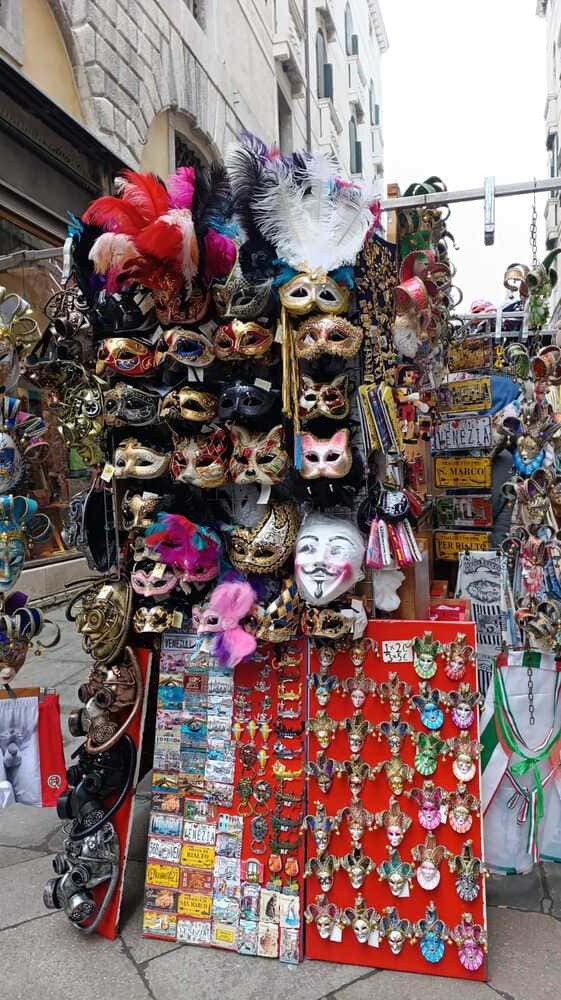
3. Café Hopping & Traditional Food
Winter is the best time to enjoy Venice’s food scene.
Things I loved:
- Standing at a bar for a quick espresso
- Hot chocolate (Venice does this very well)
- Cicchetti (Venetian small bites)
Try:
- Local bacari (small bars)
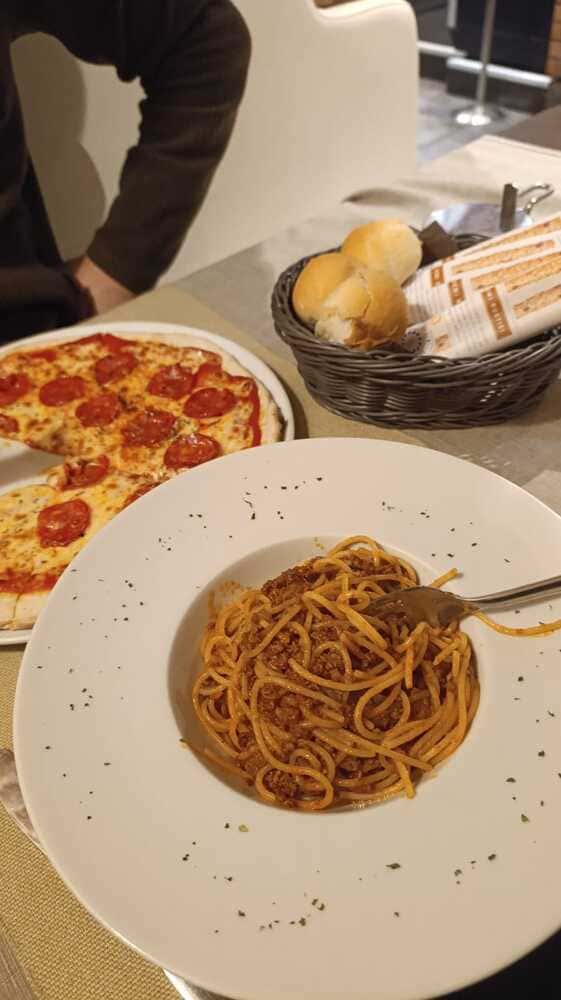
- Traditional Venetian dishes like risotto or seafood soups
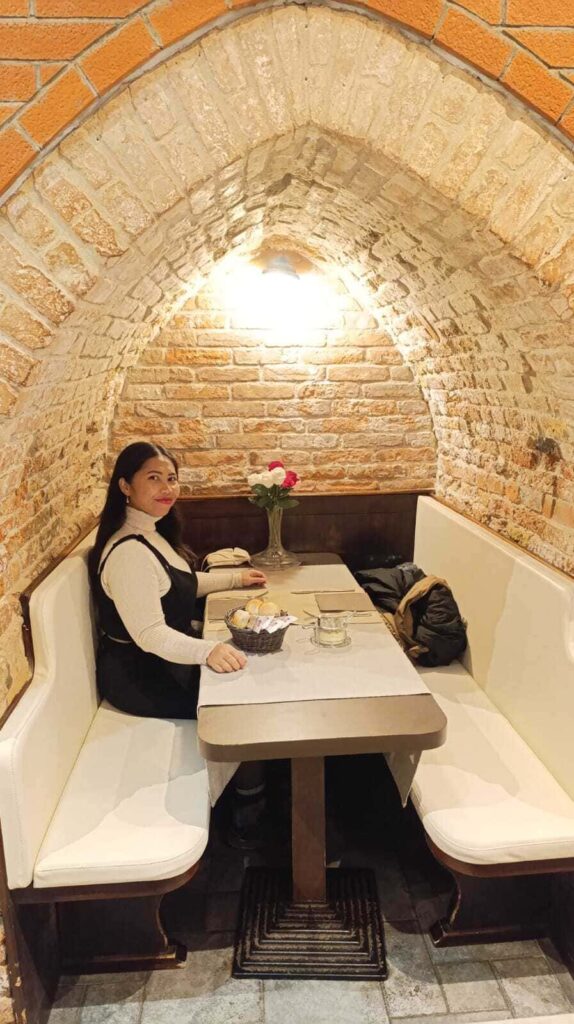
Eating indoors feels cozy and authentic in winter.
4. Photography Walks in Foggy Venice
If you’re into photography, winter Venice is gold.
Foggy mornings create:
- Soft light
- Empty bridges
- Dreamy canal reflections
Some of my best photos were taken on gray, misty days when the city felt completely still.
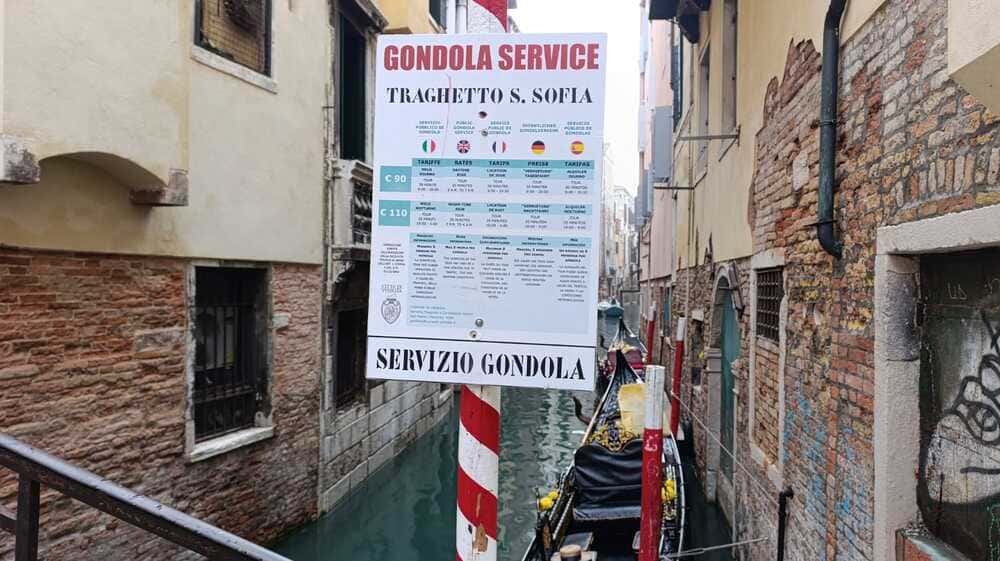
5. Take a Gondola (If You Really Want To)
Yes, gondolas run in winter.
Is it worth it? Honestly — optional.
It’s expensive, and winter weather doesn’t always make it romantic. But if it’s a bucket-list item, winter means fewer people around and a quieter ride.
6. Visit Venice Neighborhoods Beyond San Marco
Winter is the best time to explore less touristy areas:
- Cannaregio – local vibe, great food
- Dorsoduro – relaxed, artsy, walkable
- Castello – quieter and more residential
These areas show you real Venice.
Is Venice Expensive? Comparing Venice vs Rome
Let’s be real: Venice is expensive.
Compared to Rome, I felt Venice was:
- More expensive for food near attractions
- Pricier for accommodation
- Slightly higher daily costs overall
Winter helps a bit with hotel prices, but food and activities remain pricey.
How to Save Money
- Walk instead of using water taxis
- Eat away from main squares
- Avoid tourist traps
- Visit attractions early or late
Tips for Visiting Venice in Winter
This can make or break your trip.
1. Check the Weather Right Before You Go
Don’t rely on general seasonal info. Look at the forecast for your exact dates and plan accordingly.
2. Dress for Cold and Rain
Bring:
- Warm, waterproof jacket
- Layers (thermal tops help)
- Scarf, gloves, hat
- Comfortable waterproof shoes
- Shoe covers (very useful)
- Small umbrella or raincoat
Wet feet in Venice = bad mood.
Where to Stay in Venice in Winter
Choosing the right area matters more in winter.
Best Areas:
- San Marco – central, convenient
- Dorsoduro – calmer, local feel
- Cannaregio – budget-friendlier, great food
Hotels are often better than apartments in winter because of heating and comfort. Always double-check that your accommodation has good heating.
Final Thoughts: Is Venice Worth Visiting in Winter?
After visiting Venice in January, I can confidently say that Venice in winter offers a completely different experience compared to peak season. The city is quieter, slower, and far more atmospheric. Without the heavy crowds, you begin to notice small details, the sound of water in the canals, locals moving through their daily routines, and the peaceful feeling of walking the streets early in the morning.
On my first day, it rained lightly for a few hours, but with the right clothing, it never stopped me from walking and enjoying the city. In fact, the winter weather added to Venice’s moody charm.
One of the biggest advantages of traveling to Venice in winter is how much easier it is to experience the city. Restaurants feel more relaxed, popular areas are walkable, and you’re not constantly surrounded by tour groups. You can take photos without crowds, cross bridges without waiting, and truly enjoy famous landmarks instead of just passing through them.
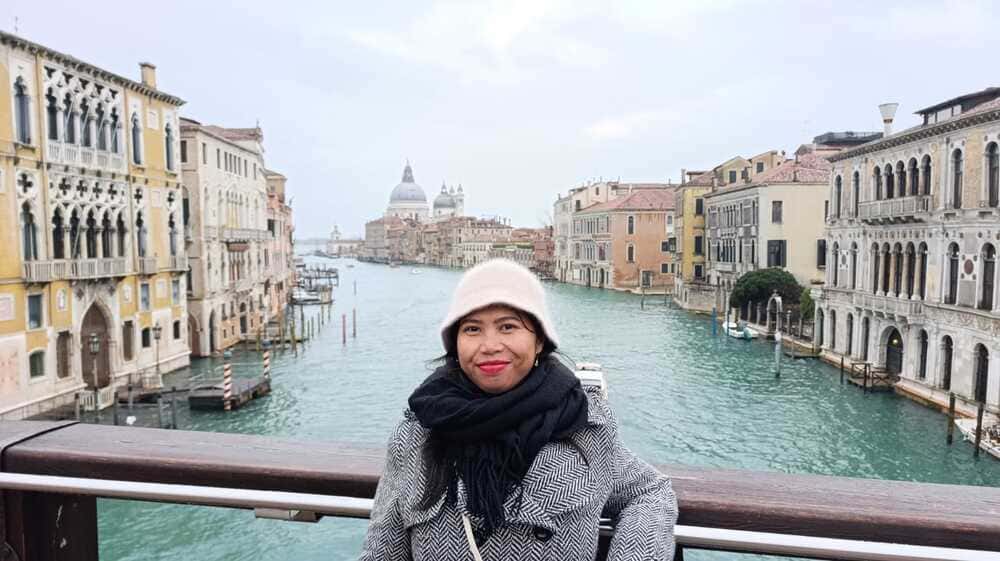
That said, visiting Venice in January does require preparation. Warm layers, waterproof shoes, and flexible plans are essential. Winter may not offer perfect weather, but it rewards travelers who come prepared with a more authentic and enjoyable experience.
So, is Venice worth visiting in winter? In my experience, absolutely. While it may not have summer sunshine, winter reveals a calmer and more genuine side of the city. If you enjoy quiet streets, atmospheric scenery, and slower travel, Venice in winter might be the best time to visit.

Related posts:
 Vienna Travel Guide: 3-Day Itinerary, Christmas Market & Budget Tips
 Bratislava in One Day: Complete Guide, Things To Do & Travel Tips
 Things to Do in Malaga for First-Time Visitors (A Budget Backpacker’s Guide)
 2 Days in Nicosia: Top Things to See and Do on Both Sides
 The Ultimate Sofia Bulgaria Travel Guide