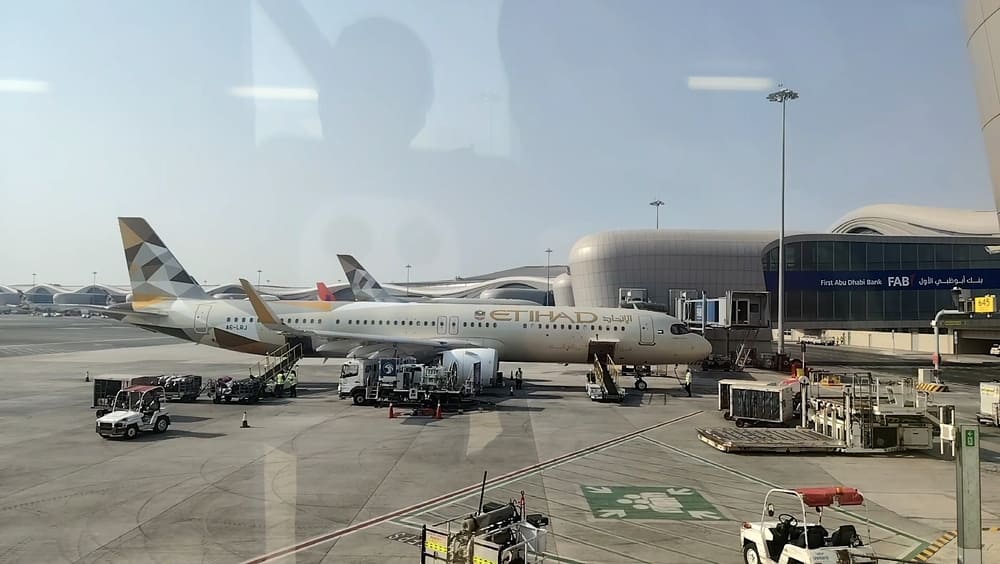
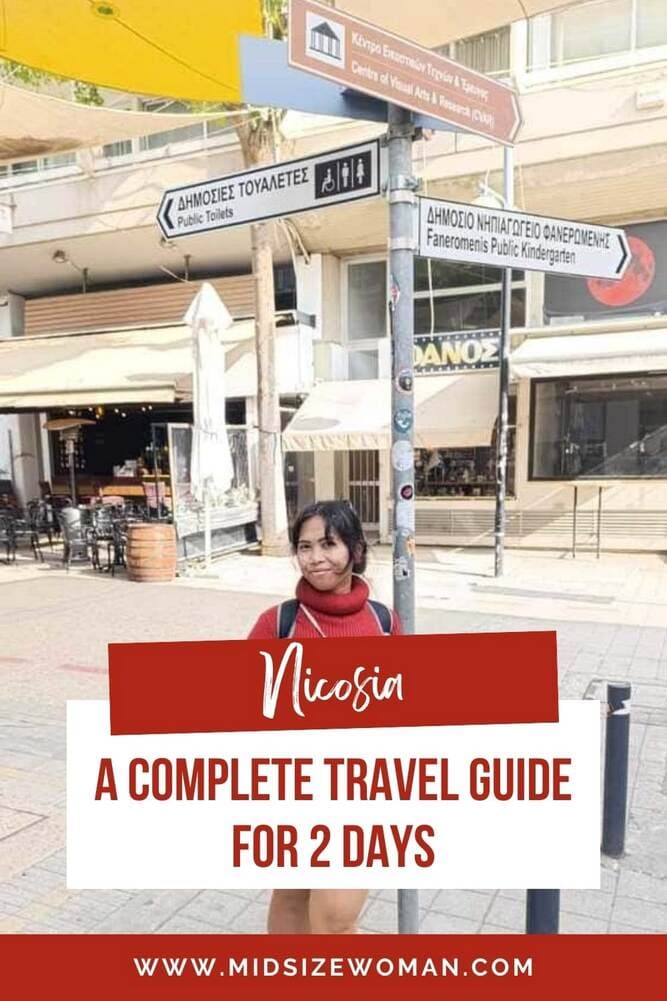
Nicosia is unlike any other European capital, it’s the last divided city in Europe, split between the Greek Cypriot south and the Turkish Cypriot north by the UN-controlled Green Line.
Despite its small size, Nicosia is rich in history, culture, and unique experiences. In just two days, you can explore both sides of the city, see centuries-old architecture, and taste local cuisine.
Here’s the full guide, you will need.
Quick History: Why Nicosia Is Divided
Nicosia has been continuously inhabited for over 4,500 years, and it became the capital of Cyprus during Lusignan rule in the Middle Ages.
Over time, the city passed through Venetian, Ottoman, and British control, leaving a fascinating mix of architecture and cultural landmarks that still shape its streets today.
Its modern division came in 1974, following a Greek-backed coup and a Turkish military intervention, splitting the city along the Green Line, a UN-monitored buffer zone. Today, this division is visible at every step in the architecture, the currencies used, and the rhythms of daily life so that crossing from one side to the other feels like entering a subtly different world.
Where to Stay in Nicosia
For a short stay, the south (Greek Cypriot side) is more convenient:
Recommended neighborhoods:
- Old Town: Cobblestone streets, boutique hotels, and close to Venetian walls.
- Ledra Street Area: Central, near the border crossing, cafés, and restaurants.
Hotel types:
- Boutique hotels in restored townhouses for character.
- Aparthotels for longer stays or travelers who prefer self-catering.
- Mid-range hotels near Ledra Street for convenience.
Day 1: Greek Cypriot Side
On your first day in Nicosia, start by exploring the historic old town, where centuries of history are visible in every street. The Venetian walls, built in the 16th century, still surround much of the city.
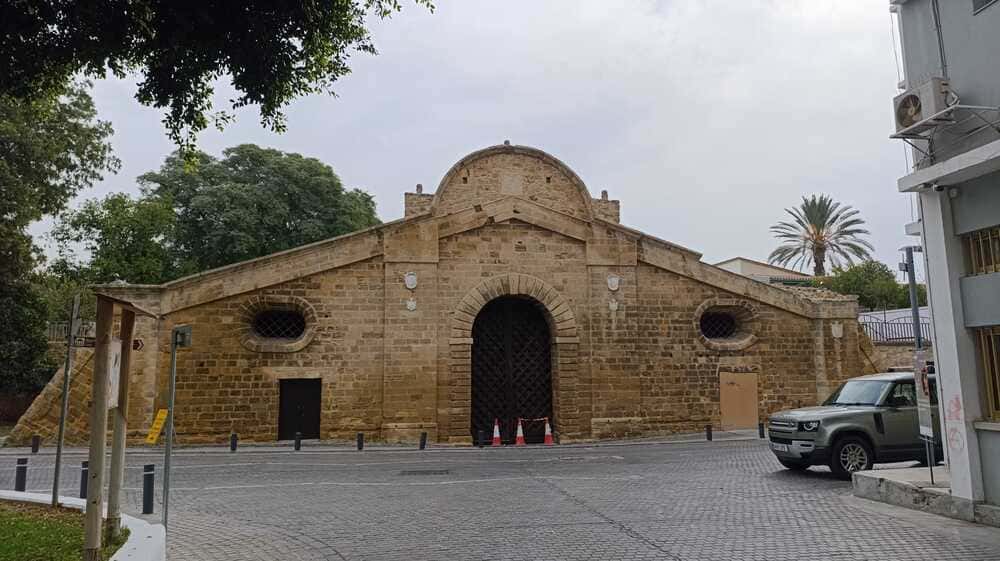
Walking along them gives you a glimpse of Nicosia’s medieval past, with Famagusta Gate being the most impressive of the city’s gates. It now hosts cultural exhibitions and events, making it a perfect first stop.
From the walls, wander into Laiki Geitonia, a charming restored neighborhood of narrow cobbled streets, traditional houses, artisan shops, and cafés. Stop for a coffee and pastry to enjoy the quiet morning before the city fills with visitors.
Things to Do in Old Town (Morning):
- Walk the Venetian walls and visit Famagusta Gate.
- Explore Laiki Geitonia for traditional architecture, shops, and cafés.
- Take photos of narrow streets and hidden courtyards.
After the old town, head to the Cyprus Museum, the island’s largest archaeological museum. Its collection spans from the Neolithic era to Roman times, including statues, mosaics, and pottery. Spending about 1–2 hours here will give you a deeper understanding of the city’s layered history.
Cyprus Museum Tips:
- Allow 1–2 hours to explore.
- Focus on key exhibits like the ancient statues and mosaics.
- Great for history buffs or anyone wanting context before walking the city.
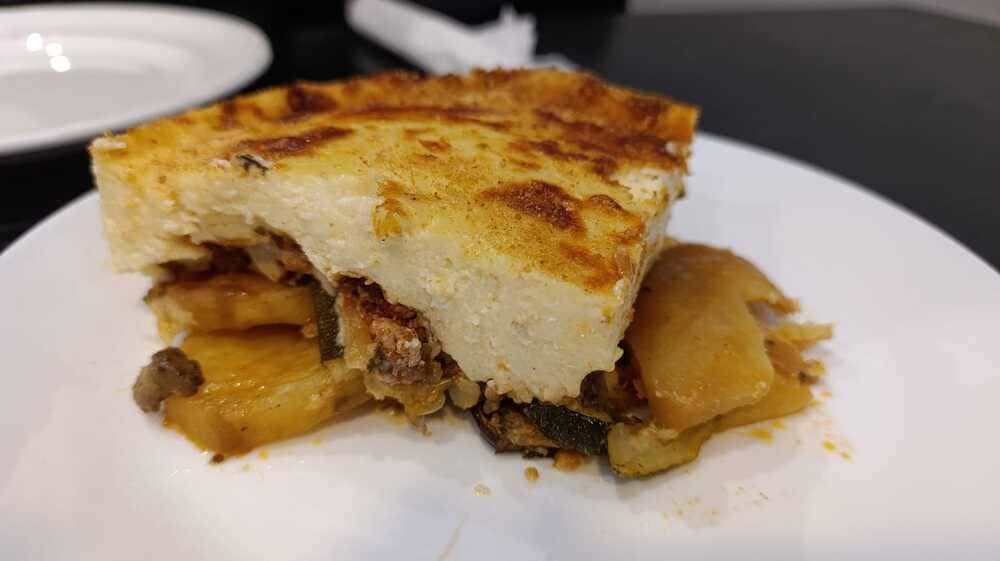
Lunch is the perfect time to try traditional Cypriot meze, a variety of small plates, including grilled halloumi, dips, olives, and kleftiko (slow-cooked lamb). Recommended spots include To Anamma for authentic meze or Piatsa Gourounaki, a local favorite in the old town. Sharing plates is the best way to sample a range of flavors.
Lunch Highlights:
- Meze for a variety of local flavors.
- Kleftiko, slow-cooked lamb in a clay pot.
- Try a local dessert or fresh fruit to finish.
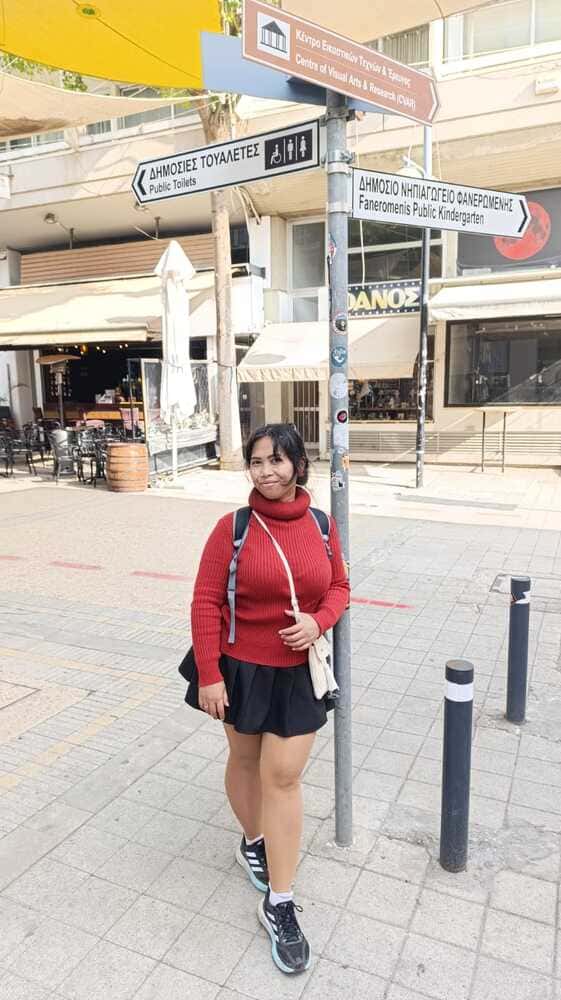
In the afternoon, take a walk along Ledra Street, Nicosia’s main pedestrian street, lined with shops, cafés, and galleries. As you approach the Green Line checkpoint, you’ll notice the UN buffer zone, which separates the south and north. Even if you don’t cross yet, it’s fascinating to see how the city changes just steps away.
Afternoon Walk:
- Explore Ledra Street shops and cafés.
- Stop at Green Line checkpoints for photos and a closer look at Nicosia’s division.
- Visit small galleries or souvenir shops along the street.
Finish your day with a quiet evening stroll in Laiki Geitonia. Stop at a wine bar like Balthazar Wine Bar to sample local Cypriot wines. Nicosia’s evenings are relaxed, ideal for strolling the streets, soaking in the atmosphere, and reflecting on the day’s sights.
Evening Tips:
- Nicosia’s nightlife is low-key; evenings are for walking and wine.
- Try local wines or a small plate at a cozy bar.
- Take time to enjoy the city’s peaceful streets.

Practical Tips for Day 1:
- Wear comfortable shoes, streets are cobbled.
- Bring some cash; not all small shops take cards.
- Start early to avoid crowds, especially in Laiki Geitonia.
- Allocate 1–2 hours for the Cyprus Museum.
Day 2: Turkish Cypriot Side
Start your second day by crossing the border into North Nicosia at the Ledra Street Checkpoint. The process is quick, a passport check takes only a few minutes and once you step across, it feels like entering a different city. The streets are quieter, the architecture slightly different, and the atmosphere more relaxed.
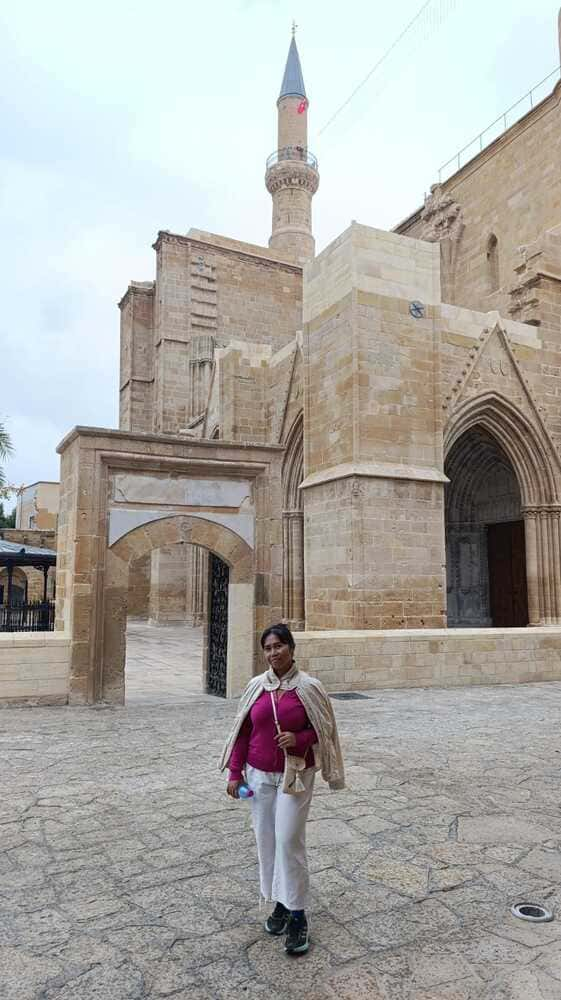
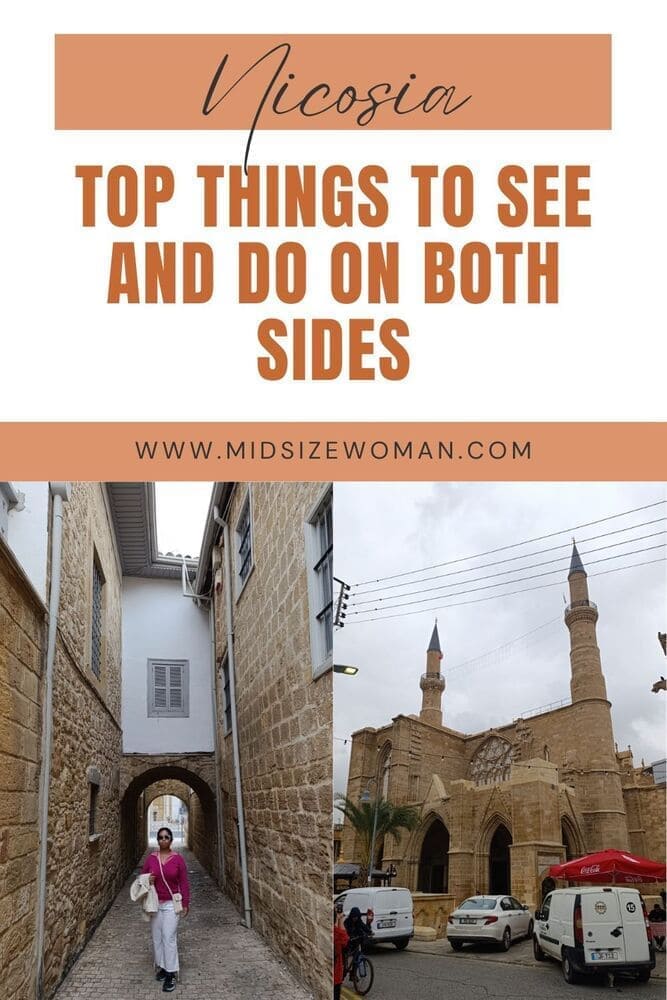
Your first stop should be the Selimiye Mosque, one of North Nicosia’s most famous landmarks. Originally built as the Cathedral of Saint Sophia during the Lusignan period, it was converted into a mosque during Ottoman rule. Inside, the Gothic arches meet Islamic interior details, creating a stunning mix of cultures. Remember to remove your shoes and dress modestly when visiting.
Things to Do (Morning):
- Visit Selimiye Mosque for its history and architecture.
- Take photos of the Gothic arches and Ottoman modifications.
- Observe the quiet energy of the northern old town streets.
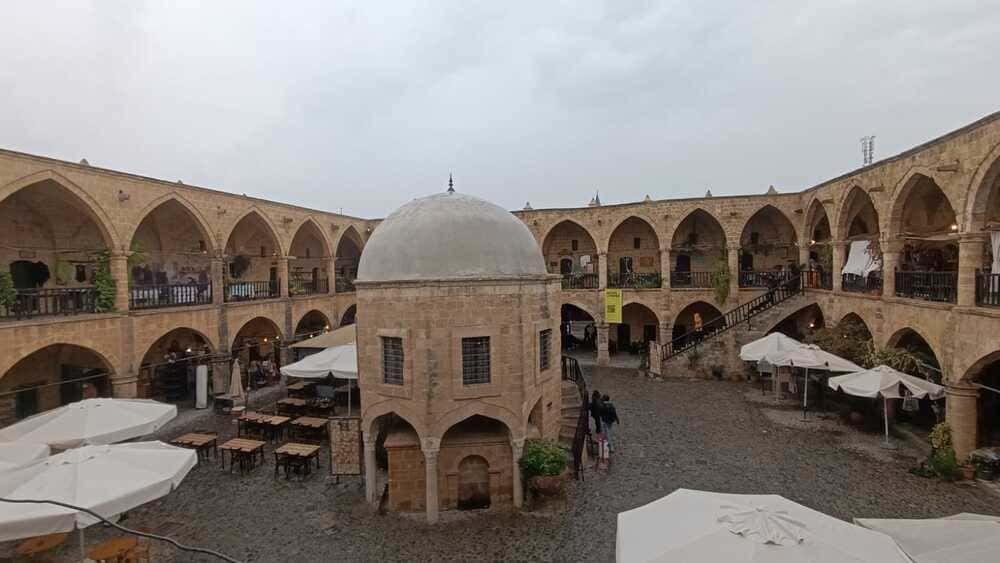
Next, head to Büyük Han, a beautifully restored 17th-century Ottoman caravanserai. Today it’s a hub for local artisans, featuring handicraft shops, galleries, and cafés. The central courtyard is perfect for sipping Turkish coffee and watching daily life unfold. This is also a great spot to pick up unique souvenirs, from ceramics to handmade textiles.
Büyük Han Highlights:
- Explore artisan shops and galleries.
- Enjoy coffee or tea in the courtyard.
- Photograph the traditional Ottoman architecture.
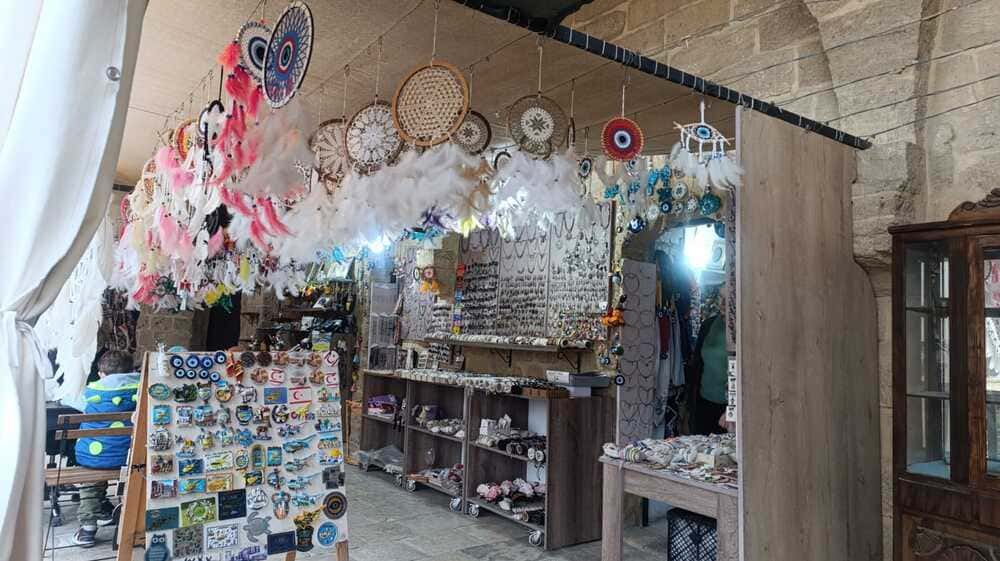
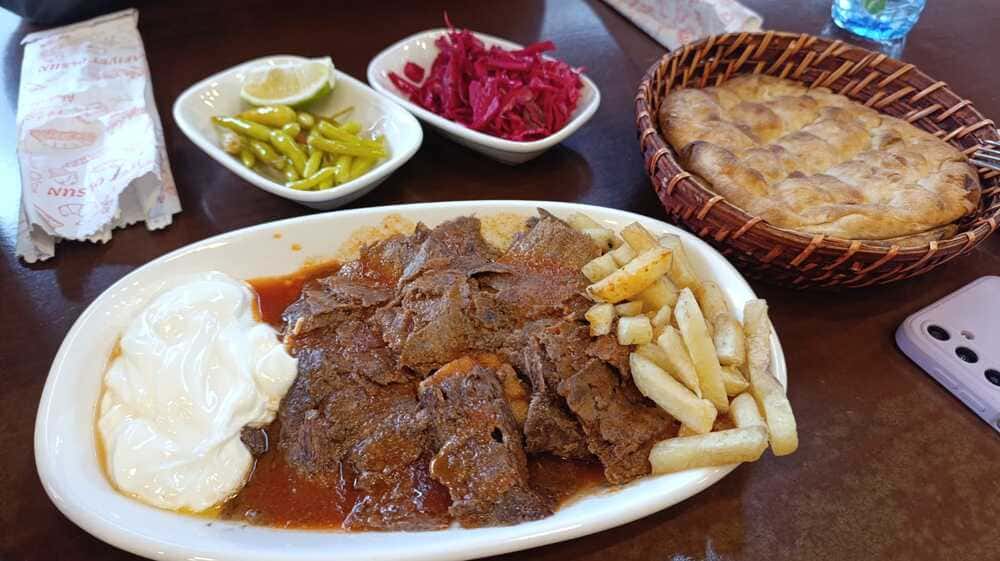
Lunch in North Nicosia is a chance to enjoy Turkish Cypriot cuisine. Recommended dishes include lahmacun (thin flatbread with spiced meat), şeftali kebab, and baklava for dessert. Cafés around Arasta Bazaar are ideal for sampling local flavors at affordable prices.
Lunch Tips:
- Share dishes to taste multiple items.
- Try a local dessert for an authentic experience.
- Prices in the north are generally lower than in the south.
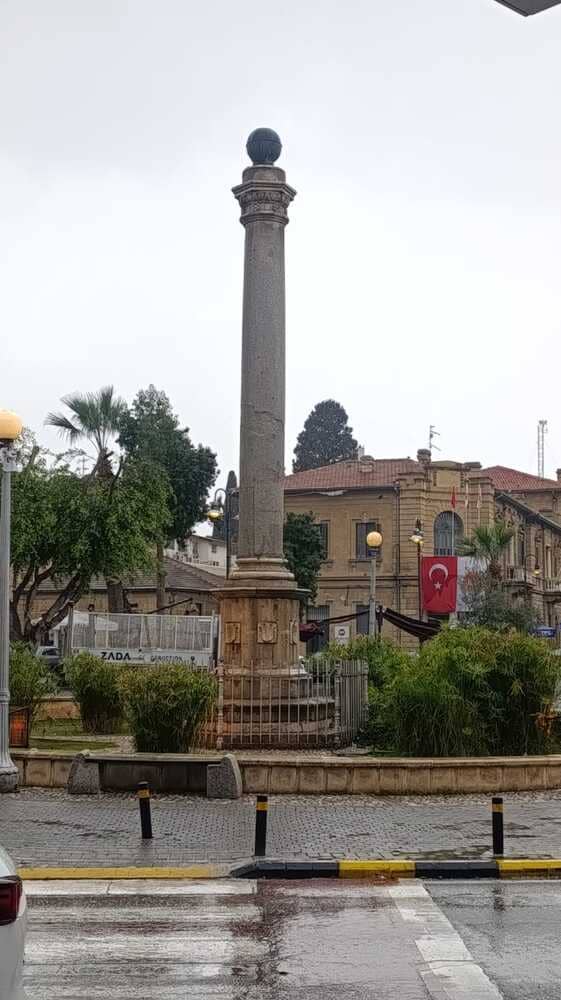
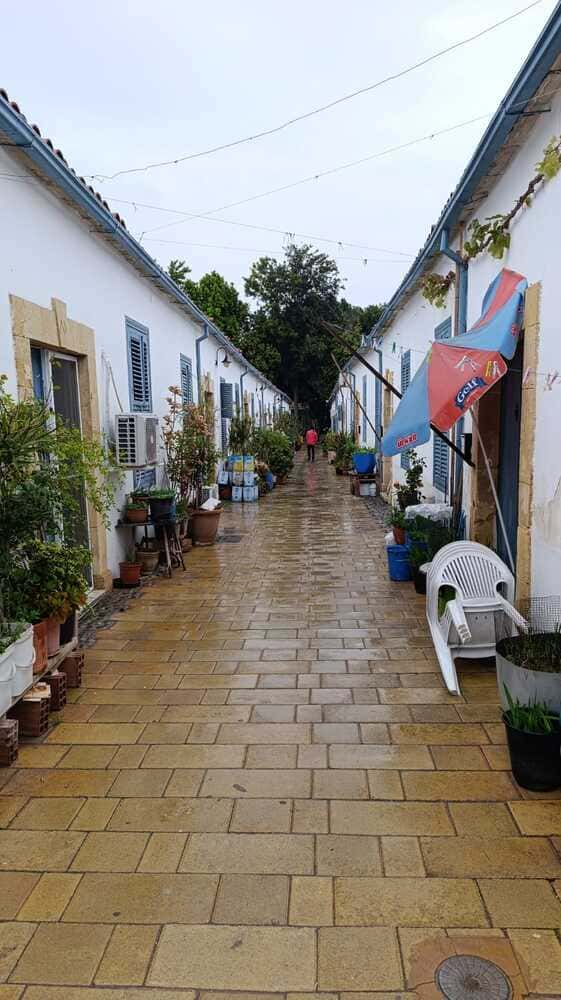
In the afternoon, take time to wander the residential streets and discover hidden gems. The north feels slower and more lived-in, with historic churches, Ottoman-era buildings, and small museums tucked between homes. Close to the Green Line, you may notice abandoned buildings, a quiet reminder of Nicosia’s divided history.
Afternoon Walk:
- Explore streets near the Green Line for history and photography.
- Visit small museums or local art spaces.
- Enjoy the slower pace and observe daily life in the northern neighborhoods.
Before evening, cross back to the south, reflecting on the contrast between the two sides. Architecture, food, and daily life differ, yet the city feels connected in its spirit and culture.
Evening Tips:
- Return to the Greek Cypriot side for dinner or a quiet stroll.
- Take time to notice how the city changes from north to south.
- Capture sunset photos along Ledra Street or near the Venetian walls.
Practical Tips for Day 2:
- Bring your passport for border crossing.
- Dress modestly in religious sites.
- Walking is the best way to explore North Nicosia.
- Carry small bills or coins; some cafés only accept cash.
- Take water and sunscreen, afternoons can get hot.
Final Thoughts
Nicosia is interesting city to visit, it’s a living lesson in history, culture, and resilience. From the Venetian walls and medieval churches to Ottoman caravanserais and mosques, every corner reflects centuries of change and coexistence.
The Green Line highlights the city’s modern division, yet daily life and cultural identity continue on both sides.
Exploring the Greek Cypriot south and Turkish Cypriot north offers insight into how history, politics, and culture shape urban life.
Traditional foods, architecture, and museums provide a window into Cyprus’s layered past, making a two-day visit both educational and unforgettable.
Related articles:

Related posts:
 Vienna Travel Guide: Best Things to Do & Tips for First-Time Visitors
 Bratislava in One Day: Complete Guide, Things To Do & Travel Tips
 Budapest Travel Guide: Best Things to Do in Buda and Pest
 Venice in Winter: Is It Worth Visiting Venice in January? (Weather, Tips & Costs)
 Is Bergamo Worth Visiting? A Practical Half-Day Guide Before Your Flight