Vienna is one of those cities that had been on my bucket list for years. Before visiting, I always imagined it as elegant, expensive, and filled with grand palaces. While some of that turned out to be true, I was surprised by how easy the city was to explore on a backpacker budget.
I visited Vienna in winter as part of my Central Europe trip, and after spending three days exploring the city, I quickly understood why it’s considered one of Europe’s most beautiful capitals. From walking through the historic Old Town and relaxing in peaceful parks to experiencing my very first Christmas market, Vienna felt both grand and surprisingly relaxed.
If you’re planning your first trip, this Vienna travel guide covers everything you need to know, including how to get there, where to stay, the best things to do, how to get around, and practical tips to help you make the most of your visit.
Quick Facts About Vienna
| About Vienna | Description |
|---|---|
| Country | Austria |
| Recommended stay | 2–3 days |
| Best time to visit | Spring (April–May), autumn (September–October), or winter for the Christmas markets |
| Currency | Euro (€) |
| Language | German (English is widely spoken in tourist areas) |
| Getting around | Walk, metro (U-Bahn), tram, and bus |
| Budget | Moderate to expensive compared to many European cities |
| Best for | History lovers, architecture, museums, cafés, and Christmas markets |
Before You Visit Vienna
Vienna is a city that’s easy to explore, even if it’s your first time. Most of the main attractions are connected by excellent public transport, and many of them are within walking distance of each other if you stay near the city center.
One thing to keep in mind is that Vienna isn’t the cheapest destination in Europe. Accommodation and entrance fees can add up, but you can still keep costs down by using public transport, shopping at supermarkets, and visiting the many parks, churches, and public squares that are free to explore.
If you’re planning your itinerary, I’d recommend spending at least two full days in Vienna. That gives you enough time to see the main sights without feeling rushed. If you want to visit several museums or take day trips, three days is an even better option.
How to Get from Vienna Airport to the City Center
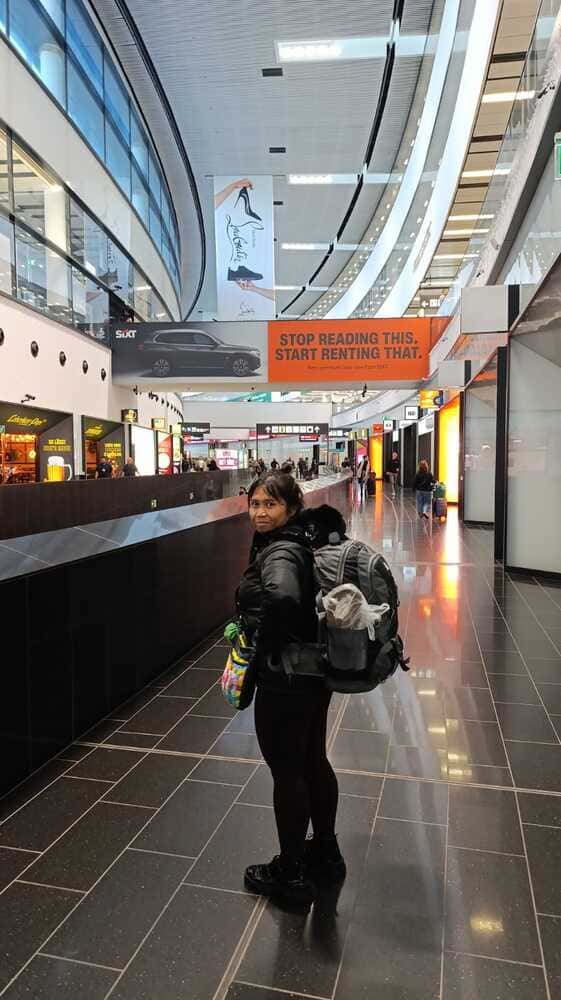
Vienna International Airport (VIE) is located about 20 km from the city center and is well connected by public transport. If you’re traveling on a budget, getting into the city is straightforward and affordable.
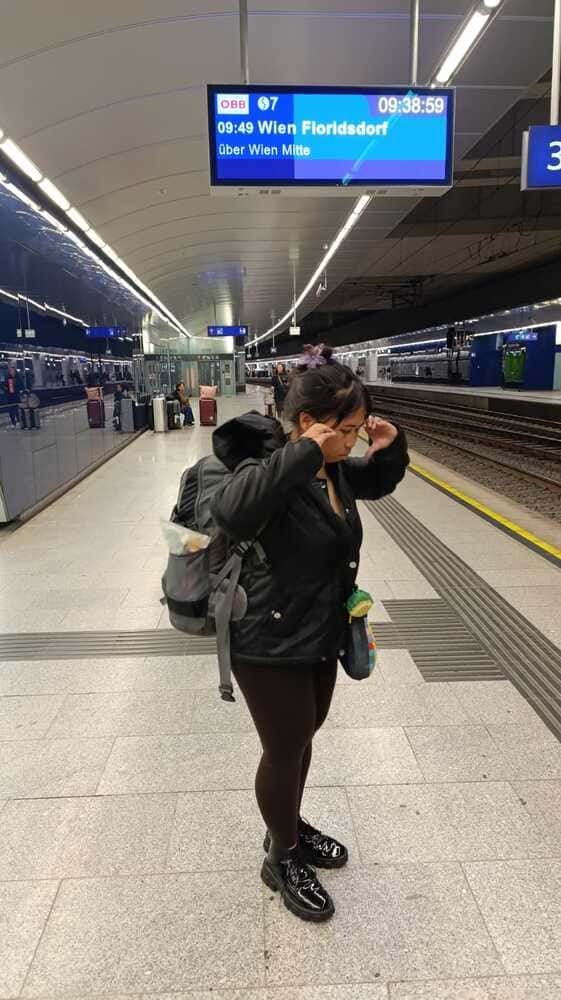
Option 1: S-Bahn S7 (Best Budget Option)
This is the option I chose, and I’d recommend it for most travelers.
- Price: Around €4.30
- Travel time: About 25 minutes to Wien Mitte
- Frequency: Every 30 minutes
Tickets can be purchased from the red ÖBB ticket machines at the airport, which have an English language option. Once onboard, the journey is comfortable and gives you a nice first glimpse of Vienna before reaching the city center.
Option 2: City Airport Train (CAT)
The City Airport Train is the fastest way to reach Wien Mitte, taking around 16 minutes. However, it’s significantly more expensive than the S-Bahn, so unless you’re short on time, I think the S7 offers much better value.
Option 3: Taxi or Ride-Hailing
Taxis and ride-hailing services are available outside the terminal and are convenient if you’re traveling with lots of luggage or arriving late at night. However, they’re much more expensive than public transport.
For most first-time visitors, I’d recommend taking the S-Bahn. It’s affordable, easy to use, and connects directly to Vienna’s excellent public transport network.
Getting Around Vienna
Getting around Vienna is easy, and you don’t need to rent a car. The city has an excellent public transport system that includes the U-Bahn (metro), trams, and buses, making it simple to reach almost every attraction.
During my trip, I mainly walked around the city center and used public transport whenever I needed to travel farther, such as heading to Prater Park. Most of Vienna’s famous sights are well connected, and the stations are clearly signposted in English.
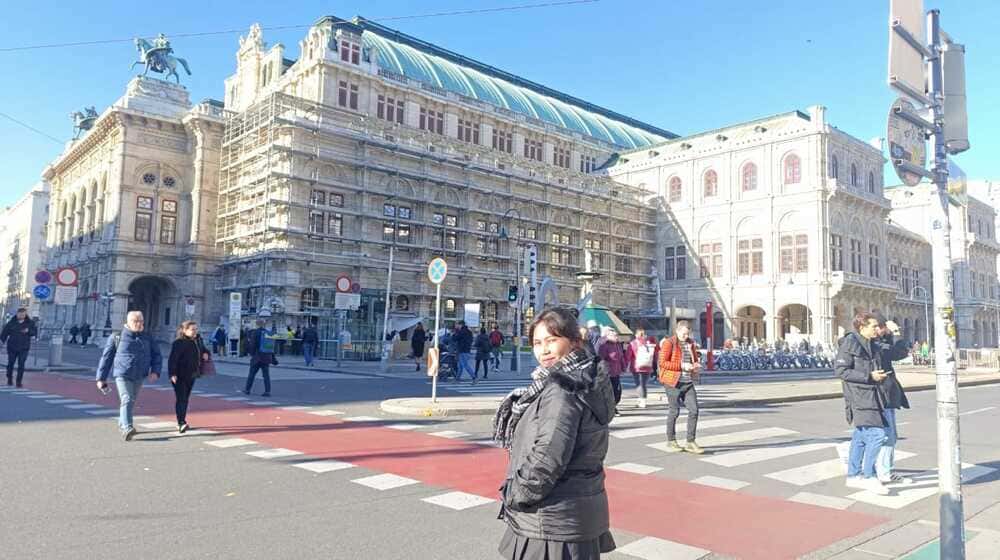
If you’re staying near the city center, you’ll probably find yourself walking more than you expect. Many of the main attractions, including St. Stephen’s Cathedral, Hofburg Palace, and the Vienna State Opera, are within walking distance of each other.
For first-time visitors, I recommend combining walking with public transport. It’s the easiest and most affordable way to explore the city.
Where to Stay in Vienna
Choosing the right area can make your trip much easier, especially if it’s your first time in Vienna. I recommend staying somewhere with good public transport connections so you can easily reach the city’s main attractions.
Innere Stadt (1st District)
If it’s your first visit, Innere Stadt is the most convenient place to stay. It’s home to many of Vienna’s top attractions, including St. Stephen’s Cathedral, Hofburg Palace, and the Vienna State Opera. You’ll also find plenty of cafés, restaurants, and shops within walking distance.
The downside is that hotels here tend to be the most expensive.
Leopoldstadt (2nd District)
Located just across the Danube Canal, Leopoldstadt is a great alternative if you’re looking for better value. It’s close to Prater Park and only a short metro ride from the city center, making it a popular choice for budget-conscious travelers.
Around Wien Hauptbahnhof (Central Station)
If you’re arriving by train or planning day trips to other cities, staying near Vienna Central Station is a practical option. The area has excellent transport connections, plenty of hotels, and easy access to the city center by metro.
During my trip, I stayed near the central station, and it made getting around Vienna simple while also keeping accommodation costs lower than staying in the Old Town.
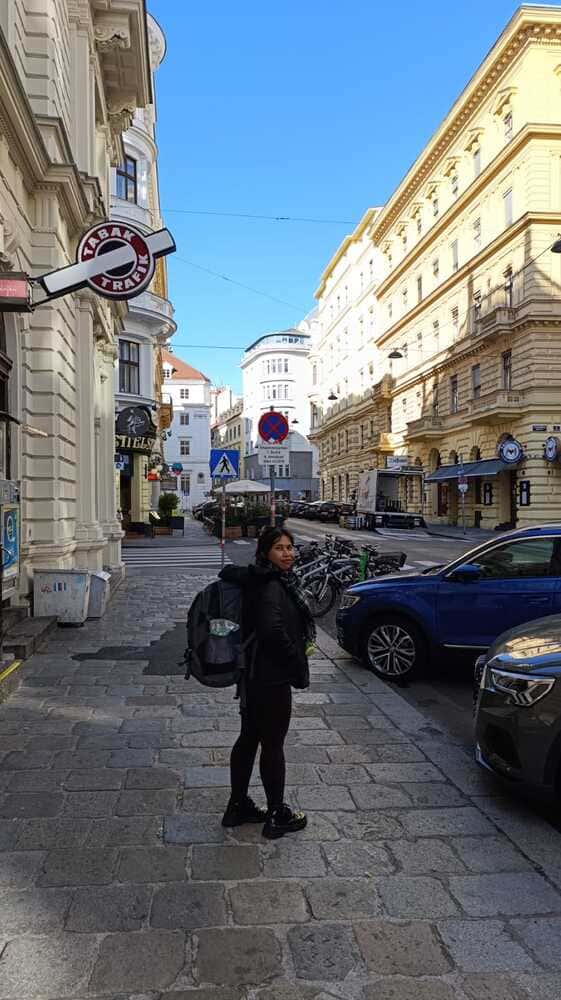
Best Things to Do in Vienna
Whether you’re spending two days or a long weekend in Vienna, these are the attractions I’d recommend for first-time visitors. They combine Vienna’s imperial history, famous landmarks, and local culture, giving you a great introduction to the city.
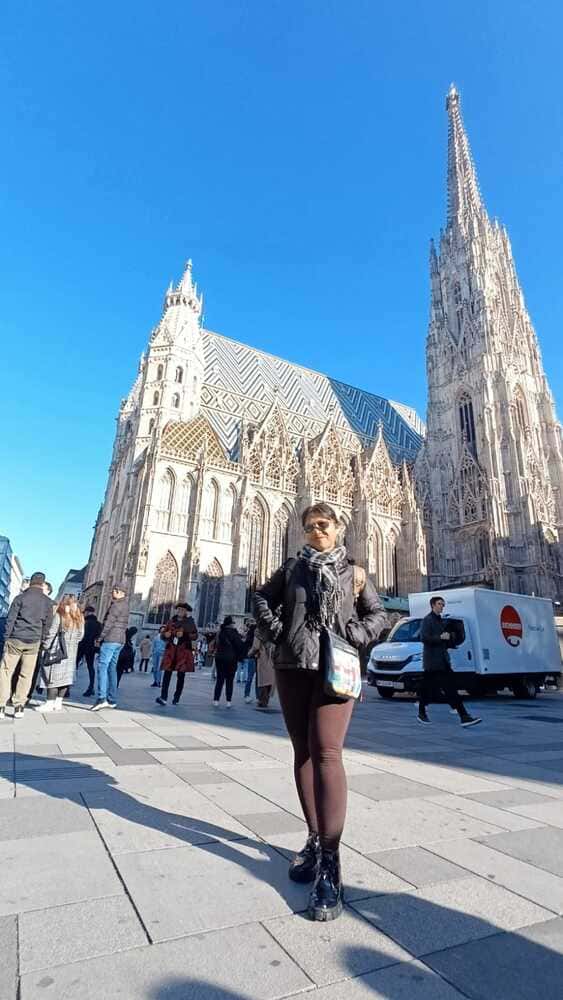
St. Stephen’s Cathedral
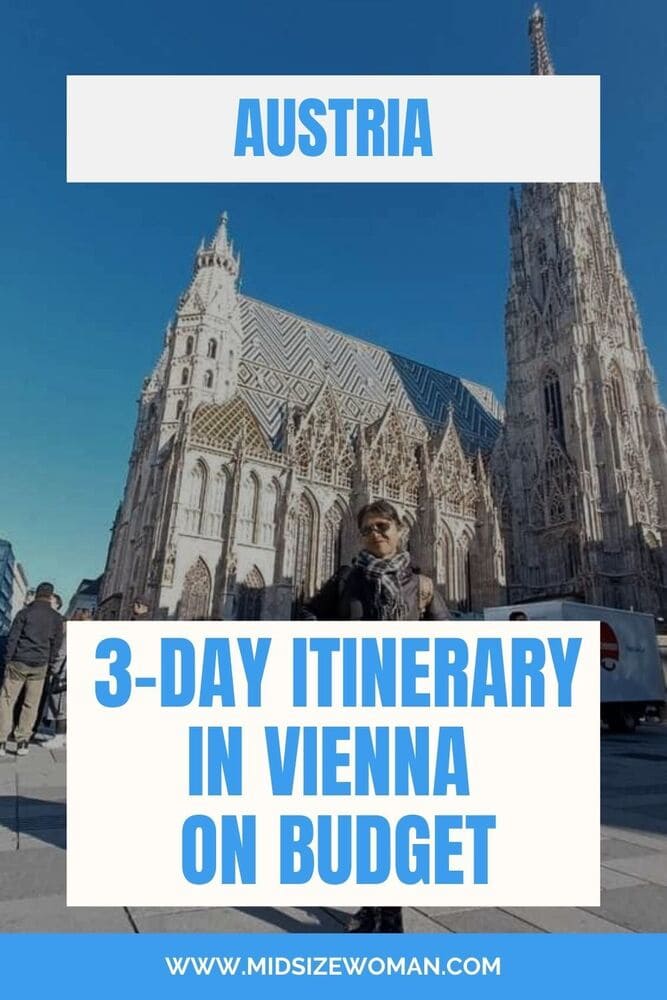
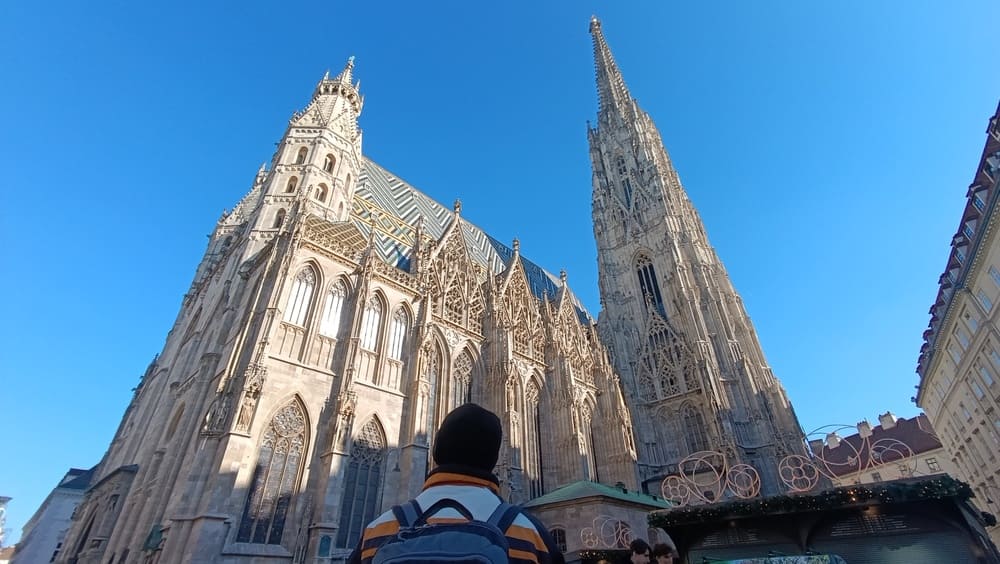
Located in the heart of Vienna’s Old Town, St. Stephen’s Cathedral is one of the city’s most iconic landmarks. Its colorful tiled roof and impressive Gothic architecture make it one of the first places most visitors see.
Even if you don’t plan to go inside, it’s worth stopping here while exploring the city center. If you have extra time, climb the South Tower for panoramic views over Vienna.
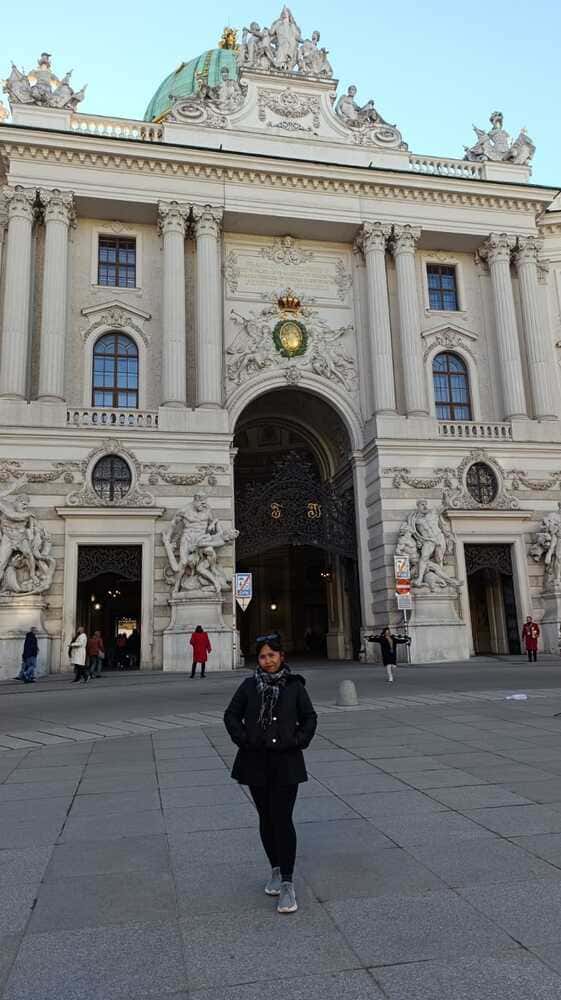
Hofburg Palace
Hofburg Palace was once the center of the Habsburg Empire and remains one of Vienna’s most important landmarks. Today, the palace complex includes museums, beautiful courtyards, and the famous Spanish Riding School.
Even without buying a museum ticket, I think it’s worth walking around the grounds to admire the architecture and soak up the atmosphere.
Schönbrunn Palace
If you only have time to visit one palace in Vienna, I’d choose Schönbrunn Palace.
The former summer residence of the Habsburgs is famous for its magnificent palace, beautifully maintained gardens, and the Gloriette overlooking the city. Even if you skip the palace tour, the gardens are free to visit and are well worth your time.
Plan to spend at least two or three hours here.
Belvedere Palace
Belvedere Palace is best known for its impressive Baroque architecture and for housing Gustav Klimt’s famous painting, The Kiss.
Whether you’re visiting the museum or simply walking through the gardens, it’s one of the most photogenic places in Vienna and a worthwhile stop on any first-time itinerary.
Wander Around Vienna’s Historic Center
One of my favorite things about Vienna was simply exploring without a plan.
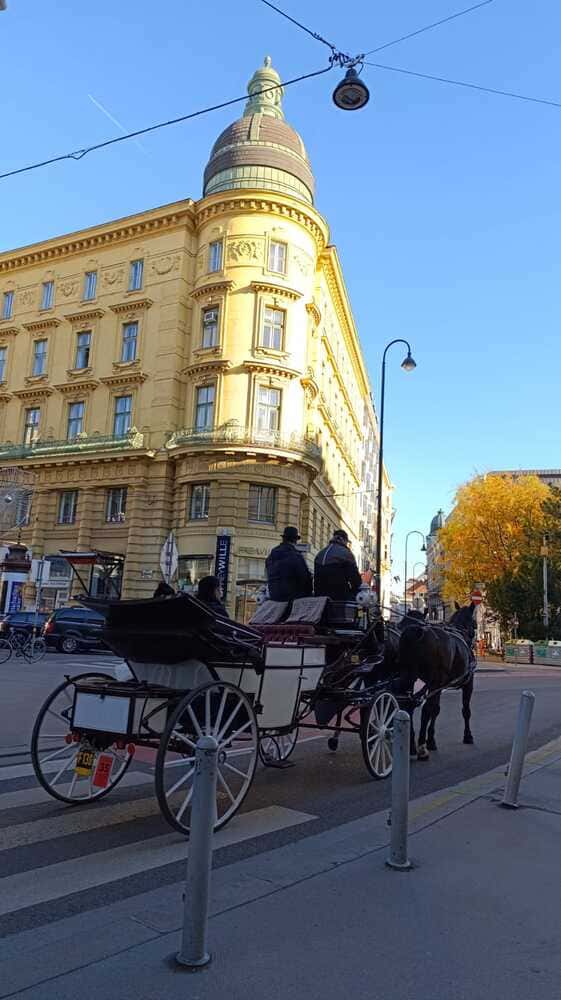
Many of the city’s main attractions are within walking distance, making it easy to spend a few hours wandering through historic streets, discovering hidden courtyards, and stopping at traditional cafés along the way.
What to Eat & Drink in Vienna
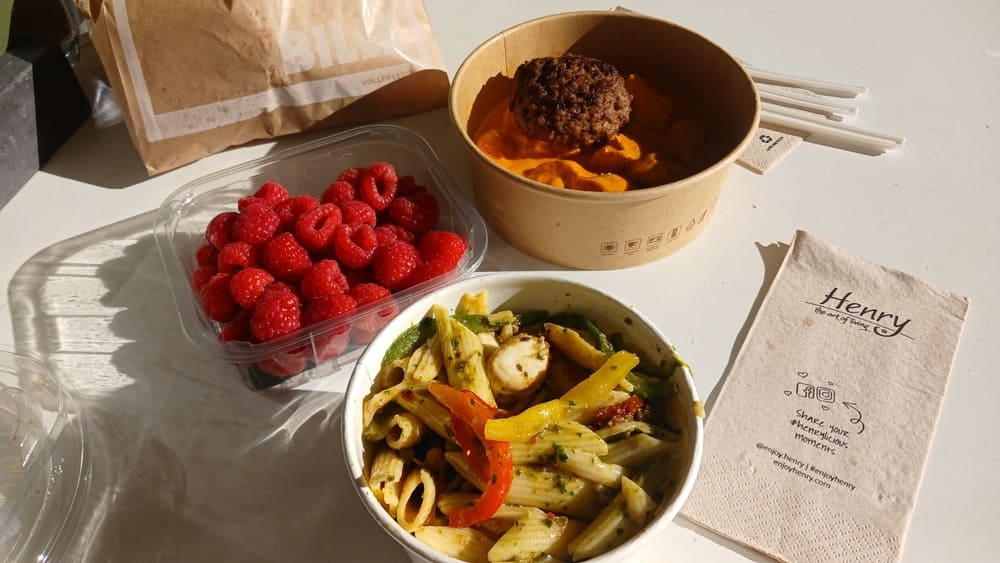
Vienna is just as famous for its food and café culture as it is for its palaces. While there are plenty of traditional Austrian dishes to try, one of my favorite parts of visiting Vienna was slowing down at a local coffeehouse and watching everyday life go by.
Wiener Schnitzel
If it’s your first time in Vienna, trying a Wiener Schnitzel is almost a must. Traditionally made with veal and served with potato salad or fries, it’s one of Austria’s most iconic dishes and can be found at restaurants across the city.
Sachertorte
Sachertorte is Vienna’s most famous dessert. This rich chocolate cake, layered with apricot jam, is often served with whipped cream and pairs perfectly with a cup of Viennese coffee.
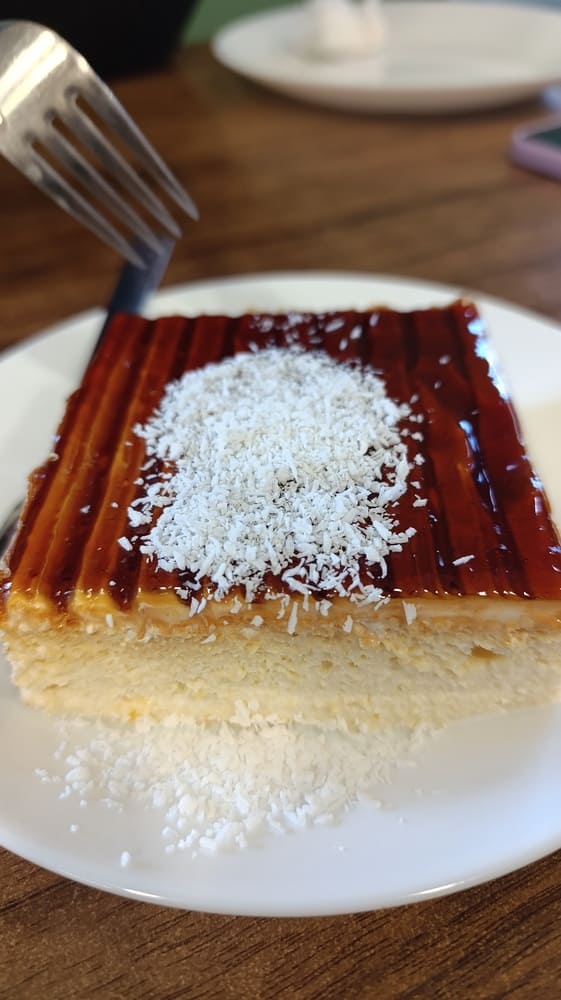

Experience Vienna’s Coffeehouse Culture
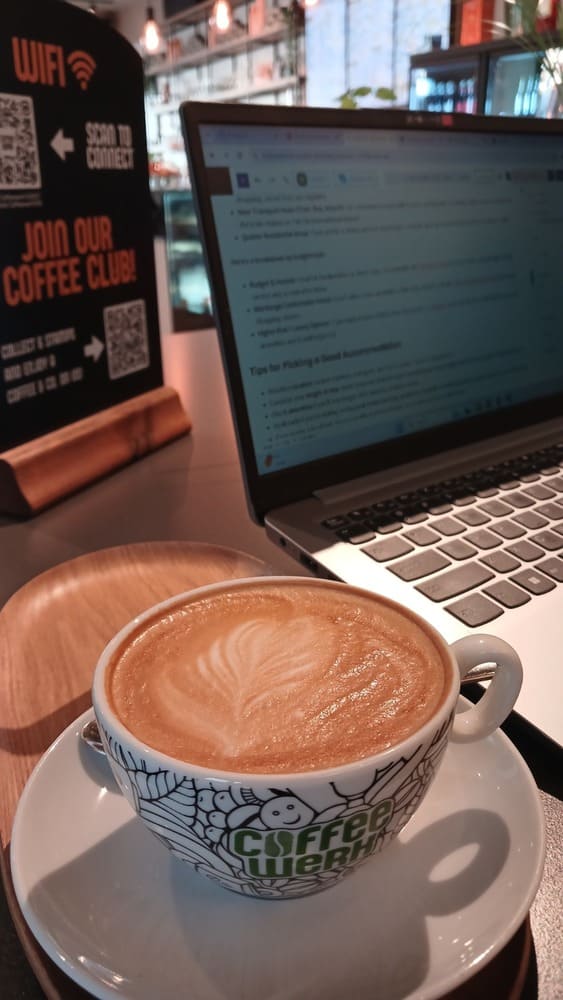
One thing that stood out to me was how different café culture feels in Vienna. People weren’t rushing in for takeaway coffee, they were sitting down, reading newspapers, chatting with friends, or simply enjoying their drinks without looking at their phones.
If you have time, I highly recommend slowing down and spending an hour at one of Vienna’s traditional cafés. It ended up being one of my favorite experiences in the city.
Don’t Miss the Christmas Markets (Winter)
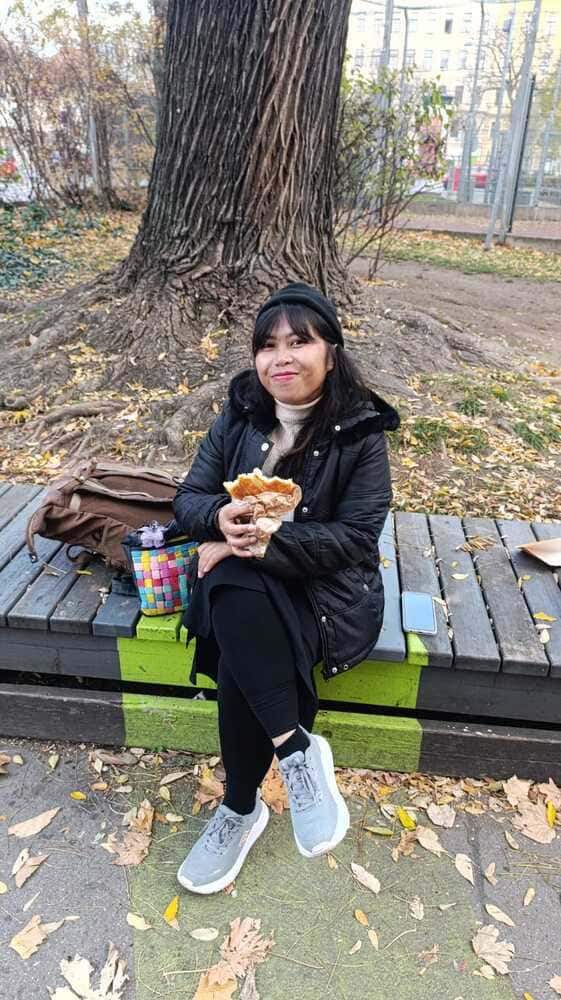
If you’re visiting Vienna between mid-November and December, be sure to stop by one of the city’s Christmas markets.
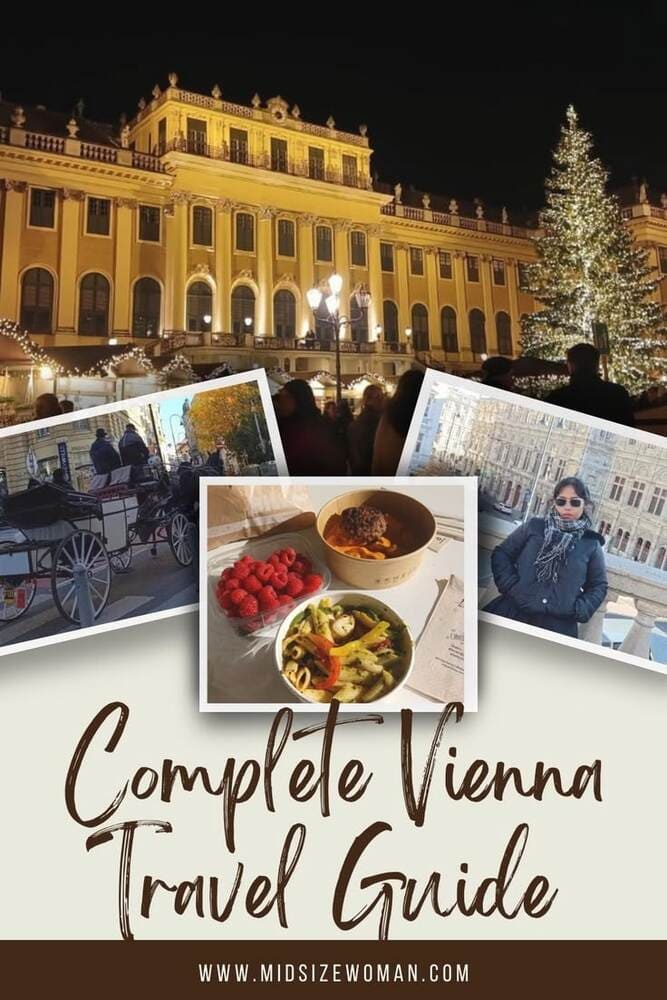
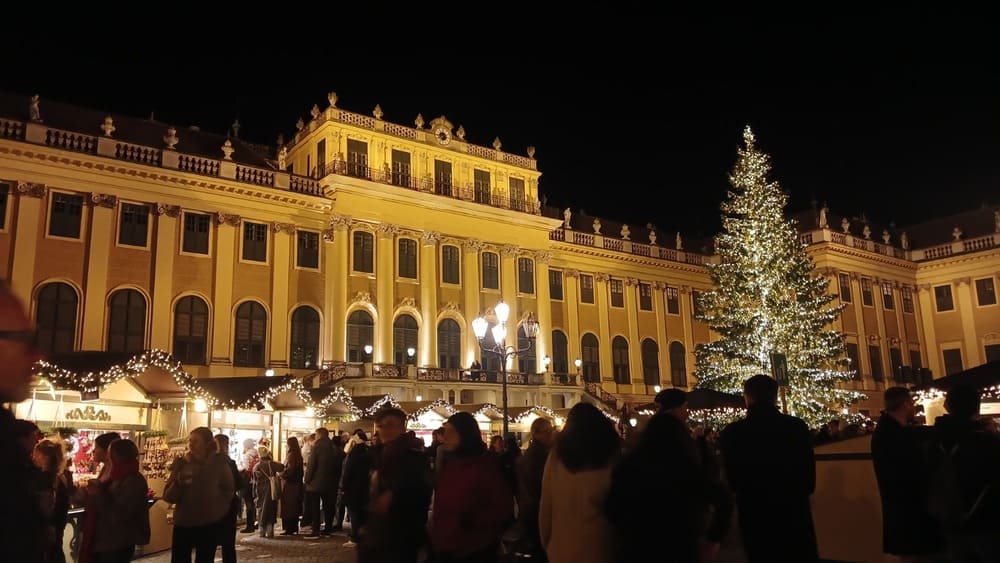
Beyond the festive decorations, you’ll find seasonal food, hot drinks, and local treats that make the experience even more memorable. Visiting the Christmas markets was easily one of the highlights of my winter trip to Vienna.
3-Day Vienna Itinerary
If it’s your first time in Vienna, I think three days gives you enough time to see the city’s main attractions without feeling rushed. Here’s how I would plan it based on my own trip.
Day 1: Explore Vienna’s Historic Center
Start your trip in the heart of Vienna by visiting St. Stephen’s Cathedral, then spend the rest of the morning wandering through the Old Town. Many of the city’s historic streets, elegant buildings, and famous cafés are within walking distance, making it the perfect introduction to Vienna.
Continue to Hofburg Palace, where you can explore the palace grounds or visit one of the museums if you’re interested in Austria’s imperial history.
In the afternoon, slow down with a coffee break at a traditional Viennese café before ending the day with a walk past the Vienna State Opera.
Day 2: Palaces and Parks
Start the morning at Schönbrunn Palace, one of Vienna’s most famous attractions. Whether you decide to tour the palace or simply explore the gardens, it’s worth setting aside a few hours here.
Later in the day, head to Belvedere Palace, home to Gustav Klimt’s The Kiss and beautiful Baroque gardens.
If you’re visiting Vienna during the Christmas season, finish your day at one of the city’s Christmas markets. The festive lights, seasonal food, and cozy atmosphere make it one of the best experiences in winter.
Day 3: A Slower Side of Vienna
Spend your final day exploring a different side of the city.
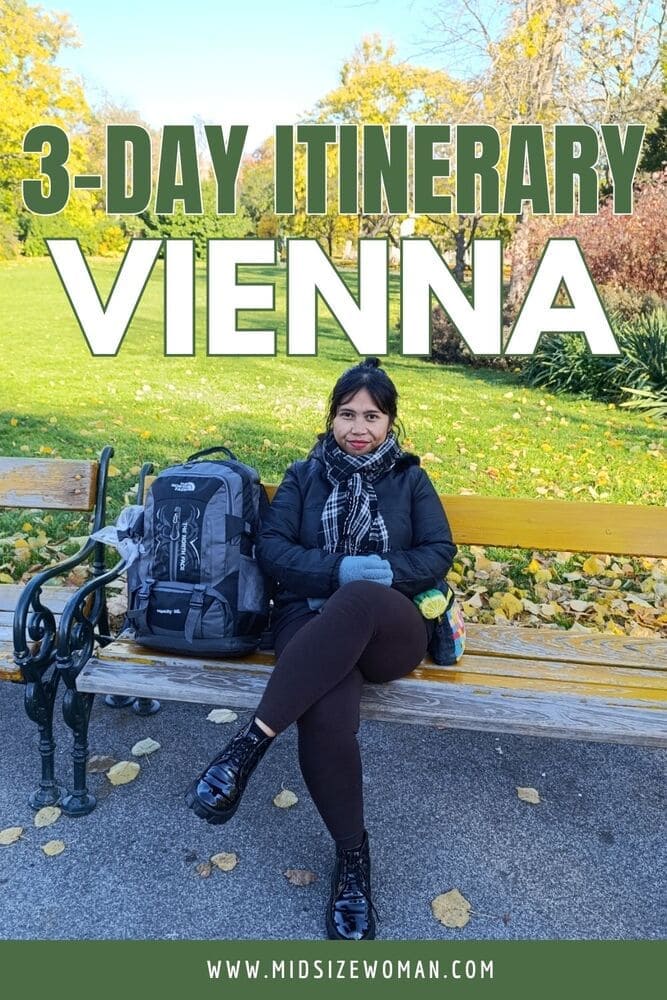
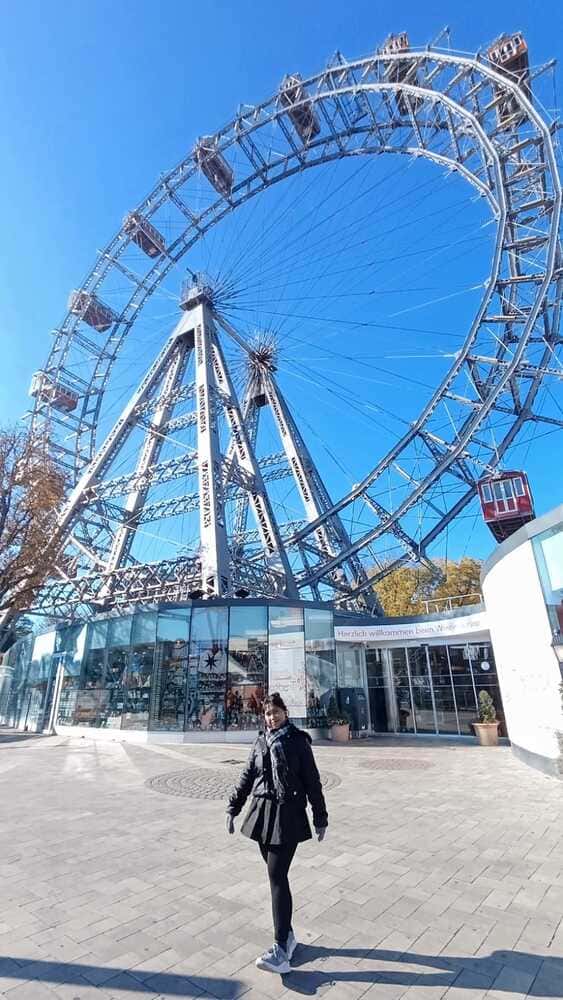
Take a walk through Stadtpark, where you’ll find one of Vienna’s most photographed monuments—the golden Johann Strauss statue. From there, make your way to Prater, home to the city’s iconic Giant Ferris Wheel and one of the oldest amusement parks in the world.
Before leaving Vienna, treat yourself to one last stop at a traditional coffeehouse. Slowing down with a coffee and cake ended up being one of my favorite memories from the trip and felt like the perfect way to end my time in the city.
Tips for First-Time Visitors
A little planning can make your trip to Vienna much smoother. Here are a few things I wish I’d known before visiting:
- Stay near a metro station or the city center to make getting around easier.
- Wear comfortable shoes. Vienna is a very walkable city, and you’ll likely spend hours exploring on foot.
- Visit popular attractions early in the morning to avoid the biggest crowds.
- If you’re visiting in winter, pack warm layers as temperatures can get quite cold.
- Take time to enjoy a traditional Viennese café instead of grabbing coffee to go. It’s one of the best ways to experience the city’s culture.
- If you’re planning to visit several museums and attractions, check whether a city pass could save you money.
- Many shops are closed on Sundays, so plan your shopping accordingly.
FAQ about Vienna
Absolutely. Vienna is a great destination for first-time visitors to Europe, offering a mix of imperial architecture, world-class museums, traditional cafés, and excellent public transport.
I recommend spending at least two full days in Vienna. If you want to visit several museums or take your time exploring, three days is ideal.
Spring and autumn offer pleasant weather and fewer crowds, while winter is perfect if you want to experience Vienna’s famous Christmas markets.
Vienna is generally more expensive than cities like Budapest or Prague, especially when it comes to accommodation. However, it’s still possible to visit on a budget by using public transport, shopping at supermarkets, and choosing free attractions.
No. Vienna has an excellent public transport system, and many of the city’s main attractions are within walking distance of each other.
Yes. Vienna is considered one of the safest cities in Europe for travelers. As with any destination, it’s still a good idea to keep an eye on your belongings in busy tourist areas and on public transport.
Final Thoughts
After spending three days in Vienna, I can see why so many people fall in love with the city. It has a unique mix of grand architecture, fascinating history, beautiful parks, and a café culture that encourages you to slow down and enjoy the moment.
If it’s your first visit, you don’t need to see everything. Focus on the main landmarks, leave time to wander through the historic streets, and don’t skip the chance to relax in a traditional coffeehouse. Those slower moments ended up being some of my favorite memories from the trip.
I hope this Vienna travel guide helps you plan your first visit. Whether you’re visiting for two days or longer, Vienna is a city that’s easy to explore and well worth adding to your Europe itinerary.