If you’re visiting Istanbul for the first time, you’ll almost certainly spend time in Sultanahmet.
This is the historic heart of the city, where empires rose and fell, and where many of Istanbul’s most famous landmarks sit within walking distance of each other. If you’ve seen photos of domes, minarets, and grand courtyards, this is where they are.
This guide focuses on what actually matters when you visit: what to see, how to plan your time, what to expect, and how to avoid common mistakes.
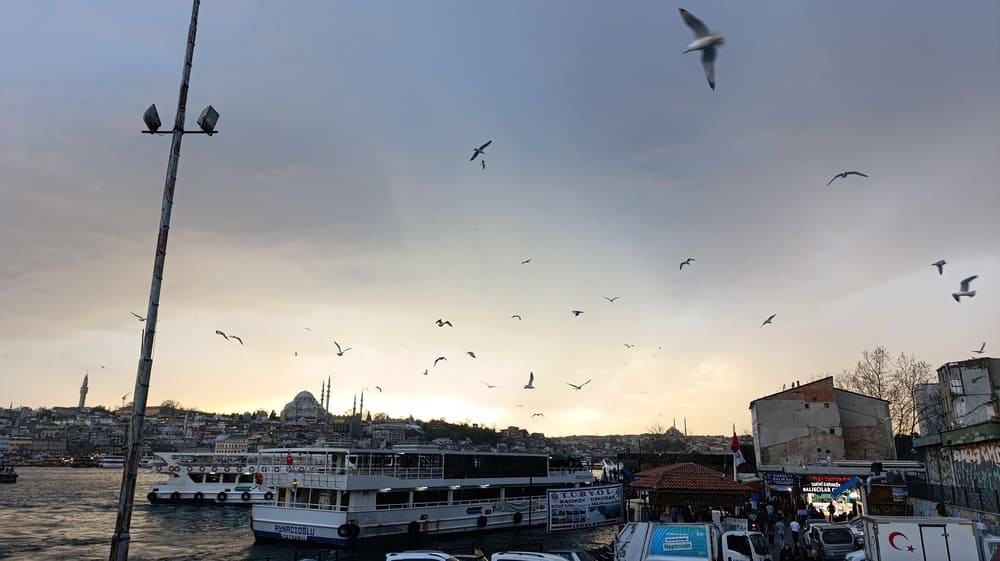
Where is Sultanahmet?
Sultanahmet is located in the Fatih district on the European side of Istanbul.
It’s essentially the Old City, home to many key historical sites from both the Byzantine and Ottoman periods. Most major attractions are within a 5–10 minute walk of each other, making it one of the easiest areas to explore on foot.
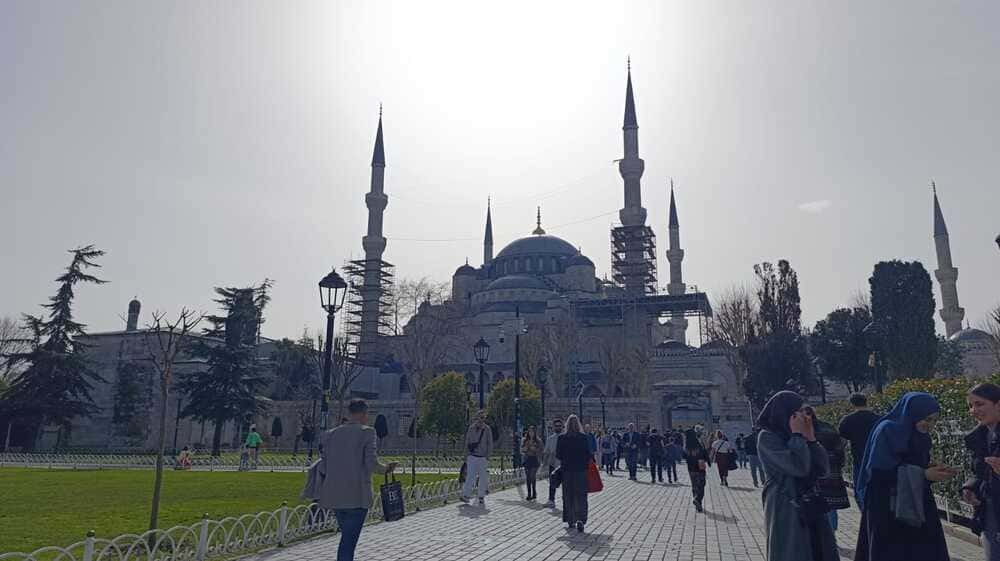
Top Things to See in Sultanahmet
1. Hagia Sophia (Ayasofya)
No visit to Istanbul feels complete without stepping inside Hagia Sophia. It’s one of the most historically layered buildings in the world, originally built as a cathedral in 537 AD before becoming a mosque, then a museum, and now a mosque again.
Inside, the scale stands out immediately. The central dome, dim lighting, and visible mix of Christian mosaics and Islamic elements create a space that feels both complex and restrained.
What to know before visiting:
- Entry is not free for tourists (approx. €25)
- Visitors access the upper gallery level only
- Ground floor is reserved for worshippers
- Modest dress required
- Security checks and queues are common
Helpful tips:
- Visit early or late for fewer crowds
- Expect a more structured, controlled experience
- Focus on the overall interior view from the gallery
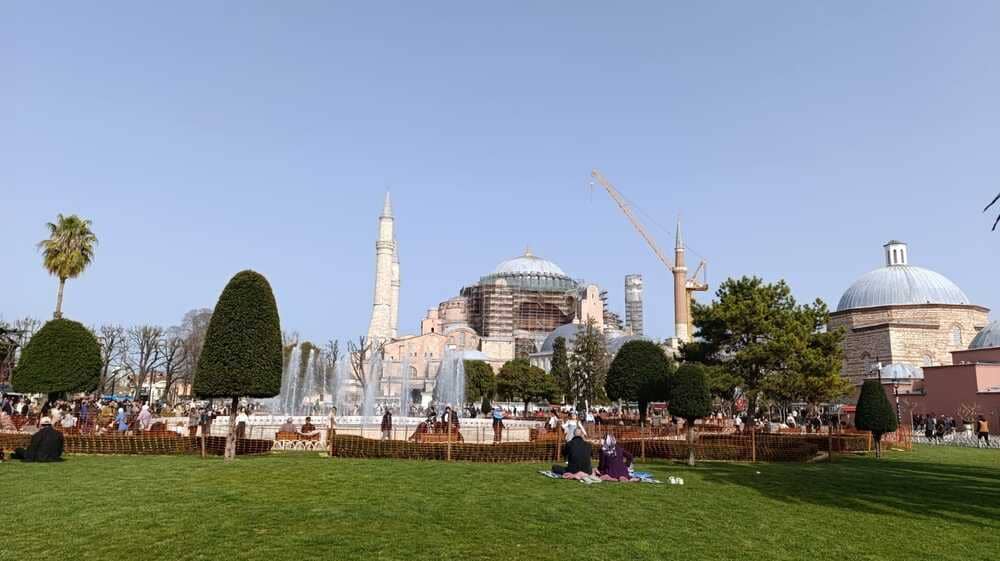
2. Blue Mosque (Sultan Ahmed Mosque)
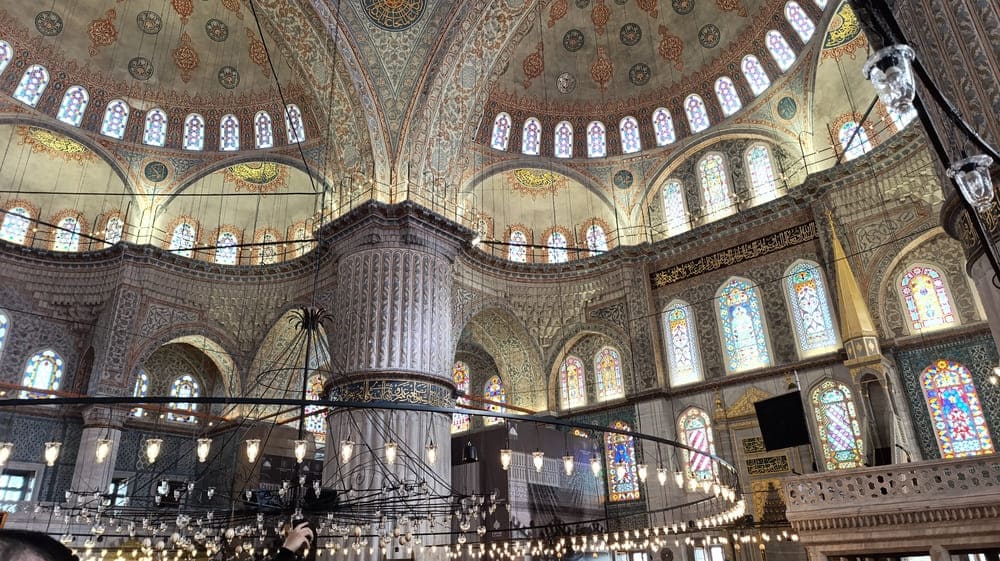
Located directly across from Hagia Sophia, the Blue Mosque is one of the most important active mosques in the city, known for its six minarets and blue tile interior.
Compared to Hagia Sophia, the space feels more open and brighter, with natural light coming through multiple windows.
What to know before visiting:
- Entry is free
- Closed to visitors during daily prayer times
- Visitors enter through a designated entrance separate from worshippers
- Shoes must be removed before entering
- Modest dress required (scarves provided if needed)
Helpful tips:
- Check prayer times before visiting to avoid closures
- Early morning is the least crowded
- Expect shorter visit time (30–45 minutes)
- Be mindful that this is an active place of worship
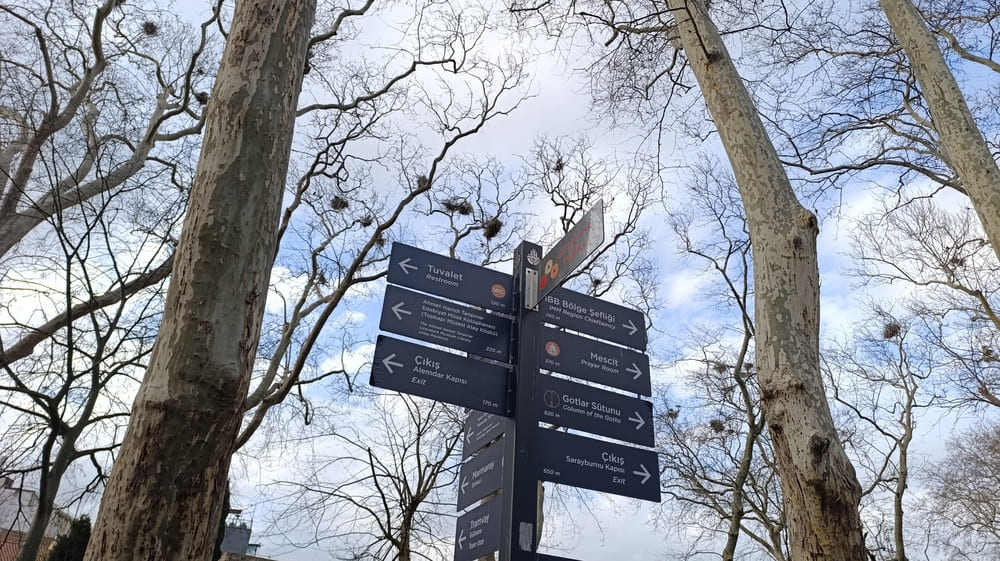
3. Sultanahmet Square (Hippodrome)
Between the two mosques is Sultanahmet Square, once the Hippodrome of Constantinople and the center of public life during the Byzantine era.
Today, it functions as an open public space rather than a structured attraction, but it still contains several important historical monuments and serves as the main connector between sites.
What to know before visiting:
- Open access, no entry fee
- No time restrictions, you’ll likely pass through multiple times
- Mostly an outdoor walking area
What to see while walking through:
- The Obelisk of Theodosius
- The Serpent Column
- The Walled Obelisk
Helpful tips:
- Best experienced as part of moving between attractions
- Good place to pause, orient yourself, or take a break
- Limited shade, can get hot during midday
4. Topkapi Palace
A short walk away, Topkapi Palace offers a deeper look into Ottoman history. This was the residence of Ottoman sultans for nearly 400 years and is now a large museum complex.
Unlike the mosques, this is a ticketed and time-intensive site, with multiple courtyards and exhibition areas.
What to know before visiting:
- Entry requires a paid ticket (separate pricing for sections like the Harem)
- Large complex with multiple buildings and open areas
- Expect crowds, especially in peak season
What you’ll see inside:
- Imperial خزينة (treasury) with artifacts and jewels
- Royal courtyards and ceremonial halls
- Harem section (optional ticket)
Helpful tips:
- Allow 2–3 hours minimum
- Visit early in the day to avoid crowds
- Wear comfortable shoes, there’s a lot of walking
- Skip if you prefer a shorter, lighter itinerary
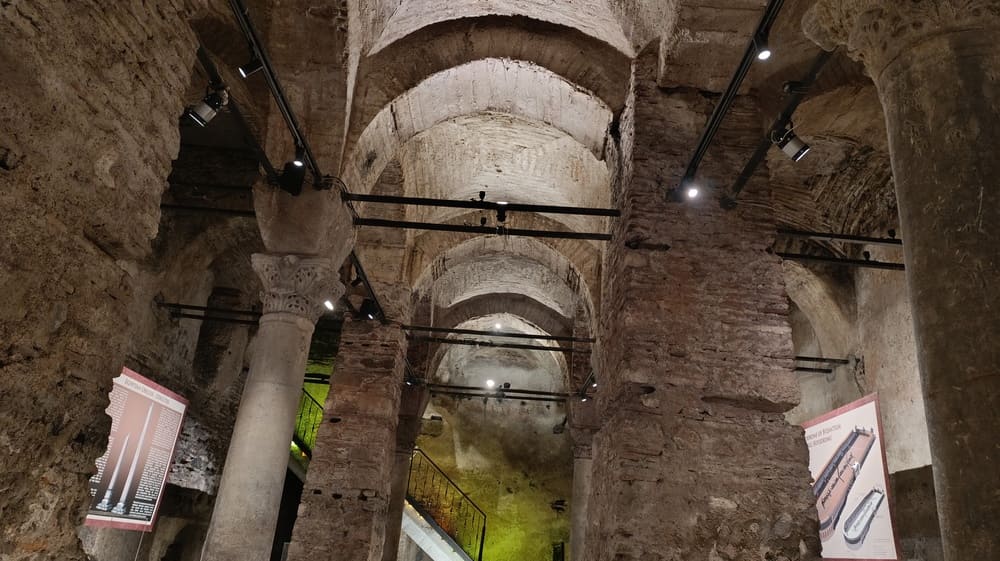
5. Basilica Cistern
For something completely different, head underground to the Basilica Cistern. This ancient water reservoir dates back to the Byzantine period and offers a cooler, quieter contrast to the busy streets above.
The space is dimly lit, with rows of columns reflected in shallow water, creating a more atmospheric and contained experience.
What to know before visiting:
- Entry requires a paid ticket
- Indoor attraction, good in all weather
- Can still have queues, but generally moves efficiently
What to see:
- Symmetrical колонны and reflective المياه
- Ambient lighting throughout the space
- The Medusa head sculptures
Helpful tips:
- Ideal stop during midday heat
- Plan around 30–45 minutes
- Combine with nearby sites since it’s centrally located
How to Get to Sultanahmet in Istanbul
Sultanahmet is well connected and relatively easy to reach, especially if you’re staying in central areas. The most convenient option is the tram line, specifically the T1 line, which stops directly at Sultanahmet.
Best ways to get there:
- Tram (T1 line) → Stops at Sultanahmet Station (most convenient)
- From Karaköy / Eminönü → Direct tram access
- From Taksim → Take the funicular to Kabataş, then tram
- From airports → Combination of metro + tram or taxi
Tip:
Traffic in Istanbul can be unpredictable public transport is often faster than taxis.
When to Visit Sultanahmet
Sultanahmet in Istanbul is open year-round, but your experience can vary significantly depending on the time of day and season.
1. Best Time of Day
| Time of Day | What to Expect | Recommendation |
|---|---|---|
| Early Morning (8–10 AM) | Fewer crowds, cooler temperatures | Best time to visit |
| Midday (11 AM–3 PM) | Peak crowds, hot weather in summer | Try to avoid if possible |
| Late Afternoon | Softer light, slightly פחות crowded | Good alternative |
2. Seasonal Guide
| Season | Months | Weather & Conditions | Crowd Level | Recommendation |
|---|---|---|---|---|
| Spring | Apr–Jun | Pleasant weather | High | Good, but expect crowds |
| Summer | Jul–Aug | Hot, humid, intense sun | Very High | Only if you handle heat |
| Autumn | Sep–Oct | Mild weather, comfortable | Moderate | Best overall balance |
| Winter | Nov–Mar | Cold, occasional rain | Low | Quiet but less ideal |
What to Wear When Visiting Mosques in Sultanahmet
When visiting mosques like Hagia Sophia and Blue Mosque, modest clothing is required. Following local customs ensures respect and avoids being turned away at the entrance.
Guidelines for Visitors
| Visitor | Dress Guidelines | Notes / Tips |
|---|---|---|
| Women | Cover hair with a scarf, shoulders, and knees | Scarves are often provided at the entrance; lightweight fabrics are best in summer |
| Men | Long pants and covered shoulders | Avoid shorts above the knee; t-shirts are fine as long as shoulders are covered |
| All Visitors | Remove shoes before entering prayer areas | Comfortable socks are recommended; some mosques provide shoe storage |
Additional Tips
- Wear something easy to adjust when entering or exiting the mosque.
- Avoid overly tight or revealing clothing, even outside prayer halls.
- Layering is useful some mosques can be cooler inside, especially Hagia Sophia’s upper gallery.
Common Mistakes to Avoid in Sultanahmet
- Assuming Hagia Sophia is free: Hagia Sophia now charges around €25 for tourists. Older guides may still say it’s free.
- Not checking prayer times: Hagia Sophia and the Blue Mosque close temporarily for daily prayers.
- Arriving only at midday: Between 11 AM and 3 PM is the busiest time, especially during peak tourist seasons.
- Underestimating walking time: Streets are crowded and uneven, even though attractions are close.
- Trying to see everything in one day: Sultanahmet is full of historic sites; rushing through can be overwhelming.
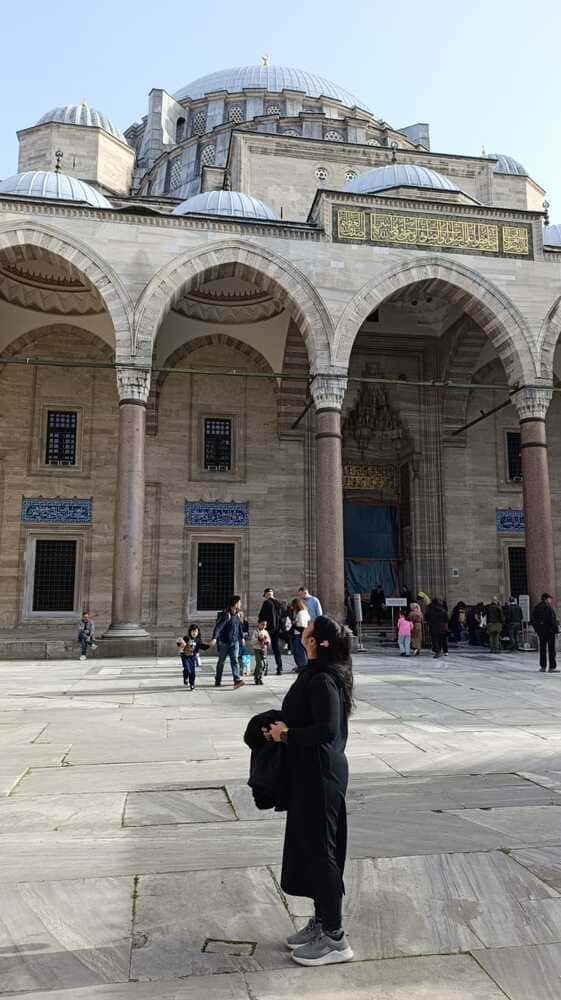
- Ignoring the dress code: Women should cover hair, shoulders, and knees. Men should wear long pants and cover shoulders. Shoes must be removed in prayer areas.
- Not respecting photography rules: Some areas restrict flash or certain angles to protect worshippers.
Final Thoughts
Sultanahmet in Istanbul is the historic heart of the city, offering a unique glimpse into Istanbul’s rich past. From visiting the iconic Hagia Sophia and the Blue Mosque to exploring Topkapi Palace and the Basilica Cistern, this area is packed with world-famous attractions for history lovers and first-time visitors.
Planning your trip to Sultanahmet carefully will make your visit more enjoyable. Arrive early to beat the crowds, check mosque prayer times, dress modestly, and allow enough time to explore each site. Whether you’re taking a one-day Sultanahmet itinerary or staying longer, pacing yourself and following practical tips will help you make the most of your day.
Beyond Sultanahmet, Istanbul offers neighborhoods for every type of traveler. Stay in Beyoglu for nightlife and shopping, explore Karakoy for trendy cafes and art, or head to Kadıköy on the Asian side for a more local experience. Choosing the right area to stay can enhance your Istanbul trip and give you easy access to the city’s top attractions.
With its combination of historic landmarks, vibrant culture, and stunning views, Istanbul and especially Sultanahmet is a destination that leaves a lasting impression. Proper planning, awareness of ticket costs, and knowing what to see and do will ensure your visit to Sultanahmet and Istanbul is smooth, memorable, and fully immersive.

Related posts:
 Vienna Travel Guide: Best Things to Do & Tips for First-Time Visitors
 Malaga Travel Guide: 9 Best Things to Do for First-Time Visitors
 2 Days in Nicosia: Top Things to See and Do on Both Sides
 Verona Itinerary: How to Spend 2 Days in Verona, Italy
 Surva Festival: Bulgaria’s UNESCO-Recognized Kukeri Mask Festival