After visiting Vienna and Bratislava, Budapest was the next stop on my Central Europe route. I took a FlixBus from Bratislava to Budapest, and the journey took around two hours.
It was smooth, affordable, and surprisingly comfortable. As soon as I arrived, I could feel a clear shift in energy. Budapest felt bigger, rougher around the edges, and more alive than the previous cities and that first impression only got stronger as I explored.
A Short History of Budapest: Understanding Buda and Pest
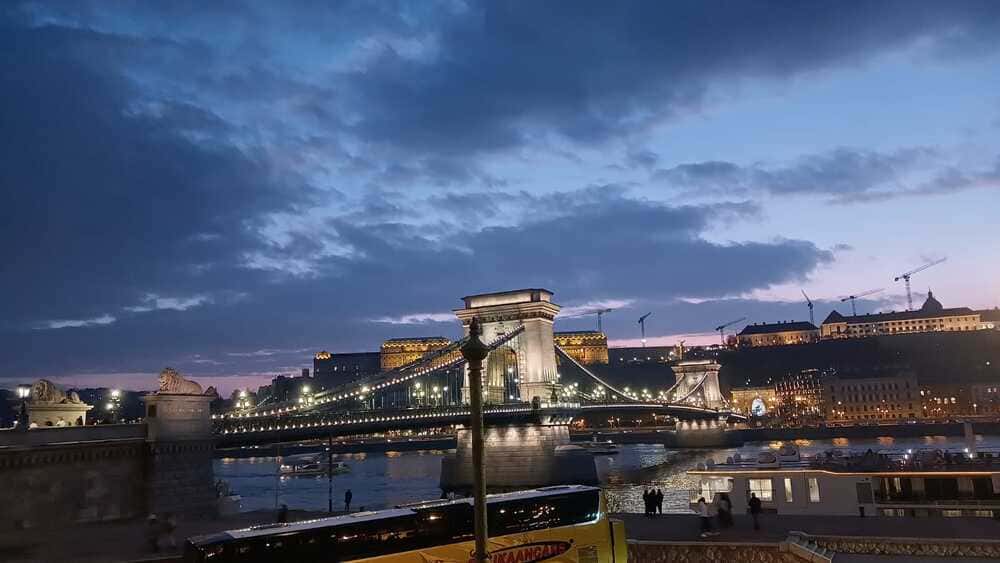
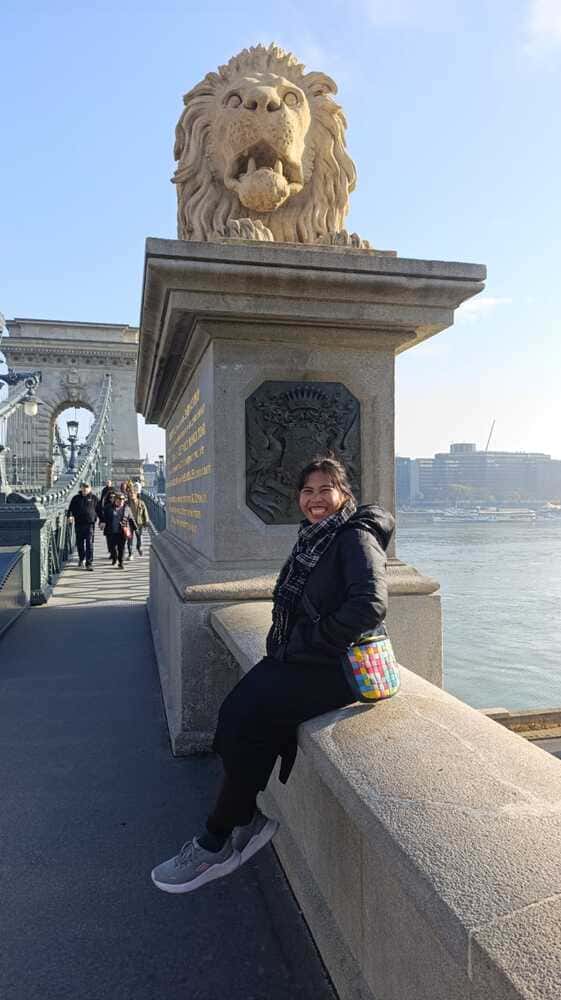
Budapest is made up of two historic cities, Buda and Pest separated by the Danube River. For centuries, they developed very differently.
Buda, on the western side, is older and hillier. It was traditionally home to royalty, military sites, and defensive structures. Pest, on the eastern side, grew into the commercial and cultural center, with wide boulevards and dense neighborhoods.
In 1873, Buda and Pest officially merged to form modern Budapest. Today, this division is one of the city’s defining features, giving visitors two very different experiences in one destination.
Where to Stay in Budapest
Budapest offers accommodation for every budget, from hostels to luxury hotels. Most visitors choose to stay in Pest, especially in Districts 5, 6, or 7, because:
- Major attractions are nearby
- Restaurants and cafés are everywhere
- Public transportation is easy to access
Staying in Pest also makes it easier to explore the city on foot.
Transportation in Budapest
Budapest has an efficient public transport system, including:
- Metro lines,
- Trams
- Buses
- Taxis and ride-hailing apps like Bolt
While public transport is reliable, walking is one of the best ways to explore Budapest. Many attractions are close together, and walking allows you to experience the city’s everyday life, architecture, and local spots.
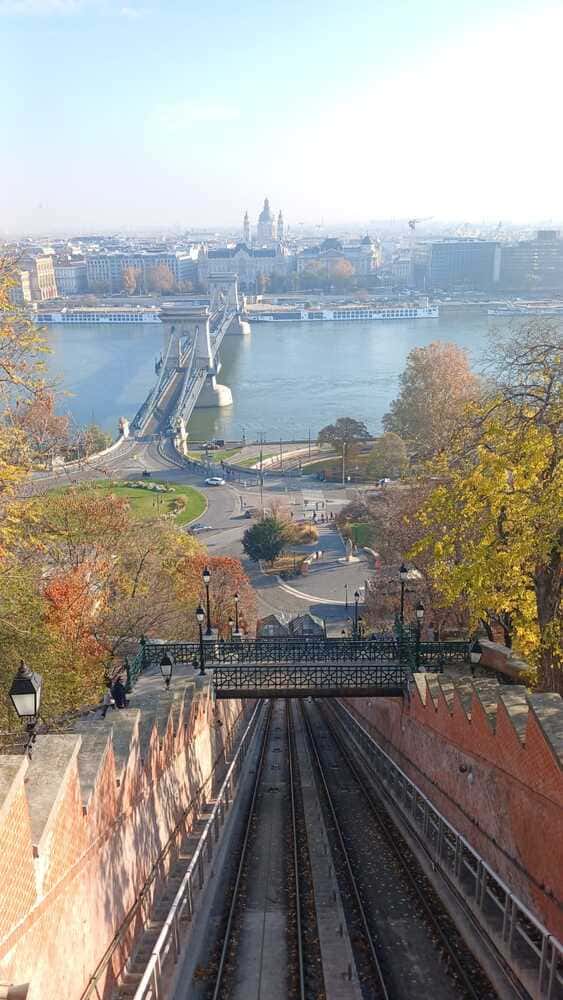
Exploring Buda: History, Castles, and City Views
Buda is quieter and more relaxed, making it ideal for history lovers and scenic walks.
Top Things to Do in Buda
- Buda Castle
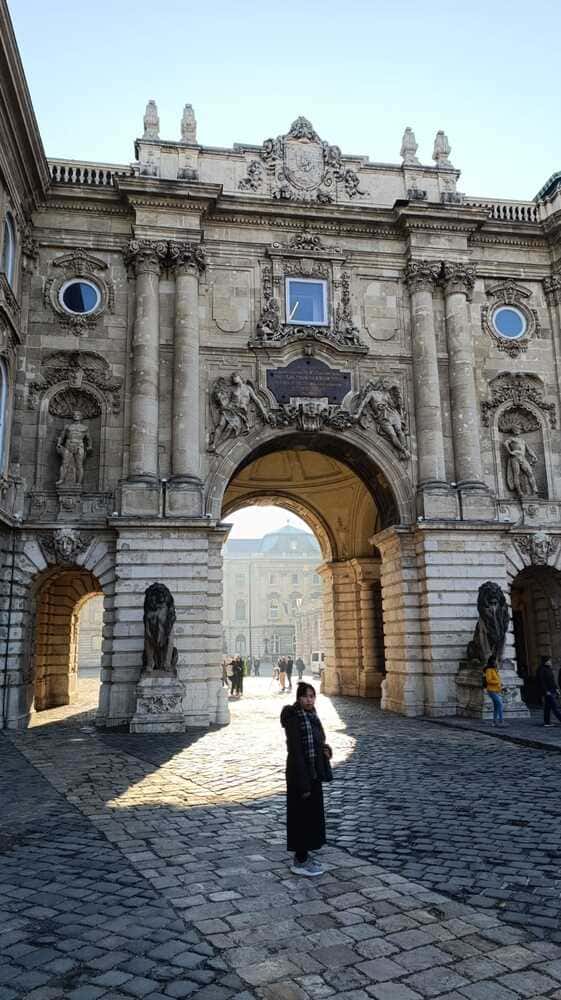
A UNESCO World Heritage Site that offers sweeping views of the Danube and Pest. The castle area is perfect for a slow walk, even if you don’t visit the museums inside. - Fisherman’s Bastion
One of the most photographed landmarks in Budapest. The white stone terraces offer incredible views of the Parliament building across the river. - Matthias Church
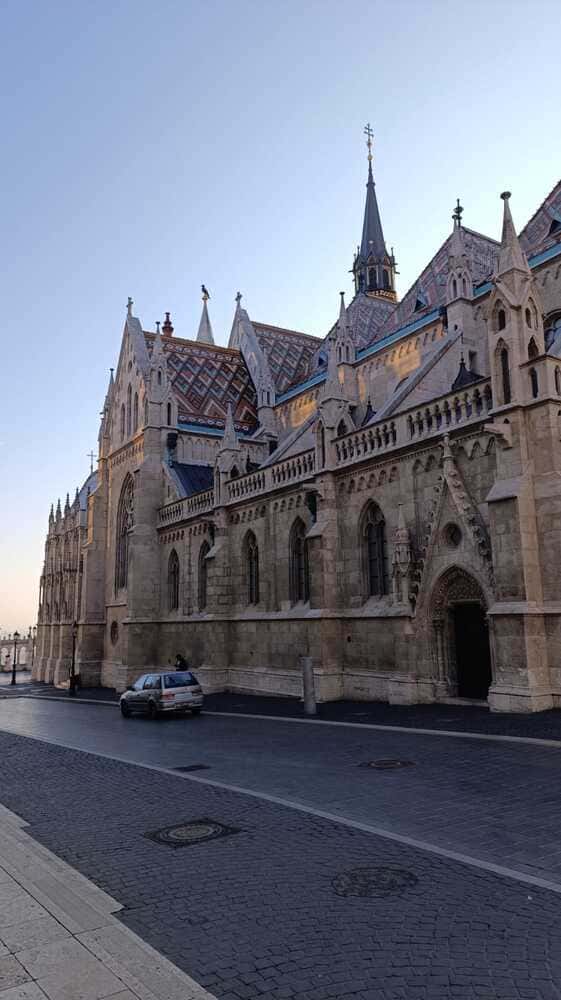
Located next to Fisherman’s Bastion, this church stands out with its colorful roof and detailed interior. - Gellért Hill
A short but steep climb that rewards you with one of the best panoramic views in the city, especially at sunset.

Exploring Pest: Landmarks, Culture, and Daily Life
Pest is the energetic heart of Budapest and where most visitors spend their time.
Must-See Attractions in Pest
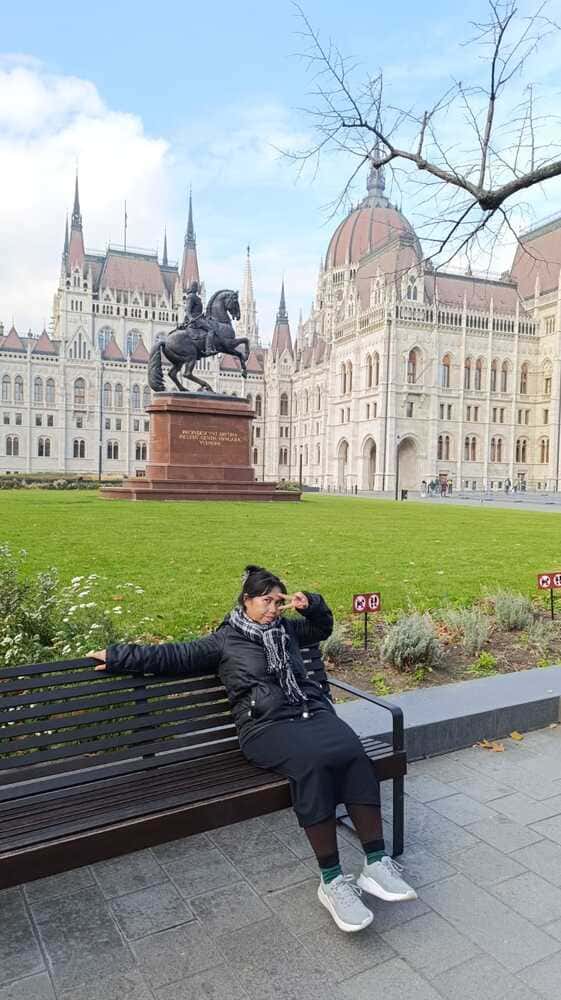
- Hungarian Parliament Building
One of Europe’s most impressive parliament buildings. It looks especially striking when lit up at night along the Danube. - St. Stephen’s Basilica
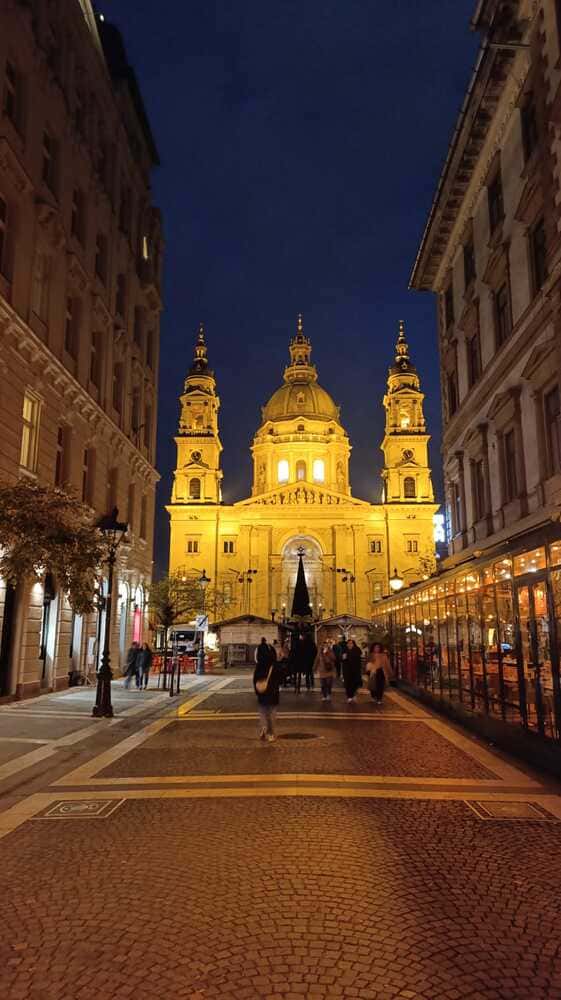
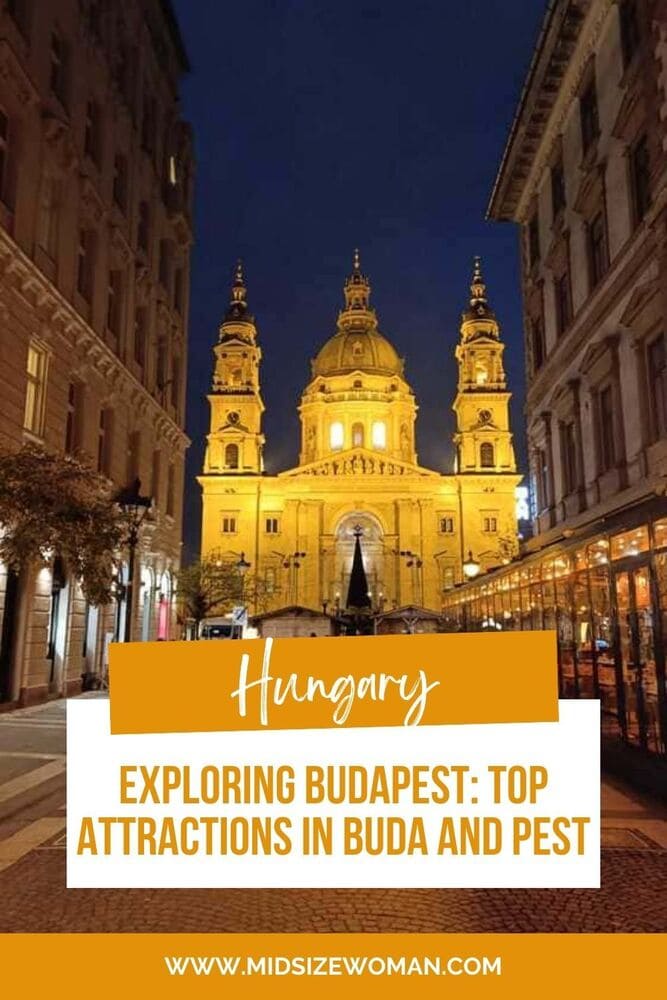
A major religious landmark with an impressive interior and a viewing platform that offers city-wide views. - Shoes on the Danube Bank
A moving memorial dedicated to Jewish victims of World War II. Simple, powerful, and worth a quiet moment. - Andrássy Avenue
A wide boulevard lined with cafés, shops, and historic buildings, perfect for a relaxed walk.
What to Eat in Budapest: Traditional Hungarian Food
Hungarian cuisine is filling, comforting, and rich in flavor.
Must-Try Foods in Budapest
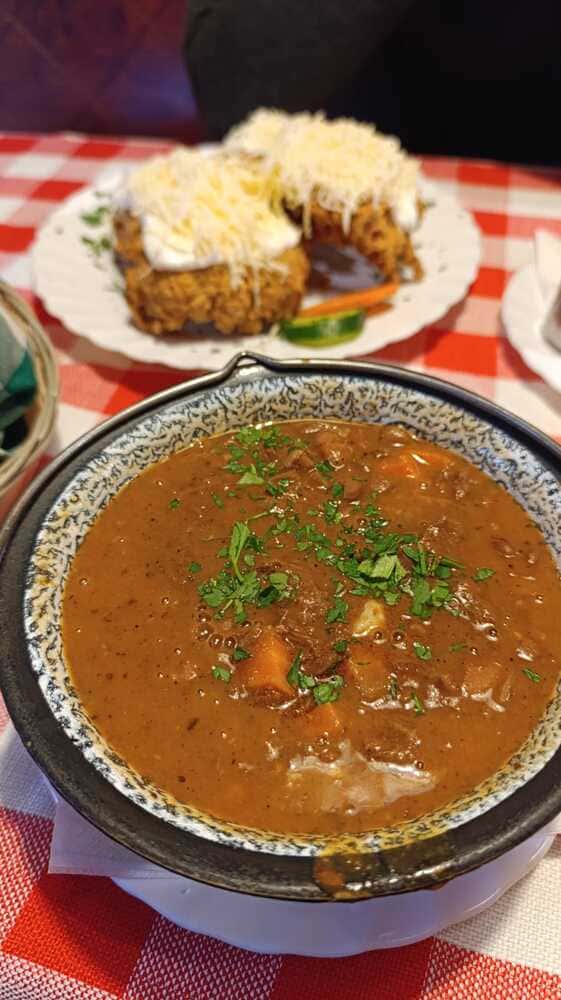
- Goulash
Hungary’s most famous dish, usually served as a soup with tender meat and paprika seasoning. - Lángos
Deep-fried dough topped with sour cream and cheese, commonly found at markets and street stalls. - Chicken Paprikash
A creamy, paprika-based dish often served with dumplings. - Kürtőskalács (Chimney Cake)
A popular street dessert with a crispy sugar coating and soft interior.

Frequently Asked Questions About Budapest
- Is Budapest walkable for tourists?
Yes, Budapest is very walkable, especially in Pest. Many major attractions are close together, and walking is one of the best ways to explore the city. - How many days do you need in Budapest?
Most visitors need 2–3 days to see the main attractions in both Buda and Pest, while 4–5 days allows for slower, more relaxed exploration. - Which side is better to stay in, Buda or Pest?
Pest is generally better for first-time visitors because it’s closer to restaurants, nightlife, public transport, and major attractions. - What food is Budapest famous for?
Budapest is known for traditional dishes like goulash, chicken paprikash, lángos, and chimney cake (kürtőskalács).

Tips for First-Time Visitors to Budapest
If this is your first time in Budapest, here are some handy tips to make the most of your trip:
- Walk as much as you can – Many of the best attractions in both Buda and Pest are within walking distance, and strolling lets you notice hidden gems, street art, and local cafés.
- Use public transport smartly – The metro, trams, and buses are reliable and affordable. Consider buying a 24-hour or 72-hour travel pass if you plan to explore extensively.
- Bring cash (for small purchases) – While cards are widely accepted, some street food stalls, markets, and smaller cafés still prefer forints (HUF).
- Plan Buda and Pest separately – Buda is hilly and slower-paced, while Pest is flatter and busier. Allocate at least half a day to explore each side fully.
- Try local food early – Don’t wait until the last day to eat goulash, lángos, or chimney cake. Street food stalls, markets, and casual restaurants give a real taste of the city.
- Check opening hours in advance – Some attractions like Buda Castle museums or churches close earlier than expected, especially on weekends.
- Bring comfy shoes – Cobblestone streets, hills, and long walks mean comfort is key.
- Learn a few Hungarian phrases – Simple words like köszönöm (thank you) or szia (hi/bye) go a long way.
- Don’t rush – Budapest is meant to be explored slowly. Take time to enjoy views from Fisherman’s Bastion, sip coffee at a café, or walk along the Danube at sunset.
Final Thoughts
Budapest offers a balanced mix of history, culture, food, and walkable neighborhoods. The contrast between Buda’s historic calm and Pest’s lively atmosphere makes the city easy to enjoy and hard to forget.
Compared to other European capitals, Budapest remains affordable, easy to navigate, and rich in attractions. Whether you’re interested in sightseeing, local food, or simply exploring a city on foot, Budapest delivers a rewarding travel experience.
If you’re planning a trip through Central Europe, Budapest deserves a top spot on your itinerary.
Related posts:
 Vienna Travel Guide: 3-Day Itinerary, Christmas Market & Budget Tips
 Bratislava in One Day: Complete Guide, Things To Do & Travel Tips
 One Day in Paphos, Cyprus: Things to Do, Travel Tips, and Winter Weather
 Things to Do in Malaga for First-Time Visitors (A Budget Backpacker’s Guide)
 2 Days in Nicosia: Top Things to See and Do on Both Sides