Moroccan food ended up being one of the best parts of traveling through the country. Before visiting, I only knew about tagine and mint tea, but the food scene in Morocco goes way beyond that.
Every city had something different. Marrakech was full of smoky street food and late-night markets, Fes felt more traditional and rich in flavor, while coastal towns like Essaouira were all about fresh seafood straight from the port.
What makes Moroccan cuisine stand out is how comforting and balanced it feels. The dishes are packed with spices, but not overwhelmingly spicy. Meals are slow-cooked, bread comes with almost everything, and eating usually turns into a long, relaxed experience instead of a quick stop between activities.
From tagines and couscous to street snacks and sweet mint tea, this guide covers the best Moroccan food to try and what makes each dish worth ordering when you visit Morocco.
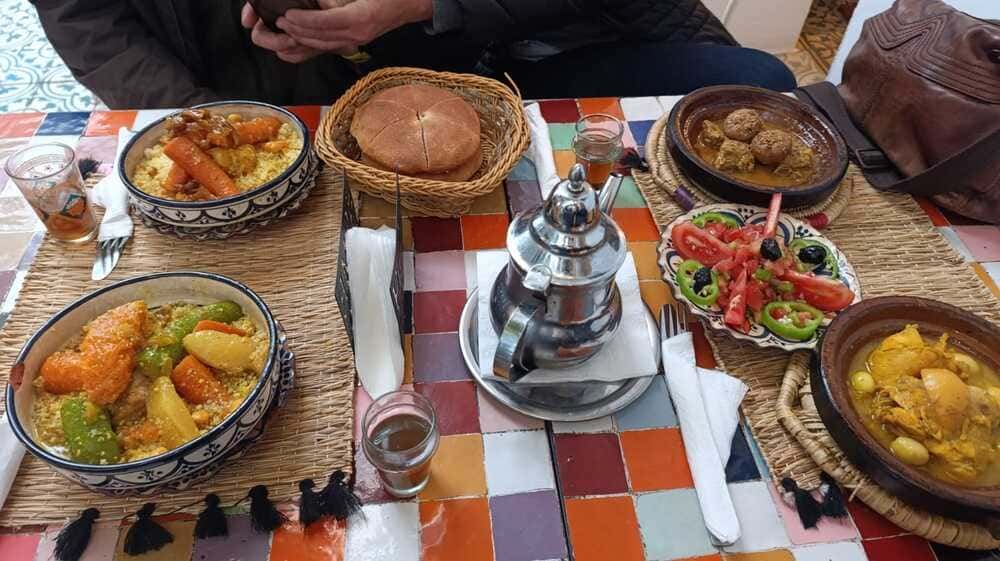
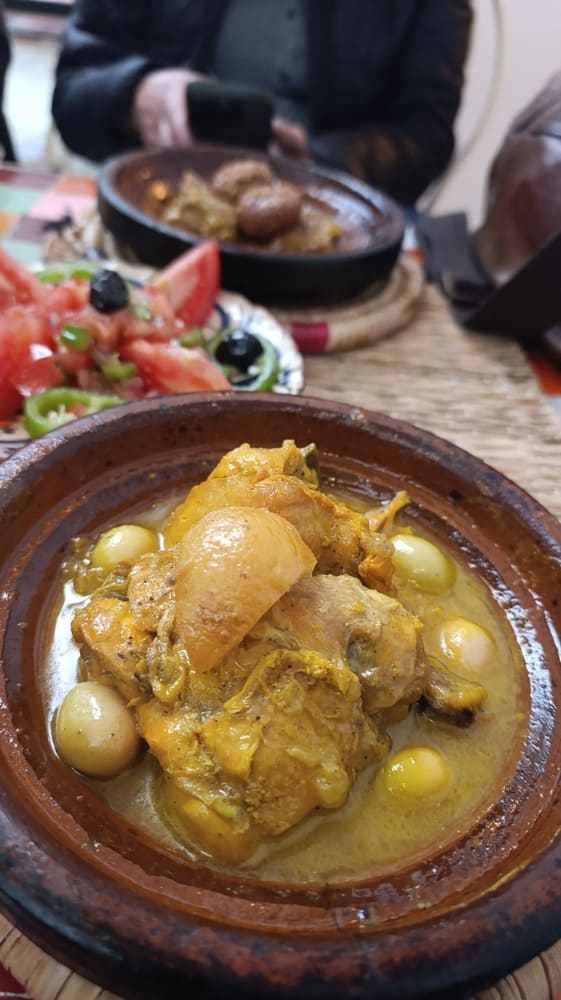
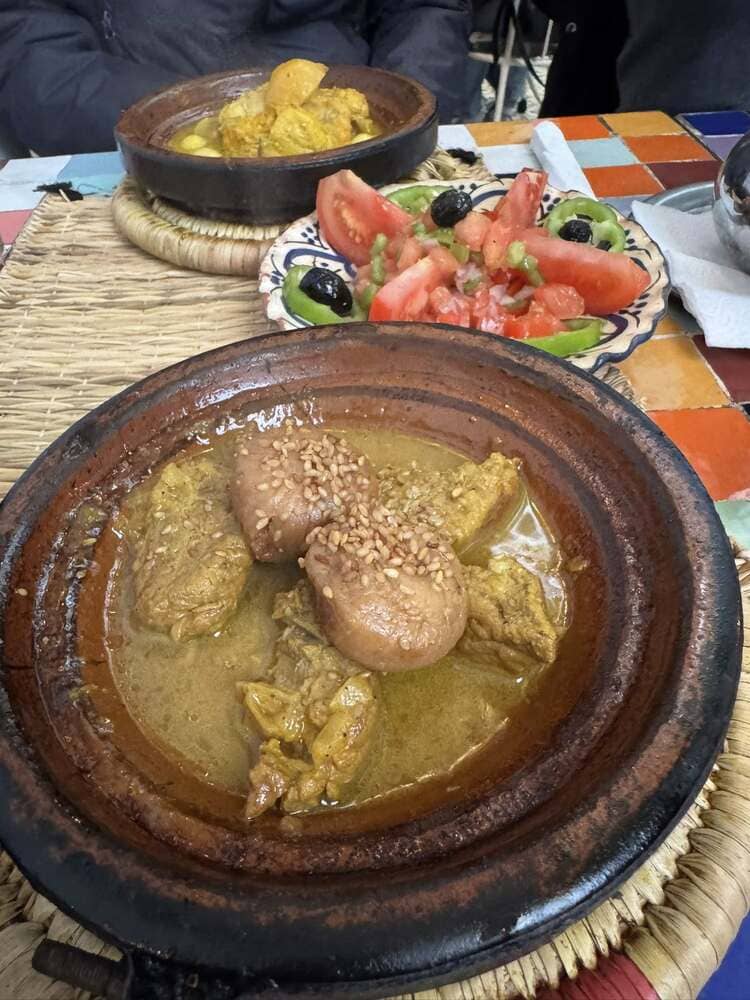
1. Tagine – The Most Famous Moroccan Food
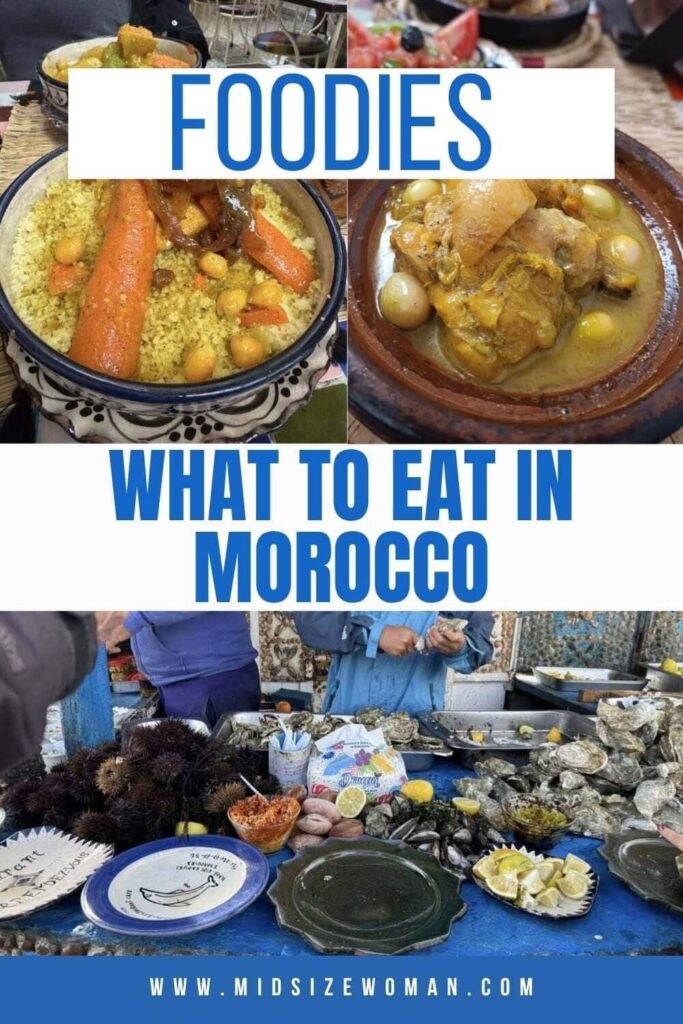
If there’s one dish you’ll see everywhere in Morocco, it’s tagine.
A tagine is a slow-cooked stew made in a traditional clay pot with a cone-shaped lid. The cooking method keeps the meat tender and lets all the spices blend together slowly, which is why the flavors taste so rich without feeling heavy.
You’ll find different versions across Morocco, but these are the most common:
- Chicken with preserved lemon and olives
- Lamb with prunes and almonds
- Beef with vegetables
- Kefta tagine with eggs and tomato sauce
Most tagines come with bread instead of rice, and honestly, tearing bread straight into the sauce feels like part of the experience.
Some restaurants make tagine specifically for tourists, but the best ones are usually in smaller local spots where the recipes feel more homemade and less polished.
If you’re trying Moroccan food for the first time, tagine is probably the best place to start. It’s comforting, flavorful, and easily one of the most traditional dishes in Morocco.
2. Couscous – Morocco’s Traditional Friday Meal
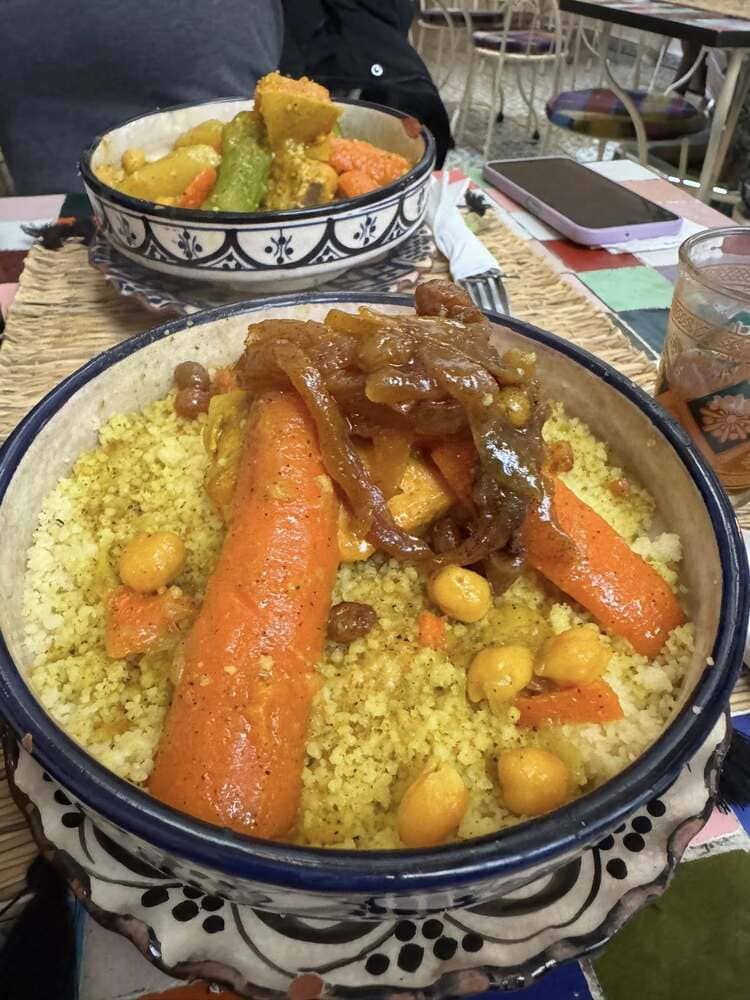
Couscous is one of the most traditional foods in Morocco, but it’s a little different from the version most people know outside the country.
In Morocco, couscous is usually steamed until light and fluffy, then served with vegetables, chickpeas, and slow-cooked meat like chicken, lamb, or beef. The broth adds most of the flavor, so the whole dish feels warm and comforting without being too heavy.
A lot of Moroccan families eat couscous on Fridays after prayer, which is why it’s often considered a special weekly meal rather than just everyday food.
The portion is usually huge and made for sharing. In more traditional places, everyone eats from the same plate using bread or a spoon.
If you want to try authentic Moroccan couscous, lunch is usually the best time to order it since many restaurants only prepare fresh couscous once a day.
3. Moroccan Mint Tea – More Than Just a Drink
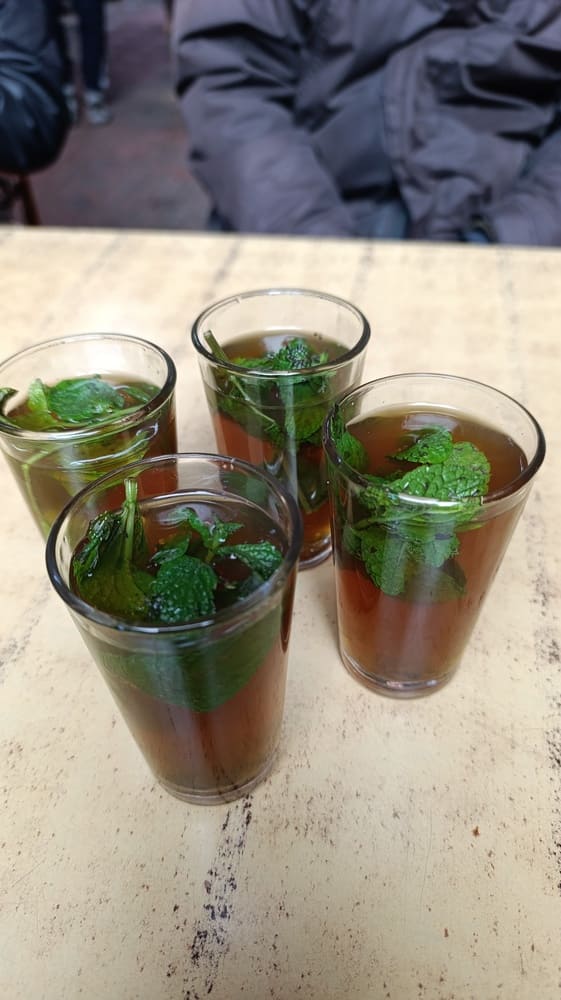
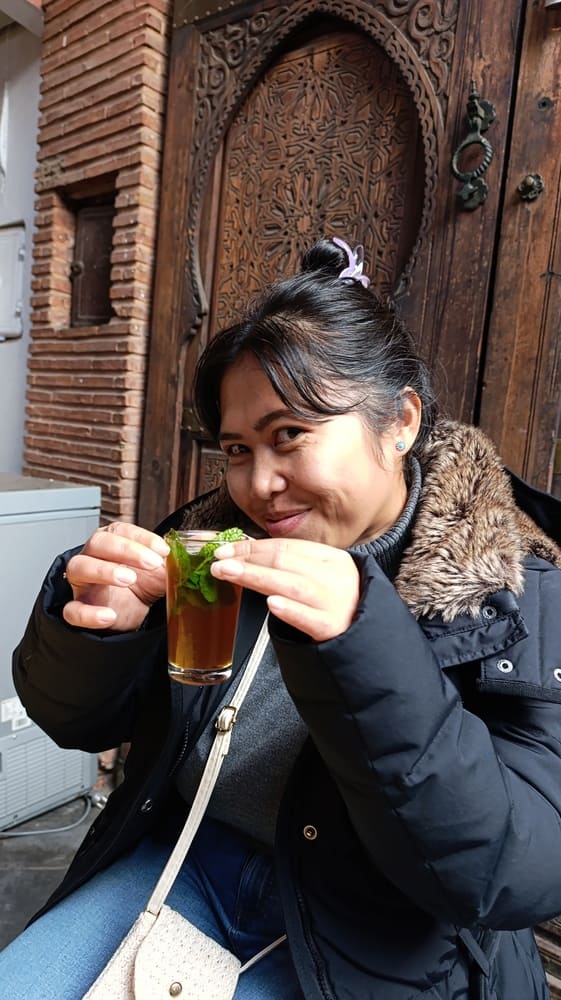
Mint tea is everywhere in Morocco. You’ll get offered a glass while shopping in the medina, checking into a riad, or waiting for your food at a restaurant. After a while, it becomes part of the travel experience itself.
What makes Moroccan mint tea special:
- Made with green tea, fresh mint, and lots of sugar
- Usually poured from high above the glass to create foam on top
- Served throughout the day, not just after meals
- Seen as a sign of hospitality in Moroccan culture
The tea is sweet, refreshing, and surprisingly addictive after a few days. Even if you normally don’t drink sugary tea, it somehow works in Morocco’s hot weather and busy atmosphere.
Stopping for mint tea also feels like a small break from the chaos of the streets. In between crowded souks and long walks through the medina, sitting down with tea becomes one of those simple moments you end up remembering later.
4. Pastilla – Morocco’s Famous Sweet and Savory Pie
Pastilla was probably one of the most unexpected dishes I tried in Morocco. At first glance, it looks like a dessert, but it’s actually a savory pie filled with meat and spices.
Traditional Moroccan pastilla is made with thin flaky pastry layers, usually stuffed with chicken or pigeon, then topped with powdered sugar and cinnamon. It sounds like a strange combination at first, but somehow the sweet and savory flavors work really well together.
What makes Moroccan pastilla unique:
- Crispy layered pastry with a soft filling inside
- Combines sweet and savory flavors in one dish
- Usually made with chicken, almonds, cinnamon, and spices
- Often served during celebrations or special occasions
Pastilla feels richer and heavier than dishes like tagine or couscous, so it’s usually better as a shared starter rather than a full meal on your own.
If you want to try traditional Moroccan cuisine beyond the usual tourist dishes, pastilla is definitely worth ordering at least once.
5. Harira – The Moroccan Soup
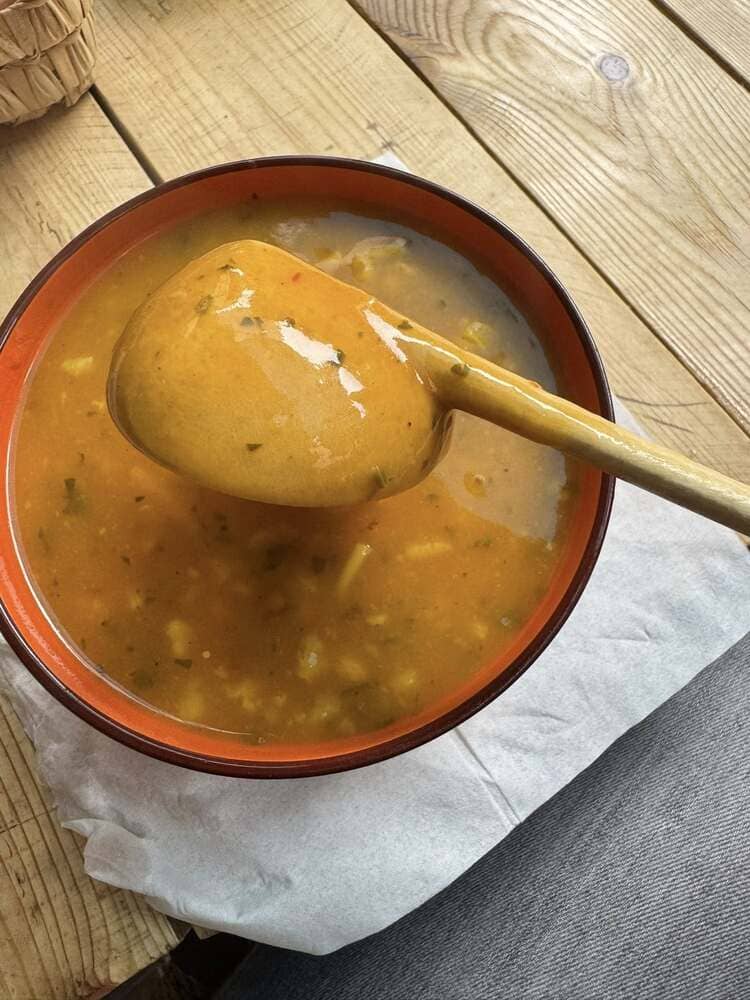
Harira is one of the most comforting foods in Morocco, especially after spending hours walking through busy medinas and markets.
The soup is usually made with tomatoes, lentils, chickpeas, fresh herbs, and sometimes lamb or beef. It’s warm, filling, and simple in the best way.
What makes Moroccan harira special:
- Thick tomato-based soup with lentils and chickpeas
- Full of fresh herbs and mild spices
- Commonly eaten during Ramadan to break the fast
- Usually served with bread, dates, or sweet pastries
Even though harira is deeply connected to Ramadan, you can still find it in restaurants throughout the year.
Compared to heavier Moroccan dishes, harira feels lighter but still satisfying, which makes it a good option if you need a break from large tagines and grilled meat meals.
6. Moroccan Street Food – What to Try in the Markets
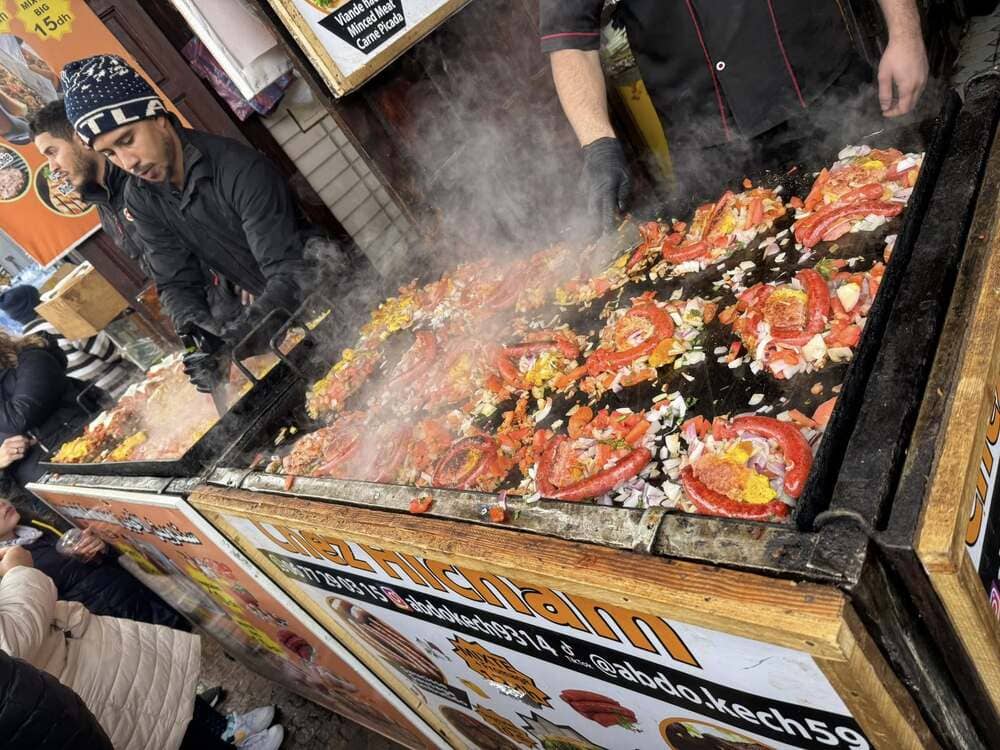
Some of the best food in Morocco doesn’t come from restaurants at all. It comes from busy market stalls, small grills on the street, and night markets filled with smoke, spices, and people everywhere.
Street food is a huge part of Moroccan food culture, especially in cities like Marrakech where places like Jemaa el-Fnaa turn into giant open-air food markets at night.
Popular Moroccan street food to try:
- Grilled kebabs and lamb skewers
- Msemen, a flaky Moroccan pancake
- Snail soup sold from street carts
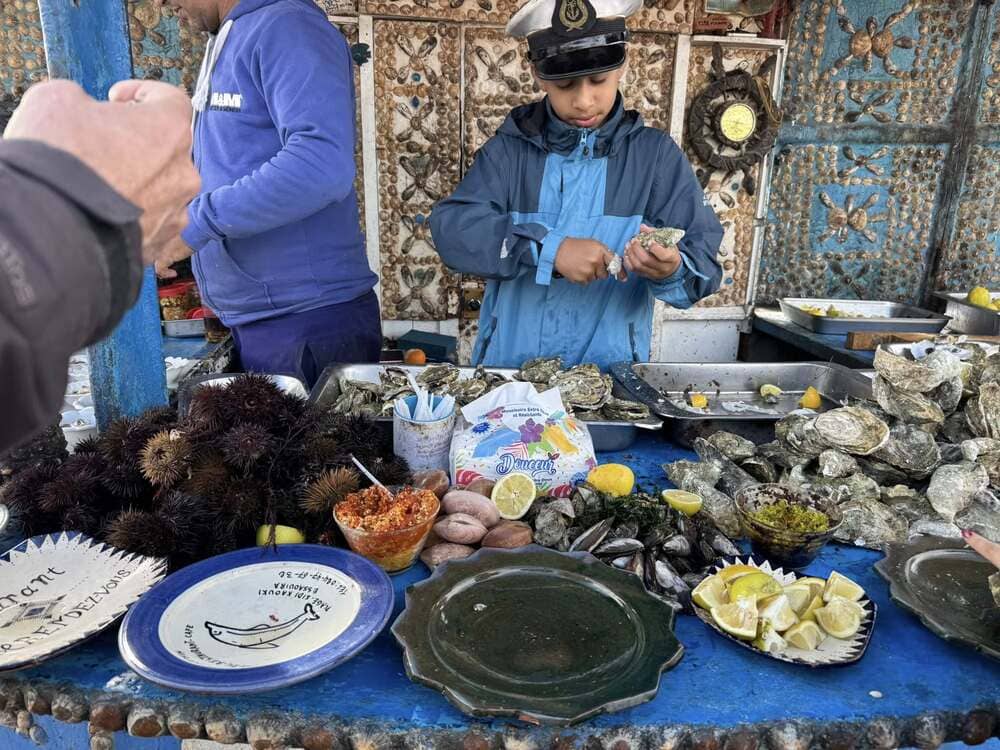
- Fried seafood in coastal towns
- Fresh orange juice from market stalls
- Chebakia, a sweet sesame pastry
Some stalls may look a little chaotic at first, but that’s usually part of the experience. The busiest places are often the best sign that the food is good.
Trying Moroccan street food is also one of the easiest ways to eat well without spending much money, especially if you’re traveling on a budget.
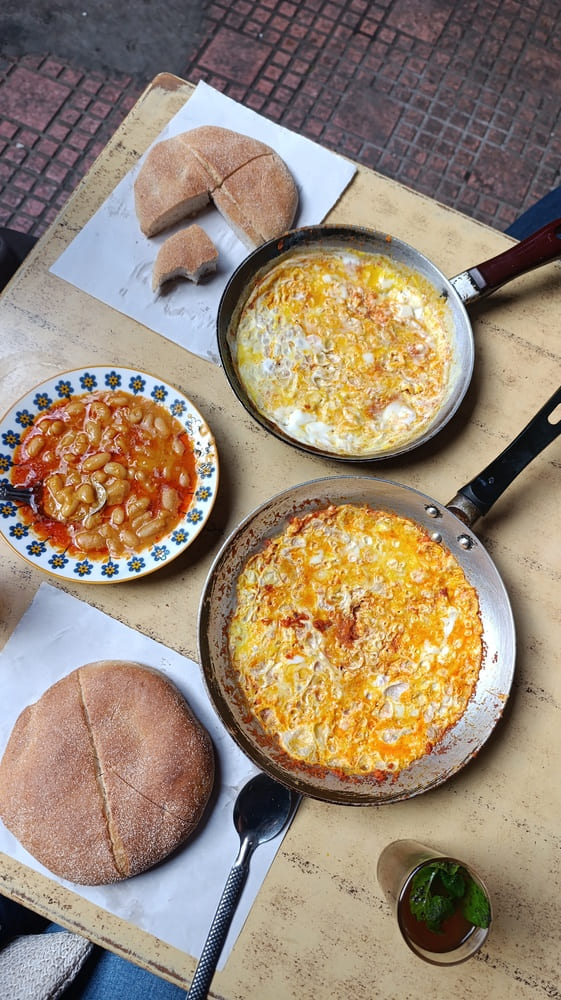
7. Moroccan Breakfast – Simple but Surprisingly Good
Breakfast in Morocco is not complicated, but it’s one of those meals that grows on you fast.
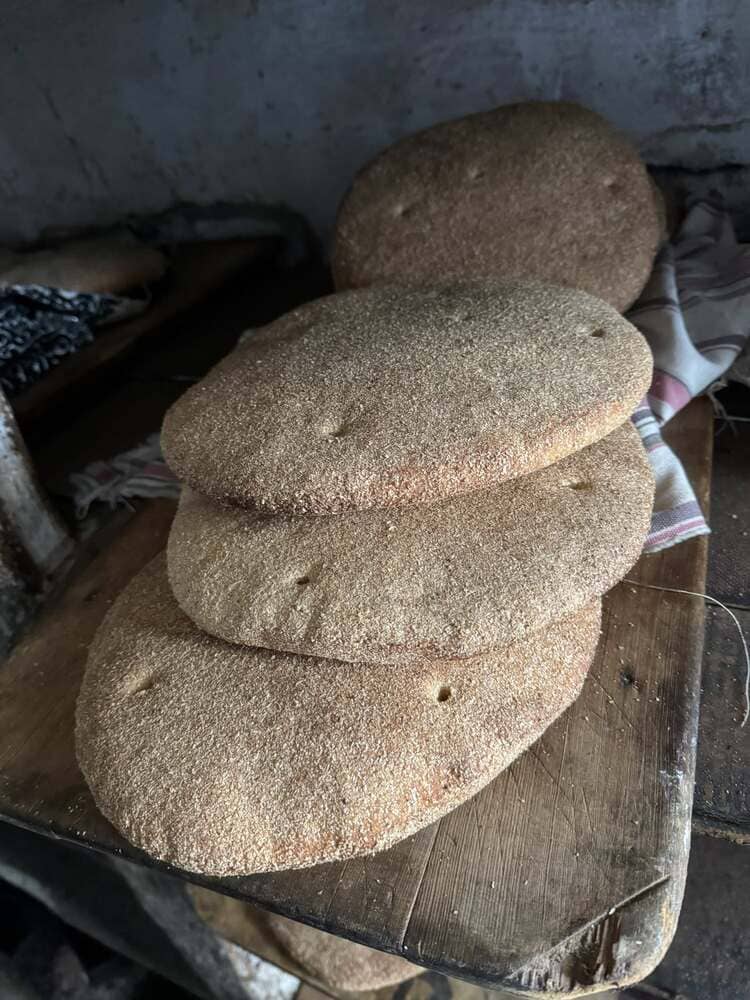
Most mornings start with fresh bread, olive oil, butter, jam, honey, and sometimes soft cheese or boiled eggs. It’s usually served with mint tea or coffee.
What you’ll often find in a Moroccan breakfast:
- Fresh bread (often warm and crusty)
- Olive oil, jam, honey, butter
- Olives and soft cheese
- Boiled or fried eggs
- Mint tea or coffee
You’ll also see a few local specialties that show up often in cafes and riads:
- Msemen – layered Moroccan pancake, slightly crispy outside
- Baghrir – soft pancakes with tiny holes, often called “thousand-hole pancakes”
Breakfast in Morocco feels more like a slow start to the day rather than a heavy meal. It’s simple, but paired with mint tea and a calm morning terrace, it becomes one of those quiet travel moments you end up remembering later.
8. Moroccan Coffee
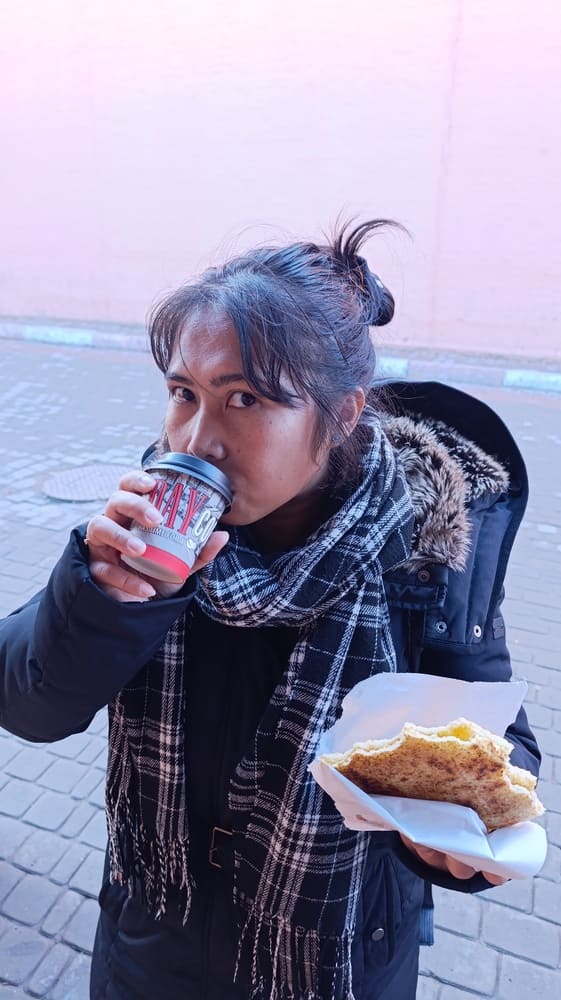
Moroccan coffee is simple, strong, and part of daily life. It’s usually served in small cups, often black or with sugar, and enjoyed slowly in the morning or during breaks.
What to know about Moroccan coffee:
- Typically served black or with sugar
- Strong espresso-style coffee is common in cafes
- Found in small cafés and street stalls across the city
- A daily habit more than a ceremonial drink
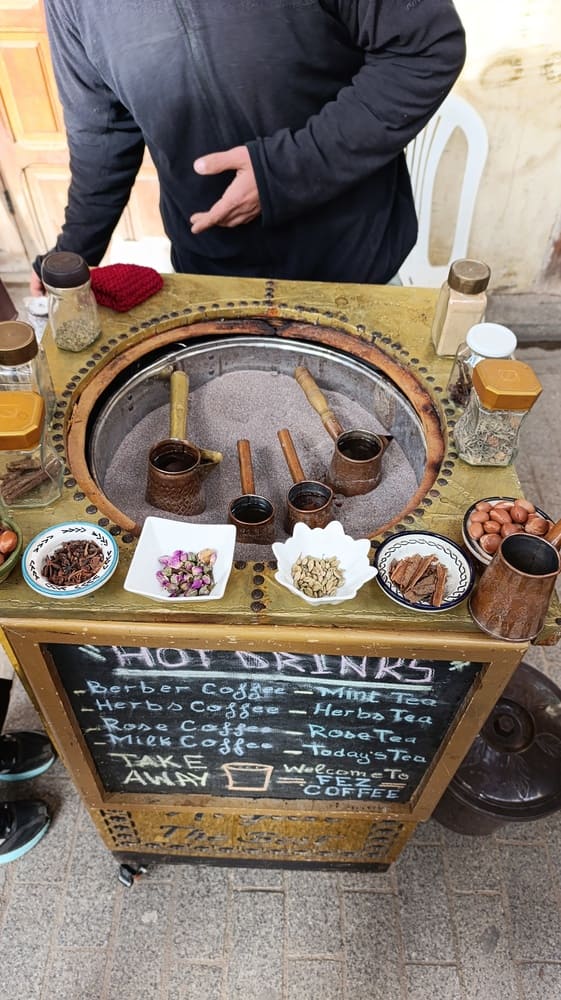
One interesting thing you’ll see in some places is coffee cooked on hot sand. The pot is placed directly into heated sand, which creates a slow, even brew. It’s more common in traditional cafés or desert-style setups and feels a bit different from regular espresso machines.
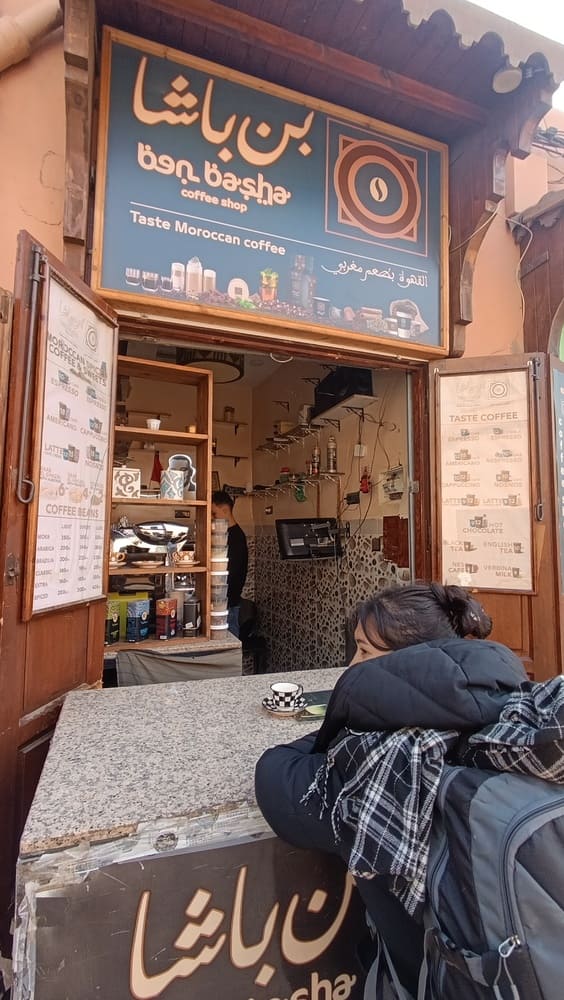
In the medina, you’ll also find small coffee stalls tucked between shops and alleys. These spots are usually very local, simple counters, basic seating, and quick service. People stop for a short break, drink coffee, and then continue walking through the busy streets.
Best Cities in Morocco for Food – Where to Eat What
Food in Morocco changes a lot depending on where you are. Each city has its own style, ingredients, and even way of cooking the same dishes.
If you’re planning a food-focused trip, these cities are worth knowing:
Marrakech – Best for Street Food & Tourist-Friendly Classics
- Famous for lively night food markets like Jemaa el-Fnaa
- Great place to try tagine, grilled meats, and fresh juices
- Lots of rooftop restaurants and modern Moroccan fusion spots
- Easy to find food at any time of day
Fes – Best for Traditional Moroccan Cuisine
- Known for deeply traditional recipes and slow cooking styles
- More authentic, less tourist-adapted flavors
- Great place for dishes like pastilla and classic couscous
- Feels more local and historic in its food culture
Essaouira – Best for Fresh Seafood
- Coastal city with daily fresh fish markets
- Simple grilled seafood is the highlight here
- More relaxed dining scene compared to big cities
- Good mix of Moroccan and Mediterranean influence
Is Moroccan Food Spicy? What to Expect
One of the most common questions before visiting Morocco is whether the food is spicy. The short answer is: not really.
Moroccan food is flavorful, but it’s more aromatic than hot. Instead of heavy chili heat, dishes rely on layered spices that build depth without burning your mouth.
Common spices in Moroccan cuisine:
- Cumin
- Cinnamon
- Ginger
- Turmeric
- Paprika
- Saffron (in special dishes)
What this means in practice:
- Tagines are rich and savory, not spicy-hot
- Soups and stews feel warm and spiced, but still mild
- You can usually add chili sauce on the side if you want heat
If you’re someone who avoids spicy food, Morocco is actually very easy to eat in. And if you like spice, you might need to ask for extra chili to get that kick.
Overall, Moroccan cuisine is more about balance, sweet, savory, earthy, and aromatic flavors coming together in one dish.
Final Thoughts
Moroccan food is easy to enjoy, even if you’re not familiar with it. It’s not overly complicated, but it has a lot of flavor and variety depending on where you eat.
What makes it stand out:
- Lots of simple dishes that rely on fresh ingredients and spices
- Every region in Morocco has its own food style
- Street food, home cooking, and restaurant meals are all worth trying
- Most meals are shared and usually come with bread and mint tea
If you’re visiting, you don’t need a detailed food plan. Just try things as you go, tagine one day, couscous another, street food in the evening, and mint tea almost everywhere.
Moroccan food is less about fancy dining and more about everyday eating. And that’s usually what makes it memorable.

Related posts:
 Authentic Thai Food: 11 Traditional Dishes to Try in Thailand
 What to Eat in Vietnam: 13 Must-Try Vietnamese Dishes
 Malaysia Food Guide: 8 Must-Try Dishes You Can’t Miss
 What to Eat in Hat Yai: Must-Try Foods for First-Time Visitors
 Marrakech Travel Guide: Best Things to Do, Where to Stay & Travel Tips for First-Time Visitors