Many travelers visit Cambodia for Angkor Wat and treat Phnom Penh as little more than a transit stop. I almost did the same.
After spending two days exploring the Cambodian capital on foot, I realized Phnom Penh deserves much more attention than it gets. While it may not have the instant appeal of Siem Reap or the beaches of southern Cambodia, it offers something equally valuable: a deeper understanding of the country’s history, culture, and everyday life.
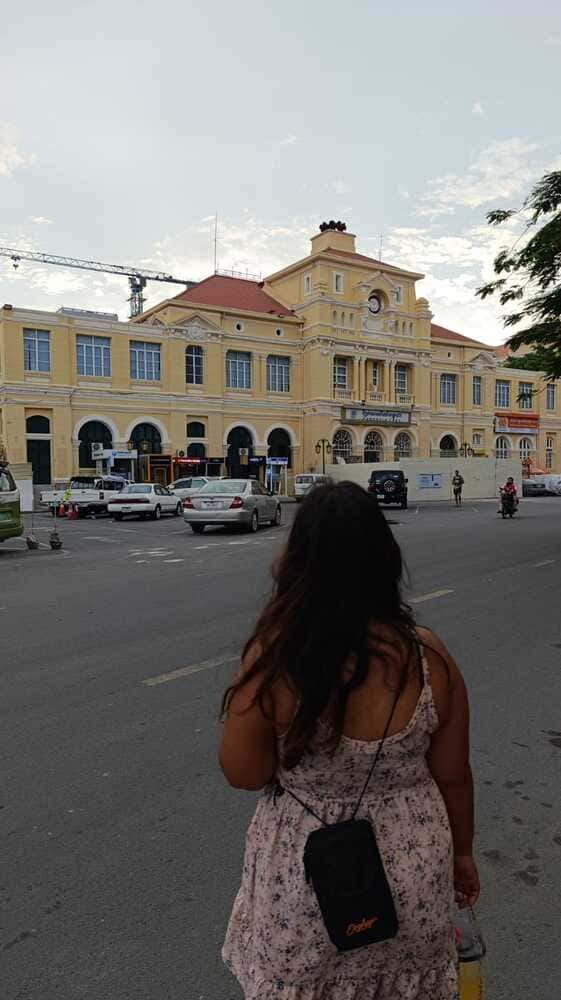
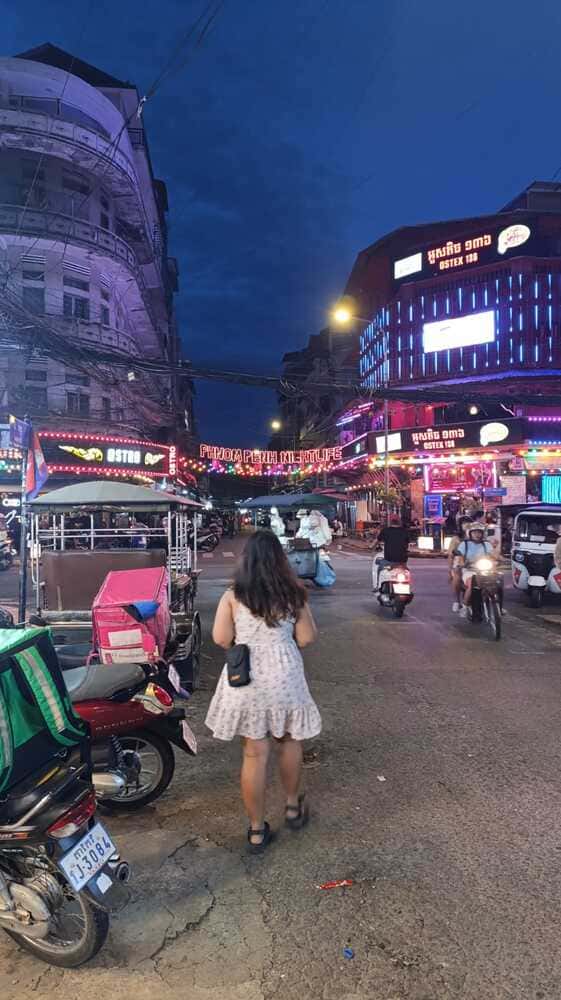
What surprised me most was how walkable parts of Phnom Penh actually are. Yes, traffic can be chaotic and sidewalks sometimes disappear, but many of the city’s major attractions are located close together. Walking allowed me to notice small details I would have missed from a tuk-tuk: monks collecting alms in the morning, locals exercising along the riverside, hidden cafés tucked between colonial buildings, and the constant mix of old and new that defines Phnom Penh today.
If you only have 2 days in Phnom Penh, this itinerary covers the city’s most important landmarks, local food, markets, and historical sites while keeping a relaxed pace.
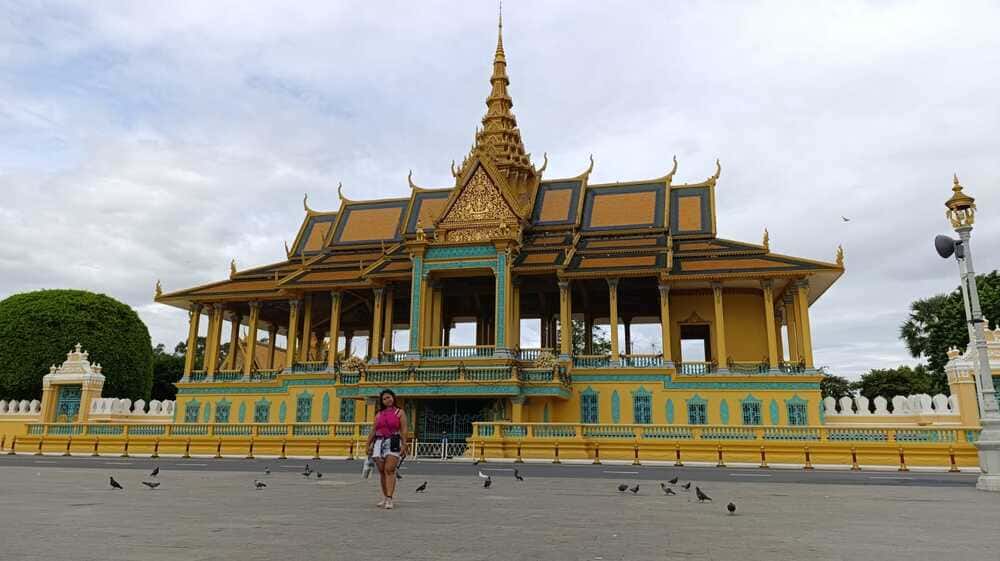
Is Phnom Penh Worth Visiting?
Yes, especially if you want to understand Cambodia beyond Angkor Wat.
Many first-time visitors wonder whether they should spend more time in Siem Reap instead. While Siem Reap is home to Cambodia’s most famous attraction, Phnom Penh offers a completely different experience. The capital is where you’ll learn about Cambodia’s royal heritage, colonial history, tragic Khmer Rouge era, and remarkable recovery.
Phnom Penh isn’t always an easy city to love immediately. It’s hot, busy, and sometimes overwhelming. But after a couple of days, it starts to reveal its character. The riverside comes alive in the evenings, local markets buzz with energy, and historical landmarks provide important context for understanding modern Cambodia.
For me, Phnom Penh ended up being one of the most interesting cities I visited in Southeast Asia.
Why I Chose to Explore Phnom Penh on Foot
Most Phnom Penh itineraries rely heavily on tuk-tuks, but I decided to walk as much as possible.
The area around the Royal Palace, National Museum, Wat Ounalom, Street 240, and Sisowath Quay is surprisingly compact. Walking allowed me to move at my own pace and discover places I wouldn’t have planned to visit.
That said, walking in Phnom Penh requires some flexibility. Sidewalks are often blocked by parked motorbikes, street vendors, or construction. Traffic crossings can feel intimidating at first. My advice is simple: walk slowly, stay predictable, and follow the locals.
If you’re comfortable walking in other Southeast Asian cities, you’ll likely have no problem exploring central Phnom Penh on foot.
Quick Facts About Phnom Penh
- Currency: Cambodian Riel (KHR), although US dollars are widely accepted
- Language: Khmer
- Best Time to Visit: November to February
- Recommended Stay: 2–3 days
- Walking Friendly: Yes, especially around the riverside and Royal Palace area
- Known For: Royal Palace, Tuol Sleng Genocide Museum, riverside promenade, markets, and Khmer cuisine
- Average Daily Budget:
- Budget traveler: $25–40 USD
- Mid-range traveler: $50–100 USD
- Comfort traveler: $100+ USD
Day 1: Royal Heritage, Riverside Walks & Cultural Sights
Morning: Royal Palace & Silver Pagoda
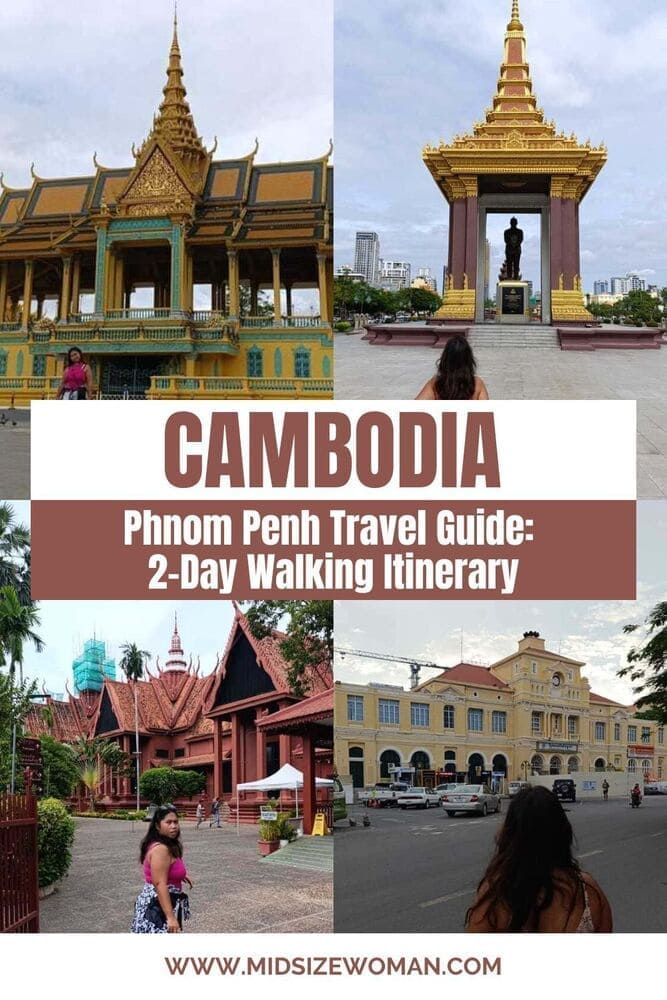
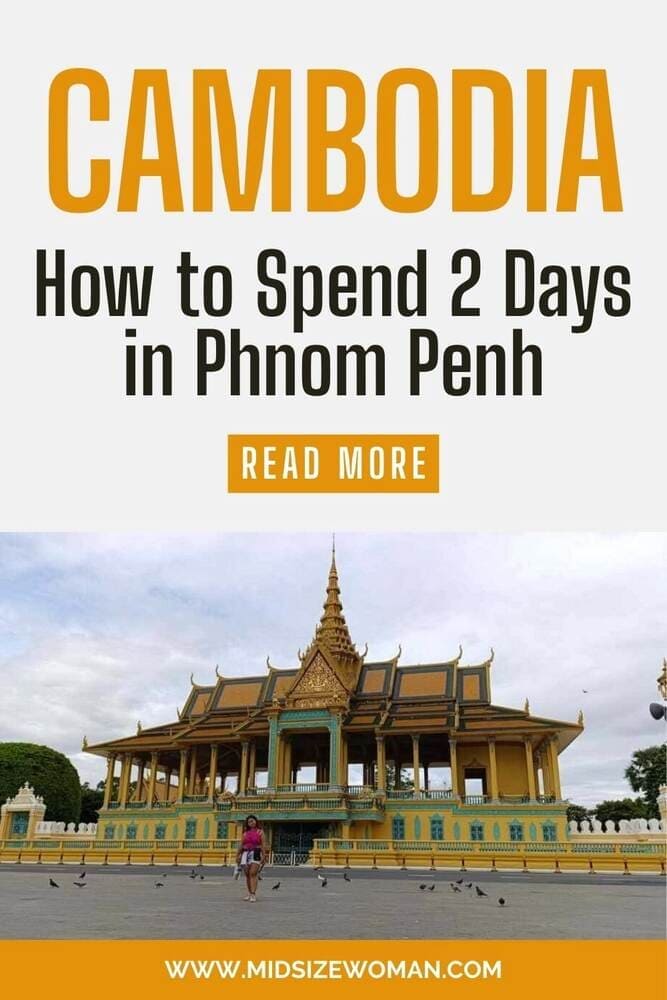
Start your day with Phnom Penh’s crown jewel: the Royal Palace. This sprawling complex is home to the Throne Hall, Moonlight Pavilion, and the Silver Pagoda, which houses priceless Buddhist artifacts.
- Opening hours: 8:00 AM – 11:00 AM, 2:00 PM – 5:00 PM
- Entry fee: ~$10 USD
- Dress code: No shorts or sleeveless tops
Better to arrive early to avoid the heat and crowds. Don’t forget to bring a hat, sunscreen, and water, there’s very little shade inside.
Late Morning: Coffee Break on Street 240
After the palace, walk north toward Street 240, a quiet, shady stretch lined with cafés and boutiques.
- ARTillery Café: Great for smoothies, vegan bowls, and chill vibes
- The Shop 240: Belgian-run bakery with fantastic coffee and pastries
This is a perfect place to cool off, do a little people-watching, and maybe pick up a local handicraft or book.
Midday: National Museum of Cambodia
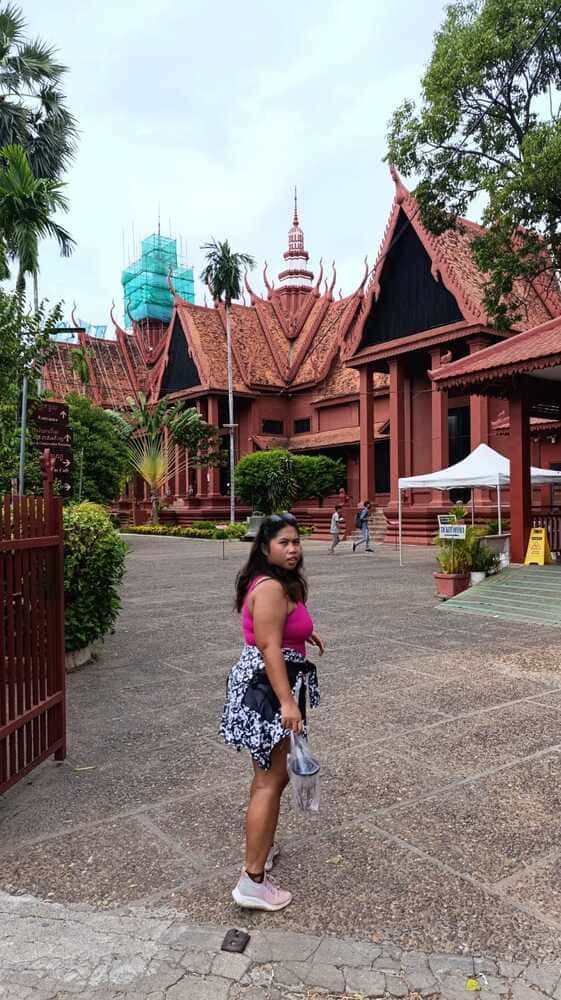
Located right across from the Royal Palace, the National Museum of Cambodia offers a fascinating look at the country’s deep history and Khmer civilization. The terracotta building and courtyard gardens are peaceful and photogenic.
- Entry fee: ~$10 USD
- Allow 45 minutes to 1 hour.
Take your time inside especially the Angkorian sculpture section.
Afternoon: Riverside Walk + Wat Ounalom
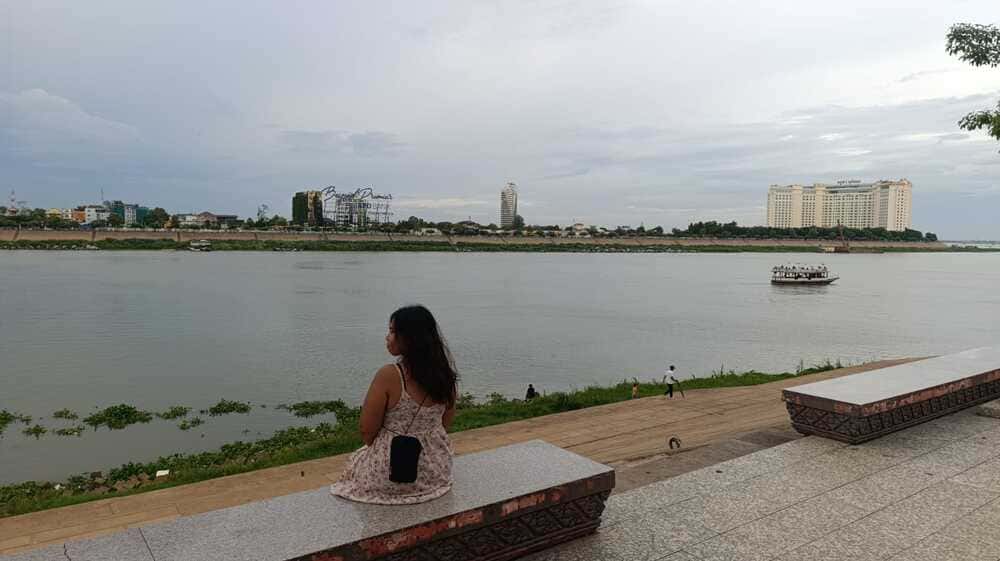
As the sun cools down, head toward Sisowath Quay, Phnom Penh’s riverside promenade. Walk north toward Wat Ounalom, one of the city’s most important pagodas, dating back to 1443.
Locals gather here in the late afternoon you’ll see monks, school kids, and street vendors selling snacks and sugarcane juice.
Evening: Dinner + Phnom Penh Night Market
After your riverside walk, you’re in the perfect spot to check out the Phnom Penh Night Market (Phsar Reatrey). It opens around 5:00 PM and is a short walk north along Sisowath Quay, right across from the river.
Here’s what you’ll find:
- Street food stalls with grilled meats, noodles, fresh fruit, and local desserts
- Souvenirs, t-shirts, and handmade crafts
- Sometimes live music or karaoke on the small stage
The food area is cash-only. Grab a few small-dollar bills and try a little of everything especially the banana pancakes and skewers. For dinner either snack your way through the market or eat first at one of the riverside restaurants (like Bopha Phnom Penh or Friends) and browse the market afterward.
End your night with a slow stroll back down the riverside it’s well-lit, breezy, and full of local life.
Day 2: History, Local Markets & Culture
Morning: Traditional Khmer Breakfast
Start your second day with a Khmer breakfast try Bai Sach Chrouk (grilled pork and rice) from a local food stall or head to a café like Brown Coffee or Backyard Café for something more Western.
Mid-Morning: Tuol Sleng Genocide Museum (S-21)
One of the most important and sobering things to do in Phnom Penh is visit the Tuol Sleng Genocide Museum, located in a former high school that became a prison during the Khmer Rouge regime.
- Entry fee: ~$5 USD, or $10 with audio guide
- Walking time: 30–35 minutes from the palace area
This visit is emotionally heavy but essential for understanding Cambodia’s recent past. Please be respectful when taking photos. Many visitors stay silent throughout the experience.
Lunch: Romdeng or Khmer Surin
After Tuol Sleng, head back toward the center and stop at:
- Romdeng: A training restaurant with a beautiful garden setting, known for fish amok and tarantula (yes, the fried kind).
- Khmer Surin: Traditional décor and rich Khmer curries; a good place to relax and digest emotionally after the museum.
Afternoon: Markets – Central or Russian?
Pick a market depending on what you’re into:
- Central Market (Phsar Thmey):
- Just 20 minutes walking from the palace area.
- Art Deco building with jewelry, souvenirs, and local snacks.
- Great for architecture lovers and casual browsing.
- Russian Market (Phsar Toul Tom Poung):
- 35 minutes on foot or take a tuk-tuk.
- Tighter packed, more local, better for clothes, fabrics, and street food.
Either market gives you a real sense of Phnom Penh’s daily life.
Optional: Massage or Rooftop Sunset
You’ve walked a lot. Time to reward yourself.
- Bodia Spa: Mid-range spa with amazing oil massages.
- Seeing Hands Massage: Affordable massages by trained visually impaired therapists.
- Sundown Social Club: Rooftop bar with relaxed vibes, just off Russian Market.
What to Eat in Phnom Penh
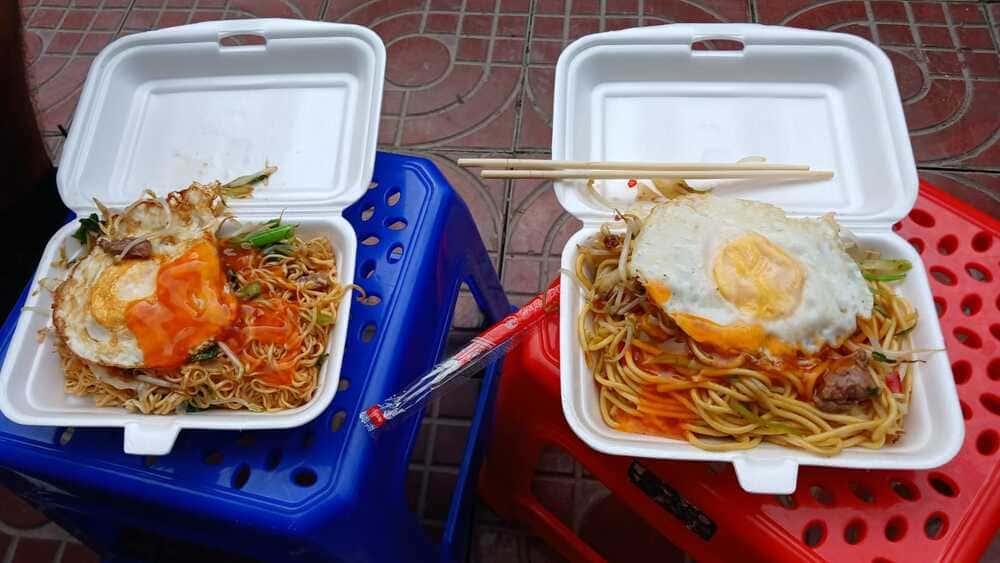
One of the things I enjoyed most about Phnom Penh was the food. While Cambodian cuisine is often overshadowed by Thai and Vietnamese food, it deserves far more attention.
- Bai Sach Chrouk: A simple but delicious breakfast made with grilled pork served over rice. You’ll find it everywhere in Phnom Penh, especially in the morning.
- Fish Amok: Often considered Cambodia’s national dish, fish amok is a creamy coconut curry steamed in banana leaves. If you’re only going to try one Khmer dish, make it this one.
- Beef Lok Lak: Tender beef served with rice, vegetables, and a tangy pepper-lime dipping sauce. It’s one of Cambodia’s most popular comfort foods.
- Khmer Curry: Unlike Thai curries, Khmer curries are generally milder and slightly sweeter, making them approachable for most travelers.
- Num Banh Chok: A traditional noodle dish often eaten for breakfast, topped with fresh herbs and a fragrant fish-based curry sauce.
Where to Stay: Central & Walkable
Look for hotels or guesthouses on or near Street 178 or 184, ideally between Sisowath Quay (the riverside) and Preah Ang Eng Street. Some solid picks:
- Plantation Urban Resort & Spa: Boutique vibes, leafy garden pool, 5-minute walk to the Palace.
- Palace Gate Hotel: Mid-range, great location right near the palace walls.
- Okay Boutique Hotel: A little kitschy but charming rooftop and very walkable.
Tips for 2 Days in Phnom Penh
- Stay hydrated: It’s easy to get dehydrated when walking around. Grab electrolyte drinks at any convenience store.
- Dress modestly: Especially when visiting temples or museums.
- Cash is king: USD is widely accepted in Phnom Penh. Always carry small bills.
- Street crossing tip: Walk slowly and predictably, the traffic will flow around you.
Frequently Asked Questions
Yes. Two days is enough to visit the city’s major attractions, learn about Cambodia’s history, explore local markets, and enjoy the riverside atmosphere.
Generally yes. Like any major city, keep an eye on your belongings and be cautious when crossing busy roads. Most visitors experience no problems.
Yes. Many of the main attractions in central Phnom Penh are within walking distance of each other, although sidewalks can be inconsistent.
Phnom Penh is known for the Royal Palace, Silver Pagoda, Tuol Sleng Genocide Museum, Wat Phnom, bustling markets, and its location along the Mekong River.
Final Thoughts
Before visiting Cambodia, Phnom Penh wasn’t the destination I was most excited about. Like many travelers, I was looking forward to Angkor Wat and didn’t expect much from the capital.
But after spending two days walking through the city, Phnom Penh ended up surprising me.
It’s not the prettiest city in Southeast Asia. The traffic can be chaotic, the heat is intense, and the sidewalks often seem optional. Yet somehow, that’s not what I remember most.
What stays with me are the quiet moments: watching life along the riverside, sipping coffee on a shady street, wandering through local markets, and learning about Cambodia’s history in places that leave a lasting impression.
Phnom Penh isn’t a city that tries to impress you at every turn. Instead, it slowly reveals itself the longer you stay.
If you only have 2 days in Phnom Penh, you’ll be able to experience the city’s royal heritage, important historical sites, local food, and everyday atmosphere. More importantly, you’ll leave with a deeper understanding of Cambodia beyond the temples of Angkor Wat.
Would I come back? Absolutely. Not because I feel like I missed the major attractions, but because Phnom Penh is the kind of place that makes me curious to see more.
Related articles:
- Is It Safe to Travel in Cambodia in 2026?
- Kampot Travel Guide: Things to Do, Day Trips & Budget Tips

Related posts:
 Kampot Travel Guide: Things to Do, Day Trips & Budget Tips
 Singapore Layover Guide: Botanic Gardens to JB on a Budget
 Chiang Rai, Chiang Mai & Mae Hong Son Loop: The Ultimate Northern Thailand Adventure
 Kota Bharu: The Full Guide to Kelantan’s Capital
 Langkawi to Satun Ferry: Malaysia to Thailand Border Crossing Guide (2026)

Leave a Reply