People often describe Nusa Lembongan as what Bali was like 20 years ago.
After spending five days on the island, I can understand where that comparison comes from but I wouldn’t take it too literally.
Nusa Lembongan is definitely quieter and smaller than mainland Bali. There are almost no normal cars, no Grab or Gojek, and much less traffic. Instead, you’ll see scooters and small pickup trucks that work as the island’s local taxis.
But quieter doesn’t necessarily mean easier.
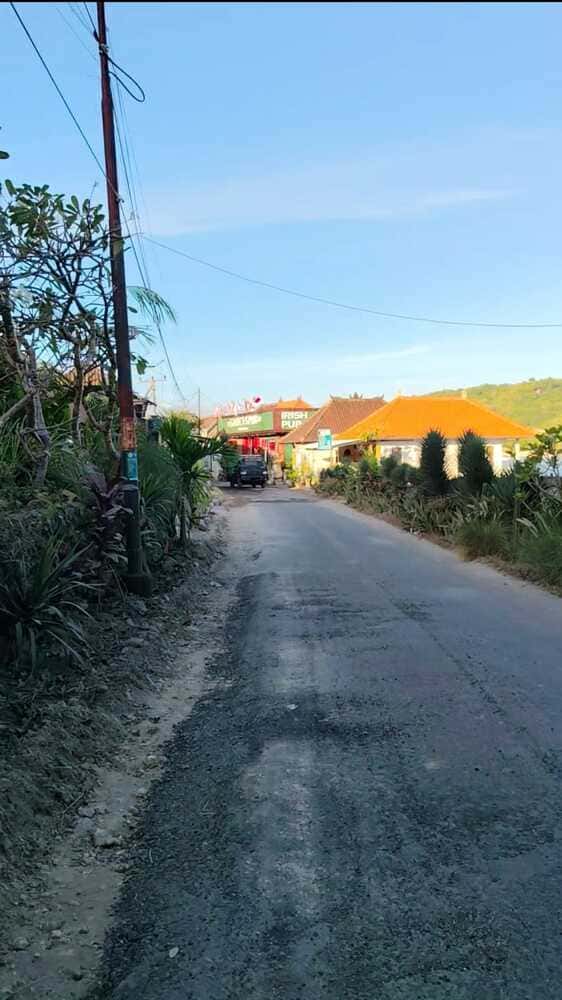
The roads are narrow, hilly, and in some areas rough enough that walking between places isn’t nearly as pleasant as the map makes it look. The island is only around 4 km from end to end, but a 2–3 km journey can involve hills, uneven roads, and very little space for pedestrians.
Then there are the beaches.
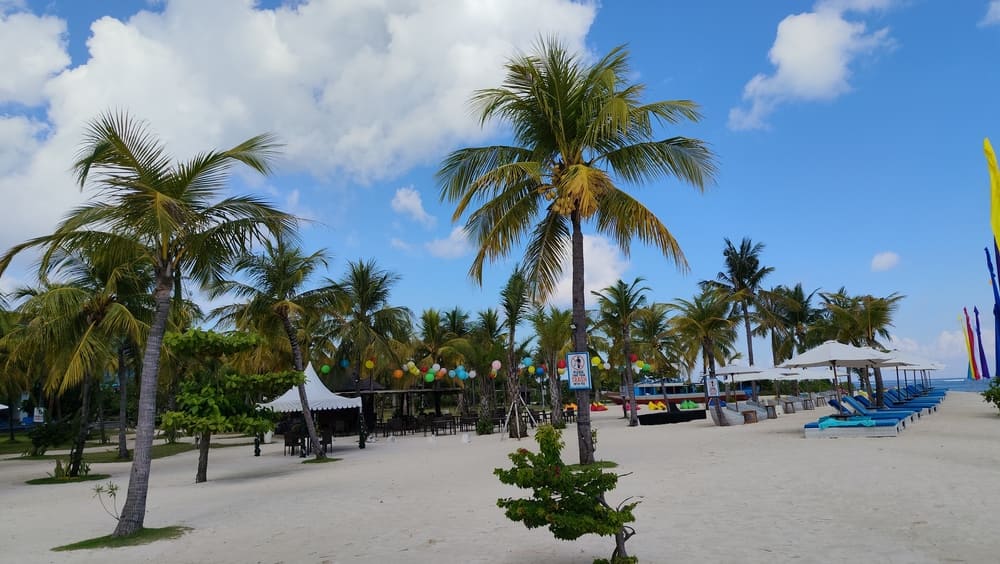
They’re beautiful, but many aren’t really the kind of beaches where you’ll spend the entire afternoon swimming. Depending on the beach, tides, waves, seaweed, boats, and currents can make the experience very different from what you might expect from the photos.
So what is Nusa Lembongan actually like?
It’s an island for diving and snorkeling, beach hopping, sunset views, scooter rides, aesthetic cafés, and doing very little in between.
I arrived in Nusa Lembongan after spending 2 weeks in Gili Trawangan, so I had another small Indonesian island fresh in my mind. The two are very different experiences, even though both are popular stops for travelers exploring the islands.
After five days, I came away thinking Nusa Lembongan is a great short island escape, but probably not somewhere I’d personally choose for several weeks of slow travel.
Here’s what surprised me, what I liked, what I didn’t, and how I’d plan a Nusa Lembongan trip differently after experiencing it myself.
Is Nusa Lembongan Really Like Bali 20 Years Ago?
This was probably the biggest question I had before visiting.
The answer is: kind of.
There are definitely parts of the island that feel much less developed than mainland Bali.
You’ll see:
- Narrow roads with very little traffic
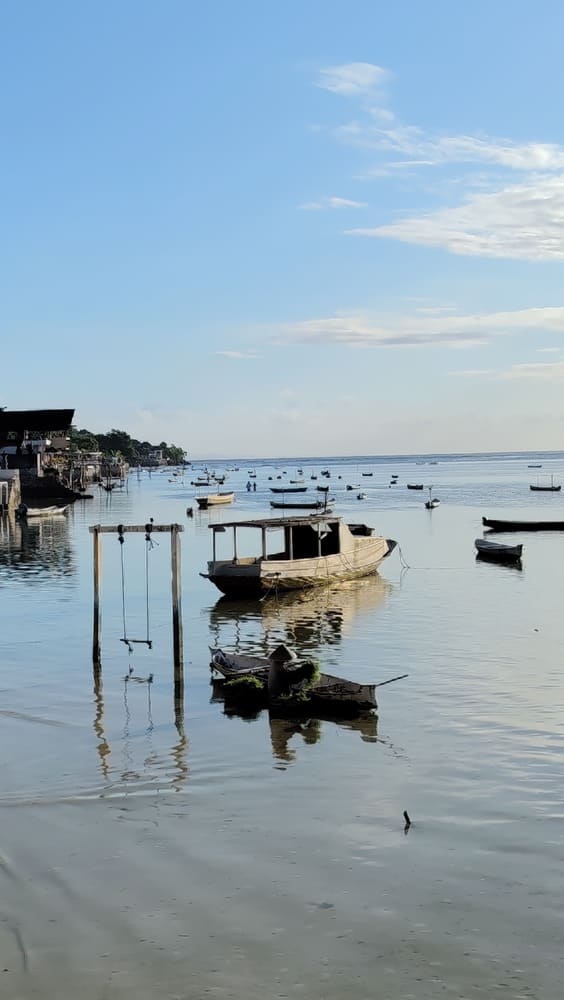
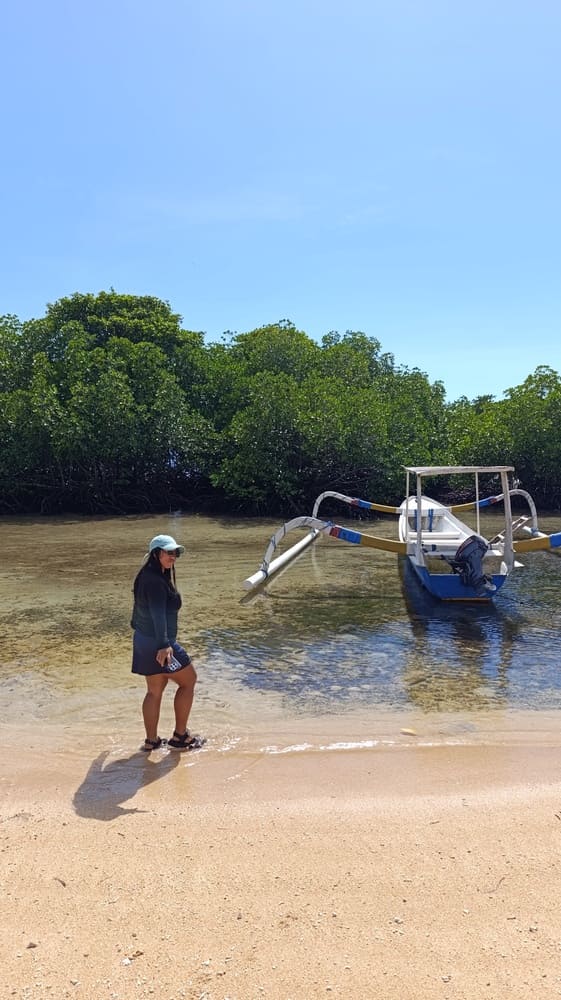
- Traditional fishing and seaweed-farming areas
- Local communities living alongside tourism
- Small warungs and family-run businesses
- Fewer large developments
- No normal taxi or ride-hailing network
- A much quieter atmosphere once you leave the main tourist areas
But Nusa Lembongan is definitely not an untouched island.
There are boutique hotels, villas, beach clubs, diving operators, restaurants, cafés, wellness businesses, fast boats, and plenty of tourists.
The main difference is scale.
Bali has developed into a huge tourism destination where you can find almost anything. Nusa Lembongan still feels like a small island where tourism exists alongside everyday local life.
So rather than saying it’s literally “Bali 20 years ago,” I’d describe it as: A smaller, slower version of Bali that hasn’t developed on the same scale. And honestly, I think that’s a much more accurate description.
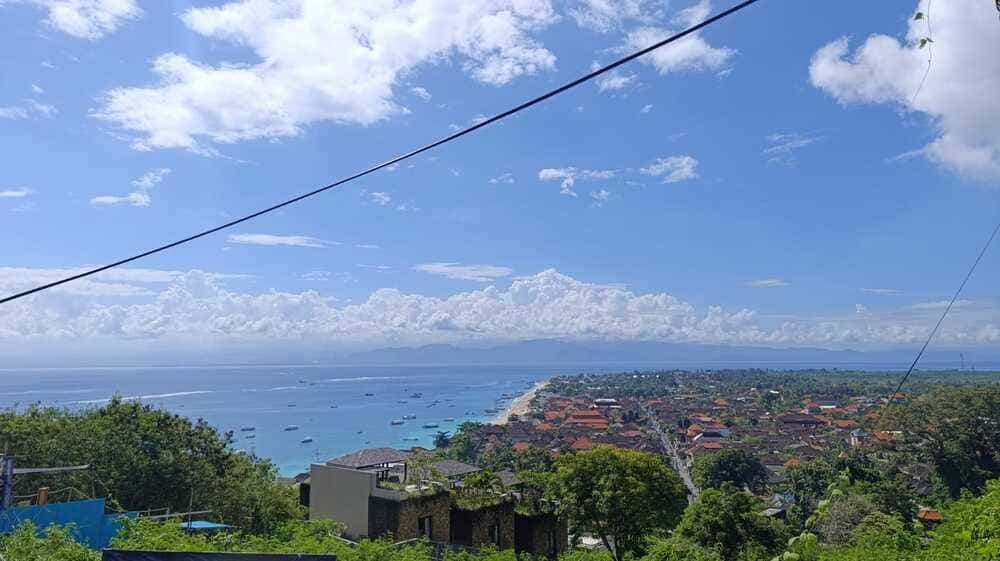
What Is Nusa Lembongan Actually Like?
The first thing you’ll notice is how small everything feels.
The island doesn’t have the constant traffic and congestion you get in many parts of Bali. Once you’re away from the busiest areas, it’s easy to find quiet roads, ocean views, and stretches of coastline where very little seems to be happening.
But the island is also quite uneven. Some areas have good paved roads, while others are narrow, bumpy, steep, or simply not designed with pedestrians in mind.
This becomes important when choosing where to stay.
If you’re staying near the main harbor in Jungut Batu, you’ll have restaurants, cafes, accommodation, and boat operators nearby.
If you’re staying closer to the Yellow Bridge or on the southern side of the island, you may find yourself relying on a scooter or local transport much more often.
On a map, everything looks close. In reality, the roads can make those distances feel much longer.
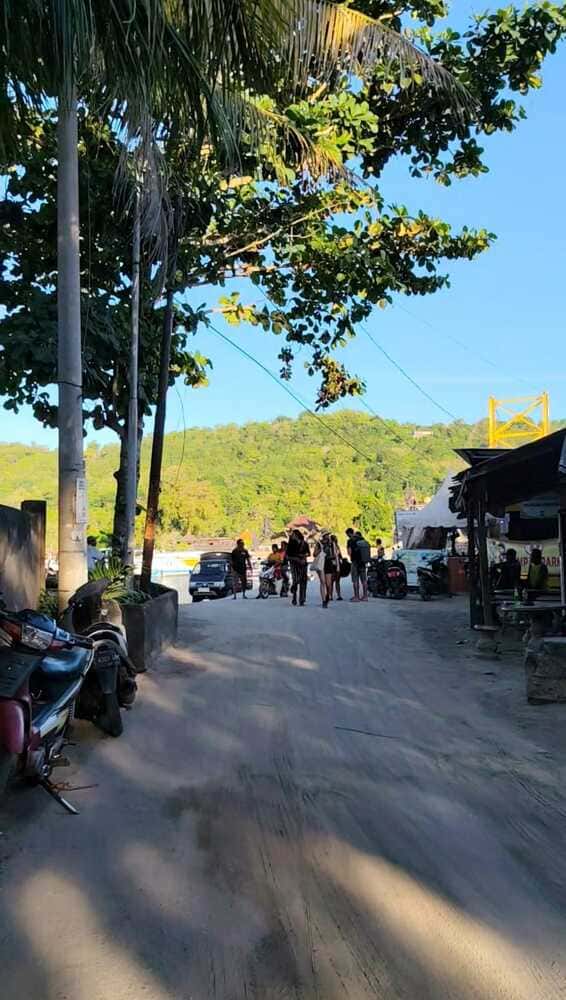
Getting Around Nusa Lembongan
This is one of the things I wish I’d understood before arriving.
There Are Almost No Normal Cars
Nusa Lembongan is essentially car-free for tourists.
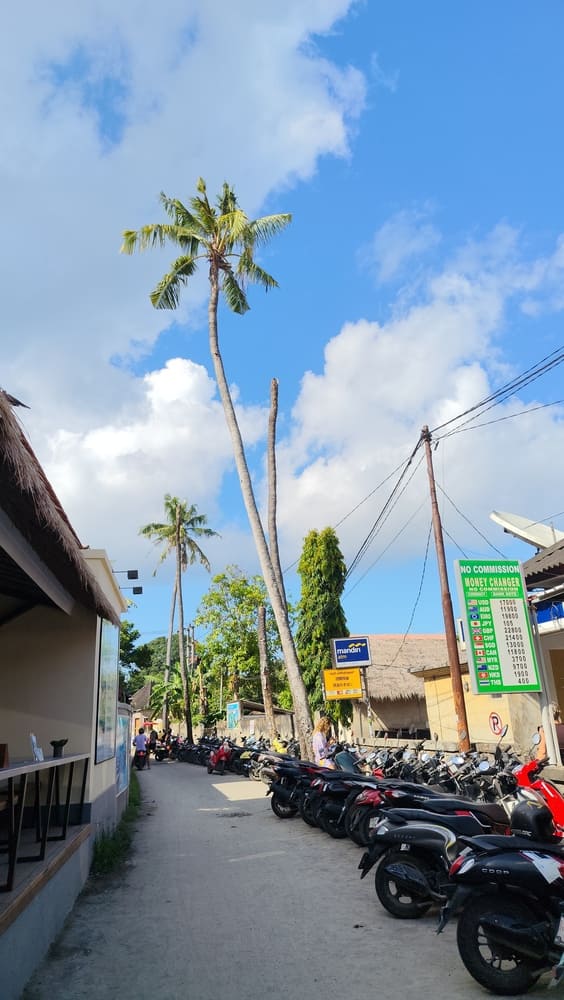
Instead, the island relies heavily on scooters and small pickup trucks that operate as local taxis. These aren’t taxis in the usual Bali sense. They’re basically small open-back trucks with seats in the back.
You’ll find them around the ports and tourist areas, and hotels can usually help arrange one.
Because there are no Grab or Gojek services like you might find on mainland Bali, you can’t simply open an app whenever you want a ride. Local pickup taxis are therefore particularly useful if you don’t want to ride a scooter.
Fares vary depending on the distance, and because you’re on a small island with limited transport options, don’t expect mainland-Bali prices.
Should You Rent a Scooter?
I would.
If you’re comfortable and properly licensed to ride, renting a scooter makes exploring Nusa Lembongan much easier.
Current guides put scooter rentals roughly around Rp75,000–150,000 per day, depending on the season and rental. Roads are generally narrow and hilly, so this isn’t the place to ride aggressively.
I especially recommend one if you’re staying around the port or near the Yellow Bridge and want to explore the other side of the island.
Walking is possible in some areas, but I wouldn’t plan your entire trip around walking. For example, a 2–3 km route might look completely manageable on Google Maps. But once you add hills, heat, uneven surfaces, and roads without proper pedestrian space, it’s a very different story.
That’s something I noticed quite quickly.
The Good Things About Nusa Lembongan
There are several things I genuinely enjoyed about the island.
The Ocean
If you love being around the water, Nusa Lembongan makes a lot of sense.
Snorkeling and diving are some of the biggest reasons people visit, and there are plenty of operators offering trips around Nusa Lembongan, Nusa Ceningan, and Nusa Penida.
If diving is your thing, you’ll have plenty of options.
If it isn’t, you can still enjoy the coastline, sunsets, viewpoints, and boat trips without spending your entire trip underwater.
Aesthetic Cafes
Nusa Lembongan has much more café culture than I expected.
You’ll find plenty of those beautiful, Instagram-friendly cafés with ocean views, smoothies, coffee, brunch, and nice interiors.
So while the island feels less developed than Bali, you definitely won’t feel like you’re completely disconnected from modern tourist comforts.
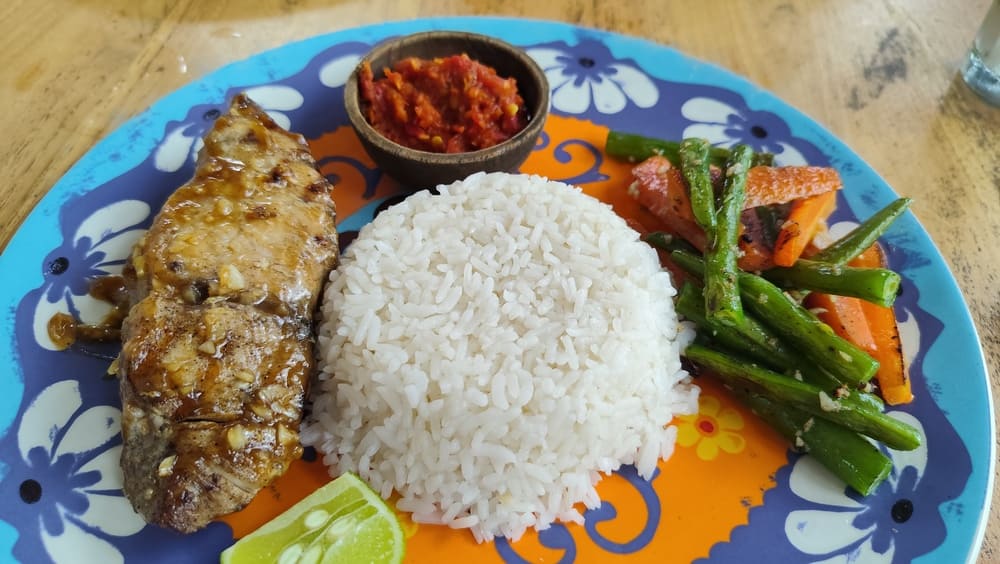
Local Food Is Still Affordable
This was another thing I liked.
You can spend quite a lot if you eat at stylish cafes and tourist restaurants all day, but local warungs still offer much more affordable Indonesian food. So you don’t necessarily need a huge daily food budget.
For me, that’s an important part of what makes an island destination enjoyable. I don’t want every meal to feel like a tourist experience.
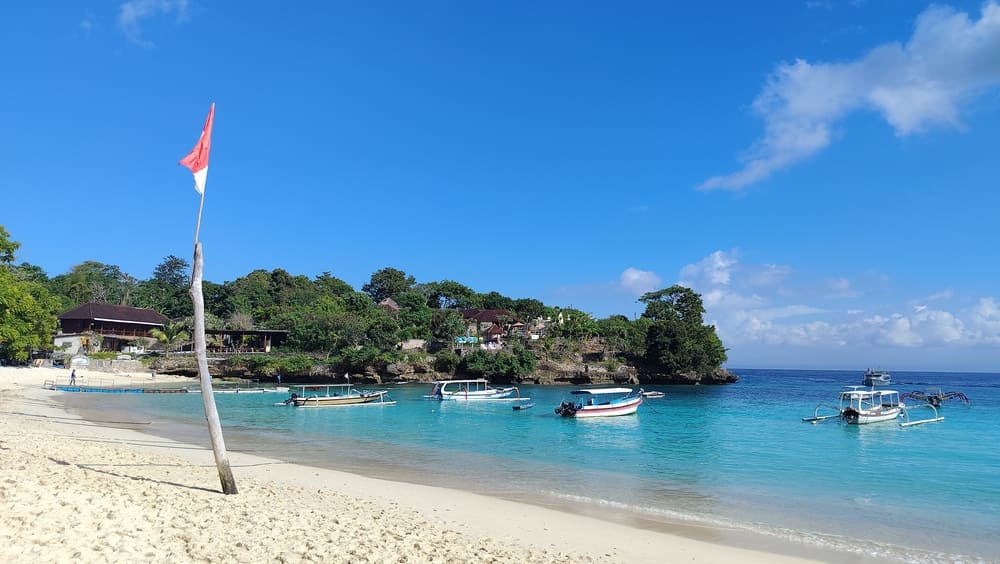
The Beaches Are Beautiful but Don’t Expect to Swim Everywhere
This is something I would definitely mention in a Nusa Lembongan guide.
The beaches look gorgeous in photos.
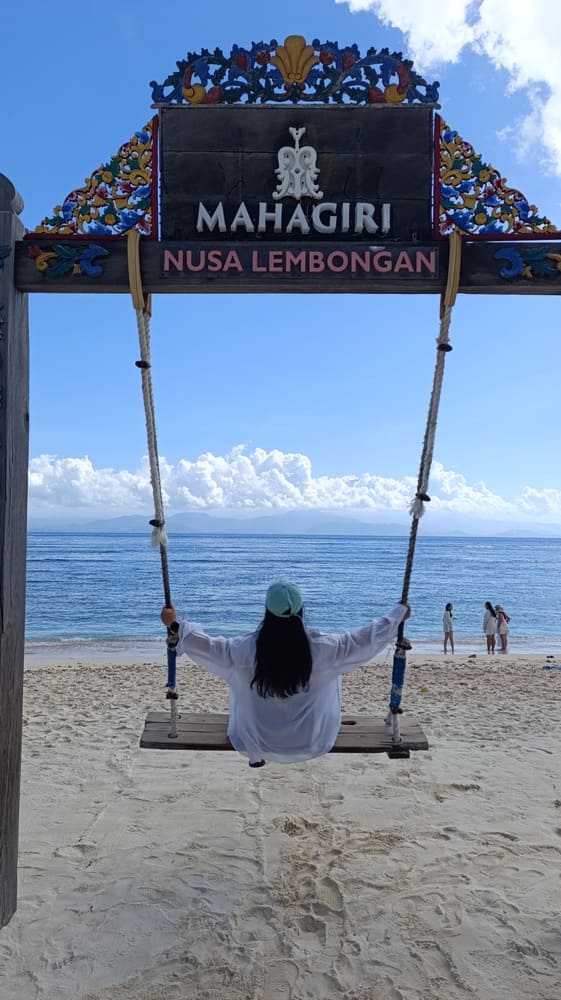
But I wouldn’t automatically choose a beach because it looks beautiful on Instagram. Some beaches are better for relaxing, taking photos, watching the sunset, or enjoying the view than actually swimming.
Tides, waves, currents, boats, and seaweed can all affect what the beach is like when you visit. So if swimming is your priority, check the conditions rather than assuming every beach will be a perfect swimming spot.
That said, the coastline is still one of the best things about being on the island.
Nusa Ceningan: Don’t Skip the Other Side of the Yellow Bridge
One of the easiest additions to a Nusa Lembongan itinerary is visiting Nusa Ceningan.
The two islands are connected by the famous Yellow Bridge, which you can cross by scooter, bicycle, or on foot.
Nusa Ceningan is even smaller and quieter, with dramatic coastal scenery, viewpoints, cafes, and beaches.
I’d set aside at least half a day to explore it rather than treating the Yellow Bridge as just a photo stop. Some of the coastal areas are more about the views than swimming, but that’s part of the appeal.
If you already have a scooter, crossing between the two islands is straightforward.
What About the Seaweed Farming?
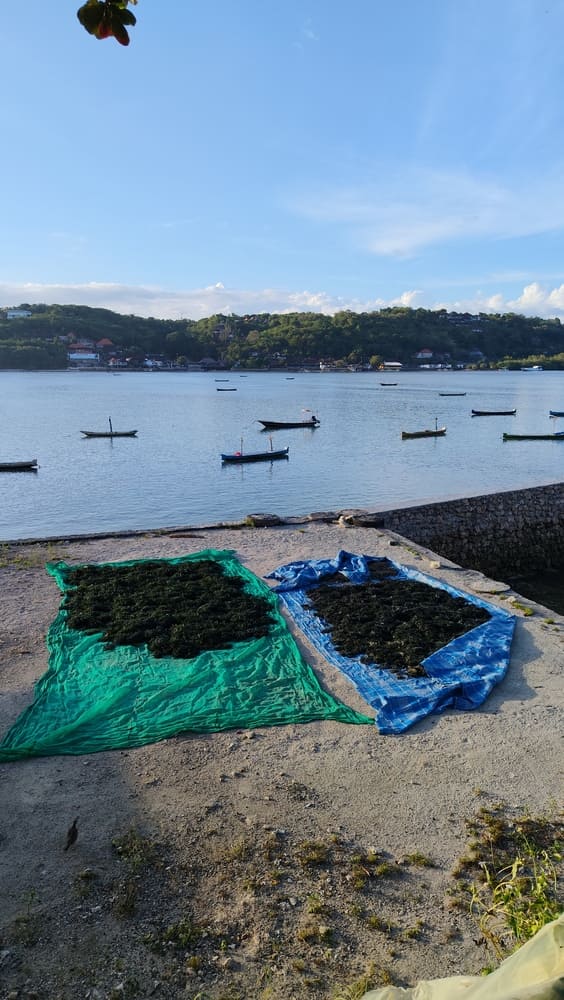
One of the more interesting parts of Nusa Lembongan is its seaweed-farming history.
Seaweed cultivation has traditionally been an important part of the local economy, particularly around Nusa Lembongan and Nusa Ceningan.
You’ll still see areas associated with seaweed farming, which gives you a glimpse of the island beyond tourism.
What surprised me was that this isn’t really developed into a major visitor experience.
I actually think there’s potential here. A responsible local tour explaining how seaweed is planted, harvested, dried, and used could be a really interesting way to learn about the island’s traditional livelihood while putting money directly into the local community. Unfortunately, that’s not really something I found available as a proper tourist experience during my stay.
For now, you’ll mostly see the remnants of that culture while exploring the island rather than through an organized tour.
Things to Do in Nusa Lembongan
You don’t need a huge checklist to enjoy the island. These are the activities I’d prioritize.
1. Go Snorkeling
Book a snorkeling trip around Nusa Lembongan, Nusa Ceningan, and/or Nusa Penida.
2. Go Diving
If you’re a diver, this is one of the main reasons to come.
There are plenty of local dive operators offering trips around the surrounding waters.
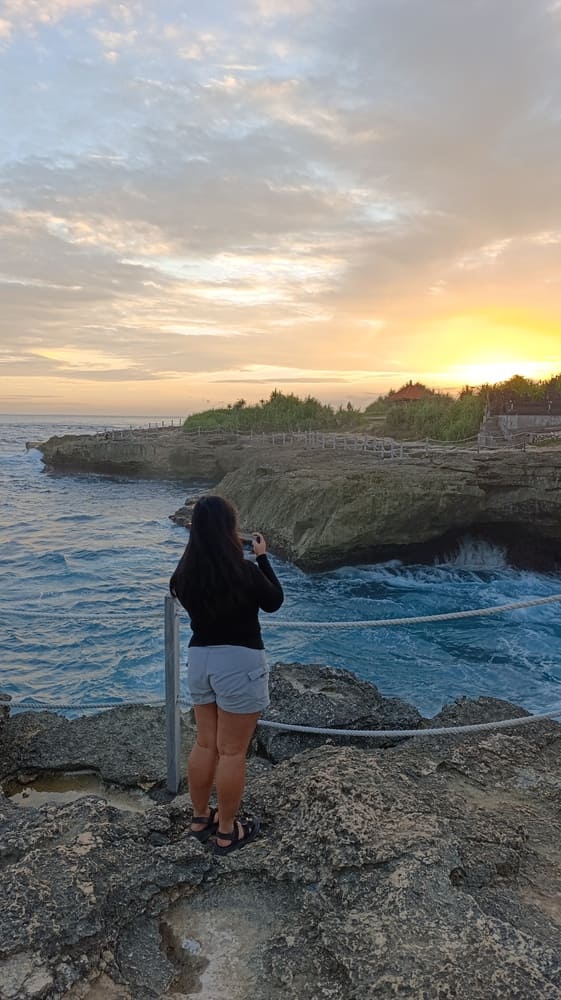
3. Visit Devil’s Tear
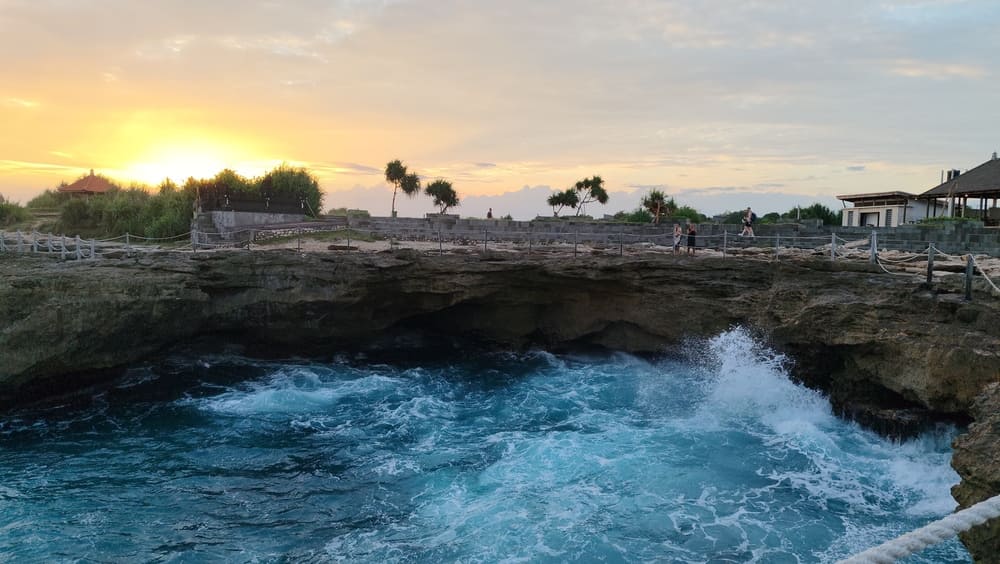
One of the island’s best-known coastal viewpoints, especially when the waves are strong.
4. Spend Time Around Jungut Batu
This is one of the most convenient areas for restaurants, accommodation, cafés, and boat connections.
5. Visit Dream Beach
Beautiful coastline and a popular stop, although swimming conditions can vary.
6. Cross the Yellow Bridge
Use it to continue to Nusa Ceningan and explore beyond Lembongan.
7. Cafe Hop
If you like aesthetic cafes, you’ll have plenty to explore.
8. Watch the Sunset
Some of my favorite moments were simply sitting somewhere overlooking the water rather than doing another organized activity.
How Many Days Do You Need in Nusa Lembongan?
For most travelers, I’d recommend 2–3 days.
2 Days
Enough for:
- Nusa Lembongan highlights
- One snorkeling or diving trip
- A few beaches
- Sunset
- Nusa Ceningan
3 Days
This is probably my sweet spot.
You have enough time to explore without constantly checking the clock, while still keeping the trip short enough that the island’s limited infrastructure doesn’t become frustrating.
4–5 Days
I’d only stay this long if you genuinely enjoy island life.
If you love diving, snorkeling, beaches, cafes, reading, relaxing, and having very little on your schedule, five days can work. I stayed for five days.
But personally, I didn’t feel like I needed five days.
Where Should You Stay in Nusa Lembongan?
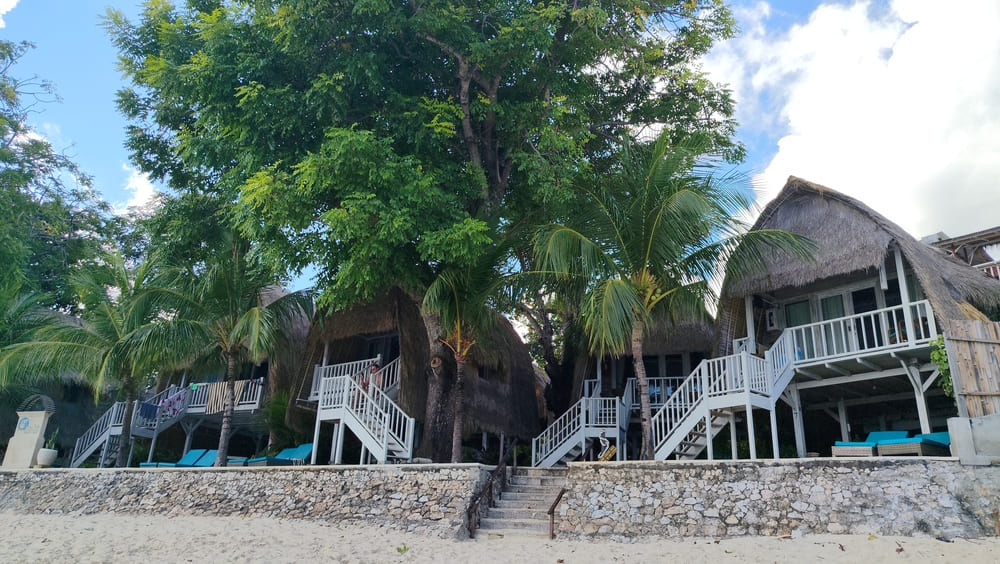
Where you stay makes a bigger difference here than you might expect.
Jungut Batu
Best for first-time visitors.
This is where I’d stay if convenience matters. You’ll have plenty of restaurants, cafés, accommodation, boat operators, and access to the beach.
It’s also useful if you’re arriving by fast boat.
Mushroom Bay
Best for a more resort-style stay.
This area is quieter and has more of a beach-holiday atmosphere. It’s a good choice if your priority is relaxing rather than being close to lots of restaurants.
Near the Yellow Bridge
Best for exploring Nusa Ceningan.
The location is convenient if you plan to spend a lot of time on the southern side of Lembongan and across the bridge. The downside is that you’ll probably want a scooter or local transport because walking to other areas isn’t particularly pleasant.
How to Get from Nusa Lembongan to Sanur
After Nusa Lembongan, I continued to Sanur, which was a completely different experience.
The fast boat journey is short, usually around 30–45 minutes, depending on the departure point and operator. Boats leave from places including Jungut Batu and Mushroom Bay.
There are plenty of operators on this route, so I’d compare times before booking.
Current schedules show frequent daily departures, with some services costing around Rp190,000–200,000 one way depending on the operator and date.
If you know you’ll be continuing to Sanur, I’d book the boat ahead rather than waiting until the last minute.
Once you arrive in Sanur, you’ll notice the difference immediately. There are more restaurants, shops, cafes, proper roads, transport options, and generally more convenience.
That’s actually one of the reasons I prefer Sanur for longer stays.
Nusa Lembongan vs Sanur: Which Would I Choose?
For me, this is easy.
| Nusa Lembongan | Sanur | |
|---|---|---|
| Atmosphere | Small island | Relaxed beach town |
| Beaches | More natural/island feel | Easy beachfront access |
| Restaurants | Enough for a short stay | Much more choice |
| Transport | Scooter/local pickup trucks | Much easier |
| Walking | Limited in some areas | Much easier |
| Diving/snorkeling | Excellent | Easy to arrange |
| Cafés | Plenty, but limited compared with Bali | Lots of options |
| Long stay | Not my favorite | My choice |
| Short escape | Excellent | Good |
If I wanted three days of island life, I’d choose Nusa Lembongan. If I wanted to stay for a few weeks, I’d choose Sanur.
And that’s probably the simplest way I can explain my experience. I like quiet places.
But I also like having a supermarket, cafes, restaurants, easy transportation, and somewhere pleasant to walk without thinking about the road conditions.
Nusa Lembongan gave me plenty of the first and less of the second.
Who Will Love Nusa Lembongan?
I’d recommend Nusa Lembongan if you:
- Love diving or snorkeling
- Want a quieter alternative to mainland Bali
- Enjoy beaches and ocean views
- Like exploring small islands by scooter
- Enjoy cafés and relaxed afternoons
- Want to escape Bali’s traffic
- Are happy with fewer restaurants and entertainment options
- Want a short island getaway
You might not love it if you:
- Need lots of convenience
- Prefer walking everywhere
- Don’t ride a scooter
- Get bored easily
- Want lots of nightlife
- Plan to stay for several weeks
Is Nusa Lembongan Worth Visiting?
Yes but I’d visit with the right expectations.
Nusa Lembongan isn’t an untouched tropical paradise, and I wouldn’t describe it as literally being Bali 20 years ago.
But it is smaller, quieter, and less developed than much of mainland Bali. That’s exactly what makes it interesting.
You can spend the morning snorkeling, eat an affordable local lunch, ride across the Yellow Bridge, stop at an aesthetic café, watch the sunset, and still feel like you’re on a small island rather than in one of Bali’s major tourist centers.
The downside is that the same lack of development that creates the island’s charm can also make things less convenient.
The roads aren’t always pleasant. Walking isn’t always practical. There isn’t Grab or Gojek. And after a few days, you may feel like you’ve already seen most of what the island has to offer.
For me, that’s why 2–3 days feels about right.
I enjoyed my five days, but if I were planning the trip again, I’d probably spend a little less time here and more time somewhere like Sanur, where I can still have a relaxed atmosphere without giving up everyday convenience.
Nusa Lembongan FAQ
Some beaches are suitable for swimming, but don’t assume every beach is. Conditions can change depending on tides, waves, currents, boats, and seaweed. Nusa Lembongan is particularly well known for snorkeling and diving rather than simply spending every day swimming at the beach.
The main things to do include snorkeling, diving, visiting Devil’s Tear, exploring Dream Beach and Jungut Batu, crossing the Yellow Bridge to Nusa Ceningan, visiting cafés, and watching the sunset. You don’t need a packed itinerary to enjoy the island.
It depends on what you’re looking for. Nusa Lembongan is smaller and generally easier to explore, while Nusa Penida is larger and better suited to travelers who want dramatic viewpoints and more extensive sightseeing. For a relaxed short island escape, I’d personally choose Nusa Lembongan.
You don’t absolutely need one, but I think having a scooter makes exploring much easier if you’re licensed and comfortable riding. The island is small, but the roads can be hilly and uneven, and some distances that look short on a map aren’t particularly enjoyable to walk.
Final Thoughts
After five days in Nusa Lembongan, I understand why people compare it to the Bali of the past.
There are fewer cars, less traffic, smaller roads, traditional local industries, and a much slower pace.
But it’s not frozen in time. Tourism is already a major part of island life, and you’ll find beautiful cafés, villas, diving companies, beach clubs, restaurants, and fast boats bringing visitors in every day.
For me, that’s not necessarily a bad thing.
I actually liked having some modern comforts while still being able to escape the busier side of Bali. I just wouldn’t choose Nusa Lembongan for a long slow-travel stay.
Give me 2–3 days, a scooter, a snorkeling trip, some good local food, a few cafes, and a sunset and I’m happy. Then I’ll head back to somewhere like Sanur where I can slow down without feeling like I’m too far from everything.
Also Read:
- One Month in Bali: My Honest Slow Travel Guide (Budget, Digital Nomad & Local Tips)
- Bali vs Phu Quoc: Which Is Better for Digital Nomads? My Experience
- Sailing in Labuan Bajo: My Honest Guide to Komodo Island

Related posts:
 Sailing in Labuan Bajo: My Honest Guide to Komodo Island
 Yogyakarta Itinerary: How to Spend 2 Perfect Days in Jogja
 Explore Jogja Nature: Best Outdoor Things to Do in Yogyakarta
 How to Visit Tumpak Sewu Waterfall from Malang or Lumajang (Full Guide + Tips)
 Bali vs Phu Quoc: Which Is Better for Digital Nomads? My Experience