After several weeks of fast-paced travel in Japan, I was looking for somewhere I could stay longer, work remotely, and take things a little slower. That’s how I ended up spending 28 days in Phu Quoc, Vietnam.
Rather than trying to see every attraction, I used my time on the island to settle into a routine of work, beach walks, scooter rides, and exploring different parts of Phu Quoc at my own pace.
In this guide, I’ll share my experience living in Phu Quoc as a digital nomad, including where I stayed, what the internet was like, how I got around, and whether I’d recommend it for remote workers and slow travelers.

Why I Chose Phu Quoc for Slow Travel
Before arriving in Phu Quoc, I mostly knew it as a beach destination. While researching places to stay in Vietnam, I noticed it was becoming increasingly popular with digital nomads and long-term travelers.
What appealed to me was the chance to stay somewhere with beaches, good infrastructure, and enough cafes and restaurants to support a comfortable routine. Since I was planning to stay for nearly a month, I was looking for a destination that felt easy to settle into rather than somewhere packed with sightseeing.
In the end, Phu Quoc turned out to be a good place to slow down, work remotely, and explore at my own pace.
Is Phu Quoc Good for Digital Nomads?
Compare to South Vietnam cities, I think Phu Quoc is increasingly considered a potential base for digital nomads and long-term travelers in Vietnam. While it is still primarily a tourist island, it has enough infrastructure to support remote work and slower travel stays.
Internet and Remote Work Setup
In most accommodation and cafes, WiFi is generally stable enough for remote work tasks such as video calls, writing, and day-to-day online work. Mobile data is also widely available and reliable across the island, making it easy to stay connected while moving around.
Cafés in areas like Duong Dong and Sonasea are commonly used by remote workers, although dedicated coworking spaces are still limited compared to other digital nomad hubs in Southeast Asia.
Cost of living
Compared to major tourist destinations in the region, Phu Quoc sits in a mid-range price category. Accommodation options vary widely, from budget stays to resorts, which makes it flexible for different travel styles. Daily expenses such as food, coffee, and transport can be managed comfortably with a moderate budget.
Getting around
The island is not very walkable, so most long-term visitors rely on scooter rental or taxis. Renting a scooter is the most practical way to explore different beaches, cafes, and neighborhoods.
Overall suitability
Phu Quoc works best for digital nomads who prefer a slower pace, beach access, and a simple routine rather than a highly social coworking scene. It is more of a “live and work quietly” destination than a structured nomad hub.

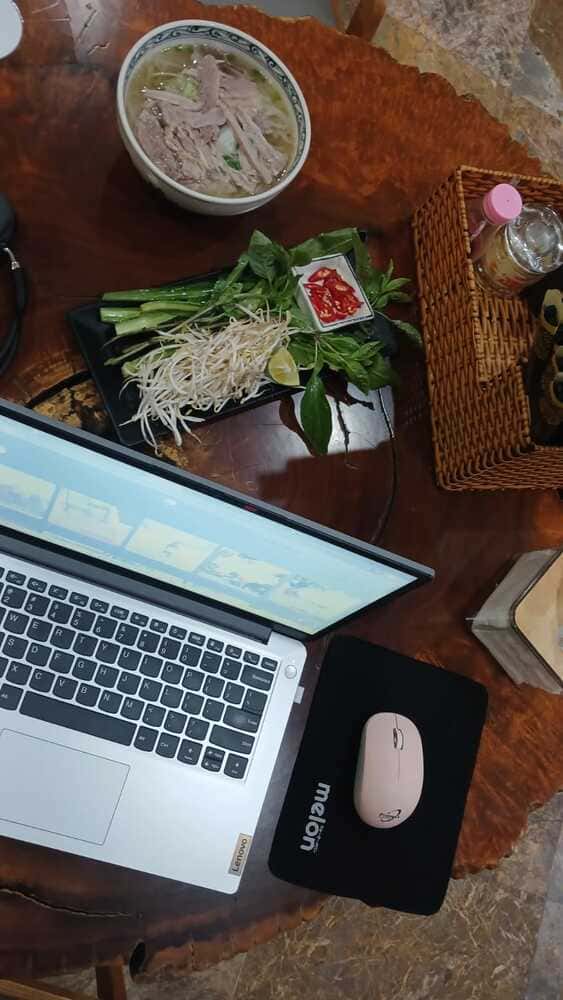
Where to Stay in Phu Quoc (Best Areas for Digital Nomads)
Phu Quoc has a few main areas that work well for different types of long-term stays. For digital nomads, the choice usually depends on whether the priority is convenience, cafés, or a quieter beach lifestyle.
Duong Dong (Central area)
- Main town and most practical base for long stays
- Highest concentration of cafés, shops, and services
- Easy access to transport and daily essentials
- Reliable internet and strong mobile coverage
- Best for convenience and working routine
Sonasea / Bai Truong
- Popular area for long-term travelers and remote workers
- Close to the beach with newer accommodation options
- Growing cafe and restaurant scene
- Generally quieter than Duong Dong
- Good balance between lifestyle and accessibility
Northern Phu Quoc
- Mostly resort-based and more isolated
- Beautiful beaches but limited infrastructure
- Not ideal for daily remote work routine
- Better suited for short stays or resort trips
Cafes and Remote Work in Phu Quoc
Cafes are the main places digital nomads work from in Phu Quoc, since dedicated coworking spaces are still limited. Most people either work from cafes or from their accommodation depending on the day.
Most cafes are located in Duong Dong and the Sonasea / Bai Truong area. The selection ranges from small local coffee shops to more modern spots, but few are designed specifically for long working sessions.
.WiFi is generally stable enough for remote work like emails, writing, and video calls. That said, speeds can vary, so it’s common to switch between a few places. Power outlets are not always available at every table, so charging can be inconsistent. A power bank or shorter work blocks are useful.
Duong Dong has the most reliable cafe options for working, while Sonasea is quieter and closer to the beach. Outside these areas, choices are limited.
Overall, Phu Quoc supports remote work, but it works better for flexible routines rather than structured coworking setups.
Getting Around Phu Quoc (Transport Guide)
Getting around Phu Quoc is fairly simple, but having your own transport makes a big difference for long-term stays. Distances between beaches, towns, and cafés can be quite spread out.
Scooter rental in Phu Quoc
- Scooters are the most common way to get around the island
- Rentals are widely available through hotels, guesthouses, and local shops
- Daily and monthly rental options are both available
- Roads are generally in decent condition, especially in central and southern areas
- Helmets are usually provided with rental
Free bus (VinBus)
- A free electric bus service operates on several routes across the island
- It connects key areas such as the airport, Duong Dong, and popular tourist zones
- Useful for budget travel or for those who do not want to ride a scooter
- Schedules are available online and at major stops, but timing can be less flexible than private transport
Practical takeaway
Scooters are the most flexible option for getting around Phu Quoc and are widely used for daily travel between cafés, beaches, and accommodation areas. The free bus is a good budget-friendly alternative on fixed routes, especially for airport transfers or longer point-to-point travel. Taxis are also available and useful for short trips or when not renting a scooter, particularly in Duong Dong and tourist-heavy areas.
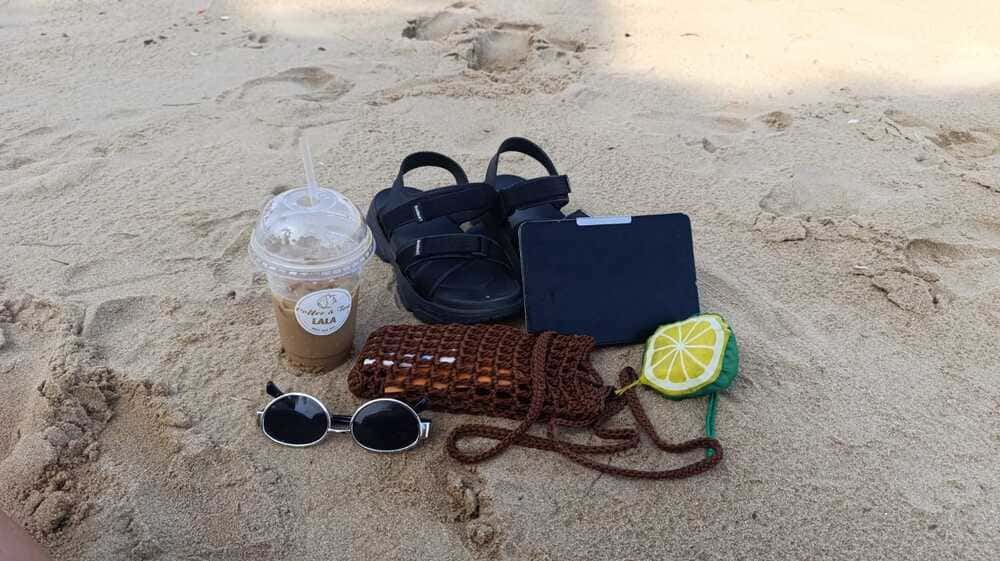
What I Did in Phu Quoc (Slow Travel Experience)
Life in Phu Quoc as a digital nomad was mostly built around a simple routine of remote work, beach time, and slow travel across the island.
Most mornings were spent working remotely from accommodation or cafés in Duong Dong and Sonasea, which are two of the main areas for digital nomads and long-term stays in Phu Quoc. The rest of the day was kept flexible depending on weather, work, and energy levels.
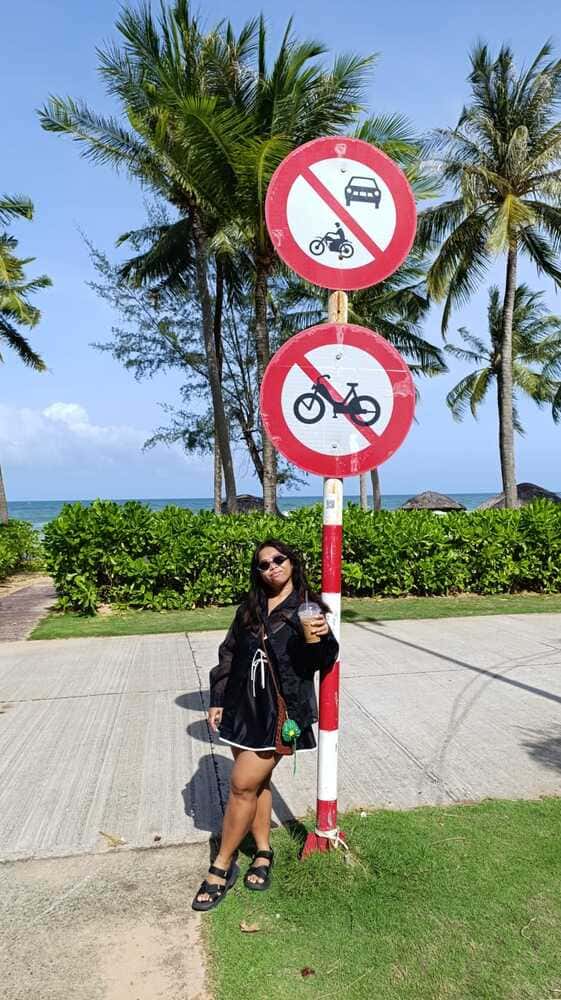
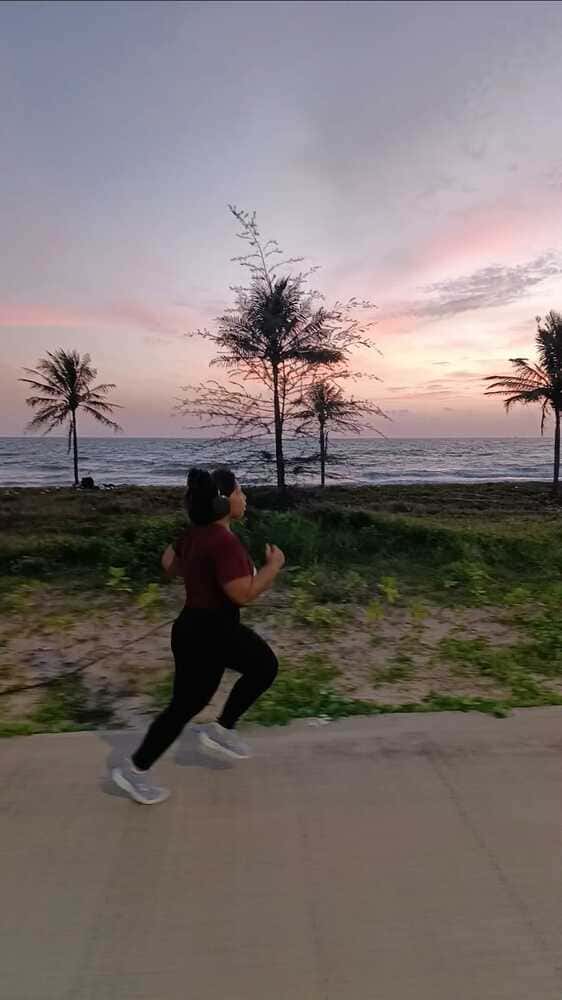
Beaches in Phu Quoc were a regular part of daily life, with visits to Long Beach, Ong Lang, and Sao Beach. Time was usually split between relaxing by the water and taking short scooter rides along the coast to explore different areas of the island.
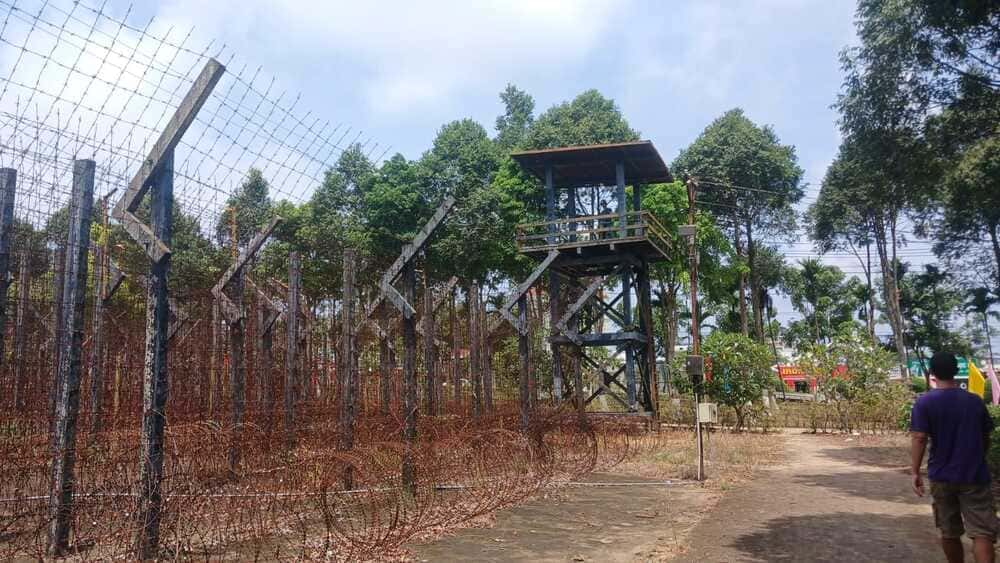
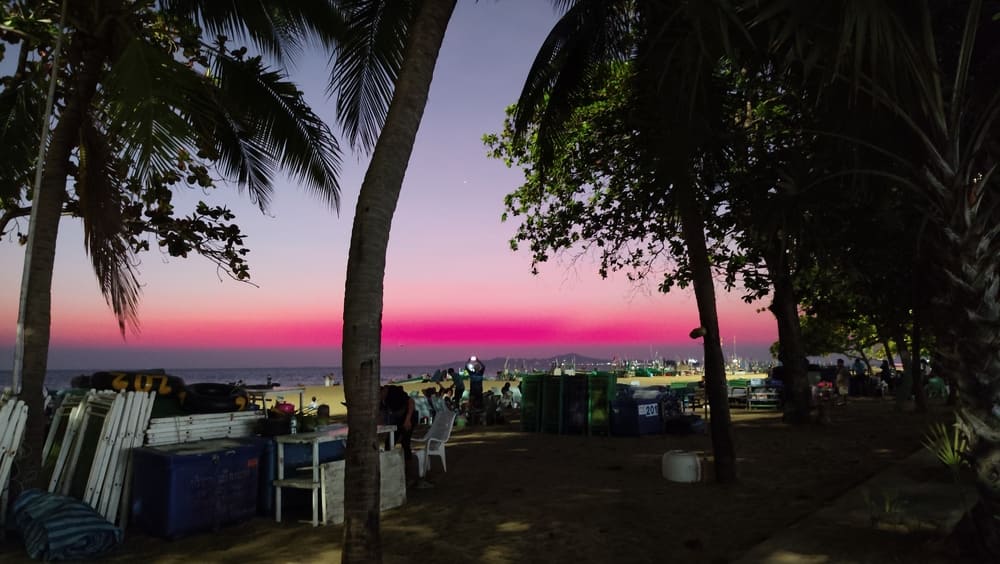
A few key places were also visited during the stay, including Duong Dong night market in the evening, Phu Quoc Prison for historical context, and Grand World for the water show and a short visit.
Overall, living in Phu Quoc for 28 days showed what a Phu Quoc digital nomad lifestyle looks like in practice, combining remote work, beaches in Phu Quoc, and a slower travel routine in Vietnam.
What I Didn’t Love About Phu Quoc
While Phu Quoc works well for slow travel and remote work, it does have a few downsides that are worth considering before staying long term.
One of the main drawbacks is that the island is quite spread out. Beaches, cafés, and accommodation areas are not close together, so getting around often requires a scooter or taxi. This can feel less convenient compared to more compact digital nomad destinations.
Another point is that Phu Quoc is still developing as a remote work hub. While WiFi is generally stable, there are limited coworking spaces and fewer laptop-friendly cafés compared to places like Bali or Chiang Mai. It feels more like a tourist island than a structured nomad base.
The island can feel very seasonal and tourist-focused, depending on the time of year. Some areas are busy with short-term visitors, while others are very quiet, which can affect the overall atmosphere.
Overall, Phu Quoc is still a good option for a slower lifestyle, but it may not suit digital nomads looking for a highly connected or social work environment.

Would I Recommend Phu Quoc for Digital Nomads?
Phu Quoc can be a good option for digital nomads, but it depends on the type of lifestyle someone is looking for.
For those who prefer a slower pace, beach access, and a simple routine focused on remote work and downtime, Phu Quoc works well as a long-stay destination in Vietnam. It is especially suitable for people who do not need a strong coworking scene or a highly social nomad community.
However, for digital nomads who rely on coworking spaces, frequent networking, or a dense cafe culture designed for working, Phu Quoc may feel limited compared to more established hubs in Southeast Asia.
The island fits best for solo travelers or remote workers who are comfortable creating their own routine, moving around by scooter, and balancing work with a quieter environment.
Overall, Phu Quoc is better suited for slow travel than for a fast-paced digital nomad lifestyle, but it can still be a comfortable place to stay for a few weeks or even a month.
Final Thoughts
Spending 28 days in Phu Quoc gave a clearer sense of what the island is like beyond a typical holiday. The experience was mostly shaped by routine, remote work, and slow travel rather than sightseeing.
For digital nomads, Phu Quoc works best as a quiet base where the focus is on simple living rather than a strong community or coworking scene. It suits people who are comfortable organizing their own schedule and combining work with low-key exploration.
Duong Dong and Sonasea stand out as the most practical areas to stay, with easier access to cafés, services, and transport options. Moving around the island by scooter also plays a key role in making longer stays manageable.
Overall, Phu Quoc is better suited for a slower, independent stay in Vietnam rather than a destination built around networking or a fast-paced remote work lifestyle.







Leave a Reply