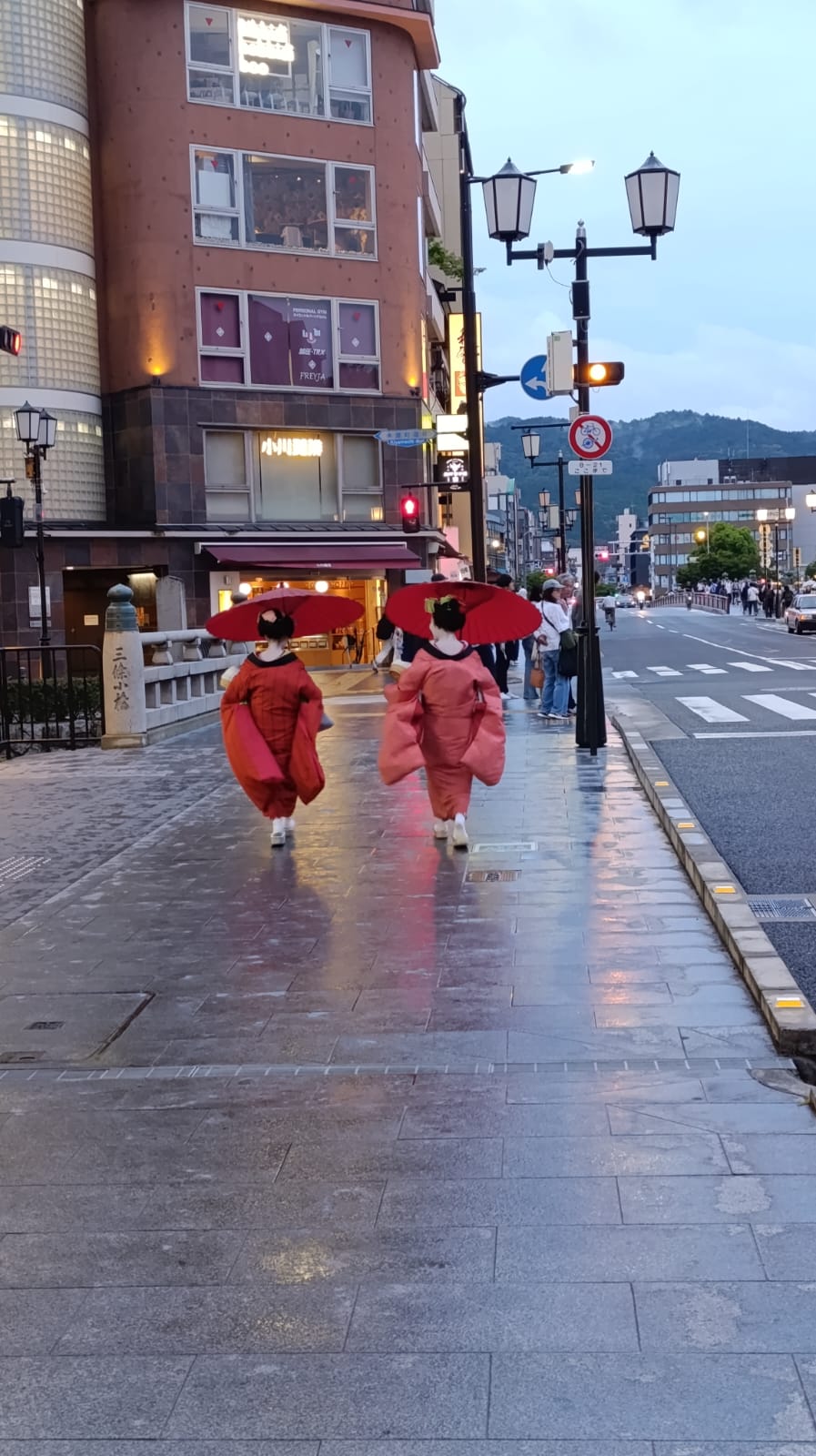
Planning a trip to Japan can feel overwhelming. With so many incredible places to visit, it’s tempting to cram Tokyo, Kyoto, Osaka, Hiroshima, Hakone, and Mount Fuji into a single trip. But after spending two weeks exploring Japan, I quickly realized that the most memorable experiences happened when I slowed down.
Instead of rushing from city to city and spending half the trip on trains, this itinerary focuses on experiencing Japan at a more comfortable pace. You’ll still visit iconic destinations like Tokyo, Kyoto, Osaka, and Mount Fuji, but you’ll also have time to wander quiet streets, linger over incredible meals, discover local neighborhoods, and appreciate the everyday moments that make Japan so special.
Whether you’re planning your first trip to Japan or looking for a more relaxed alternative to the typical tourist route, this itinerary offers the perfect blend of famous highlights and slower travel experiences.
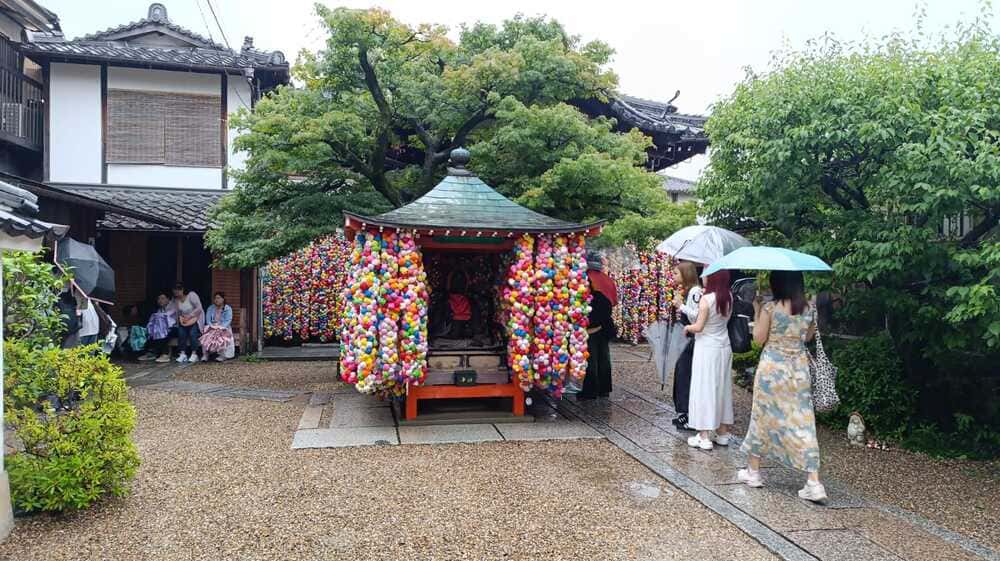
2 Week Japan Itinerary Overview
This 14-day Japan itinerary is designed to balance iconic cities with slower, more immersive travel experiences across the country.
- Days 1–2: Osaka – Street food, neon lights, and an easy introduction to Japan
- Days 3–4: Nara – Temples, deer park, and a peaceful cultural escape
- Days 5–6: Kyoto – Traditional Japan, historic districts, and iconic shrines
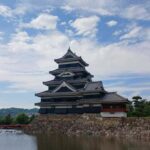
- Days 7–8: Matsumoto – Japanese Alps, Matsumoto Castle, and quieter city life
- Days 9–10: Kawaguchiko (Mt Fuji) – Lake views, hot springs, and Mt Fuji scenery
- Days 11–14: Tokyo – Modern neighborhoods, food, shopping, and endless energy
Days 1–2: Osaka – Your First Stop in Japan
Why Start in Osaka?
Osaka is one of the best places to start a 2 week Japan itinerary, especially for first-time visitors. It’s lively, welcoming, and easier to navigate than Tokyo, making it the perfect introduction to Japan.
After arriving, these first two days are less about rushing through a checklist and more about settling into the rhythm of the country, learning the trains, wandering new neighborhoods, and easing into the pace of travel.
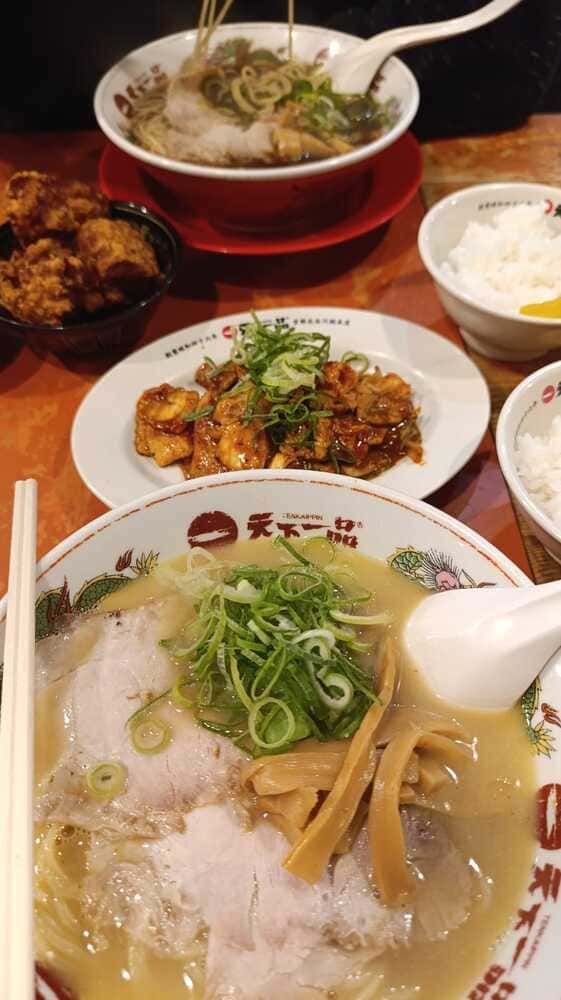
Osaka is famous for its food culture, and you’ll feel that immediately. Streets are filled with the smell of takoyaki, okonomiyaki, and grilled skewers, especially around the city’s most vibrant districts.
What to do in Osaka
- Walk through Dotonbori and experience the neon-lit canal at night
- Visit Osaka Castle for a glimpse of Japan’s feudal history
- Explore Kuromon Market for street food and local snacks
- Discover the retro vibe of Shinsekai
- Take in panoramic city views from Umeda Sky Building
Osaka works so well in a 2 week Japan itinerary because it introduces both modern Japan and traditional influences without feeling overwhelming. It sets the tone for the rest of the journey, especially before heading into the quieter cultural atmosphere of Kyoto.
Where to Stay in Osaka
Ave Tennoji Hotel 📍 Location: Right by Tennoji Station, a major hub that connects easily to the airport, Osaka Castle, Namba, and even Kyoto.
Practical Tips for Osaka
- Stay near a major station (like Tennoji, Namba, or Shinsaibashi) for easy transit across the city
- Cash is still king at many food stalls and small eateries
- Early morning or late night are the best times to explore Dotonbori without the crowds
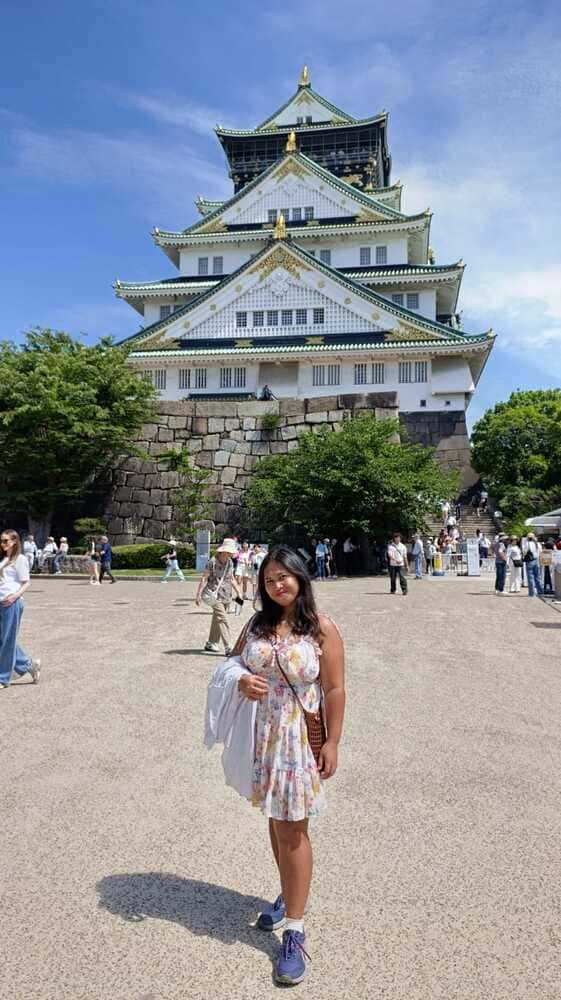

Days 3–4: Nara – A Peaceful Cultural Escape from Osaka
Nara is a short train ride from Osaka and a common stop on a 2 week Japan itinerary. It’s much quieter than Osaka or Kyoto and is often visited as a day trip, though staying a night gives you more time to explore without the crowds.
The city is small and walkable, with most of the main sights close together.
What to do in Nara
- Walk through Nara Park and see the free-roaming deer
- Visit Tōdai-ji Temple and the Great Buddha
- Stop by Kasuga Taisha Shrine and its forest paths
- Explore the old streets in Naramachi
Nara works well as a break between bigger cities like Osaka and Kyoto. It’s a slower stop with a focus on temples, parks, and open space rather than a packed itinerary.
Where to Stay in Nara
While many travelers do a quick day trip, I recommend staying overnight, enjoy the calm atmosphere and explore Nara at a relaxed pace.
Practical Tips for Visiting Nara
- Take the JR Yamatoji Line from Osaka
- Walk or rent a bike, most attractions are close
- Pack water, especially in warmer months, the park is big
- Bring coins for small shrine donations and snacks

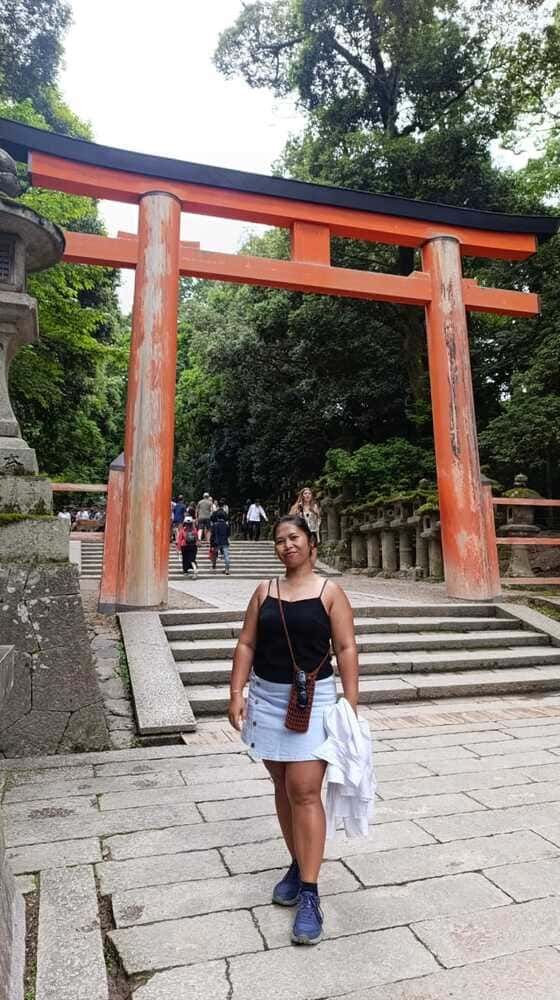
Days 5–6: Kyoto – Temples, Shrines, and Traditional Streets
Kyoto is one of the main highlights in any 2 week Japan itinerary. It’s where most people come to see traditional Japan, with historic temples, shrines, and neighborhoods that feel very different from Osaka or Tokyo.
Two days in Kyoto is enough to see a mix of the most popular areas, though the city is large and spread out, so planning your time by area helps.
What to do in Kyoto
- Walk through Fushimi Inari Taisha and its torii gates
- Visit Kinkaku-ji (Golden Pavilion)
- Explore Arashiyama Bamboo Grove and nearby river area
- Spend time in Gion, especially in the early evening
- Visit Nishiki Market for local food
Kyoto is one of the most important stops on a 2 week Japan itinerary because it gives a clear contrast to Japan’s modern cities. Even with just two days, you get a good sense of its traditional side.
Where to Stay in Kyoto
Kyoto deserves more than just a day visit, I recommend staying a couple of nights.
📍 Smart Place Inn Kyoto Shijo Omiya
Practical Tips for Kyoto
- Buses reach many temples, but walking is the best way to absorb the atmosphere.
- Visit popular sites early or late to avoid crowds.

Days 7–8: Matsumoto – A Quieter Stop in the Japanese Alps
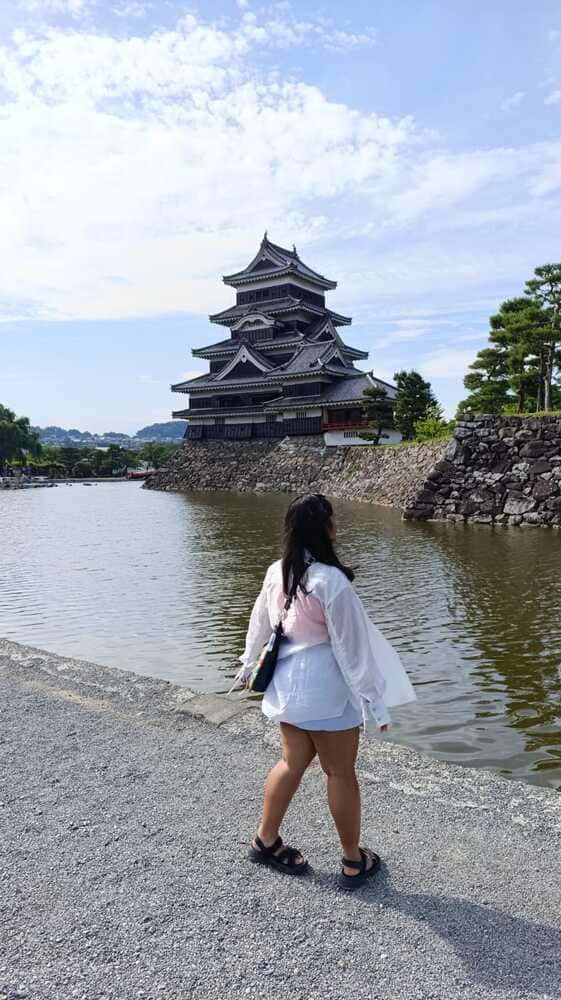
Matsumoto is a less common stop on a 2 week Japan itinerary, but it works well as a break between Kyoto and the Fuji area. It’s smaller, less crowded, and surrounded by mountain scenery.
The city is best known for its castle, but the overall pace is what makes it feel different from Japan’s bigger destinations.
What to do in Matsumoto
- Visit Matsumoto Castle, one of Japan’s original castles
- Walk around the historic Nakamachi Street
- Explore Nawate Street and its small shops and cafes
- Use it as a base to enjoy views of the Japanese Alps
Matsumoto adds a slower, more local feel to a 2 week Japan itinerary. It’s not a major tourist hub, but that’s part of the appeal if you want a break from the busier cities before heading toward Mt Fuji and Tokyo.
Where to Stay in Matsumoto
Practical Tips for Matsumoto
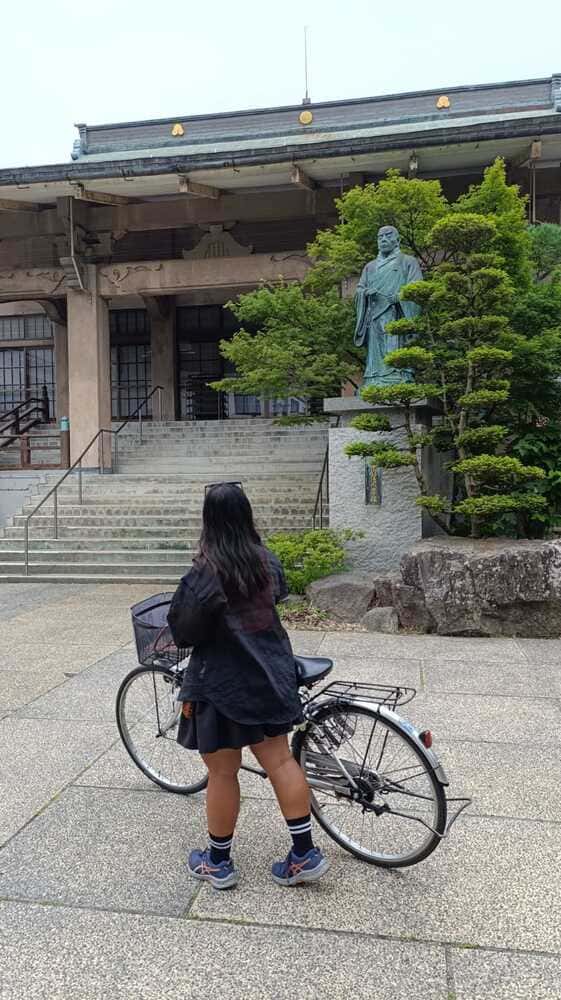
- Renting a bicycle is a delightful way to explore town and scenic canal paths.
- Try an onsen: public hot springs are plentiful and a gentle treat for tired legs after sightseeing.
Days 9–10: Kawaguchiko (Mt Fuji) – Lakeside Views and Slow Days
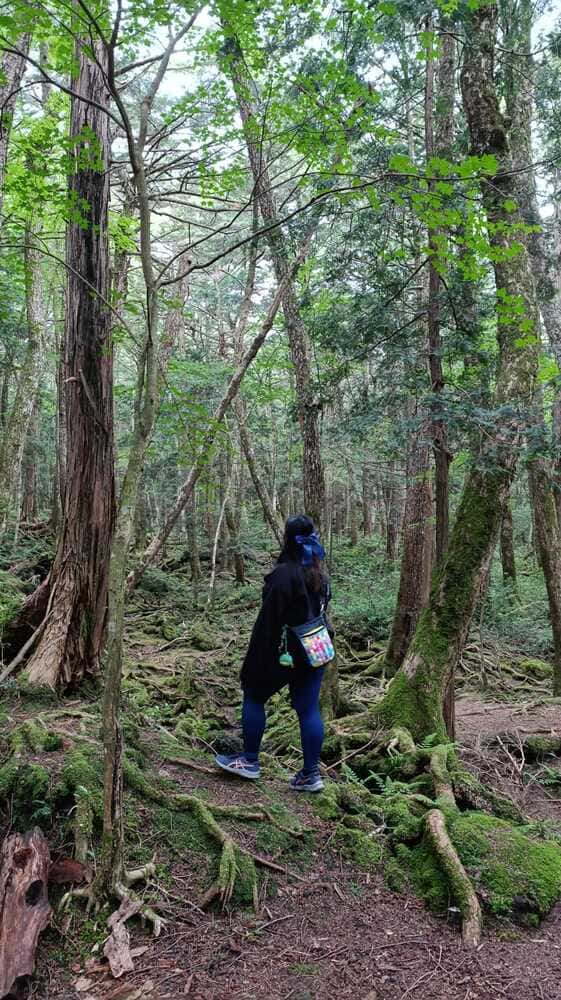
Kawaguchiko is one of the easiest places to see Mt Fuji and a common stop on a 2 week Japan itinerary. It’s a small town by Lake Kawaguchi, known for its views of the mountain (when the weather is clear) and its slower pace compared to Japan’s cities.
These two days are more relaxed, especially after moving through Kyoto and Matsumoto. The focus here is on nature, scenery, and downtime.
What to do in Kawaguchiko
- Walk along Lake Kawaguchi for views of Mt Fuji
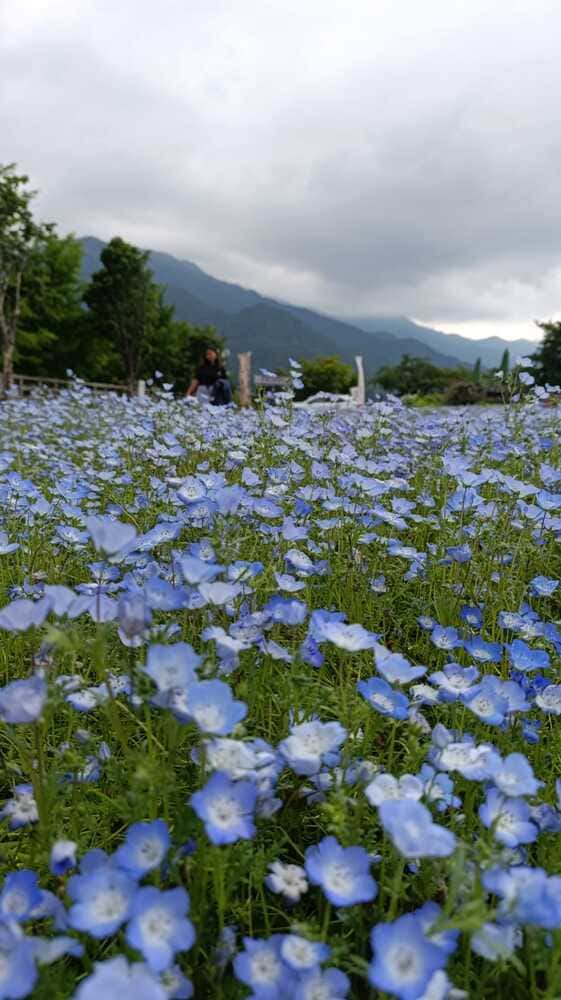
- Visit Oishi Park for lake and flower views
- Take the Kachi Kachi Ropeway for a higher viewpoint
- Relax in a onsen (hot spring)
- Explore small cafes with mountain views
Mt Fuji is often weather-dependent, so visibility is never guaranteed. Even without a clear view, Kawaguchiko still works well in a 2 week Japan itinerary for its calm atmosphere and lake scenery.
Where to Stay in Fujikawaguchiko
Practical Tips for Fujikawaguchiko
- Getting Around: Use the local buses to visit spots like Lake Kawaguchi and the Fuji Subaru Line 5th Station. A one-day bus pass saves money and makes hopping around easy.
- Best Time to Visit: Mount Fuji is clearest early mornings and in cooler months (fall to early spring). Check the weather before you go.
- Dress in Layers: It can be warm near the lakes and chilly up in the mountains. Comfortable shoes are a must for walking and hiking.
Days 11–14: Tokyo – Modern Japan, Food, and Neighborhoods
Tokyo is the final stop on this 2 week Japan itinerary and the most fast-paced part of the trip. After spending time in smaller cities and more traditional areas, Tokyo feels big, busy, and highly efficient.
The easiest way to approach Tokyo is by neighborhoods rather than trying to see everything at once. Each area has its own character, and it’s normal to only scratch the surface in a few days.
What to do in Tokyo
- Explore Shibuya Crossing and the surrounding area
- Walk through Shinjuku and its observation decks
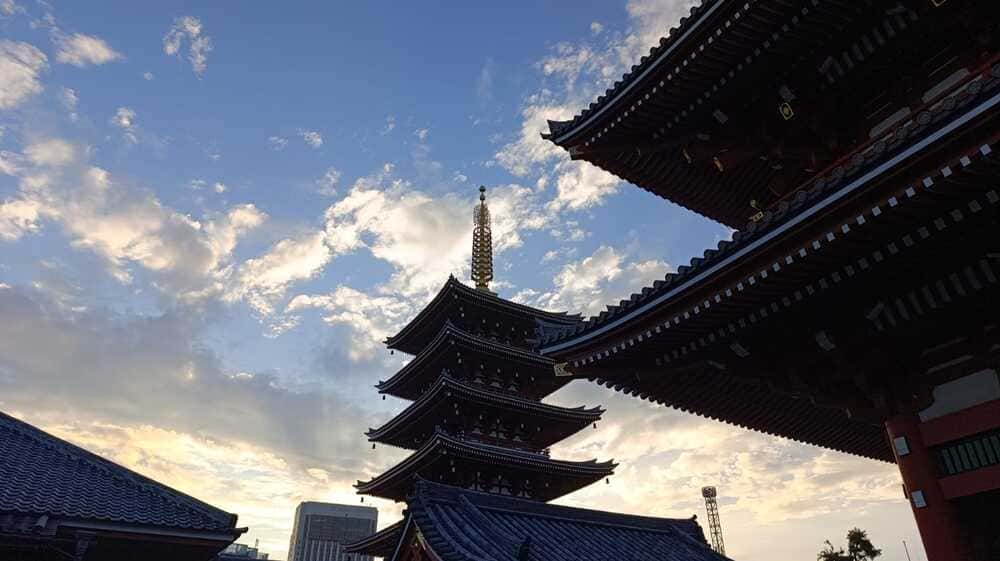
- Visit Asakusa and Senso-ji Temple
- Shop and wander in Harajuku
- Spend time in Ueno Park and museums
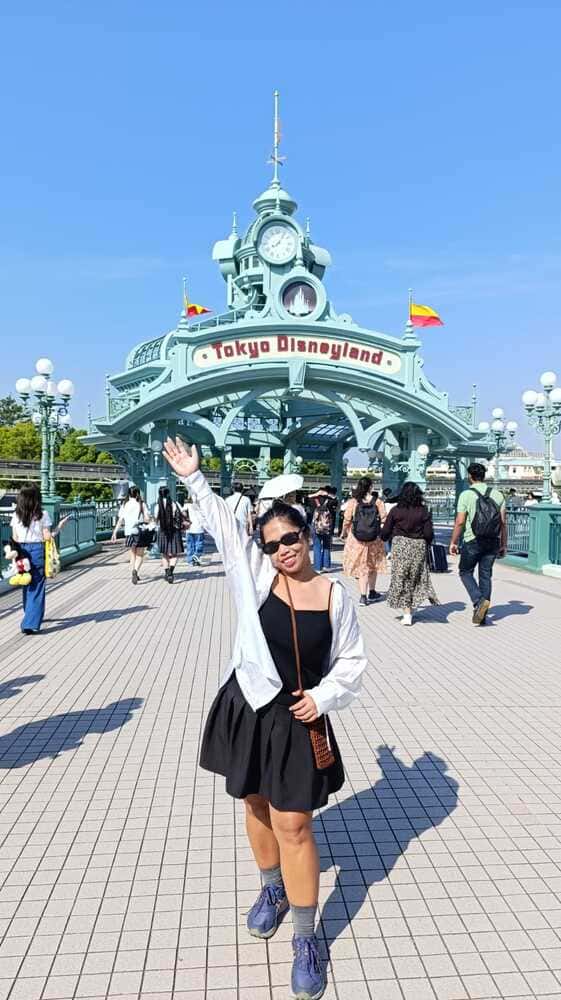
- Visit Tokyo Disneyland
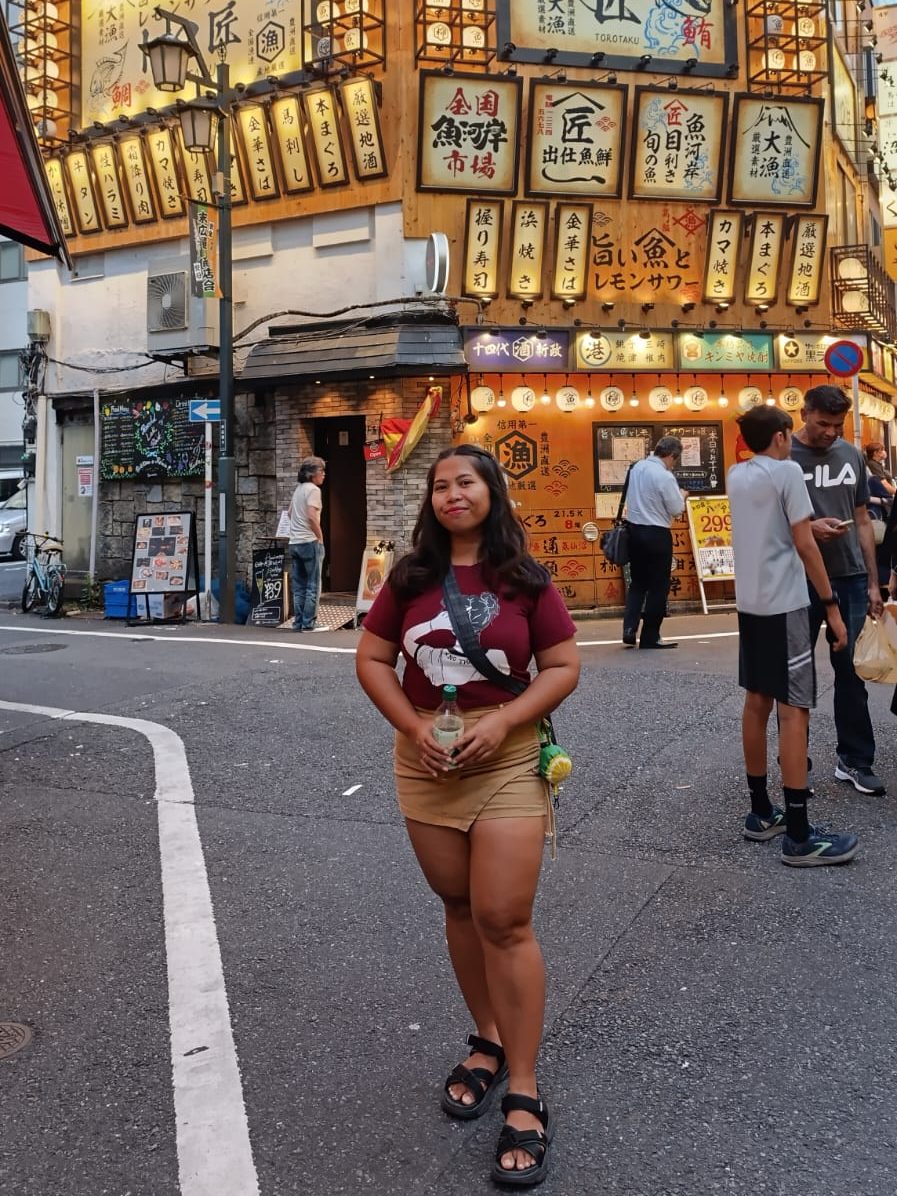
- Explore different food spots in every neighborhood
Tokyo is a good place to slow down in a different way. Instead of nature or temples, the focus here is food, walking, and experiencing daily life in one of the world’s largest cities.
Four days is enough to see a few key areas, but Tokyo can easily take up more time if your schedule allows.
Where to Stay in Tokyo
Practical Tips for Tokyo
- Get a Tokyo Subway Pass:
Grab a 24-, 48-, or 72-hour pass to travel unlimited on Tokyo’s subway lines, super convenient and budget-friendly for getting around fast. - Stay Central:
Choose accommodation near major stations like Asakusa, Shinjuku, or Tokyo Station to save travel time and easily access top spots. - Avoid Rush Hours:
Tokyo’s trains get packed during weekday mornings (7–9 AM) and evenings (5–7 PM). Plan sightseeing accordingly to skip the crowds. - Download Useful Apps:
Apps like Google Maps, HyperDia (for train schedules), and Google Translate will help you navigate, especially if you don’t speak Japanese.
Trust me, after two weeks of exploring, Tokyo feels like the perfect grand finale.
FAQ
Yes, 2 weeks is enough to see Japan’s main highlights at a comfortable pace. This 2 week Japan itinerary covers Tokyo, Kyoto, Osaka, Mt Fuji, and a few smaller stops without rushing from place to place.
A balanced route includes Osaka, Kyoto, Mt Fuji (Kawaguchiko), and Tokyo. This combination gives you a mix of food, culture, nature, and modern city life.
Many travelers prefer starting in Osaka because it feels slightly easier to adjust to than Tokyo. However, both work depending on flight prices and your route.
Yes, but it depends on expectations. You may or may not see Mt Fuji clearly due to weather, but the Lake Kawaguchiko area is still worth visiting for its scenery and slower pace.
At least 2–3 days is ideal for Kyoto. It gives enough time to see key temples, explore neighborhoods, and avoid rushing through the city.
It depends on current pricing, but in many cases a JR Pass is not always the most cost-effective option anymore. It’s best to compare the cost of individual train tickets versus the pass before your trip.
Final Thoughts
This 2 week Japan itinerary is designed for travelers who want to see Japan’s highlights without constantly rushing between cities. By focusing on Osaka, Kyoto, Nara, Matsumoto, Mt Fuji (Kawaguchiko), and Tokyo, it creates a balanced route that combines culture, food, nature, and modern city life.
Instead of trying to fit in every destination, this itinerary follows a slower travel approach. You’ll spend enough time in each place to explore beyond the main attractions, discover local neighborhoods, and experience everyday life in Japan, not just the tourist spots.
It also works well as a first-time Japan itinerary, since it covers the most popular regions in a logical travel route from west to east. At the same time, it can easily be adjusted depending on your travel style, season, or how fast you prefer to move.
Whether you’re planning your first trip or returning to Japan, this 14-day route is a simple way to see the country’s most iconic destinations while still keeping the pace comfortable and enjoyable.











Leave a Reply