After spending a few days in Málaga, I flew to Rome.
The reasons were simple. The flight was cheap, and Rome had always been on my travel list. As an Indonesian traveler, Rome felt distant, not just in location, but in history and culture. I often heard people say that Rome is the center of the world, a city where everything began.
Honestly, I didn’t fully believe that. Coming from Indonesia, a country with ancient kingdoms, temples, and deep traditions, I wasn’t sure Rome would feel that special.
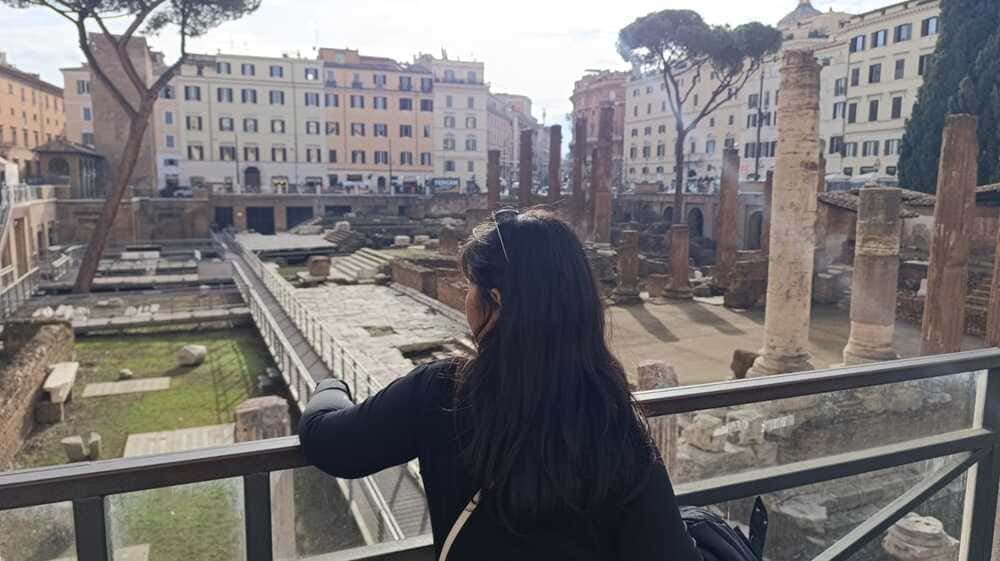
That doubt disappeared the moment I started walking through the city. Rome is not history locked inside museums or books. It is everywhere, in the streets, the buildings, and even in daily life. Within minutes, I was walking past ruins that are older than many countries.
This article is a 2-day Rome itinerary for first-time visitors, written from the perspective of an Indonesian traveler. It focuses on walking routes, must-see landmarks, and realistic travel tips, especially if you’re visiting Rome for the first time.
A Short History of Rome
Rome was founded over 2,700 years ago and grew from a small settlement into the capital of the Roman Empire. At its height, the empire ruled much of Europe, North Africa, and the Middle East, shaping ideas about law, architecture, and government that still influence the world today.
What makes Rome unique is how its history remains part of daily life. Ancient ruins were never fully removed, they were reused, rebuilt, and surrounded by newer structures. As a result, Rome feels like a living city where the past and present exist side by side.
For first-time visitors, this means history isn’t only in museums. It’s right there on the streets, often appearing when you least expect it.
Why Is Rome So Famous?
Rome is famous because few cities offer so much history in one place. Ancient ruins, world-class churches, and everyday city life exist side by side, making Rome feel like an open-air museum.
The city is home to some of the most iconic landmarks in the world, including the Colosseum, Roman Forum, and Vatican City. These places are not only important to Italy but also to global history, religion, and art.
Rome is also known for how walkable it is. Many major attractions are located close to each other, and simply walking through the city often leads to unexpected discoveries, a small square, a hidden church, or ancient ruins between modern buildings.
For first-time visitors, Rome stands out because you don’t need a perfect plan. The city rewards curiosity, slow travel, and time spent exploring on foot.

Day 1 in Rome: Colosseum, City Walk & Vatican
Start at Santa Maria Maggiore
I started my first day at Basilica di Santa Maria Maggiore, one of Rome’s four major basilicas. Even from the outside, it feels grand. Inside, the ceilings, mosaics, and quiet atmosphere make it a peaceful start to a busy day.
Starting here is perfect because it’s close to the Colosseum and the ancient city center, so you can easily walk between major sites.
Colosseum & Roman Forum
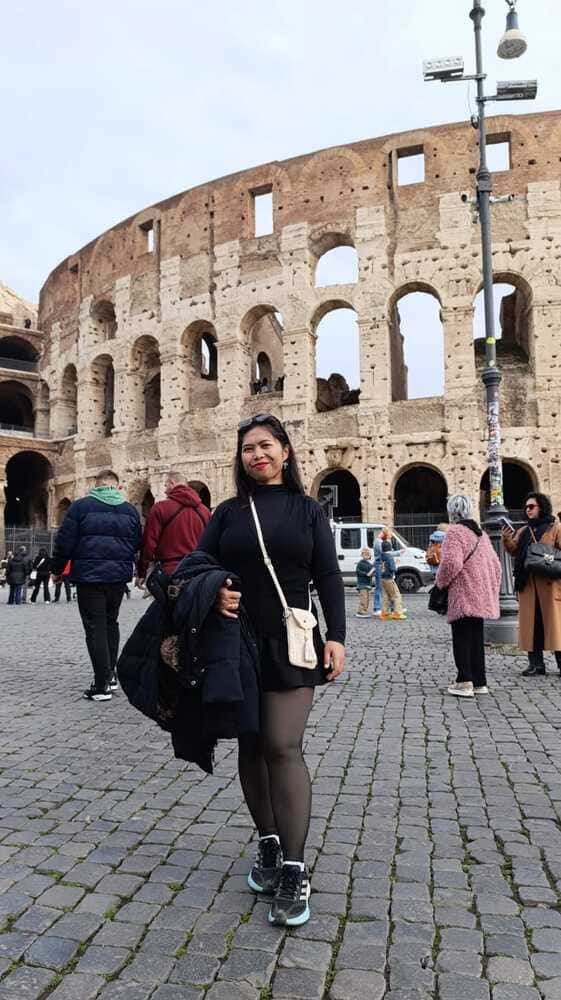
Next, I walked to the Colosseum, Rome’s most famous landmark. Seeing it in person is unforgettable, the scale, the history, and imagining gladiator battles really bring the past to life.
Nearby, you can explore:
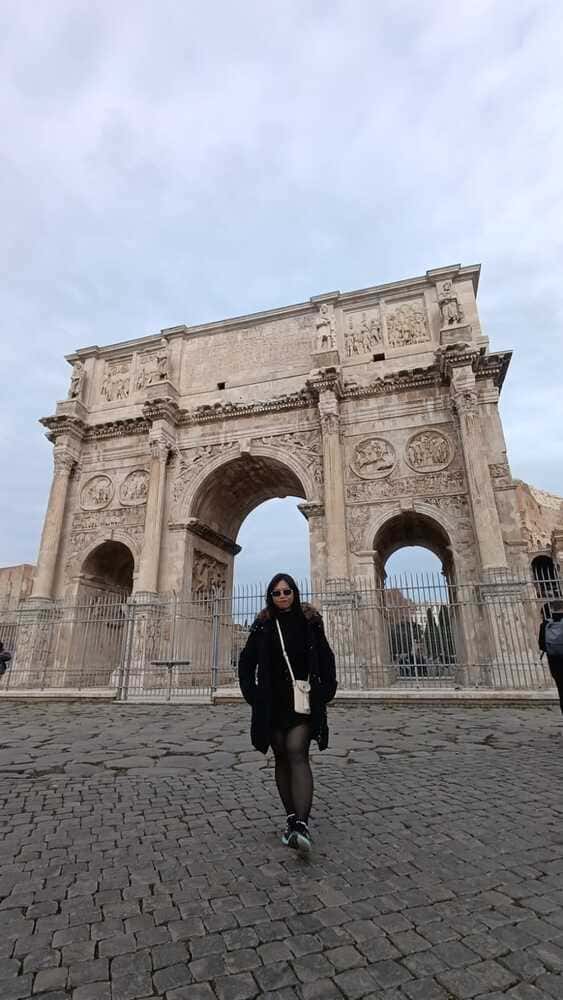
- Arch of Constantine – a beautiful triumphal arch just next to the Colosseum
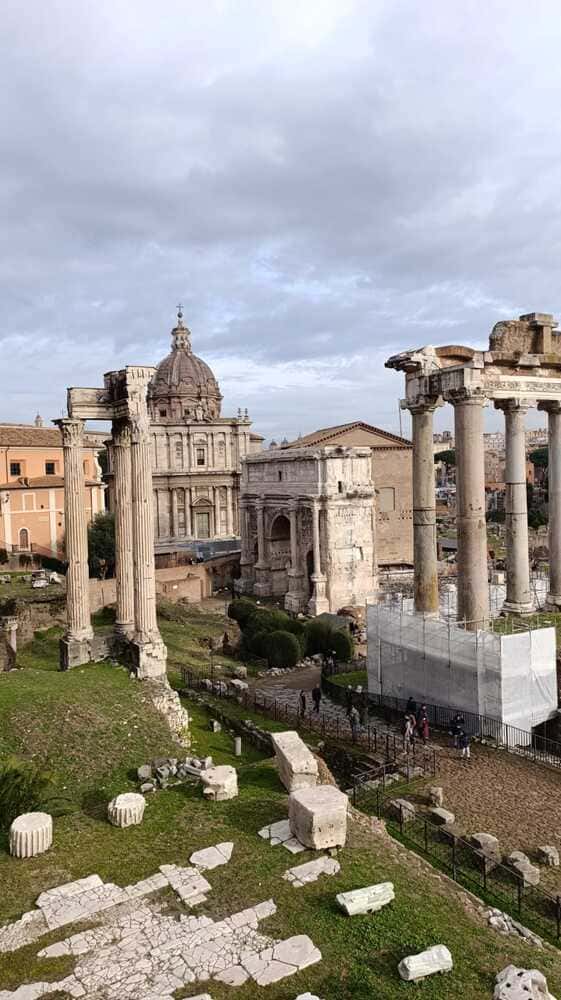
- Roman Forum – once the political and social center of ancient Rome
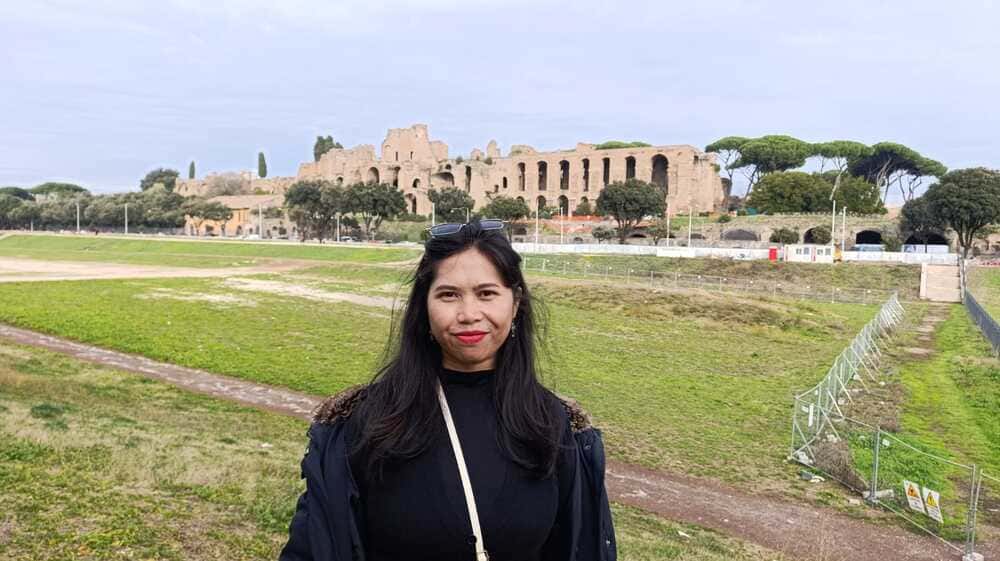
- Palatine Hill – one of the seven hills of Rome, with ruins and great city views
Even if you don’t go inside every site, walking around the area is enough to feel the history.
Trevi Fountain & Pantheon
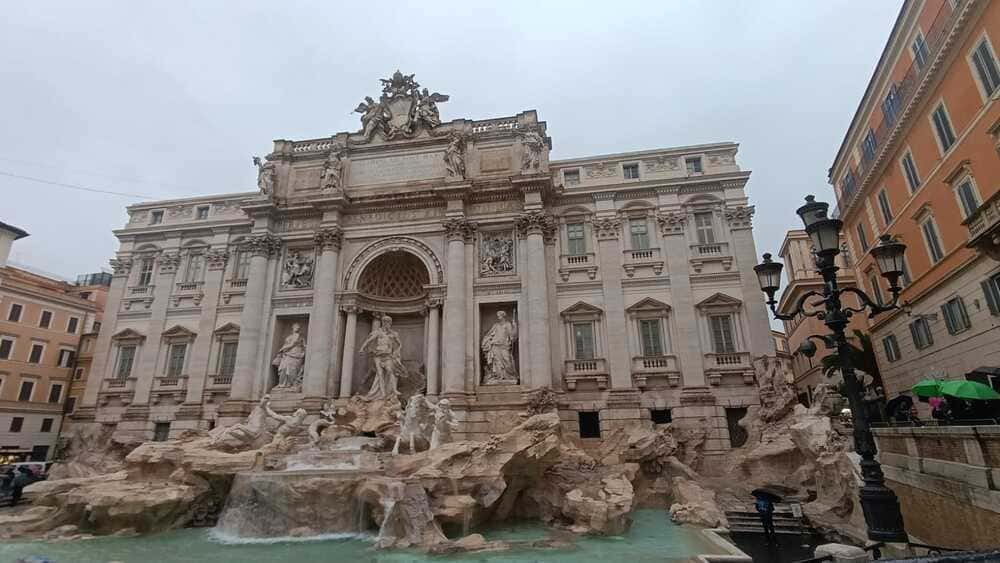
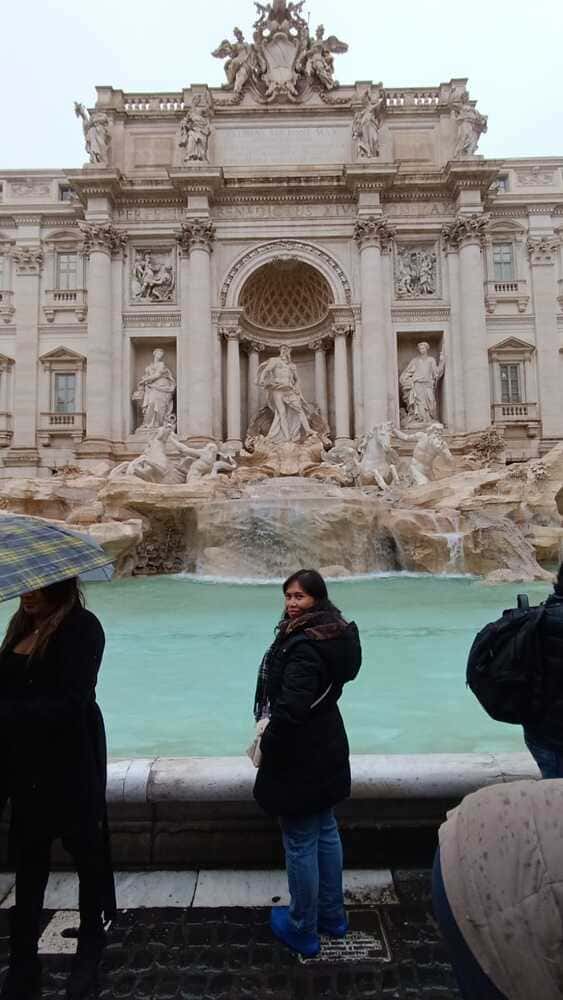
After the Colosseum, I walked through charming streets toward Trevi Fountain, Rome’s most famous fountain. Even in December, people were tossing coins, hoping to return to Rome someday. It’s crowded, but the atmosphere is magical.
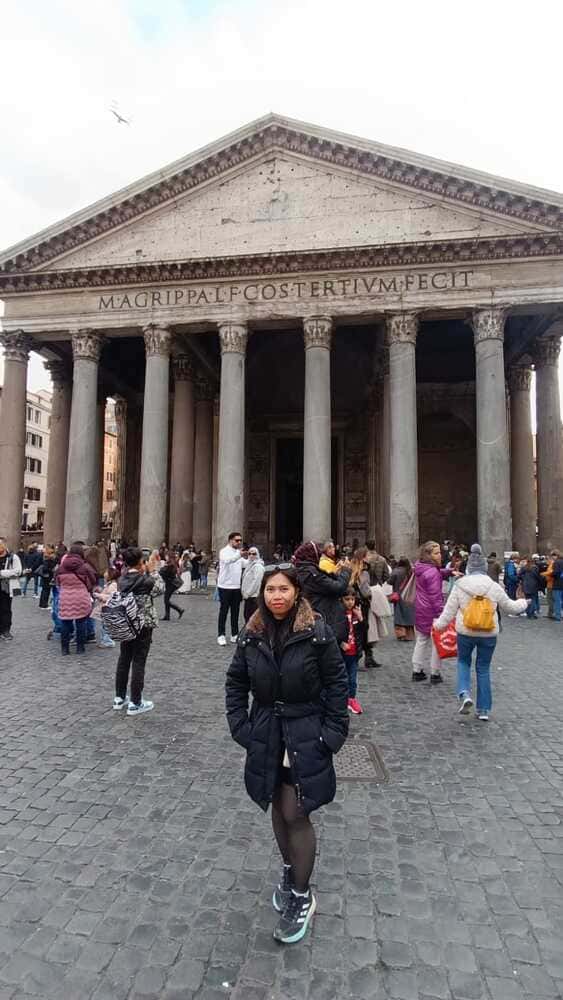
From there, a short walk leads to the Pantheon, one of the best-preserved ancient buildings in Rome. The massive dome and open oculus are breathtaking. Inside, it’s peaceful, and the mix of ancient and Renaissance elements is stunning.
Castel Sant’Angelo
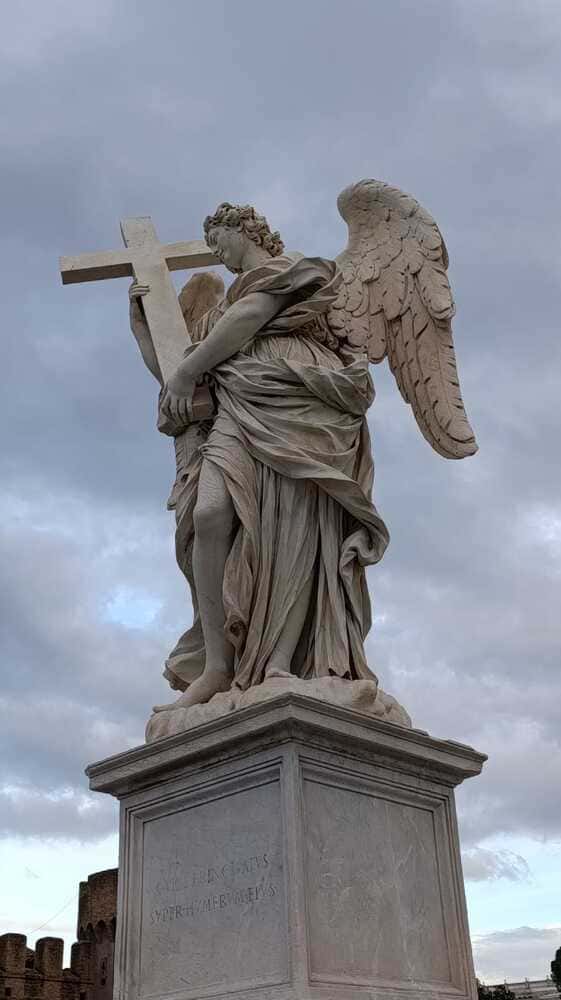
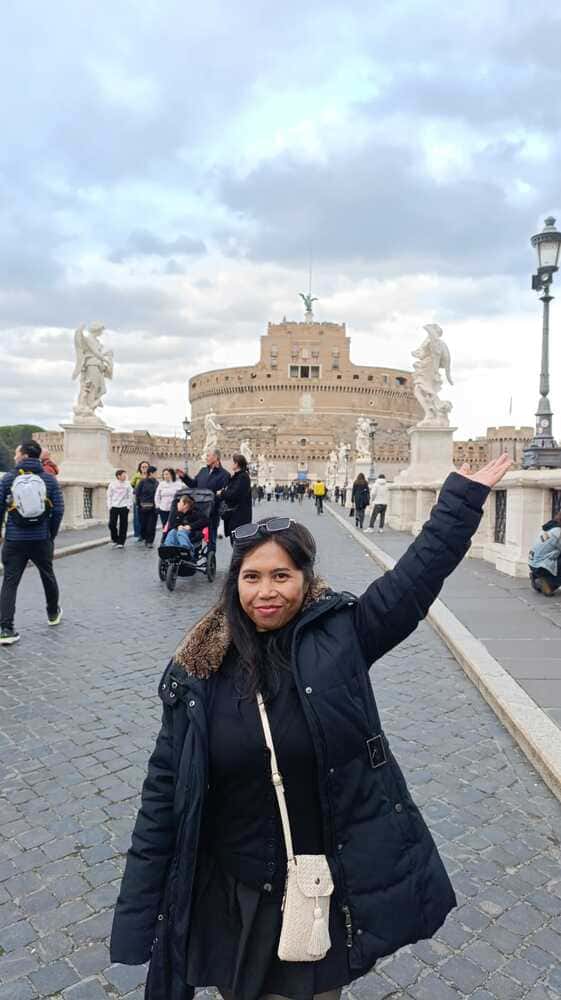
In the afternoon, I continued toward the Tiber River to visit Castel Sant’Angelo, originally built as an emperor’s mausoleum and later used as a fortress and papal residence. Walking across Ponte Sant’Angelo, the bridge lined with angel statues, adds to the experience.
The castle offers panoramic views of Rome and the Vatican from the terrace, a great way to end a full first day.
Vatican City
Highlights include:
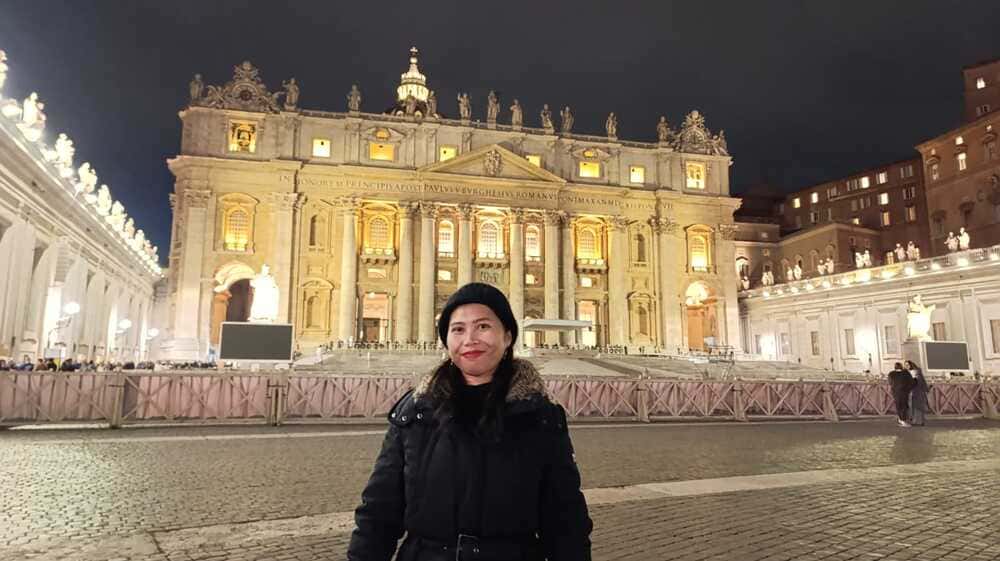
- St. Peter’s Square – open and grand, perfect for photos
- St. Peter’s Basilica – breathtaking inside, with incredible architecture and artwork
Even if you’re not religious, the Vatican’s size and design are impressive. Spending a few hours here is enough for a first-time visitor to feel its scale.
Walking Route Suggestion
- Santa Maria Maggiore → 10 min walk → Colosseum & Roman Forum
- 15–20 min walk → Trevi Fountain
- 5 min walk → Pantheon
- 15–20 min walk → Castel Sant’Angelo
This route allows you to see major landmarks while enjoying Rome’s streets without rushing.
Day 2 in Rome: Rainy Walks, Hidden Gems & Relaxing Moments
Morning: Santa Maria Maggiore (Second Attempt)
On Day 1, the queue at Santa Maria Maggiore was too long, so I started Day 2 here. This time, I went inside.
The interior is peaceful and less crowded than the Vatican. The mosaics and ceilings are stunning, and it’s a calm way to begin a day in a busy city. Starting here again also makes it easy to plan a walking route through central Rome.
Spanish Steps
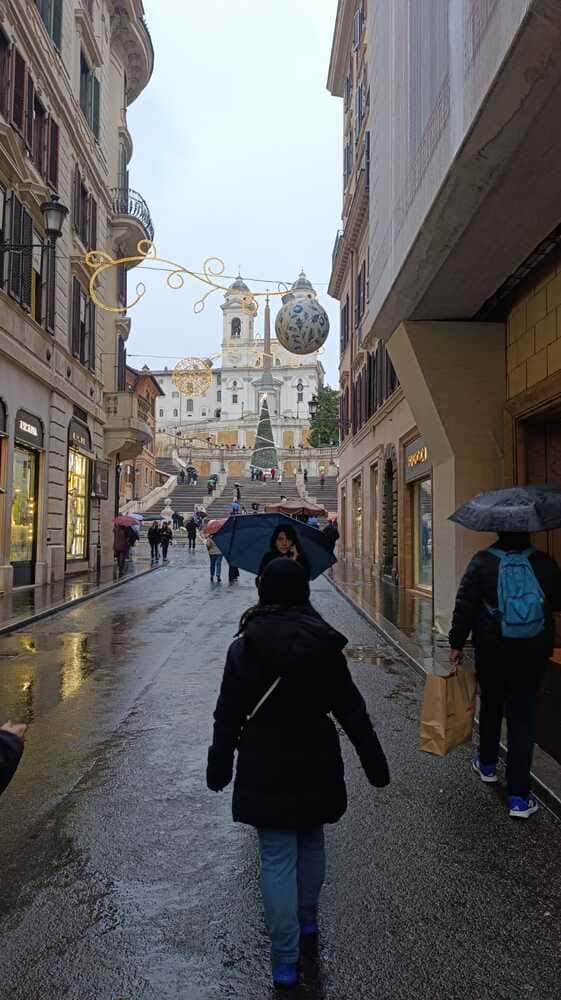
From Santa Maria Maggiore, I walked toward the Spanish Steps, one of Rome’s most famous landmarks. Even on a slightly rainy morning, the steps were lively, with tourists and locals alike enjoying the view and surrounding cafés.
Climbing the 135 steps gives you a small sense of achievement and great views of Piazza di Spagna below. Nearby streets are perfect for window-shopping and discovering little boutiques.

Giardino degli Aranci & Aventine Keyhole
I walked to some of my favorite smaller sites:
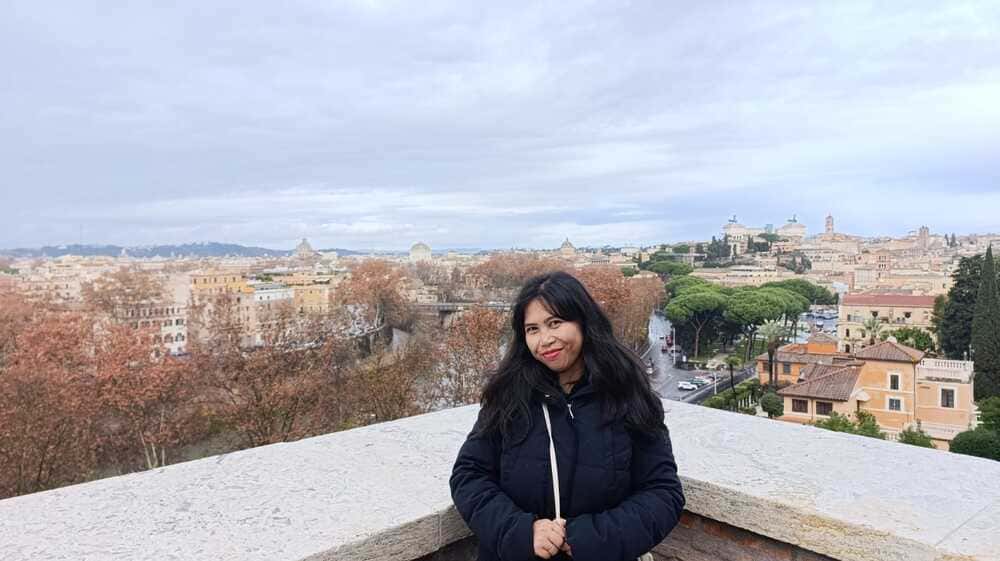
- Giardino degli Aranci (Orange Garden) – a small park with one of the best panoramic views of Rome, overlooking the Tiber River and St. Peter’s Dome. Even in the rain, the view was magical.
- Aventine Keyhole – a tiny hole in a door framing St. Peter’s Dome perfectly, one of Rome’s hidden gems.
These stops are easy to walk to and give a different perspective of the city compared to the usual tourist spots.
Basilica of St. Paul Outside the Walls
Next, I visited Basilica of St. Paul Outside the Walls, one of Rome’s largest churches. It’s often quieter than central sites, so it’s perfect for exploring without crowds. The interior feels spacious, calm, and historic, giving a sense of how grand Rome’s religious architecture really is.
Pyramid of Cestius & Local Market
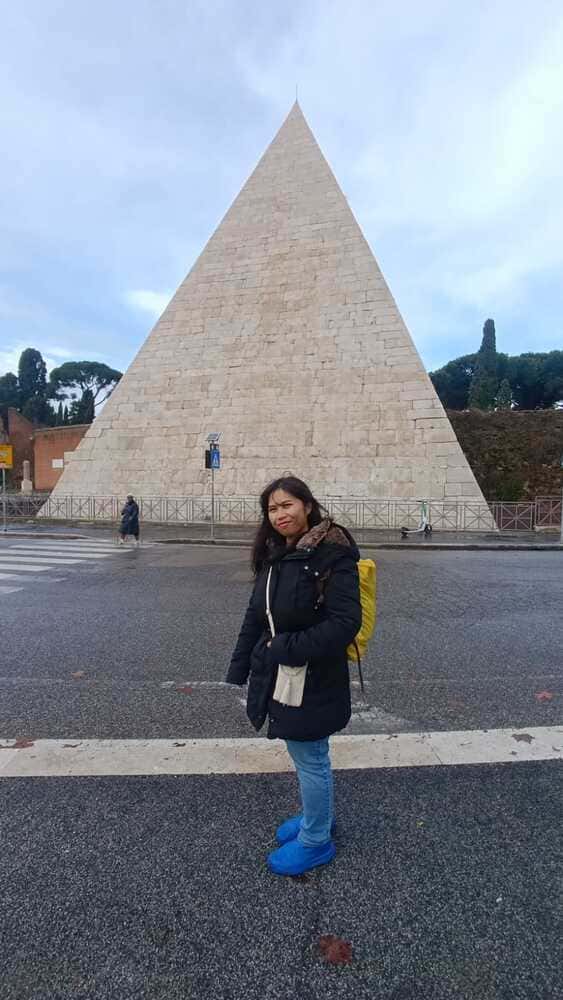
Rome even has a pyramid! The Pyramid of Cestius is near Porta San Paolo, and nearby there’s a local market. This area is less touristy and gives a glimpse of everyday Roman life.
Walking through the market, I saw locals buying fresh produce, chatting, and enjoying coffee, a nice contrast to the historic center.
Afternoon: Coffee Break and Slow Walk Home
By the afternoon, the rain became heavier. I stopped at a small coffee shop, watched the city life pass by, and took a slow walk back toward the central area.
Instead of trying to see more landmarks, I decided to relax and enjoy the moment. Rome is best experienced at your own pace, sometimes stopping is the highlight of the day.
Walking Route Suggestion
- Santa Maria Maggiore → 20 min walk → Spanish Steps
- 15 min walk → Giardino degli Aranci / Aventine Keyhole
- 20 min walk → Basilica of St. Paul Outside the Walls
- 5–10 min walk → Pyramid of Cestius & Local Market
- Slow walk back → coffee shop / home
Tips for First-Time Visitors to Rome
Visiting Rome for the first time can feel overwhelming, but a few simple tips make the trip much smoother, especially if you’re traveling from Indonesia in December like I did.
1. Dress for the Weather
December in Rome is chilly and sometimes rainy. Bring:
- Layers (sweaters, jacket)
- Comfortable shoes for walking on cobblestones
- Umbrella or raincoat
2. Plan for Churches and Basilicas
Many churches, including St. Peter’s Basilica and Santa Maria Maggiore, have dress codes: cover shoulders and knees. A light scarf or long pants is enough.
3. Walking Is the Best Way to Explore
Rome is very walkable. Many landmarks are close together, and walking lets you discover hidden squares, fountains, and alleys that aren’t on the map.
4. Expect Queues
Popular spots like the Vatican, Colosseum, and Santa Maria Maggiore often have long lines. Start early in the morning or book tickets online to save time.
5. Embrace Slow Travel
Don’t try to see everything. Some of my favorite experiences were coffee breaks, quiet parks, or getting lost in a small alley. Rome rewards curiosity and patience.
6. Enjoy Local Life
Markets, cafés, and neighborhood streets show a side of Rome beyond the usual landmarks. Stop, observe, and take it all in, this is part of the real Roman experience.

Final Thoughts
Rome is not a city you can fully see in two days but in that short time, it’s possible to feel its magic.
Walking through ancient streets, exploring grand churches, and discovering hidden corners makes you realize that Rome is more than just famous landmarks. It’s a city where the past and present exist side by side, and where even a rainy afternoon or a quiet park can become a highlight.
As an Indonesian traveler, I came to Rome with some doubts. I thought it might be overhyped. But experiencing it firsthand proved that Rome truly deserves its reputation.
For first-time visitors, the key is to take your time, explore on foot, and embrace both the big attractions and the small discoveries. Even in just two days, Rome leaves a lasting impression, one that’s impossible to forget.
I definitely will come back to Rome, but next time I’ll visit in summer, when the city is warm, the streets are alive, and there’s even more to enjoy. Whether it’s your first visit or one of many, Rome is a city that teaches you to slow down, look around, and appreciate the layers of history in everyday life.
Related posts:
 Vienna Travel Guide: 3-Day Itinerary, Christmas Market & Budget Tips
 Bratislava in One Day: Complete Guide, Things To Do & Travel Tips
 Exploring Budapest: Top Attractions in Buda and Pest
 12-Hour Layover in Singapore: How to Leave the Airport (Even on a Budget)
 A Slow Travel Itinerary in South Vietnam (1 Month Route)