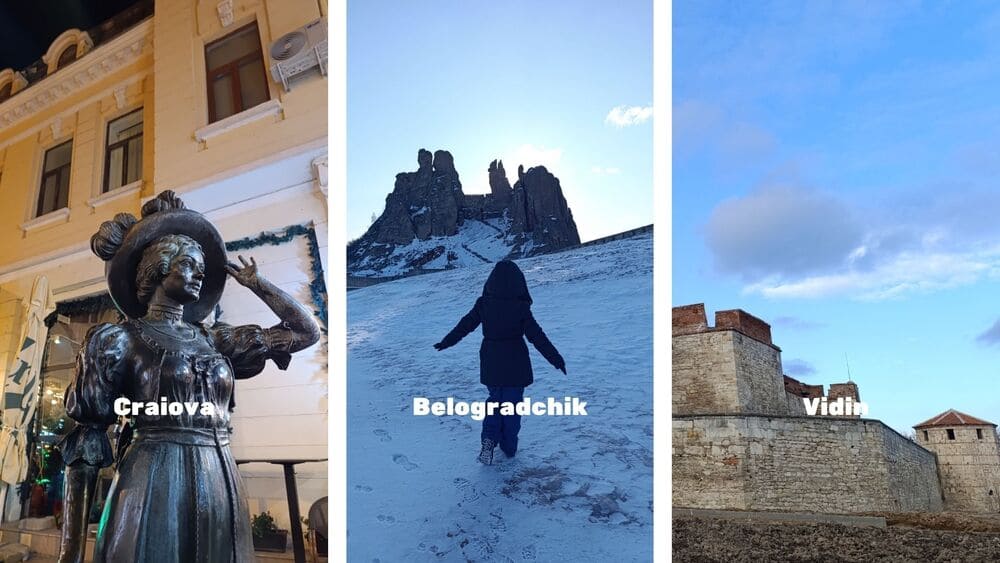
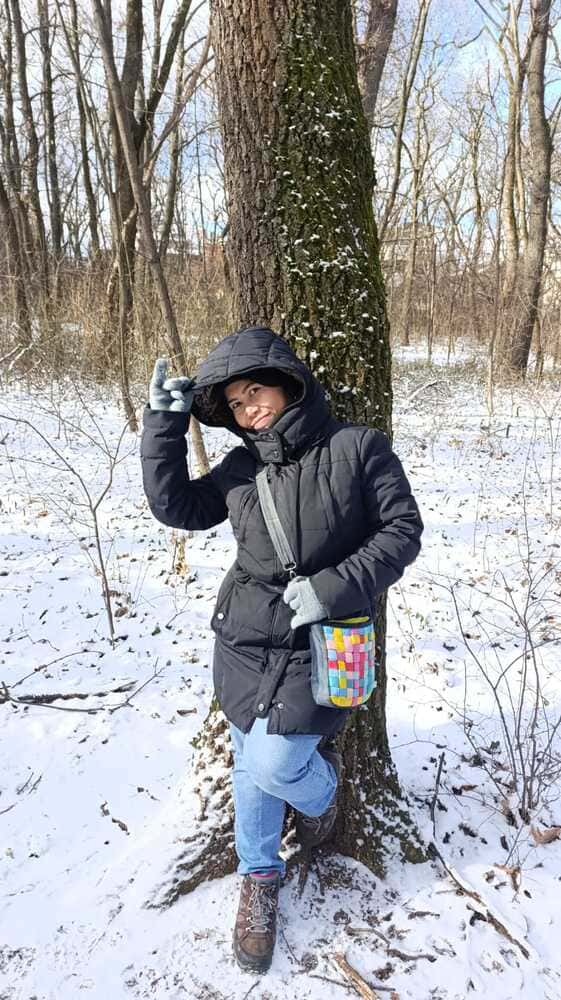
This year, I spent quite some time in Bulgaria. I celebrated Christmas here, experienced my first real winter with snow, and slowly explored different parts of the country.
But this guide is all about Sofia.
I didn’t just visit for a weekend, I actually lived here for a while. That gave me time to see more than just the main tourist spots. I got to experience the everyday life: morning walks in the cold air, coffee breaks along Vitosha Boulevard, snowy views of Vitosha Mountain, and cozy evenings with local food and rakia.
If you’re planning a trip to Bulgaria or wondering if Sofia is worth visiting, this guide will help you decide and help you plan it right.
Why Visit Sofia, Bulgaria?
If you’re wondering whether Sofia is worth visiting, here’s the honest answer: yes but not for the reasons you might expect.
Sofia isn’t about one huge landmark like the Eiffel Tower or Colosseum. It’s about layers. The city has over 7,000 years of history, and you can actually see those layers as you walk around. Roman ruins sit next to Soviet-era buildings. Ottoman mosques stand close to Orthodox cathedrals. Modern cafés share streets with old communist monuments.
And then there’s Vitosha Mountain.
It’s always there in the background. On clear days, you see it at the end of the boulevard. You can spend the morning in the city center and be hiking in the mountains not long after. In winter, it turns completely white and changes the whole atmosphere of the city.
Where to Stay in Sofia
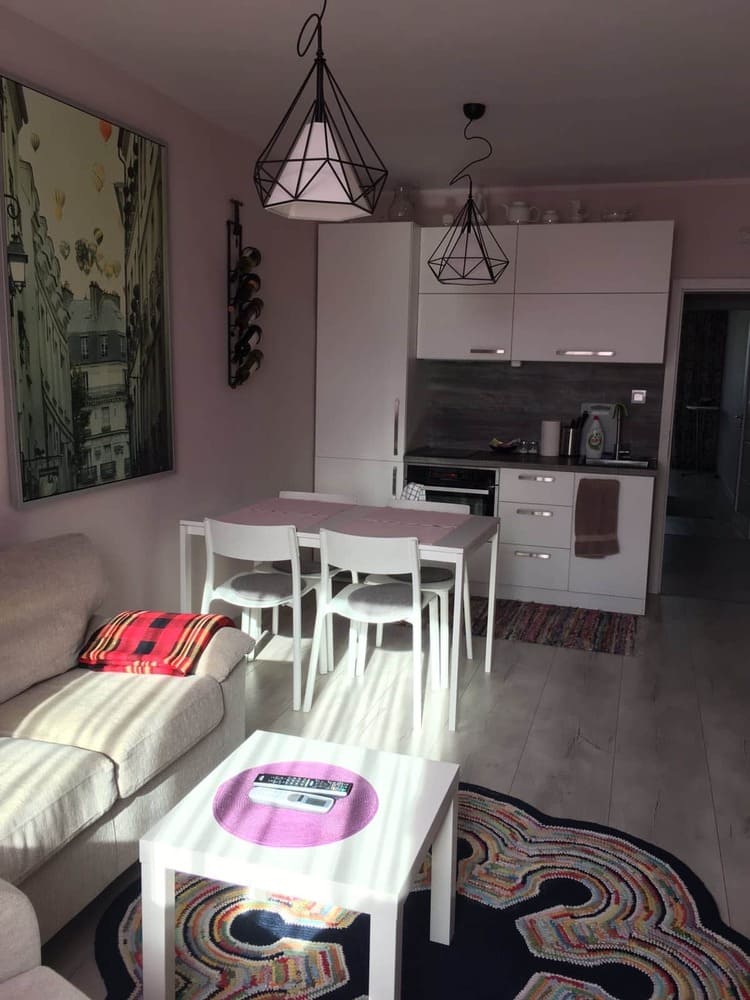
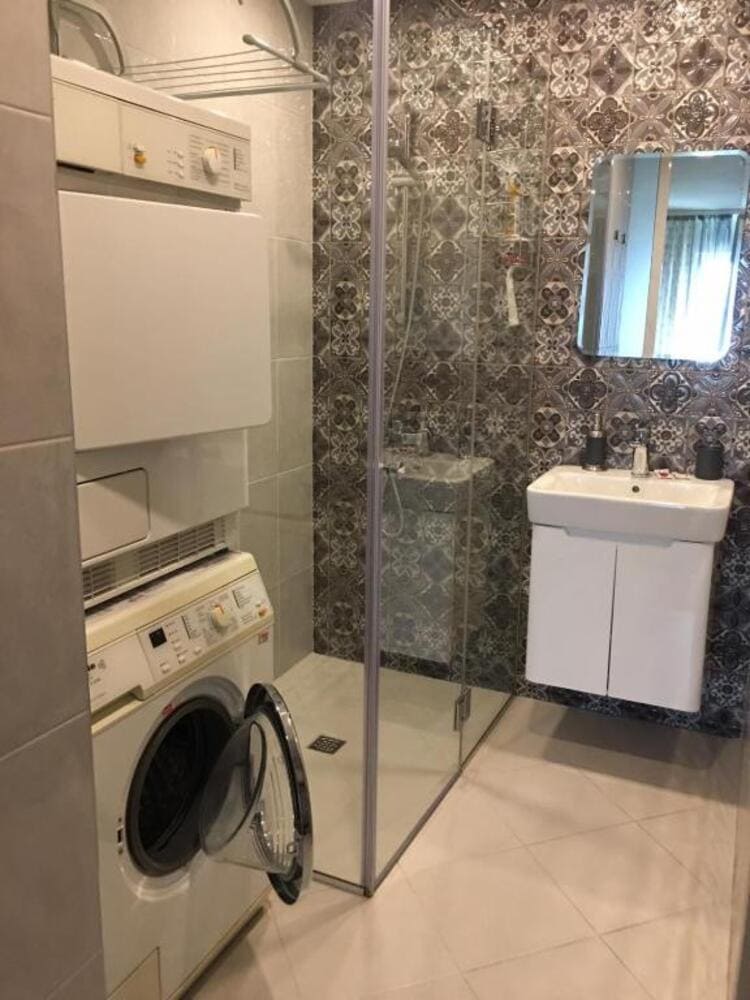
If you’re looking for a cozy place to stay in Sofia, I’ll share something personal, my family runs a few Airbnb apartments here, and I genuinely recommend them.
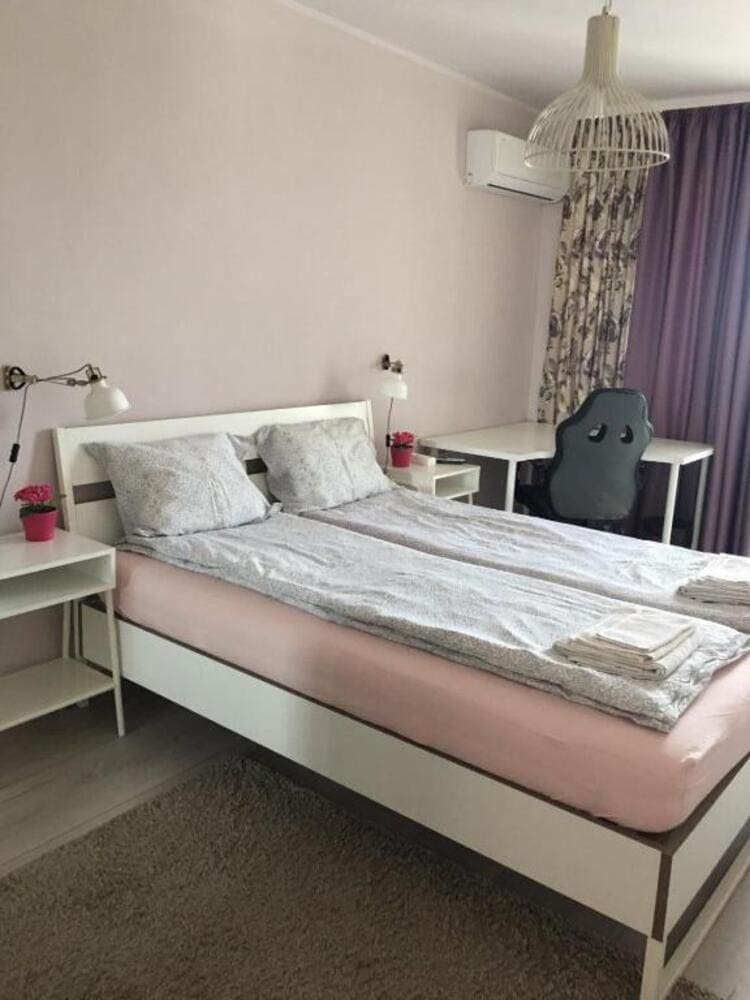
They’re clean, comfortable, and have everything you need for a short or longer stay. The location is not far from the center, in a quieter area, with easy access to public transport and quick connections to both downtown and Vitosha Mountain.
Here are the three options:
- Evergreen Apartment – modern, bright, and great for longer stays.
- Panorama Apartment – beautiful city and mountain views, especially at sunset.
- Spicy Apartment – cozy, practical, and perfect for couples or solo travelers.
I can honestly say we care about keeping the spaces clean and welcoming. If you stay there, I’m confident you’ll have a comfortable and easy experience in Sofia.
If you’re searching for where to stay in Sofia Bulgaria, choosing a place slightly outside the busy tourist center can give you more space, better prices, and a more local feel while still being close to everything.
Best Things to Do in Sofia
If you’re planning your trip and looking for the best things to do in Sofia, these are the places and experiences that are actually worth your time.
Sofia isn’t a city of massive, overwhelming attractions. Most of the top sights are close to each other, and you can explore a lot just by walking. The mix of Roman ruins, Orthodox churches, local markets, and mountain views is what makes the experience unique.
Here are the top things to do in Sofia, Bulgaria.
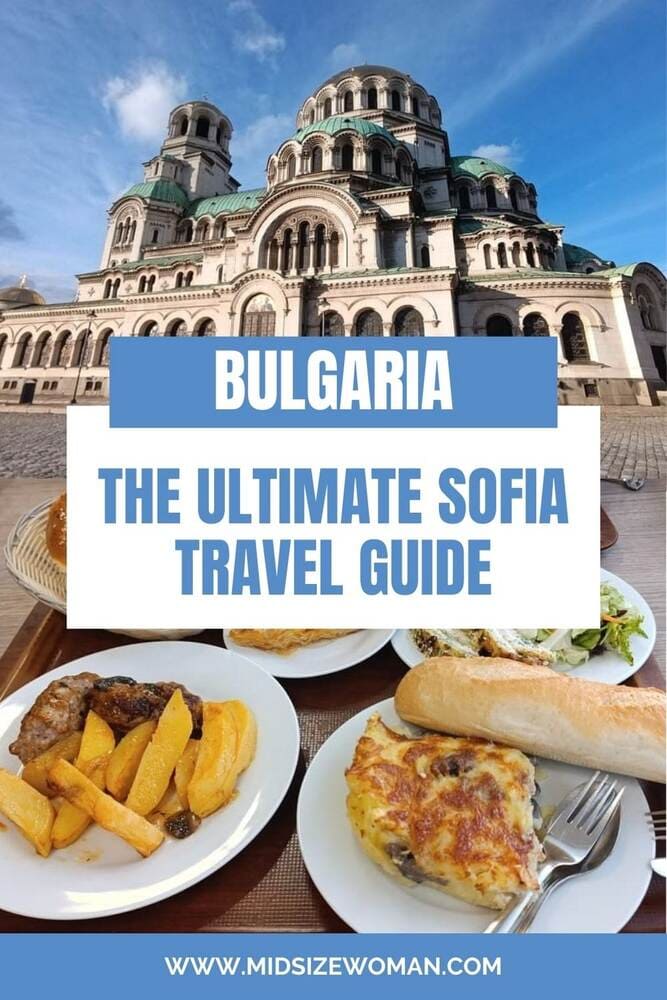
1. Visit Alexander Nevsky Cathedral
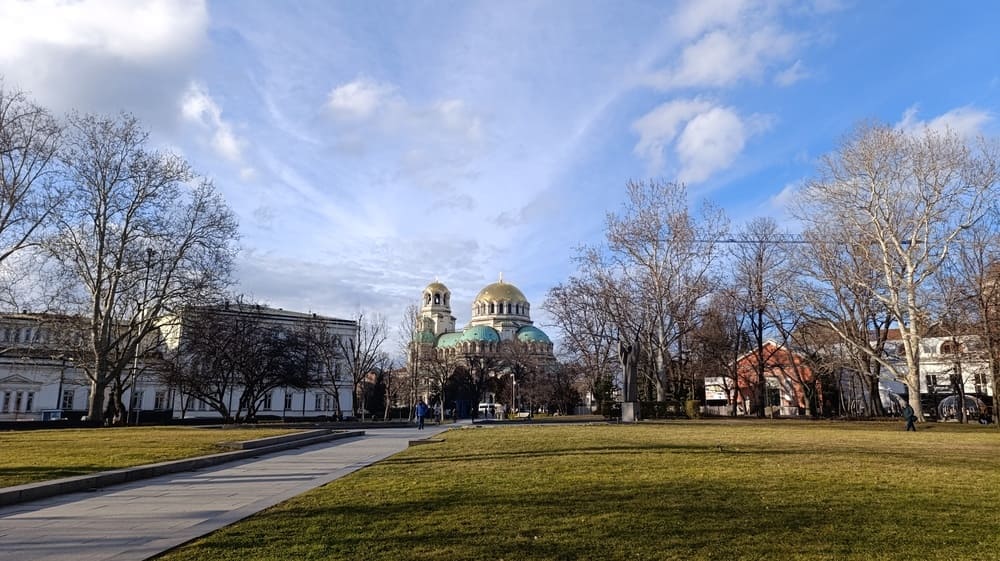
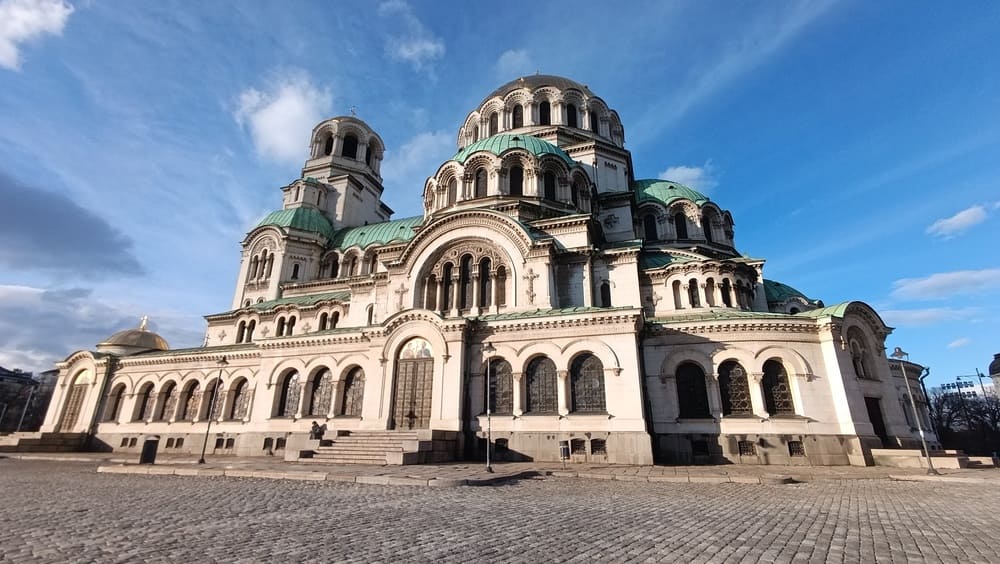
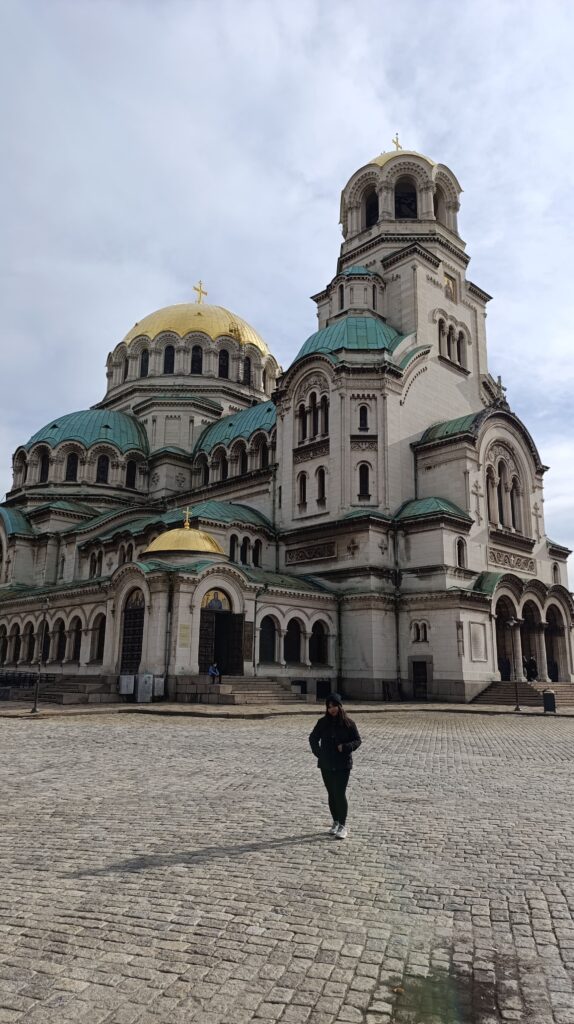
One of the most important Sofia attractions is Alexander Nevsky Cathedral.
Built in the early 20th century, this massive Orthodox cathedral is one of the largest in the Balkans. The golden domes dominate the skyline and are especially beautiful on a clear day.
Inside, the atmosphere is calm and slightly dark, with detailed frescoes, chandeliers, and traditional Orthodox icons. Even if you’re not religious, it’s worth stepping inside for a few minutes.
It’s a natural starting point when exploring the city center.
2. Explore the Ancient Roman City of Serdica
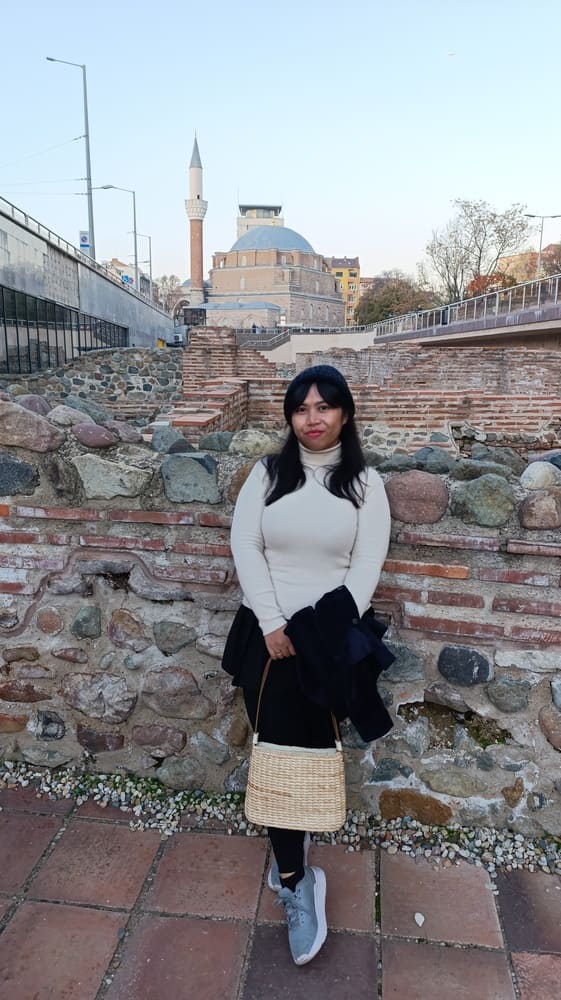
Right in the heart of Sofia, you’ll find the ruins of Serdica.
These Roman remains date back nearly 2,000 years. You can walk along ancient streets and see parts of old buildings, all surrounded by modern government offices and metro stations.
What makes this one of the most interesting places to visit in Sofia is how naturally it blends into daily life. It’s not a separate archaeological park, it’s just part of the city.
And it’s completely free to explore.
3. Walk Along Vitosha Boulevard
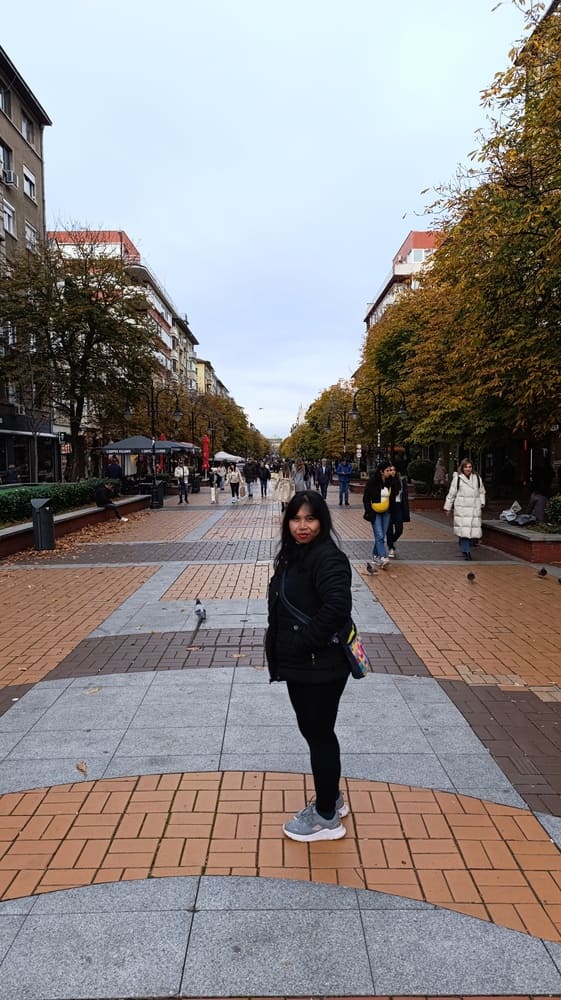
If you’re wondering what to do in Sofia beyond historical sites, spend time on Vitosha Boulevard.
This is the city’s main pedestrian street, filled with restaurants, cafés, and shops. It’s perfect for people-watching or sitting down for coffee.
At the end of the street, you’ll see Vitosha Mountain rising behind the city. In winter, when it’s covered in snow, the view changes the entire atmosphere.
It’s simple, but it gives you a real feel for Sofia.
4. Go Up to Vitosha Mountain
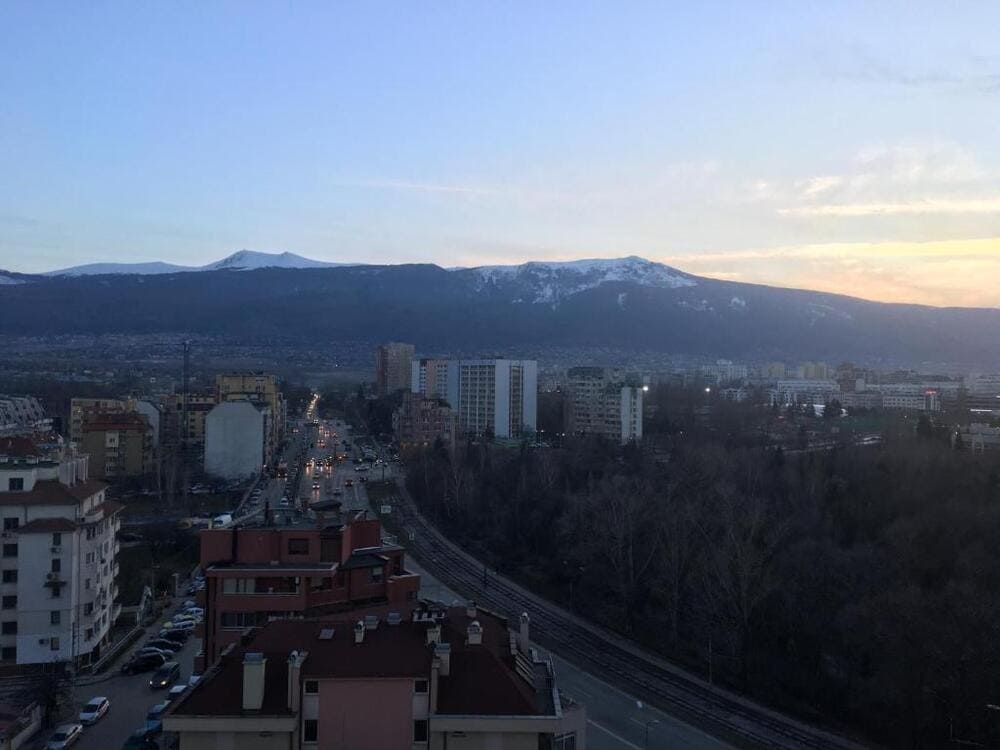
One of the best things about visiting Sofia is how close nature is.
Within 30–40 minutes from the city center, you can reach Vitosha Mountain. In winter, people come here for snow and skiing. During spring and summer, it’s ideal for hiking and enjoying panoramic views over the city.
Even a short walk or viewpoint stop is enough if you don’t want a full hike. Not many European capitals offer mountains this close.
5. Visit Boyana Church
Located at the foot of the mountain, Boyana Church is one of the most important historical sites near Sofia.
This small medieval church is famous for its 13th-century frescoes and is listed as a UNESCO World Heritage Site. The visit itself doesn’t take long, but it’s worth it if you’re interested in art and history.
You can combine it with a nature walk nearby.
6. Explore Zhenski Pazar (Women’s Market)
For a more local experience, head to Zhenski Pazar.
This is one of the oldest markets in Sofia, where locals buy fresh fruits, vegetables, cheese, spices, and flowers. It’s not polished or tourist-focused, it feels authentic and busy.
If you want to see everyday life in Sofia, this is a good stop.
7. Step Inside the Central Market Hall
The historic Central Sofia Market Hall is worth seeing even if you’re not shopping.
The early 20th-century building has beautiful architecture, and today it houses shops and a large supermarket. It’s an interesting mix of old design and modern daily life, very typical of Sofia.
8. Relax in Borisova Gradina
If you need a break from sightseeing, visit Borisova gradina.
This large park is popular with locals for jogging, walking, and relaxing. It’s especially nice in spring and autumn and gives you a quieter side of the city.
9. See the Ivan Vazov National Theatre
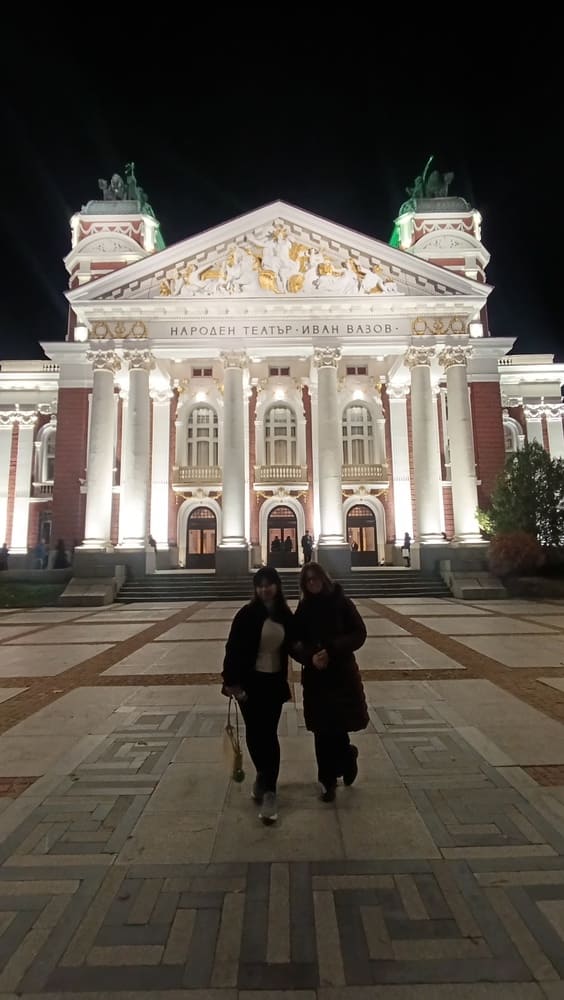
Located in the City Garden, the Ivan Vazov National Theatre is one of the most photogenic buildings in Sofia.
The red façade and white columns stand out, and the small park in front is a nice place to sit for a while.
You won’t feel rushed here. Sofia is easy to explore, walkable, and balanced between history, local culture, and nature. That combination is what makes visiting Sofia different from many other European capitals.
Practical Travel Tips for Visiting Sofia
If you’re planning your trip to Sofia, here are a few things that will make your visit easier.
How Many Days Do You Need in Sofia?
For most people, 2 to 3 days in Sofia is enough to see the main attractions and explore at a relaxed pace. If you want to hike on Vitosha Mountain or take a day trip, then 4 days is ideal. Sofia isn’t huge, so you won’t feel overwhelmed.
Best Time to Visit Sofia
The best time to visit Sofia is:
- Spring (April–June) – mild weather, fewer crowds
- Autumn (September–October) – comfortable temperatures
- Winter (December–February) – cold, but beautiful if you like snow
Summers can be warm, but still manageable compared to Southern Europe.
If you want mountain views with snow, winter is special. If you prefer walking comfortably, spring and autumn are better.
How to Get Around Sofia
Getting around Sofia is simple.
- The metro is modern, clean, and affordable.
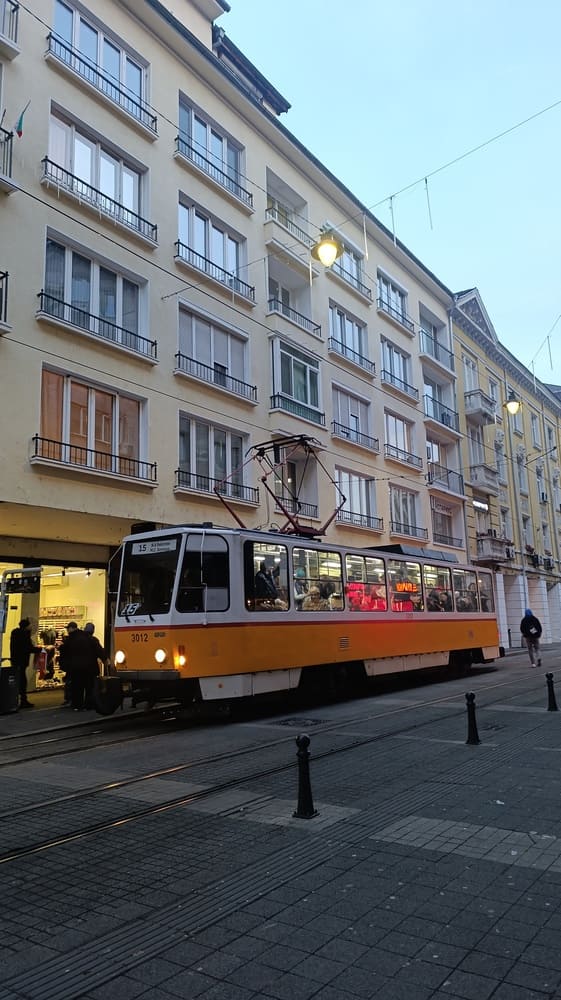
- Buses and trams connect most neighborhoods.
- Taxis are inexpensive compared to Western Europe.
The city center is very walkable, and most of the main things to do in Sofia are close to each other.
Is Sofia Safe?
Yes — Sofia is generally safe for tourists.
Like in any capital city, watch your belongings in crowded areas, but overall it feels calm. Violent crime is rare, and walking around the center at night is usually fine.
Use common sense, and you shouldn’t have problems.
Is Sofia Expensive?
Compared to many European capitals, Sofia is still affordable.
- Meals at local restaurants are reasonably priced
- Public transport is cheap
- Accommodation is more affordable than in Western Europe
It’s a good option if you want a European city break without spending too much.
What to Eat in Sofia
Food in Sofia is simple, filling, and traditional. While visiting Sofia, try at least a few local dishes.
Here’s what to look for:
- Shopska Salad – Tomatoes, cucumbers, peppers, onions, and grated white cheese on top. Fresh and served almost everywhere.
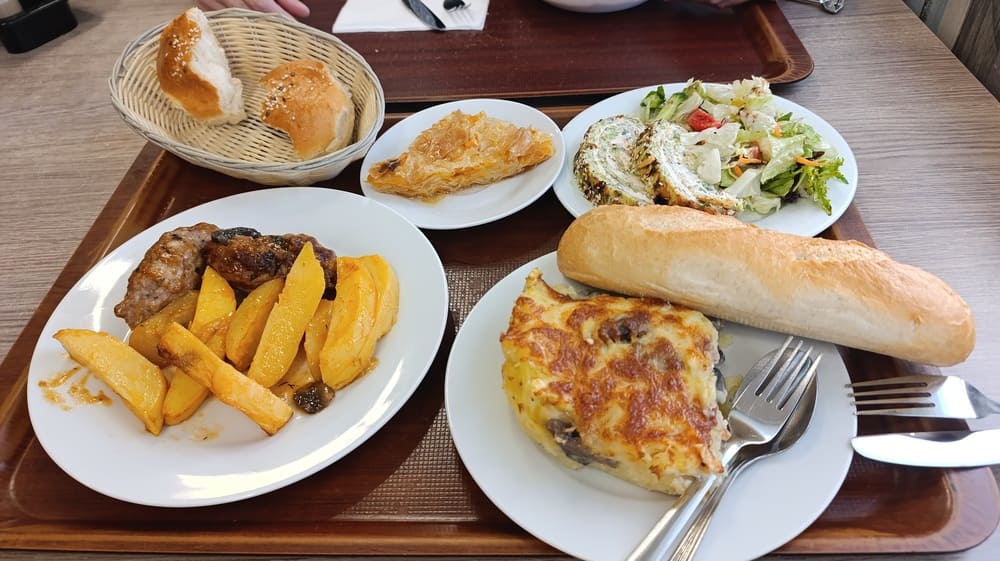
- Banitsa – Flaky pastry filled with cheese. A common Bulgarian breakfast, usually eaten with yogurt or coffee.
- Kebapche – Grilled minced meat rolls, typically served with fries or salad.
- Kyufte – Grilled meat patties, similar to meatballs, often served with bread and salad.
- Tarator – Cold yogurt and cucumber soup. Best during summer.
- Shkembe Chorba – Traditional tripe soup. Not for everyone, but very Bulgarian.
- Rakia – Strong fruit brandy, usually served before a meal. Sip slowly.
If you’re wondering where to eat in Sofia, look for traditional “mehana” style restaurants around the city center or near Vitosha Boulevard.
Simple food, good portions, and reasonable prices, that’s what you can expect.
Best Day Trips from Sofia
If you have extra time in Sofia, there are several great places you can visit in one day. Most are within 1–3 hours from the city.
Here are the best day trips from Sofia:
- Rila Monastery – Around 2 hours away. Bulgaria’s most famous monastery, surrounded by mountains and known for its colorful frescoes. One of the most popular day trips from Sofia.
- Plovdiv – About 1.5–2 hours by train or car. Known for its Old Town, Roman Theatre, and relaxed atmosphere. A great city-to-city trip.
- Seven Rila Lakes – Perfect if you enjoy hiking. Best between June and September. Expect a full day in nature.
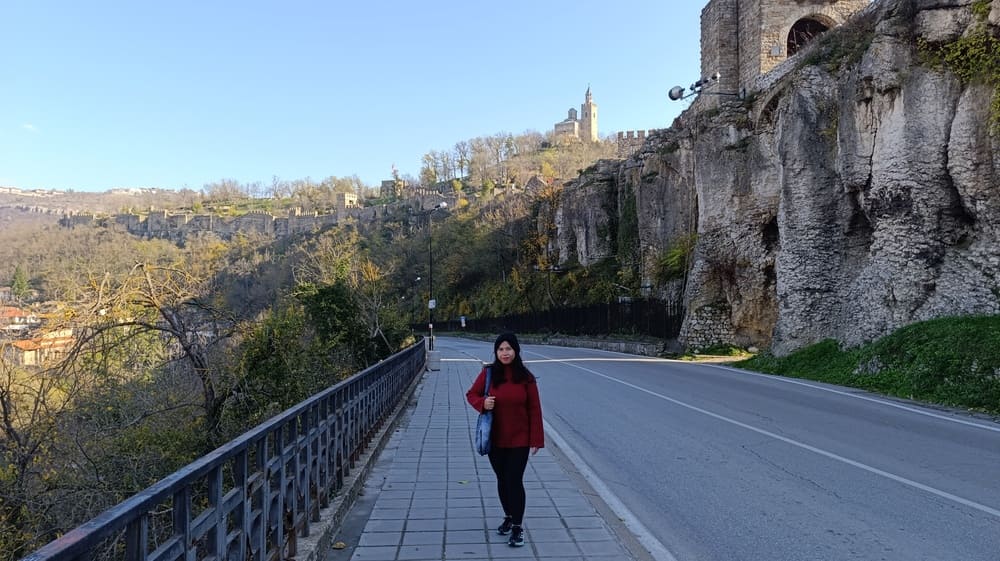
- Veliko Tarnovo – Around 3 hours from Sofia. Famous for the Tsarevets Fortress and dramatic hilltop views. It’s a longer trip, but worth it if you’re interested in Bulgarian history.
- Koprivshtitsa – A small historic town with colorful 19th-century houses and a quiet, traditional feel.
If you’re staying more than two days in Sofia, adding one of these day trips makes your visit more complete and gives you a broader view of Bulgaria.
Final Thoughts
If you’re still wondering is Sofia worth visiting, the short answer is yes — especially if you like relaxed cities with history, mountain views, and fewer crowds.
This Sofia travel guide covered the best things to do in Sofia, where to stay, what to eat, and the best day trips from the city. The capital of Bulgaria may not be as famous as other European capitals, but that’s part of the appeal.
You can explore Roman ruins, Orthodox churches, local markets, and still see Vitosha Mountain in the background. Everything is close, walkable, and relatively affordable.
Sofia isn’t about one big attraction. It’s about the mix, history, everyday life, and easy access to nature.
If you’re planning a trip to Sofia, give yourself at least two or three days. That’s enough time to see the main highlights and get a real feel for the city. Simple, underrated, and easy to explore, that’s Sofia.
Related articles:
Related posts:
 Vienna Travel Guide: 3-Day Itinerary, Christmas Market & Budget Tips
 Bratislava in One Day: Complete Guide, Things To Do & Travel Tips
 Things to Do in Malaga for First-Time Visitors (A Budget Backpacker’s Guide)
 2 Days in Nicosia: Top Things to See and Do on Both Sides
 Verona in 2 Days: Complete Travel Guide