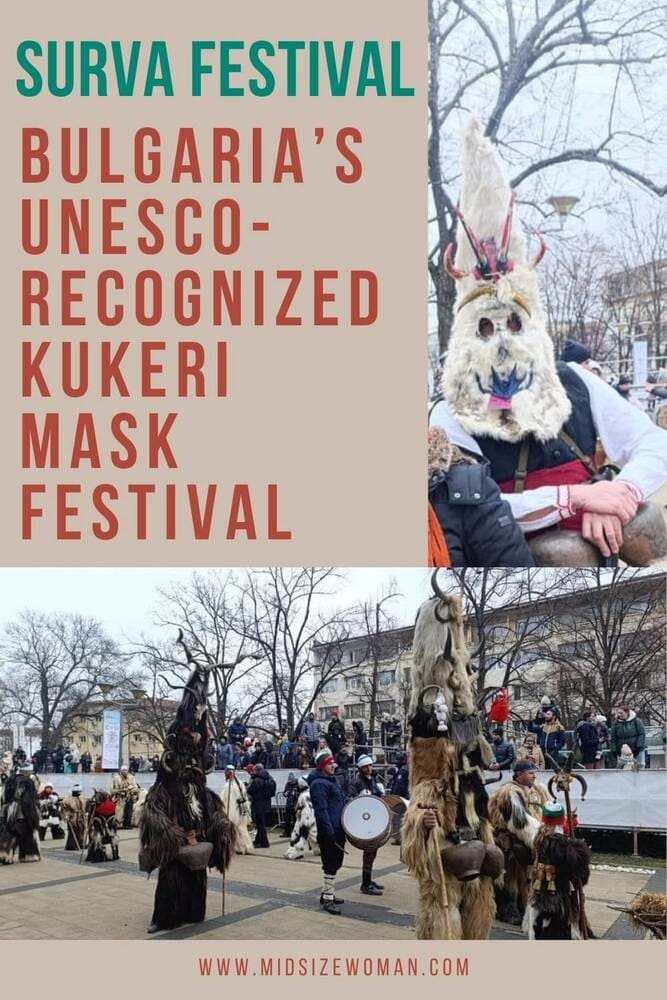
In January, I traveled to Pernik to witness one of the most unusual festivals in Europe – the Surva Festival. As the parade began, the streets filled with performers wearing towering masks, animal skins, and heavy belts of bells. The deep sound of ringing metal echoed through the crowd as the dancers moved in rhythm.
These performers are known as Kukeri, and their dramatic costumes are part of an ancient tradition believed to chase away evil spirits and welcome prosperity for the new year. Watching the ritual unfold in person felt less like a modern festival and more like stepping into a scene from centuries-old folklore.
Today, the Surva Festival is one of the most important cultural events in Bulgaria and has been recognized by UNESCO as part of the world’s Intangible Cultural Heritage. Each winter, performers from across the country gather in Pernik to celebrate this powerful and colorful tradition.
What Is the Surva Festival?
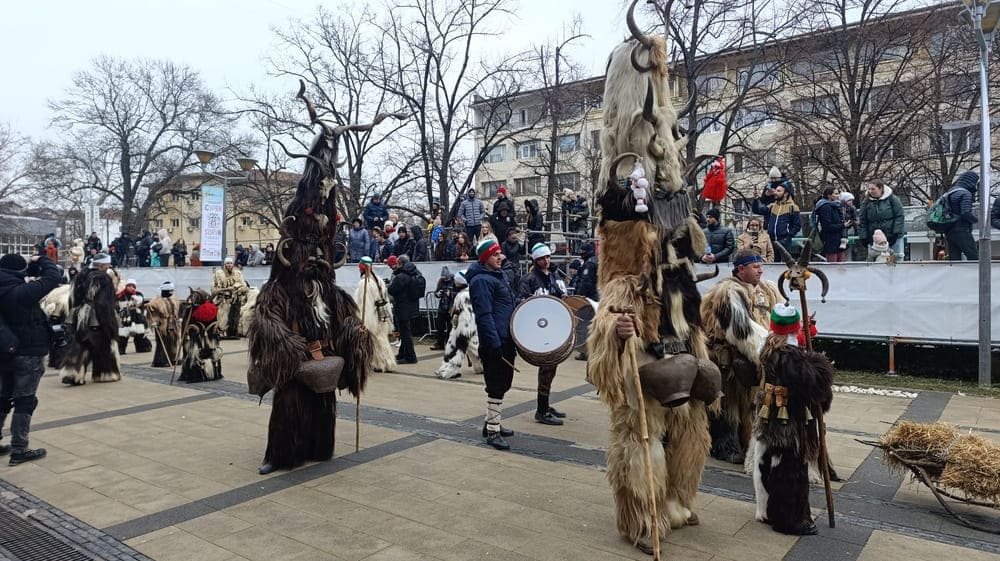
The Surva Festival is one of the largest masquerade festivals in Europe and an important celebration of Bulgarian folklore. It takes place every year in the city of Pernik, usually during the last weekend of January.
During the festival, groups of masked performers known as Kukeri parade through the streets wearing elaborate costumes, animal skins, and large belts of bells. As they dance and jump, the loud ringing of the bells is believed to scare away evil spirits and bring health, fertility, and prosperity for the coming year.
The event celebrates an ancient ritual tradition that has been preserved in Bulgarian villages for centuries. Today, the festival brings together groups from across Bulgaria as well as international participants who come to share their own masquerade traditions.
Because of its cultural importance, the Kukeri tradition connected with the Surva Festival was inscribed on the Intangible Cultural Heritage list by UNESCO in 2015.
The History of the Surva Festival
The roots of the Surva Festival go back centuries and are closely connected to ancient pagan rituals practiced in the Balkans. Long before modern celebrations, communities in what is now Bulgaria held winter ceremonies to mark the transition between the old year and the new one.
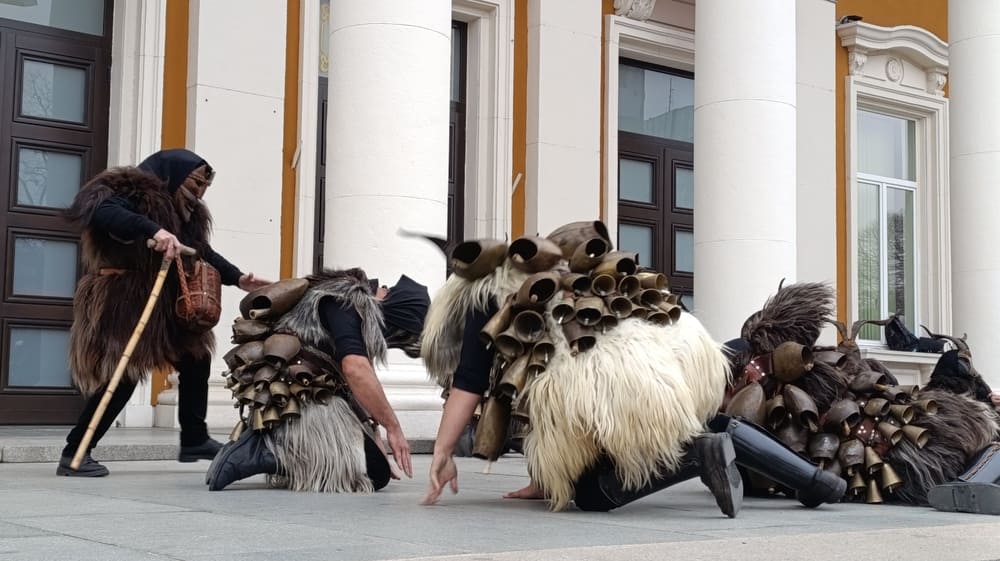
During these rituals, masked performers known as Kukeri would walk through villages wearing frightening masks and costumes made from animal skins. The dancers carried large bells attached to their belts and performed energetic movements to create as much noise as possible. According to traditional beliefs, the sound and the terrifying masks helped drive away evil spirits and protect the community.
These customs were also connected to themes of fertility, prosperity, and the renewal of nature. Villagers believed that performing the ritual would bring a successful harvest, good health, and good fortune for the coming year.
While the ritual traditions are ancient, the modern festival held in Pernik began in 1966 as a cultural event dedicated to preserving these local masquerade traditions. Over the decades, the celebration grew into an international festival attracting participants from many regions and countries.
Today, the Surva Festival is recognized as one of the most important folklore events in the Balkans, celebrating the rich cultural heritage of Bulgaria and keeping the Kukeri tradition alive for future generations.
The Kukeri Costumes and Masks
One of the most fascinating parts of the Surva Festival is the impressive costumes worn by the performers known as Kukeri.
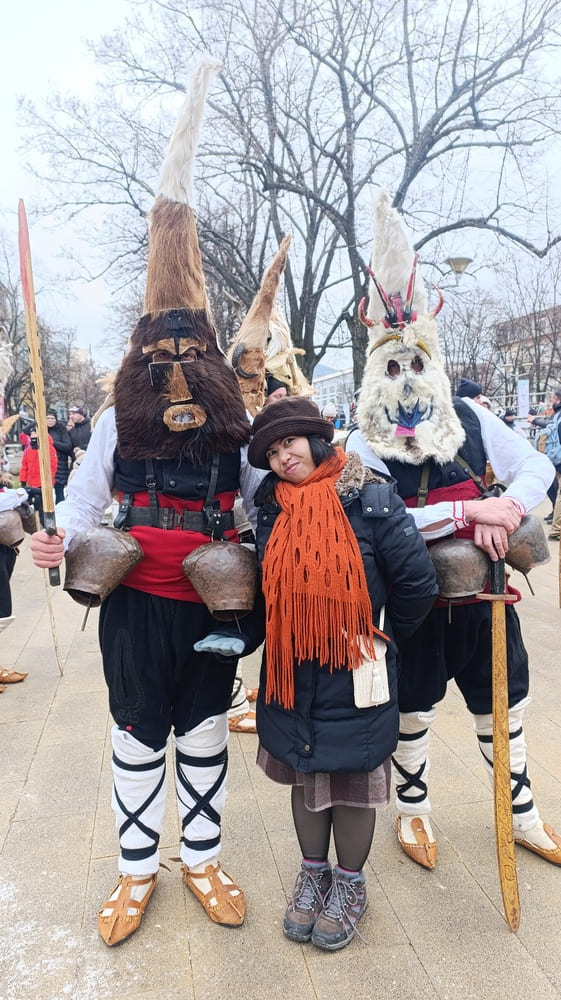
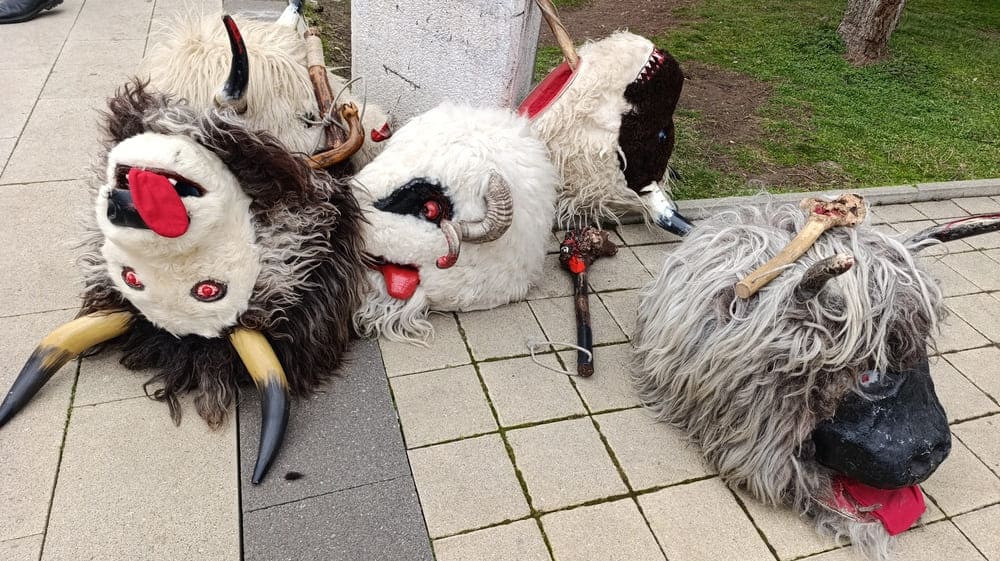
The Kukeri are famous for their large and often frightening masks. These masks are usually handmade and can take months to complete. They are decorated with colorful fabrics, beads, feathers, horns, and sometimes even animal skulls. Some masks are incredibly tall, making the performers appear larger and more intimidating.
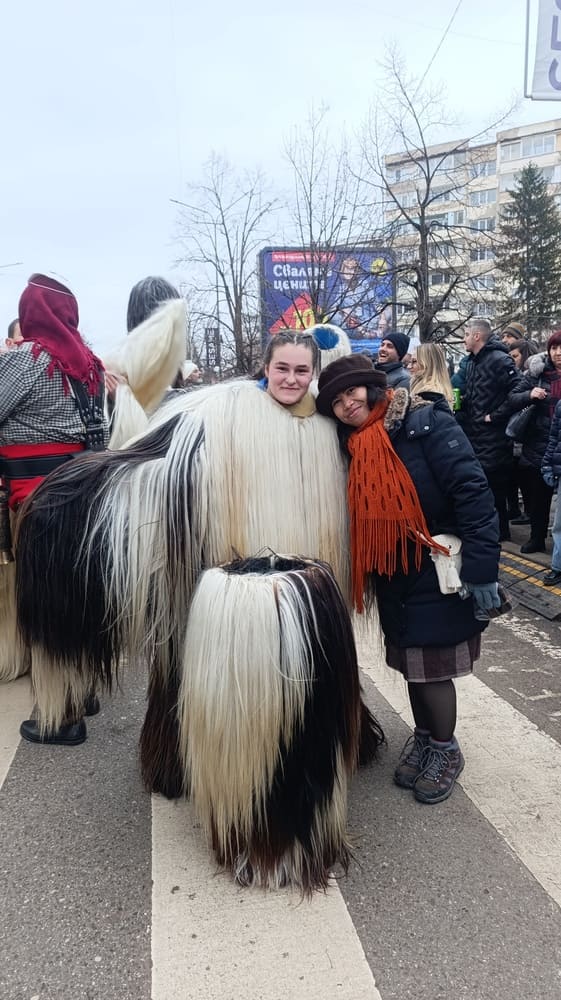
The costumes are just as striking. Many Kukeri wear outfits made from animal skins, fur, and traditional textiles. Around their waists they attach heavy belts with large metal bells. When the dancers jump and move, the bells create a deep rhythmic sound that echoes through the streets.
This noise is not just part of the performance. According to traditional beliefs, the loud ringing helps chase away evil spirits and negative energy. The frightening masks also play an important symbolic role, representing supernatural creatures that protect the community.
In many Bulgarian villages, creating Kukeri costumes is a tradition passed down through generations. Families often work together to prepare the masks and outfits long before the winter celebrations begin.
Visiting the Surva Festival in Pernik
The Surva Festival takes place every year in the city of Pernik, located about 30 kilometers southwest of Sofia. The festival is usually held during the last weekend of January and lasts for three days.
During this time, groups of Kukeri from different regions gather in Pernik to present their traditional costumes and performances. Each group has its own style of masks, dances, and rituals, reflecting the folklore of their local communities.
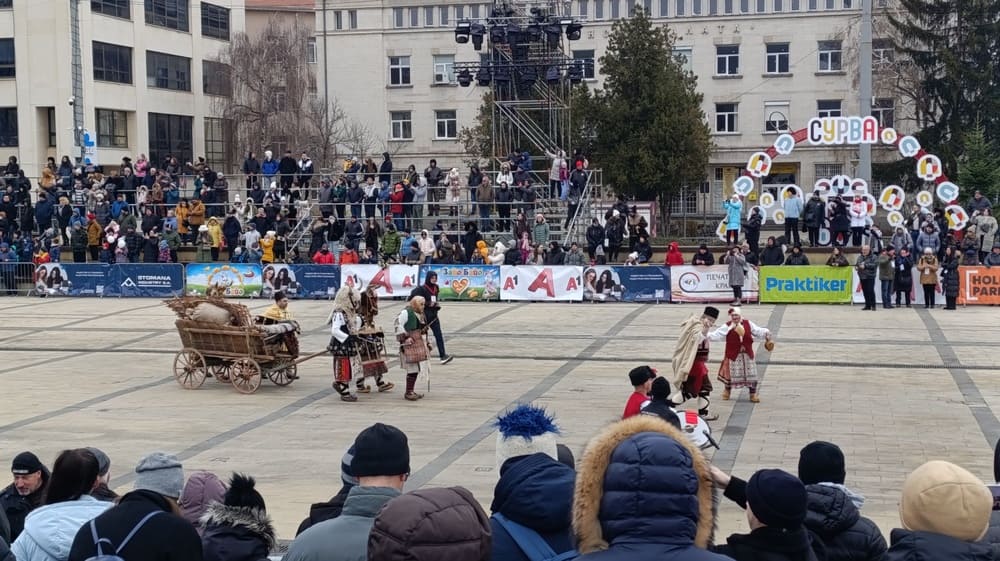
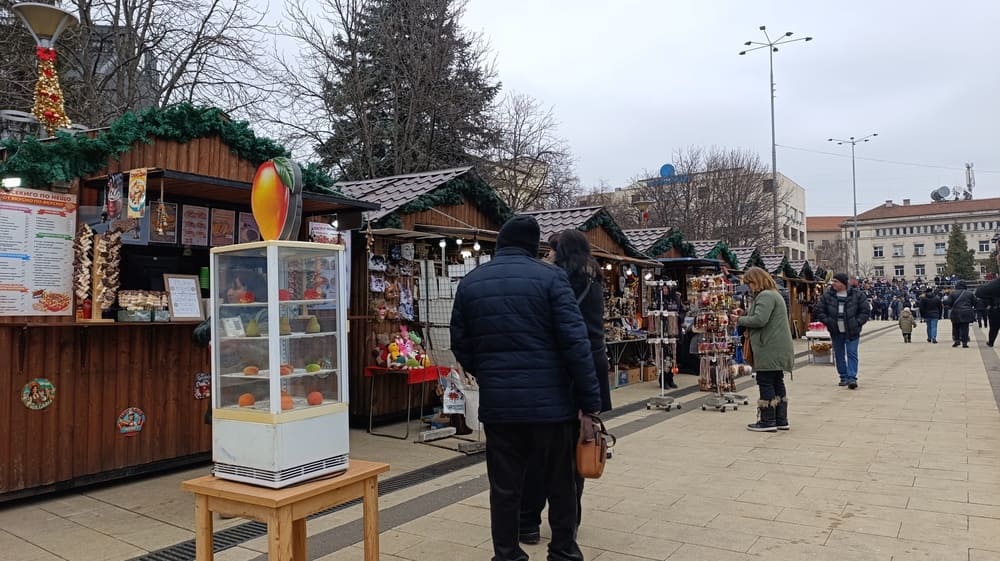
Visitors can watch colorful parades in the city center, where performers march and dance while ringing their heavy bells. The festival atmosphere is lively, with traditional music, street food, and cultural exhibitions adding to the experience.
Because the Surva Festival is one of the most famous winter cultural events in Bulgaria, it attracts visitors from many countries who come to see the spectacular masks and ancient traditions in person.
For travelers interested in folklore, photography, or unique cultural events, the Surva Festival offers a rare opportunity to witness a living tradition that has been preserved for generations.
Frequently Asked Questions About the Surva Festival
What is the Surva Festival?
The Surva Festival is an annual masquerade festival held in Pernik. During the event, performers known as Kukeri wear elaborate masks and costumes while dancing and ringing large bells. The ritual symbolically drives away evil spirits and welcomes health, prosperity, and good fortune for the new year.
When is the Surva Festival held?
The Surva Festival usually takes place during the last weekend of January in Pernik, a city located near Sofia. The event lasts for three days and includes parades, performances, and cultural activities.
What are Kukeri?
Kukeri are traditional masked performers in Bulgaria who take part in ancient ritual celebrations. They wear large handmade masks, animal skins, and belts with heavy bells. Their energetic dances and loud sounds are believed to chase away evil spirits and bring prosperity to the community.
Why are the Kukeri masks so large and frightening?
The masks are designed to look intimidating in order to scare away evil spirits. Many masks are handmade and decorated with horns, feathers, beads, and colorful fabrics. The dramatic appearance helps represent supernatural creatures that protect the community during the ritual celebrations.
Is the Surva Festival recognized by UNESCO?
Yes. The Kukeri tradition connected with the Surva Festival was added to the Intangible Cultural Heritage list by UNESCO in 2015, recognizing its cultural importance and efforts to preserve the tradition.
Final Thoughts
Experiencing the Surva Festival in Pernik was more than just watching a parade, it felt like stepping into a living tradition that connects the past with the present. From the powerful dances of the Kukeri to the incredible handmade masks and the deep sound of ringing bells, the festival reflects the rich folklore and cultural identity of Bulgaria.
What makes the Surva Festival so special is that it is not only a performance for visitors, but a tradition that communities continue to preserve and celebrate every year. Seeing it in person offers a unique glimpse into centuries-old beliefs about protecting the community, welcoming the new year, and keeping cultural heritage alive.
For travelers interested in folklore, photography, or authentic cultural experiences, the Surva Festival remains one of the most fascinating winter festivals in Europe.
You might like it also:
- Belogradchik, Bulgaria: An Underrated Weekend Road Trip from Sofia
- The Ultimate Sofia Bulgaria Travel Guide