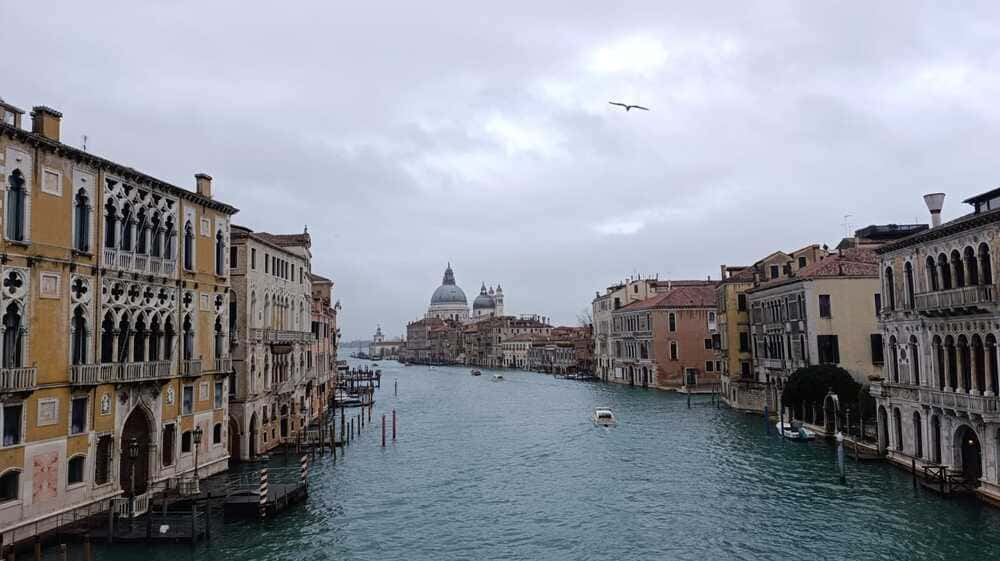
If you’re finishing your trip in Venice and wondering where to go next, the answer is simple: Verona.
Verona is one of the best cities to visit after Venice. It’s easy to reach, compact, and perfect for a short stay. If you’re planning a northern Italy itinerary, adding Verona after Venice makes complete sense.
This Verona travel guide covers exactly how to spend 2 days in Verona, including the best things to do, where to stay, and practical travel tips. Compared to Venice, Verona feels calmer and more relaxed. You can walk everywhere, enjoy historic squares without heavy crowds, and experience authentic local food and wine.
If you’re deciding between heading home or adding one more stop after Venice, 2 days in Verona is the perfect choice.
How to Get from Venice to Verona
Traveling from Venice to Verona is simple. You have two main options: train or bus. Both are convenient, but each has its pros and cons depending on your priorities.
By Train (Fastest & Most Convenient)
Taking the train is the quickest and easiest way to travel from Venice to Verona.
- Route: Venezia Santa Lucia → Verona Porta Nuova
- Travel time: 1h15–1h30
- Frequency: Trains run every 30–60 minutes
Pros:
- Fast and reliable
- Comfortable seats and luggage space
- Avoids traffic delays
- Direct route to Verona’s city center
Tips:
- High-speed trains are faster but slightly more expensive.
- Regional trains are cheaper and still comfortable.
- From Verona Porta Nuova, it’s a 15–20 minute walk to the historic center or a short bus ride if you have heavy luggage.
For most travelers, the train is the best choice when going from Venice to Verona.
By Bus (Budget-Friendly Option)
If you want a cheaper alternative, consider taking a bus.
- Travel time: Around 2 hours (can vary depending on traffic)
- Pros: Usually less expensive than the train, good for flexible or last-minute travel
- Cons: Slower, potential traffic delays, fewer amenities than trains
Buses depart from Venice’s main bus terminals and arrive near Verona’s city center. If you’re on a tight budget, this is a good option.
Where to Stay in Verona
Picking the right area makes your 2-day trip much easier. Verona is small and walkable, so you can reach most attractions from anywhere, but some neighborhoods are better for different travelers.
Historic Center (Centro Storico) – Best for First-Time Visitors
- Close to Verona Arena, Piazza Bra, Piazza delle Erbe
- Lots of restaurants, cafes, and shops
- Safe and convenient
Tip: Book early in summer or during opera season.
San Zeno – Quiet & Local
- Near Basilica di San Zeno
- Residential, peaceful area
- Good local restaurants
Tip: A short 10–15 min walk to the historic center.
Veronetta – Budget-Friendly & Lively
- Across the river, near the bridges
- Younger, student vibe
- Affordable hotels and casual restaurants
Tip: Streets can be lively at night.
Things to Do in Verona – 2-Day Itinerary
Verona is easy to explore on foot. Here’s a complete list of attractions and experiences for your 2-day trip. Each place has a brief paragraph plus quick tips for travel time and highlights.
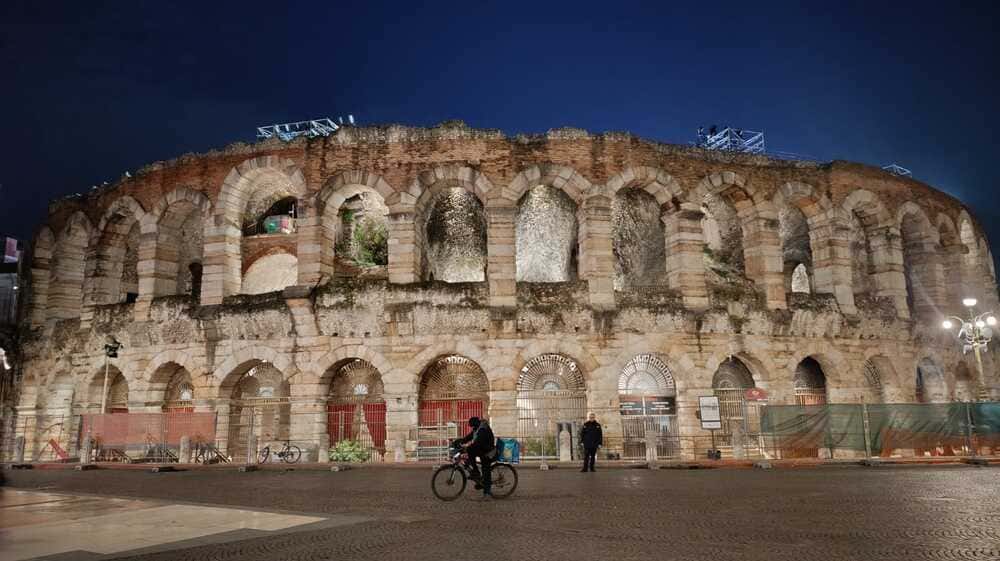
Verona Arena
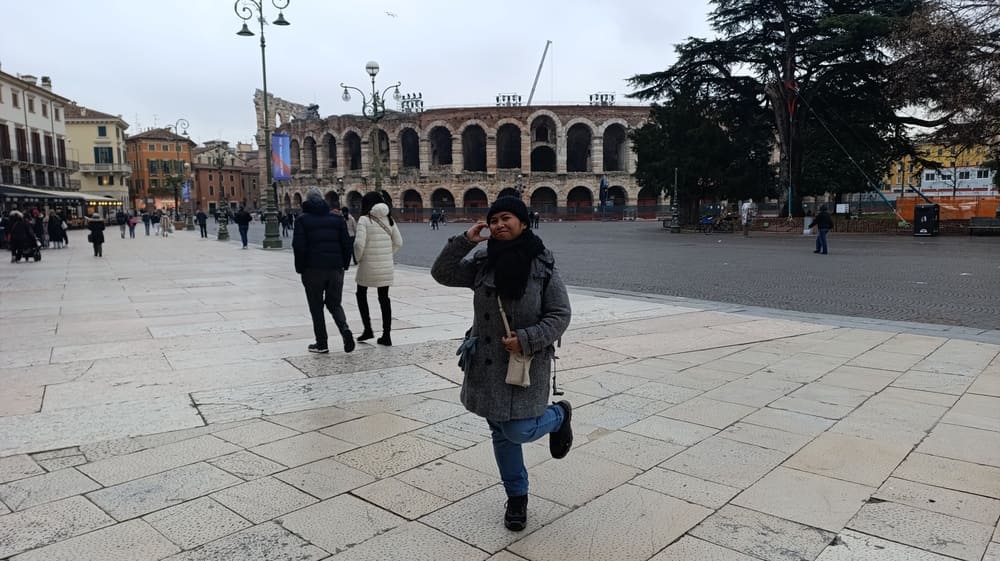
The Verona Arena is the city’s most iconic landmark. Built in the 1st century, it’s one of the best-preserved Roman amphitheaters in the world. You can walk inside, climb the seating areas, and imagine the gladiator shows from ancient times. In summer, the arena hosts opera performances, which are unforgettable if you’re visiting then.
- Travel tip: Go early in the morning to avoid crowds
- Time needed: 45–60 minutes
- Highlight: Summer opera performance
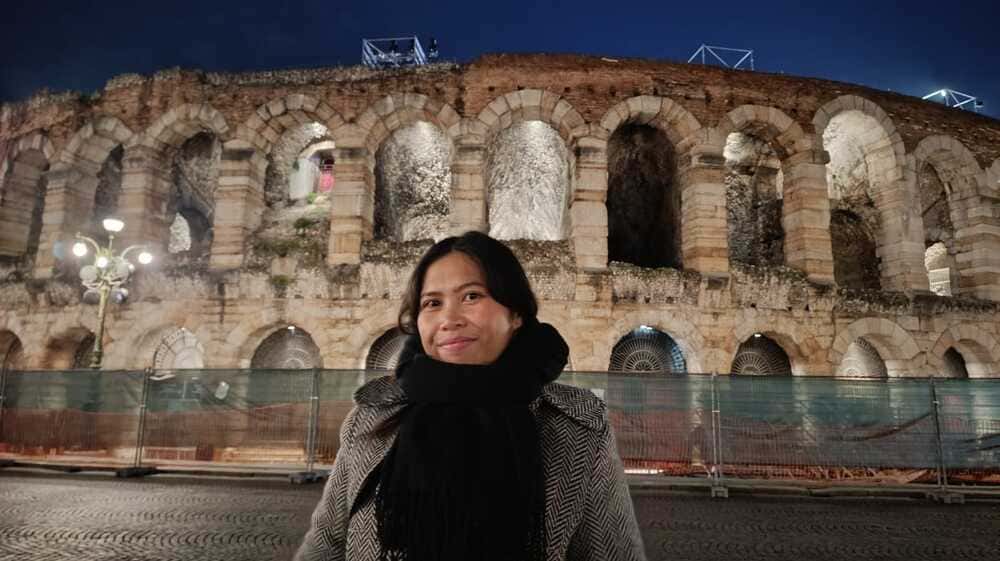
Piazza Bra
Right outside the Arena is Piazza Bra, Verona’s largest square. Wide and lively, it’s surrounded by cafes and historic buildings. It’s perfect for a coffee break or people-watching.
- Tip: Walk a few streets away for better prices
- Time needed: 20–30 minutes
- Highlight: Vibrant city atmosphere
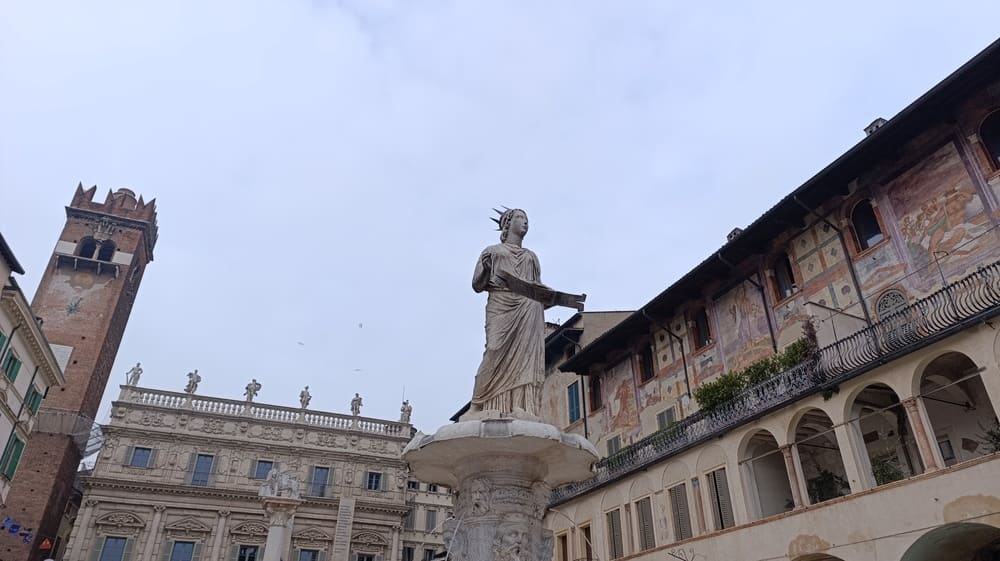
Piazza delle Erbe
The Piazza delle Erbe is the oldest square in Verona, once the Roman forum. Today it’s full of colorful buildings, market stalls, and wine bars. Don’t miss climbing Torre dei Lamberti for panoramic city views.
- Tip: Spend time exploring nearby side streets
- Time needed: 1 hour
- Highlight: City views from the tower
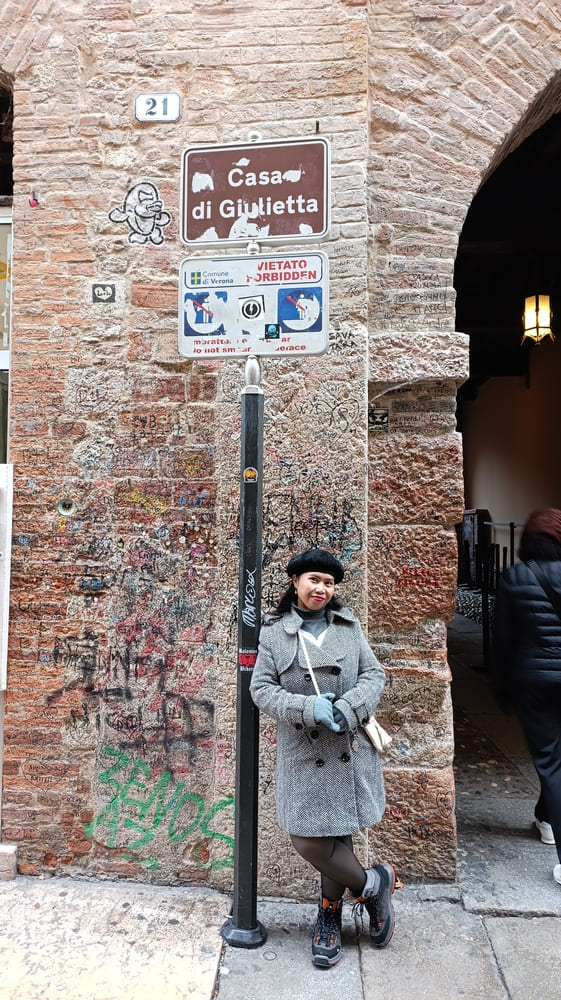
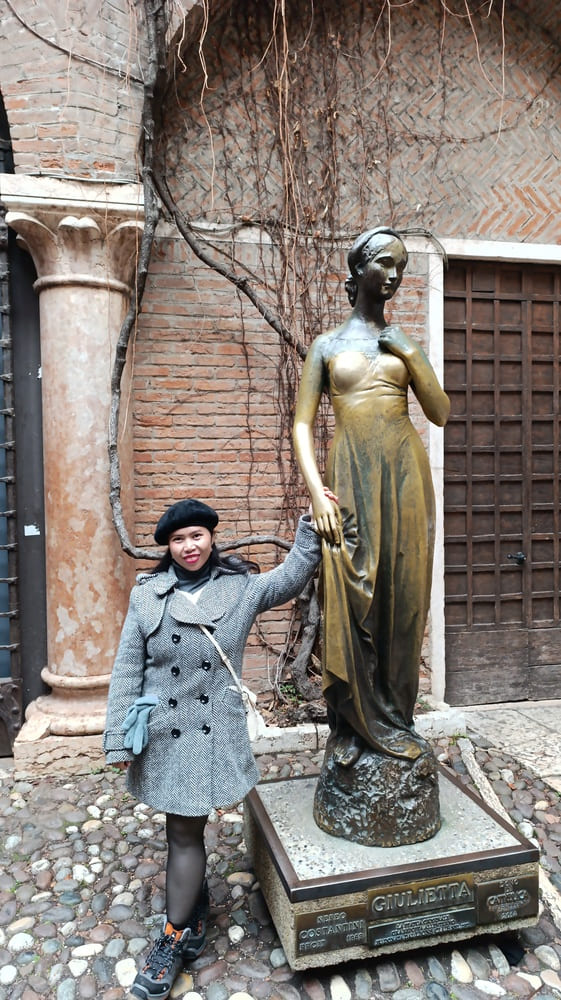
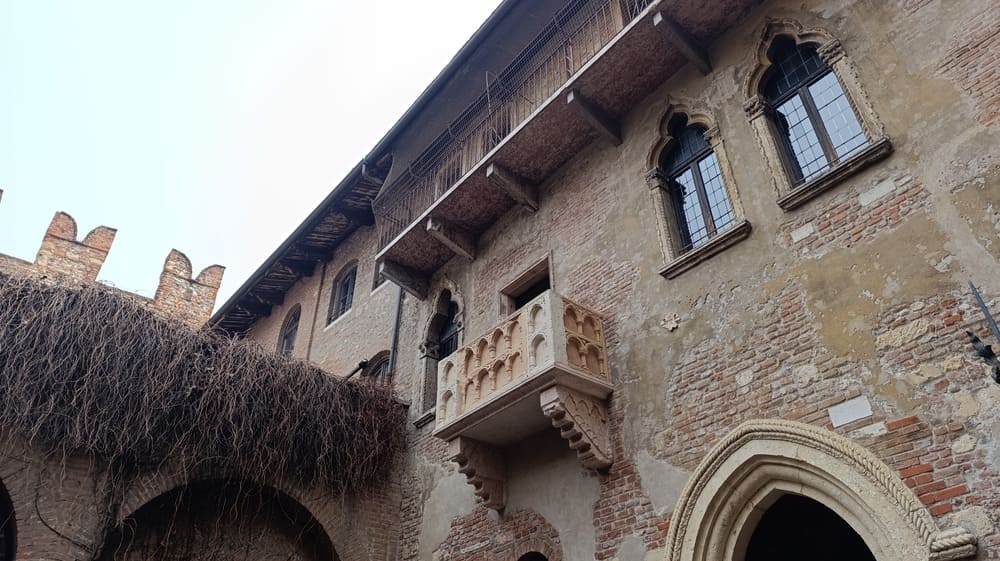
Juliet’s House
Visit Casa di Giulietta, the famous “Juliet’s Balcony.” The small courtyard and balcony are iconic, and even a brief visit gives a taste of Verona’s literary fame.
- Tip: Visit early morning or late afternoon to avoid crowds
- Time needed: 15–20 minutes
- Highlight: Balcony photo opportunity
Ponte Pietra & River Walk
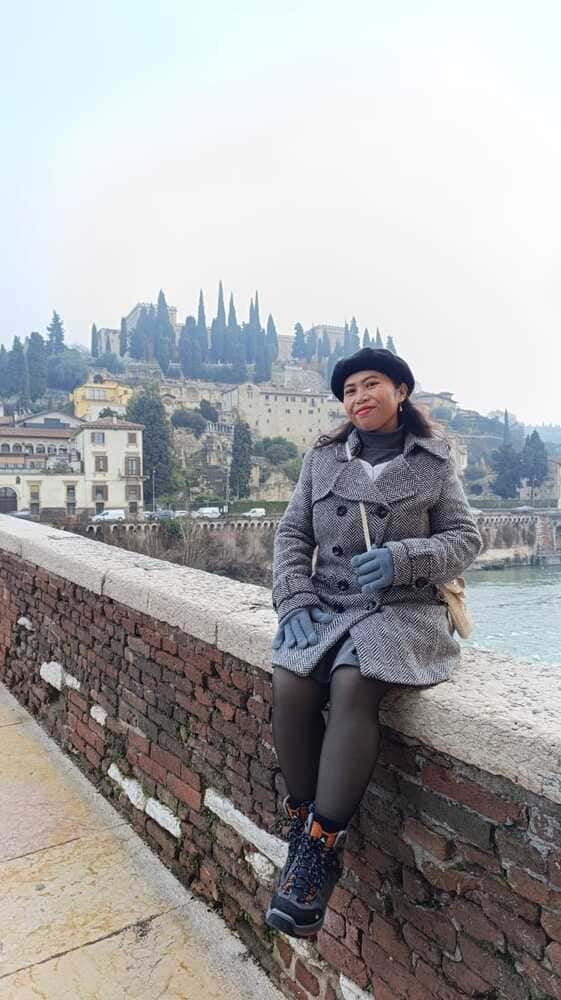
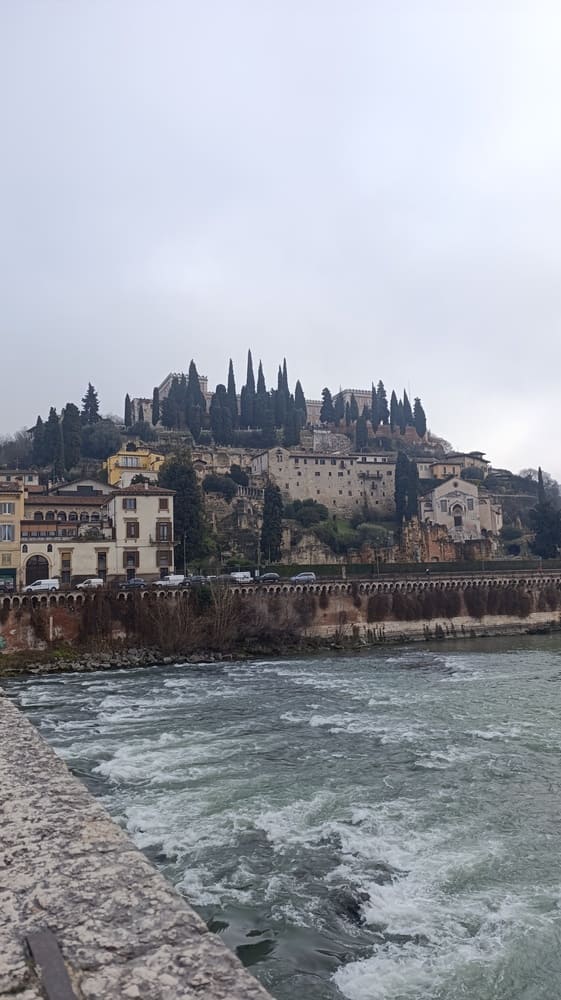
Cross Ponte Pietra, the city’s oldest bridge. The stone arches provide great photo opportunities and scenic views. Stroll along the Adige River afterward for a quieter, picturesque side of Verona.
- Tip: Best light for photos in late afternoon
- Time needed: 30 minutes
- Highlight: Historic Roman bridge
Castel San Pietro
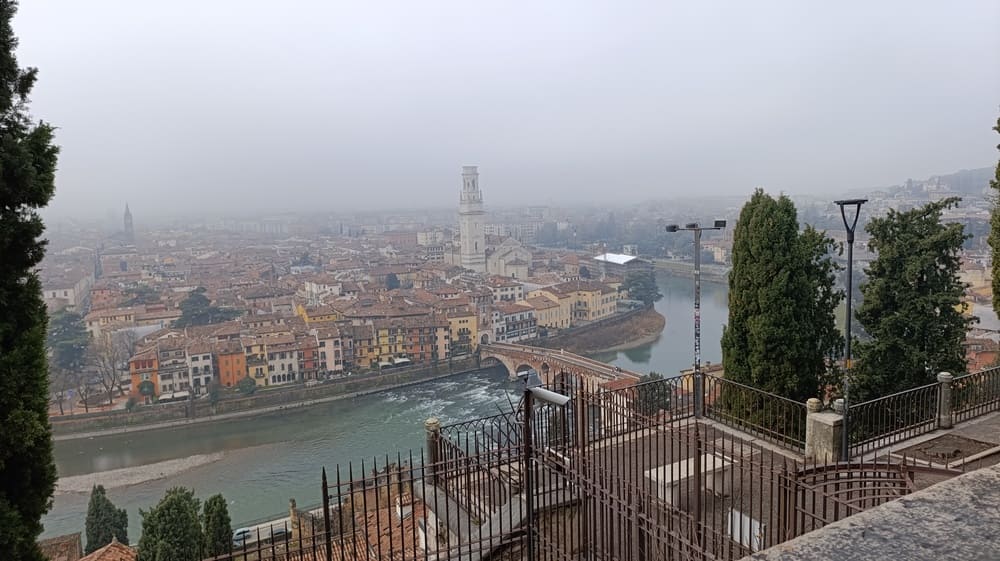
For panoramic views, head to Castel San Pietro. Accessible by stairs or funicular, this hilltop spot offers incredible views of the river and red rooftops, especially at sunset.
- Tip: Bring water if walking up the stairs
- Time needed: 30–45 minutes
- Highlight: Sunset city panorama
Castelvecchio & Castelvecchio Bridge
Explore Castelvecchio, a 14th-century fortress housing a museum with medieval weapons, art, and sculptures. Walk across Castelvecchio Bridge for stunning river views.
- Time needed: 1 hour
- Highlight: Medieval architecture and riverside views
Basilica di San Zeno
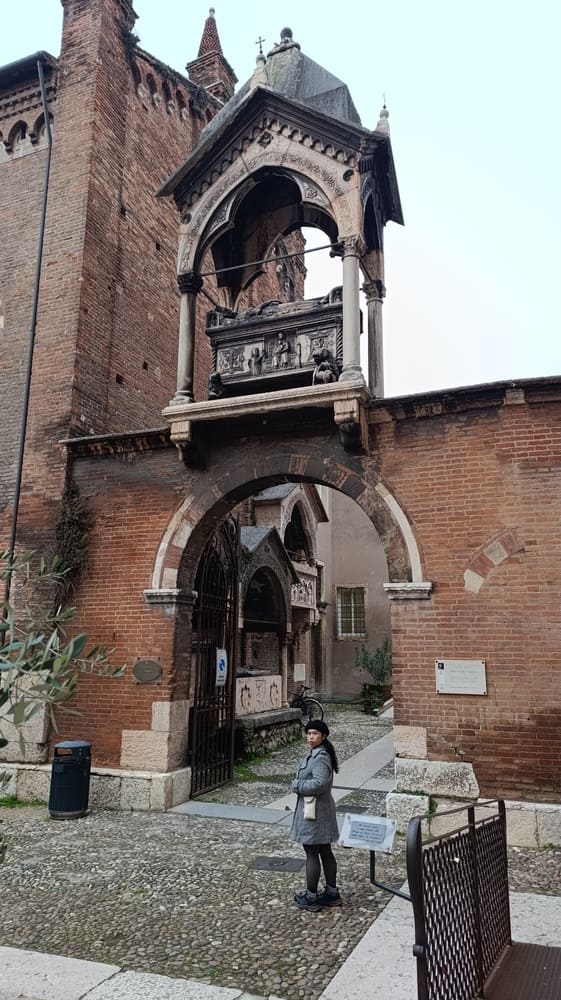
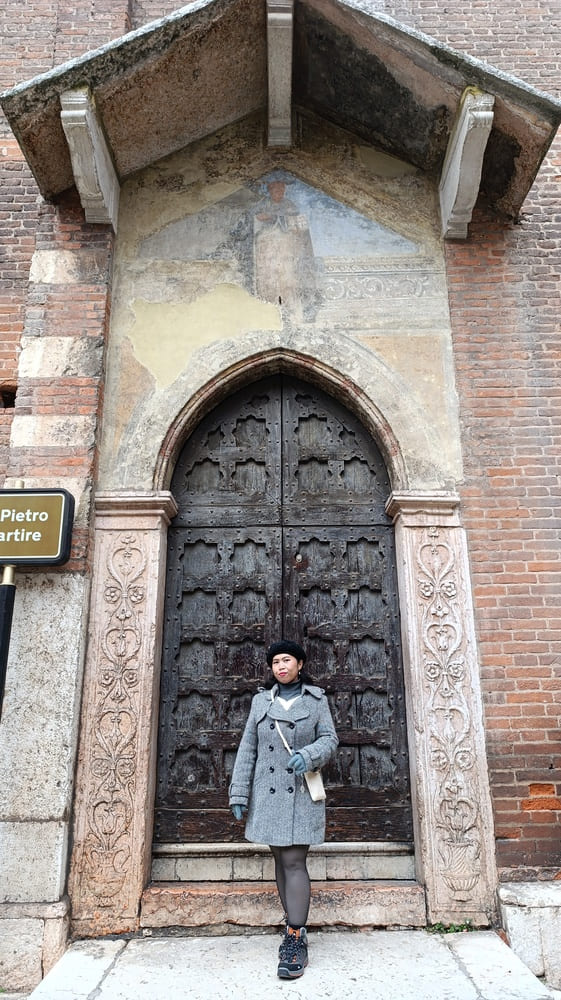
The Basilica di San Zeno is a Romanesque masterpiece. The quiet square and peaceful interior give a local feel away from the main tourist areas.
- Time needed: 45 minutes
- Highlight: Detailed architecture and calm atmosphere
Optional: Half-Day Trip to Lake Garda
For a change of pace, take a 20-minute train to Lake Garda. Visit Sirmione to see lakeside streets, castles, and water views.
- Tip: Best for warm afternoons or relaxing half-day excursions
- Time needed: 3–4 hours
- Highlight: Scenic lake views
Food & Wine in Verona
Don’t miss Verona’s local cuisine. Try risotto all’Amarone, bigoli pasta, pastissada de caval, and pearà (pepper sauce). For dessert, taste Pandoro, the traditional sweet bread. Pair meals with Amarone or Valpolicella wines from the Valpolicella region.
- Tip: Walk a few streets from major squares for authentic restaurants
- Highlight: Traditional dishes and local wine
Final Thoughts
Two days in Verona is enough to see the main attractions, enjoy local food, and experience the city’s charm. After visiting Venice, Verona is the perfect next stop: it’s close, walkable, and offers a mix of history, culture, and scenic views.
- Plan ahead: Buy Arena tickets online if visiting during opera season.
- Wear comfortable shoes: The historic streets are cobblestoned.
- Walk everywhere: Most landmarks, squares, and restaurants are within easy walking distance.
- Try local food and wine: Verona’s cuisine is a highlight, so don’t miss it.
- Take your time: Two days is perfect for seeing the city without feeling rushed.
Verona combines Roman history, medieval architecture, and Italian charm in a compact, walkable city. Whether you’re exploring the Arena, walking along Ponte Pietra, enjoying sunset from Castel San Pietro, or tasting Valpolicella wines, Verona leaves a lasting impression.
Follow this guide to make the most of your 2 days, and you’ll leave the city with memories of beautiful squares, historic landmarks, delicious food, and a relaxed northern Italy vibe.
Related posts:
 Vienna Travel Guide: 3-Day Itinerary, Christmas Market & Budget Tips
 Bratislava in One Day: Complete Guide, Things To Do & Travel Tips
 Exploring Budapest: Top Attractions in Buda and Pest
 Things to Do in Malaga for First-Time Visitors (A Budget Backpacker’s Guide)
 2 Days in Nicosia: Top Things to See and Do on Both Sides