Budapest is one of the most beautiful cities in Central Europe, famous for its grand architecture, thermal baths, historic landmarks, and the Danube River that divides the city into two distinct sides: Buda and Pest.
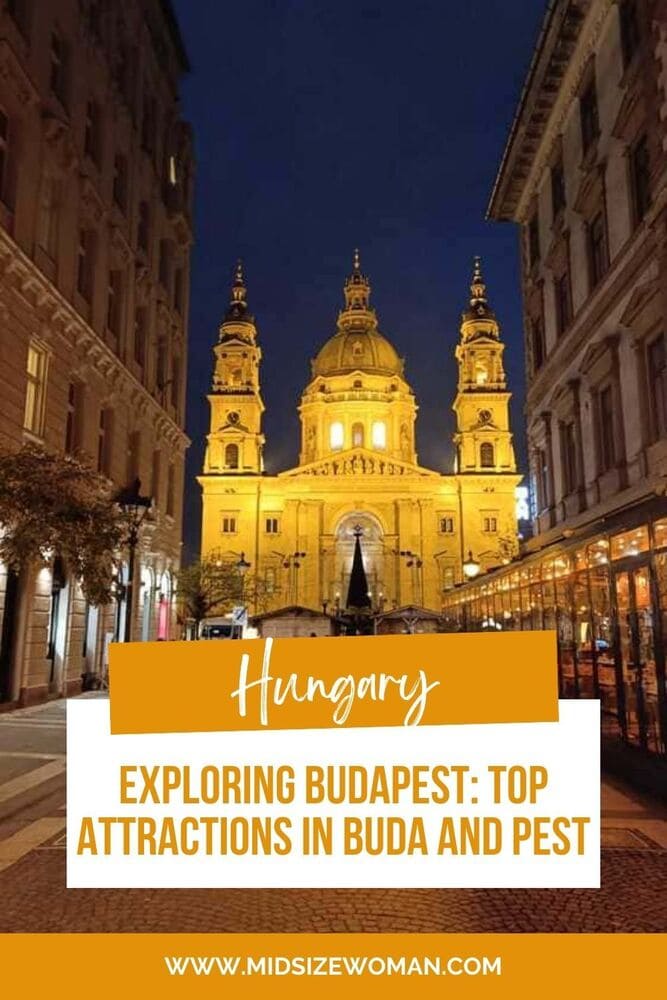
While Buda is known for its castle district, panoramic viewpoints, and quieter atmosphere, Pest is the city’s lively heart, filled with cafés, restaurants, nightlife, and iconic landmarks like the Hungarian Parliament Building and St. Stephen’s Basilica.
I visited Budapest after exploring Vienna and Bratislava, and the city immediately felt different. It was bigger, busier, and full of character. The contrast between the elegant streets of Pest and the historic hills of Buda made it one of my favorite stops in Central Europe.
If you’re planning your first trip, this Budapest travel guide covers everything you need to know, including the best things to do, where to stay, how to get around, what to eat, and practical tips to help you make the most of your visit.
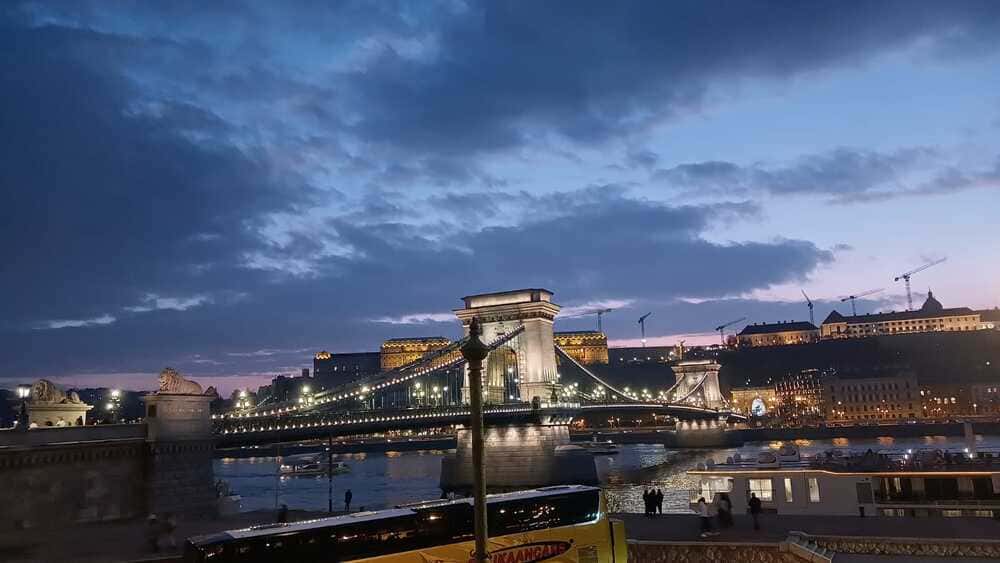
Budapest at a Glance
- Best time to visit: Spring (April–May) and Autumn (September–October)
- Recommended stay: 2–3 days
- Currency: Hungarian Forint (HUF)
- Language: Hungarian
- Getting around: Walking, metro, trams, and buses
- Best area to stay: Pest (Districts V, VI, or VII)
A Short History of Buda and Pest
Although they are now one city, Buda and Pest were once separate towns with very different identities.
Buda, on the western side of the Danube, developed as the political and royal center. Its hills provided natural defenses, making it the perfect location for castles, churches, and military fortifications.
Across the river, Pest grew into the commercial and cultural heart of the region. With its flat streets, grand boulevards, and bustling markets, it eventually became the larger and more populated side of the city.
In 1873, Buda, Pest, and Óbuda officially merged to create modern Budapest. Today, that historic divide still shapes the city’s character, giving visitors two completely different experiences within a single destination.
Where to Stay in Budapest
Budapest is divided into two main areas by the Danube River: Buda and Pest. While both are well connected by public transport, most first-time visitors will find Pest to be the most convenient place to stay.
Pest (Best for First-Time Visitors)
Pest is the city’s vibrant center, home to many of Budapest’s most famous attractions, restaurants, cafés, and nightlife. Staying here means you can walk to landmarks like the Hungarian Parliament Building, St. Stephen’s Basilica, and the Danube Promenade.
It’s also where you’ll find the widest range of accommodation, from budget hostels to boutique hotels and apartments.
If you’re visiting Budapest for two or three days, Pest is the best base for exploring the city.
Buda (Best for a Quieter Stay)
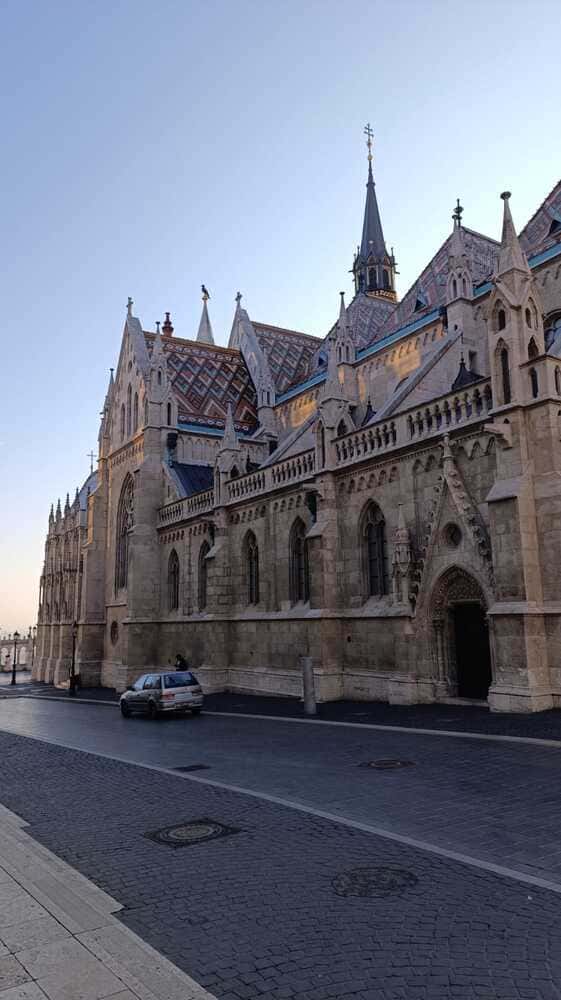
If you prefer a slower pace, consider staying in Buda. This side of the city is known for its historic streets, scenic viewpoints, and attractions such as Buda Castle, Fisherman’s Bastion, and Matthias Church.
Accommodation is generally quieter, making it a good choice for couples or travelers looking to escape the busier city center. Thanks to Budapest’s efficient public transport, it’s still easy to reach Pest in just a few minutes.
Getting Around Budapest
Budapest has one of the best public transportation systems in Central Europe, making it easy to explore both Buda and Pest without a car.
The city is served by:
- Metro
- Trams
- Buses
- Bolt (ride-hailing app)
For first-time visitors, walking is still the best way to experience Budapest. Many of the city’s most famous landmarks are within walking distance, especially around District V and along the Danube River.
If you plan to visit attractions on both sides of the city, consider buying a 24-hour or 72-hour public transport pass. It’s affordable and gives you unlimited access to the metro, trams, and buses.
For late-night trips or when you’re carrying luggage, Bolt is generally the easiest alternative to regular taxis.
Walking Around Budapest
One of the best ways to experience Budapest is simply by walking.
Many of the city’s iconic landmarks are connected by pleasant riverside paths and pedestrian-friendly streets. Walking between attractions also gives you the chance to discover beautiful architecture, local cafés, and hidden corners that you might otherwise miss.
Best Things to Do in Buda
Buda is the quieter and more historic side of Budapest. Built on rolling hills overlooking the Danube River, it’s home to some of the city’s most iconic landmarks and best viewpoints. Even if you’re staying in Pest, set aside at least half a day to explore this side of the city.
Visit Buda Castle
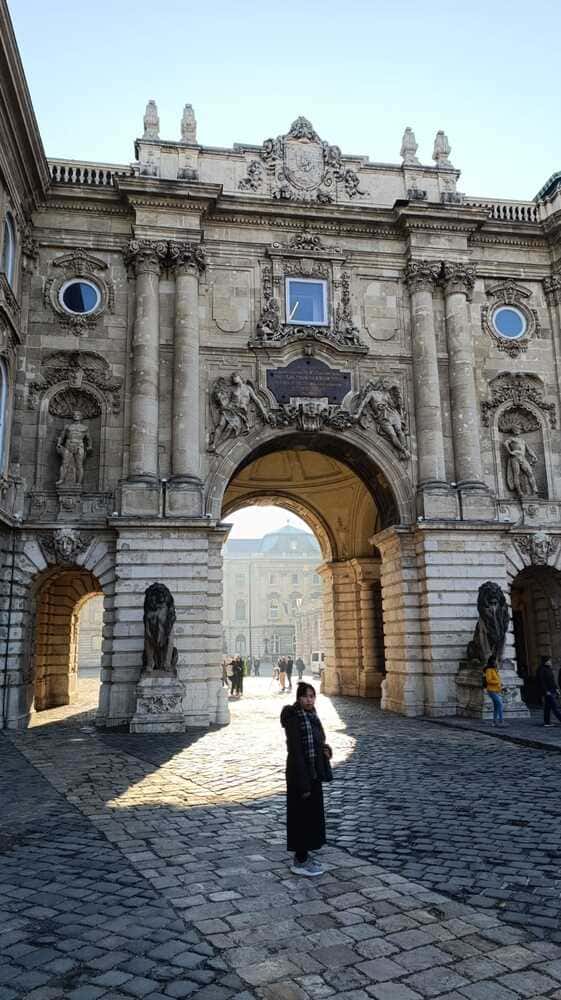
Perched on Castle Hill, Buda Castle is one of Budapest’s most recognizable landmarks. Originally built in the 13th century and rebuilt several times over the centuries, the castle complex now houses the Hungarian National Gallery and the Budapest History Museum.
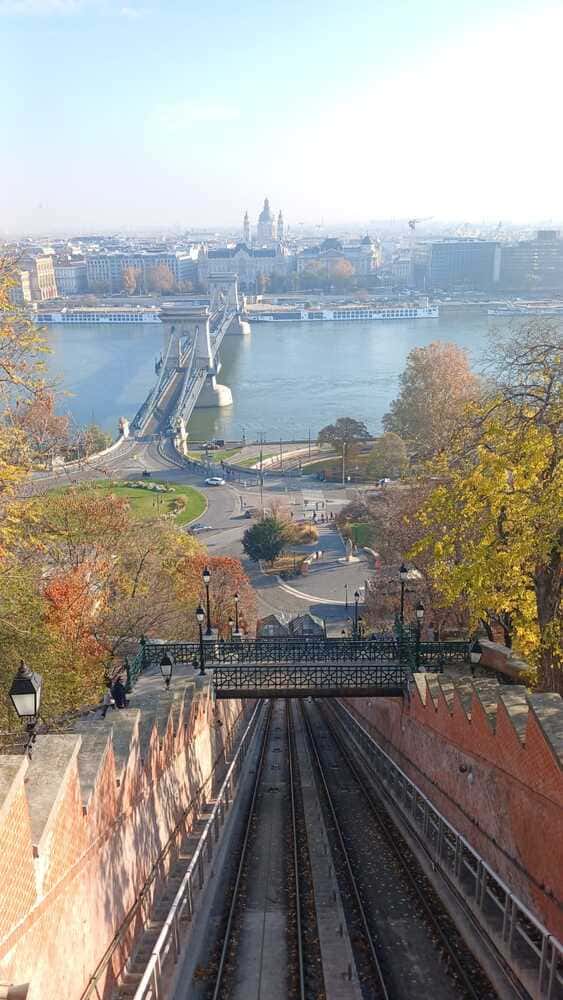
Even if you don’t plan to visit the museums, the castle grounds are worth exploring. Wander through the courtyards, admire the historic architecture, and enjoy panoramic views over the Danube and the Hungarian Parliament Building.
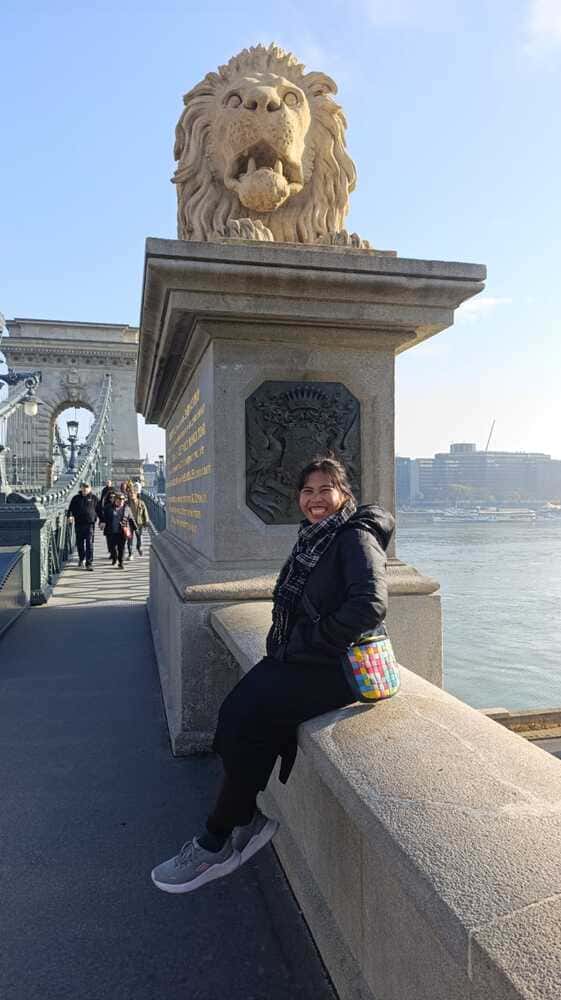
The easiest way to reach Buda Castle is by walking uphill from the Chain Bridge or taking the historic Castle Hill Funicular.
Explore Fisherman’s Bastion
Just a short walk from Buda Castle is Fisherman’s Bastion, one of the most photographed attractions in Budapest.
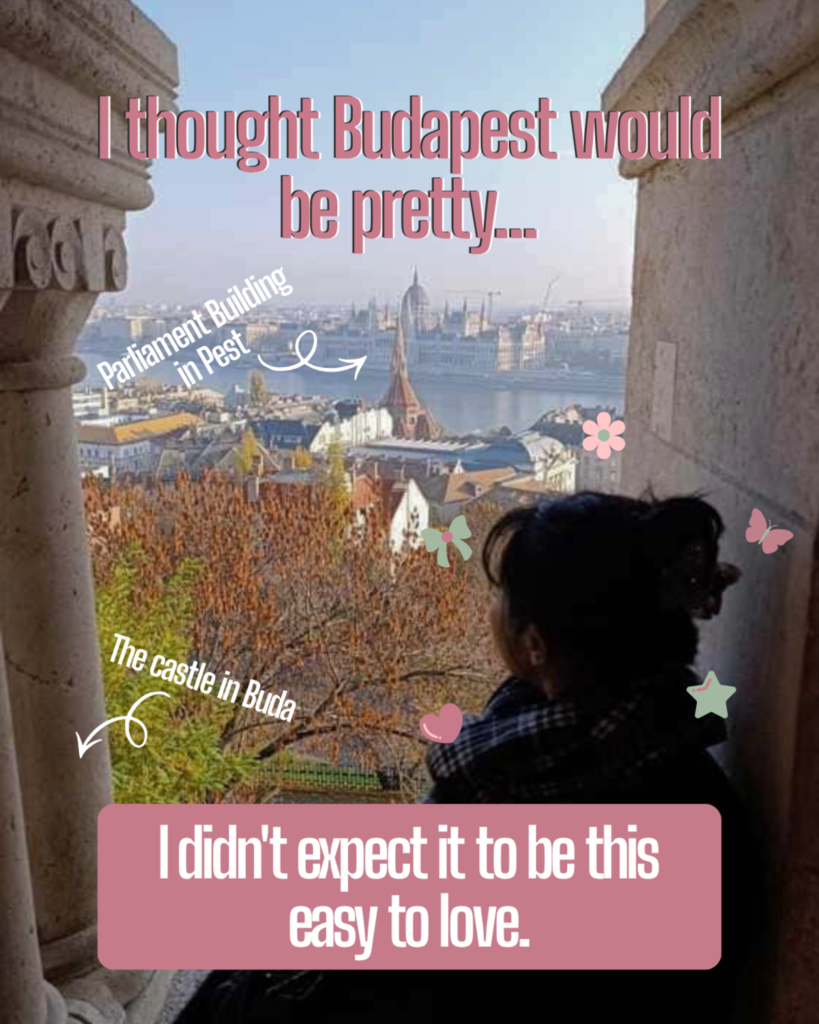
With its fairytale-like towers, white stone terraces, and sweeping views of the city, it’s easy to see why this spot is so popular. From here, you’ll have one of the best views of the Hungarian Parliament Building across the Danube.
Parts of Fisherman’s Bastion are free to visit, while some upper terraces require a small entrance fee during the day. Early morning or late afternoon is the best time to visit for fewer crowds and softer light.
Step Inside Matthias Church
Located next to Fisherman’s Bastion, Matthias Church stands out with its colorful tiled roof and Gothic architecture.
The church has played an important role in Hungarian history, hosting royal coronations and ceremonies for centuries. Inside, you’ll find intricate frescoes, stained glass windows, and beautifully decorated interiors that are very different from many other European churches.
Even if you’re not planning to enter, the exterior is one of the highlights of the Castle District.
Walk Around the Castle District
One of the best things to do in Buda doesn’t require a ticket.
Take your time wandering the cobbled streets around the Castle District, where you’ll find historic buildings, charming cafés, quiet squares, and scenic viewpoints overlooking the city. Compared to the busy streets of Pest, this area has a much more relaxed atmosphere and is perfect for slow travel.

Best Things to Do in Pest
While Buda is known for its castles and viewpoints. Pest is the vibrant heart of Budapest. It’s where you’ll find many of the city’s most famous landmarks, lively cafés, shopping streets, and local restaurants. Most first-time visitors spend the majority of their time exploring this side of the Danube.
Visit the Hungarian Parliament Building
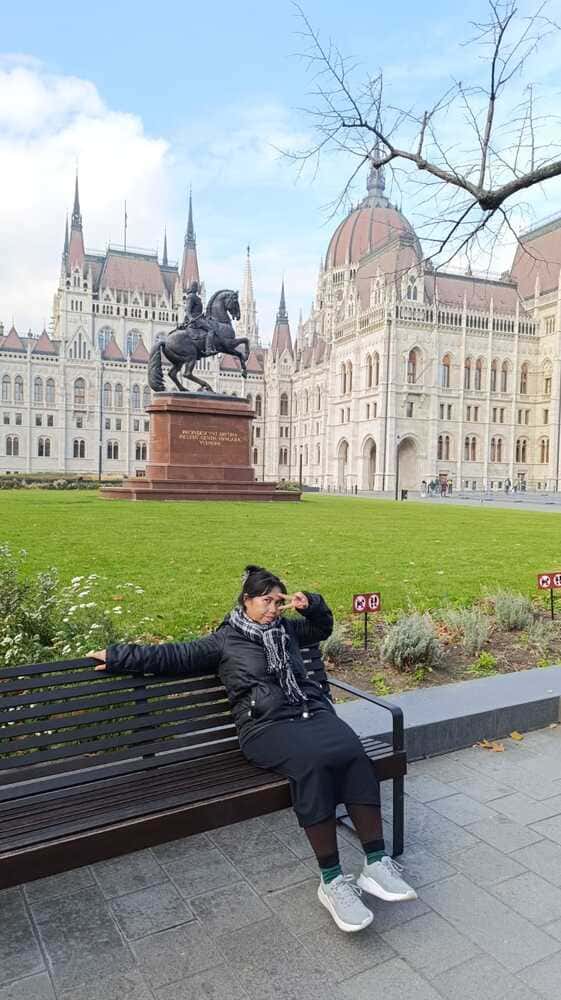
The Hungarian Parliament Building is one of Budapest’s most iconic landmarks and a must-see for anyone visiting the city. Located along the banks of the Danube River, it’s considered one of the largest and most beautiful parliament buildings in the world.
Even if you don’t join a guided tour inside, it’s worth walking around the exterior to admire its impressive Neo-Gothic architecture. For one of the best views, head across the river to Fisherman’s Bastion or take a stroll along the Danube Promenade.
Climb St. Stephen’s Basilica
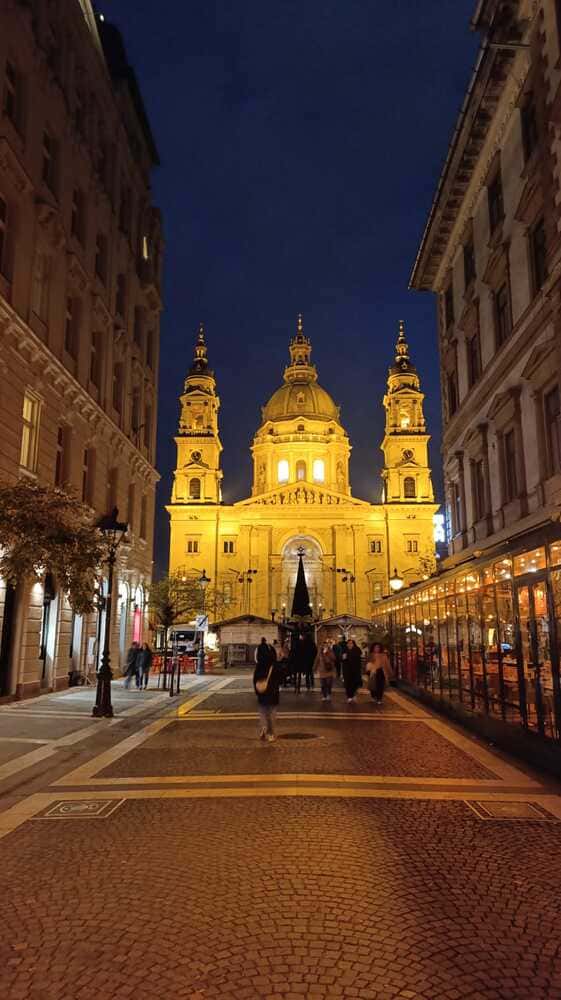
Named after Hungary’s first king, St. Stephen’s Basilica is one of Budapest’s most important religious landmarks.
The beautifully decorated interior is worth visiting, but the real highlight is the observation deck at the top of the dome. From here, you’ll enjoy panoramic views across Budapest, making it one of the city’s best viewpoints.
If you’re visiting during peak season, it’s worth booking your ticket in advance to avoid waiting in line.
Visit the Shoes on the Danube Bank
A short walk from the Parliament Building is the Shoes on the Danube Bank, one of Budapest’s most moving memorials.
The sixty pairs of iron shoes commemorate the Jewish victims who were executed along the river during World War II. Visitors often leave flowers or candles beside the sculptures as a sign of remembrance.
Although simple in design, it’s one of the city’s most meaningful places to visit and offers a chance to reflect on an important part of Hungary’s history.
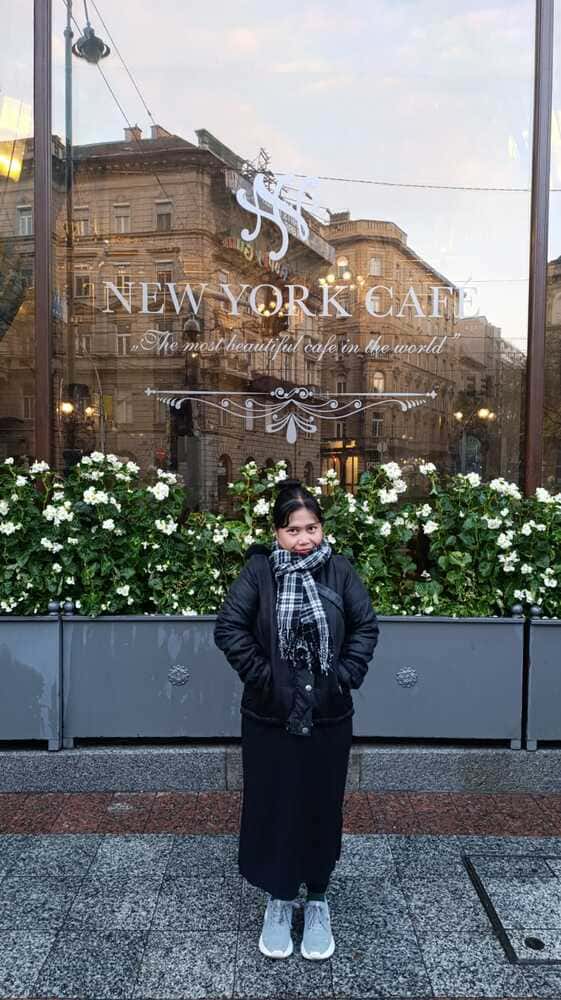
Relax at New York Café
Often called one of the most beautiful cafés in the world, New York Café is famous for its grand chandeliers, marble columns, and elegant interiors.
It’s undoubtedly a tourist hotspot, so expect higher prices and long queues during busy periods. Still, if you’ve always wanted to experience Budapest’s historic café culture, it’s worth stopping by for a coffee or dessert.
Arriving early in the morning is the best way to avoid the biggest crowds.
Walk Along the Danube Promenade
One of the simplest yet most enjoyable things to do in Budapest is walking along the Danube Promenade.
The riverside path connects several of the city’s major attractions while offering beautiful views of Buda Castle, the Chain Bridge, and the Hungarian Parliament Building. It’s especially scenic around sunset when many of Budapest’s landmarks begin to light up.
If you’re traveling on a budget, this is one of the best free activities in the city.
What to Eat in Budapest
Hungarian cuisine is hearty, comforting, and full of rich flavors. Whether you’re eating at a traditional restaurant or stopping by a local bakery, trying a few local dishes is one of the best ways to experience Budapest.
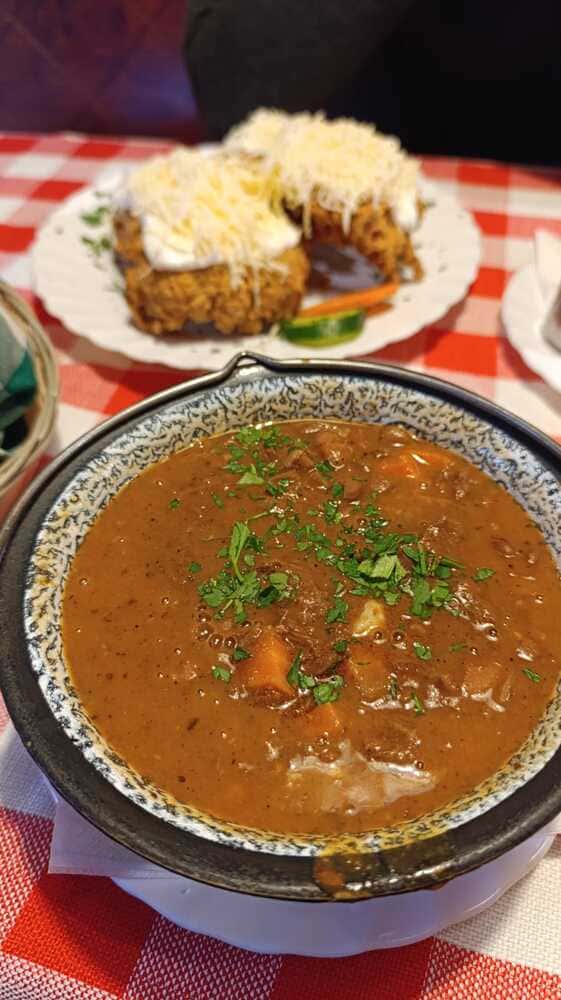
Goulash
Goulash is Hungary’s most famous dish and a must-try for first-time visitors. Unlike the thick stew many people expect, traditional Hungarian goulash is a rich soup made with beef, potatoes, vegetables, and plenty of paprika.
It’s especially satisfying during the colder months.
Lángos
Lángos is one of Hungary’s most popular street foods. This deep-fried flatbread is usually topped with sour cream and grated cheese, though you’ll also find versions with garlic, ham, or other toppings.
It’s inexpensive, filling, and easy to find at markets and food stalls around the city.
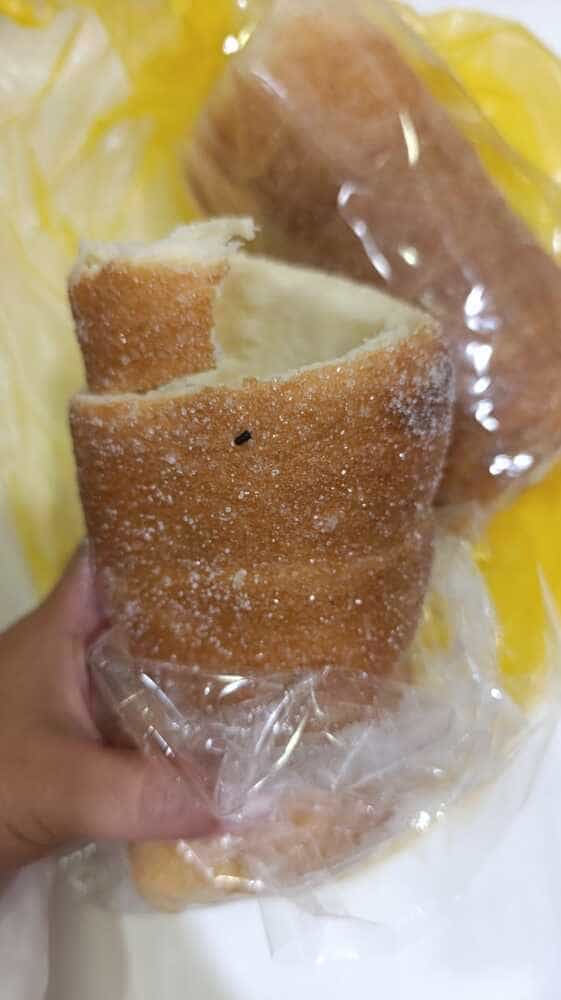
Chimney Cake (Kürtőskalács)
Although chimney cake is popular across several Central European countries, it’s a favorite sweet treat in Budapest.
Freshly baked over an open flame and coated with sugar, cinnamon, cocoa, or crushed nuts, it’s the perfect snack while exploring the city.
Coffee and Cake at New York Café
If you decide to visit New York Café, take the opportunity to enjoy a coffee and traditional Hungarian dessert. While it’s more expensive than most cafés in Budapest, many visitors come for the stunning interior as much as the food itself.

Tips for First-Time Visitors
A little planning can make your trip to Budapest smoother and more enjoyable. If you’re visiting for two or three days, spend at least one day exploring Buda and another discovering Pest.
- Buy a public transport pass if you plan to use the metro, trams, or buses several times a day.
- Wear comfortable shoes, as many attractions are within walking distance.
- Carry some Hungarian Forints, as smaller shops or markets may not always accept cards.
- Book popular attractions, such as the Hungarian Parliament Building, in advance during peak season.
- Visit major landmarks early in the morning or later in the afternoon to avoid the largest crowds.
FAQ
Yes. Budapest offers a great mix of history, architecture, local food, and cultural attractions, making it one of the most rewarding cities to visit in Central Europe.
Two to three days is enough to see the main attractions in both Buda and Pest. If you plan to visit museums or thermal baths, consider staying an extra day.
Compared to many Western European capitals, Budapest is relatively affordable. Accommodation, public transport, and local restaurants generally offer good value for money.
For most first-time visitors, Pest is the best area to stay thanks to its central location, excellent public transport, and easy access to major attractions.
Final Thoughts
Budapest ended up being one of my favorite cities in Central Europe. I loved how different Buda and Pest felt, even though they’re connected by just a few bridges. One side is full of castles and viewpoints, while the other is packed with cafés, historic buildings, and busy streets.
If it’s your first time visiting, I’d recommend giving yourself at least two or three days. That gives you enough time to see the main attractions without feeling like you’re rushing from one place to the next.
For me, Budapest is a city that’s easy to explore, easy to enjoy, and definitely worth adding to your Central Europe itinerary.

Related posts:
 Vienna Travel Guide: Best Things to Do & Tips for First-Time Visitors
 2 Days in Nicosia: Top Things to See and Do on Both Sides
 Sofia Travel Guide for First-Time Visitors: Tips, Budget & Things to Do
 Sultanahmet, Istanbul: Complete Guide to Hagia Sophia, Blue Mosque & Top Attractions
 Is Plovdiv Worth Visiting? The Perfect Day Trip from Sofia