Rome is one of those cities that somehow exceeds expectations.
No matter how many photos you’ve seen of the Colosseum or Trevi Fountain, nothing quite compares to standing in front of them for the first time. At the same time, some of my favorite moments in Rome weren’t at the famous landmarks, they were wandering through quiet streets, stopping for coffee in a local café, and discovering beautiful piazzas I hadn’t planned to visit.
I visited Rome as part of a longer trip through Italy and quickly realized that it’s a city best explored at a slower pace. While you could spend days visiting museums and historical sites, simply walking around the city is an experience in itself.
That said, Rome can also feel overwhelming if it’s your first visit. Popular attractions sell out, the city is bigger than many people expect, and choosing the right area to stay can make a huge difference to your trip.
This guide brings together everything I think first-time visitors should know before visiting Rome, including the best things to do, practical travel tips, how much to budget, where to stay, how to get around, and the small things that made my own trip much easier.
Whether you’re visiting Rome for a weekend or adding it to a longer Italy itinerary, I hope this guide helps you make the most of your time in one of Europe’s most unforgettable cities.
How Many Days Do You Need in Rome?
I think 3 to 4 days is the perfect amount of time for a first visit to Rome.
That gives you enough time to see the city’s famous landmarks, visit a few museums if you’re interested, enjoy the local food, and still leave room to simply wander through Rome’s beautiful streets.
Of course, you could easily spend a week here without running out of things to do. But if you’re visiting Italy for the first time and also plan to explore cities like Florence or Venice, three or four days is a good balance.
Here’s what I’d recommend:
2 Days in Rome
Ideal if you’re short on time.
Focus on the city’s highlights, including the Colosseum, Roman Forum, Pantheon, Trevi Fountain, Spanish Steps, and Piazza Navona. Expect a busy itinerary with plenty of walking.
3 Days in Rome
This is what I’d recommend for most first-time visitors.
You’ll have enough time to visit the major attractions without feeling like you’re rushing from one place to another. You can also spend time exploring neighborhoods like Trastevere or enjoy a slower evening with dinner in one of Rome’s beautiful piazzas.
4 Days or More
If your schedule allows, staying longer is absolutely worth it.
An extra day gives you time to visit Vatican City, explore lesser-known neighborhoods, discover local markets, or simply enjoy Rome at a slower pace. One of the things I enjoyed most wasn’t checking landmarks off a list, it was walking through the city without a plan. Some of my favorite cafés, viewpoints, and streets were places I found completely by accident.
If you’re deciding between squeezing everything into two days or giving yourself an extra day, I’d always choose the slower option.
Suggested Rome Itinerary for First-Time Visitors
If you’re visiting Rome for the first time, it can be difficult to decide where to start. The city is packed with famous landmarks, museums, churches, and beautiful neighborhoods.
Rather than trying to see everything, I’d focus on Rome’s highlights while leaving plenty of time to enjoy the city itself.
Here’s how I’d spend two days in Rome.
Day 1: Ancient Rome & the Historic Centre
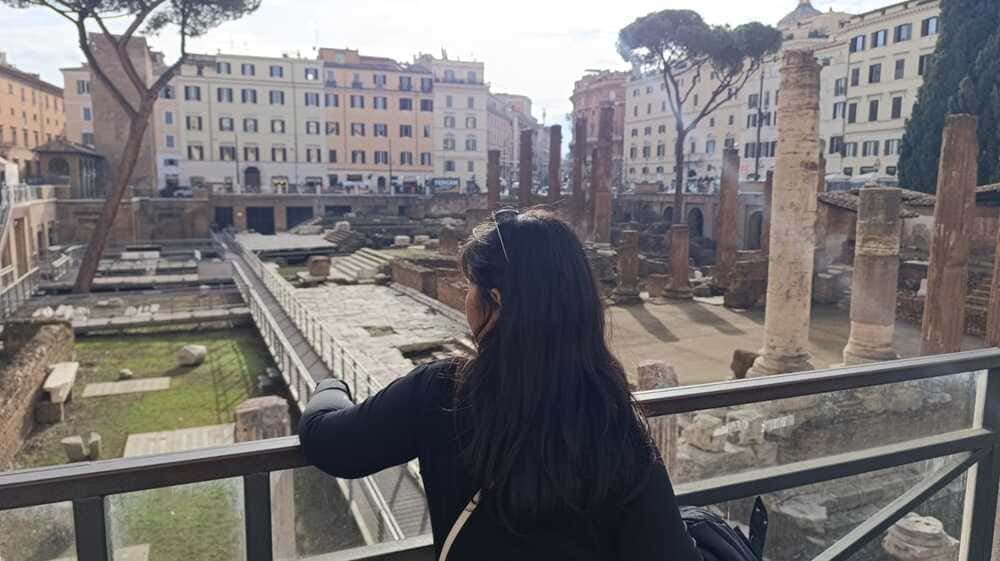
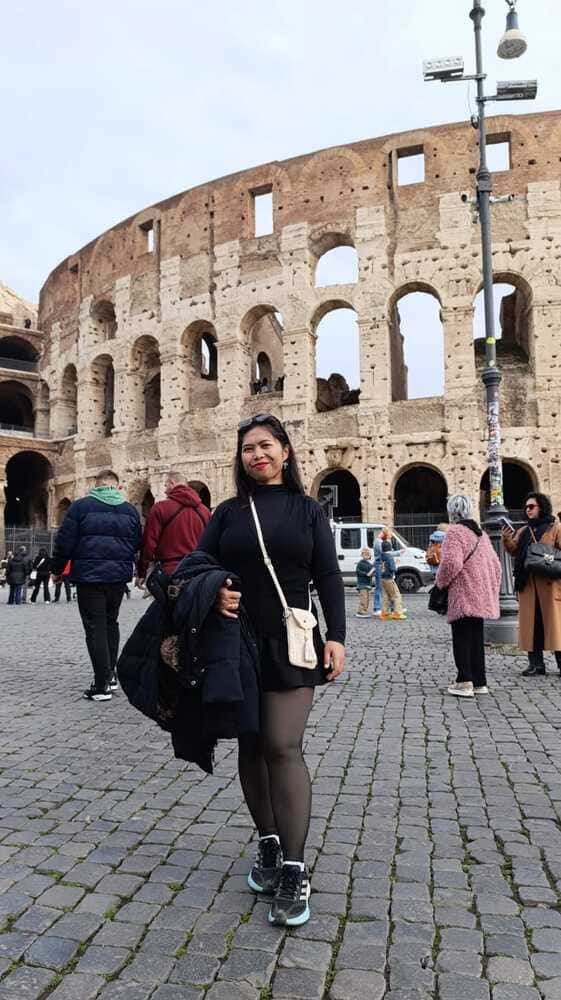
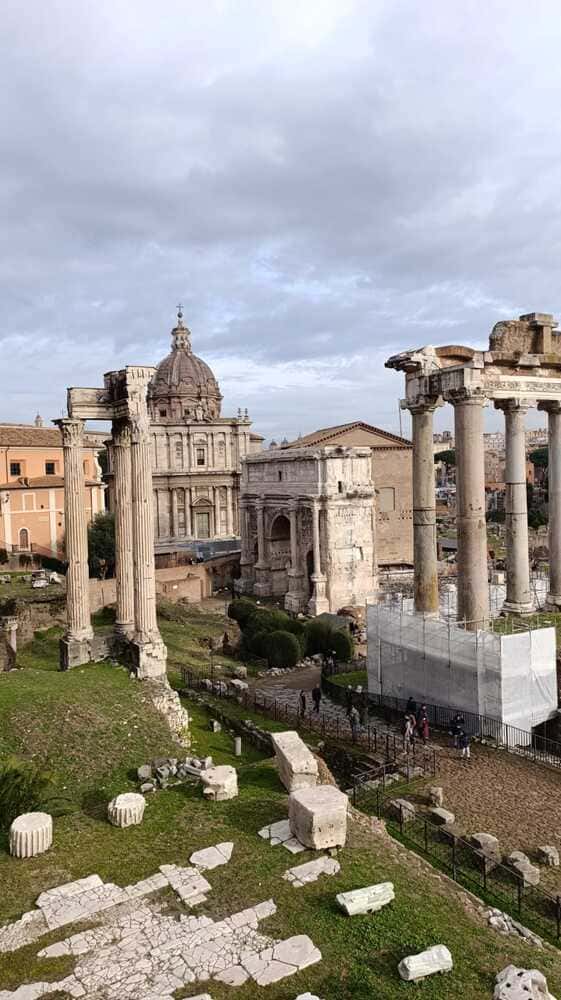
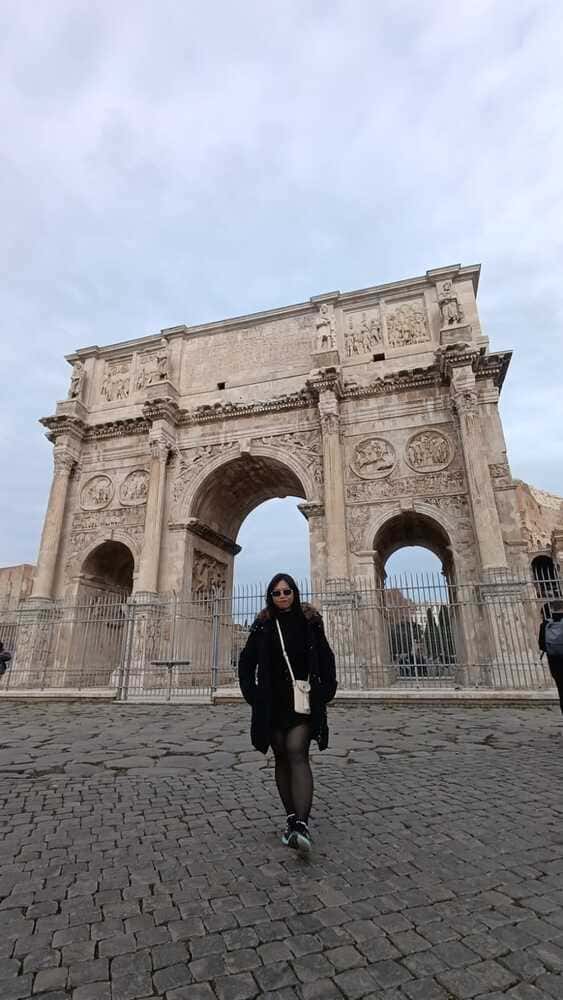
Start your morning at the Colosseum, then continue to the Roman Forum and Palatine Hill. Since these attractions are located next to each other, it’s the most efficient way to explore Ancient Rome.
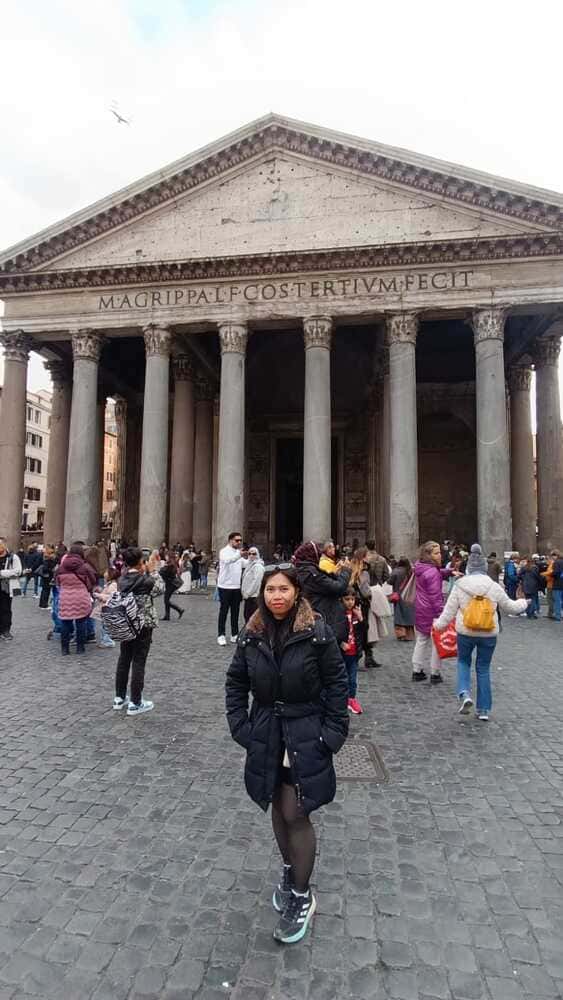
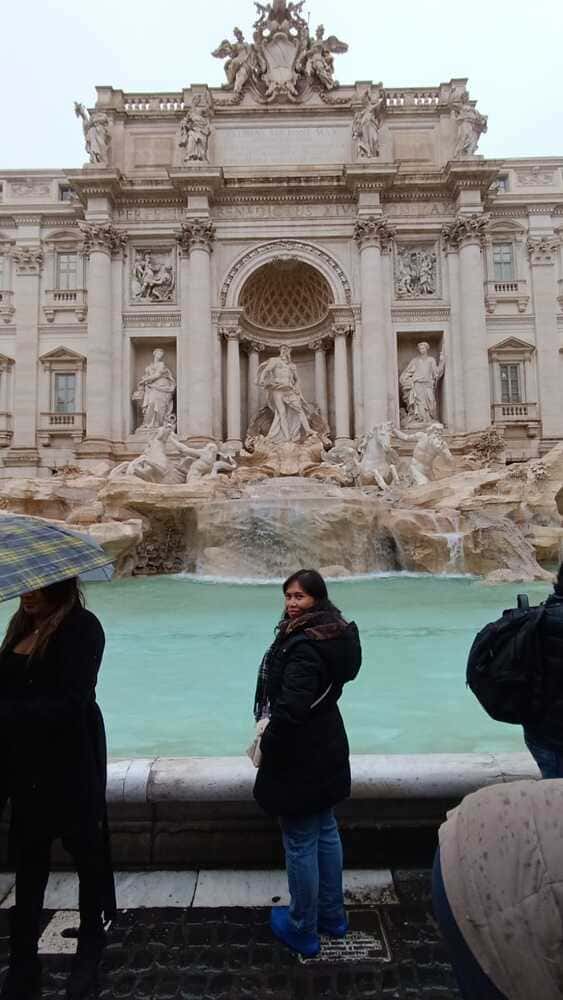
After lunch, make your way towards the Pantheon, one of the best-preserved monuments from Ancient Rome. From there, continue on foot to the Trevi Fountain, then finish your afternoon at the Spanish Steps.
If you still have energy, spend the evening wandering through the nearby streets or enjoy dinner in the historic centre.
Highlights:
- Colosseum
- Roman Forum
- Palatine Hill
- Pantheon
- Trevi Fountain
- Spanish Steps
Day 2: Vatican City & Trastevere
Begin your second day in Vatican City.
Visit St. Peter’s Basilica, explore St. Peter’s Square, and, if you’re interested in art and history, allow extra time for the Vatican Museums and the Sistine Chapel.
In the afternoon, cross the Tiber River and explore Trastevere, one of my favorite neighborhoods in Rome.
Compared to the busy historic centre, Trastevere feels more relaxed, with narrow streets, local restaurants, small cafés, and beautiful piazzas that are perfect for slowing down after a busy morning.
It’s also one of my favorite places to have dinner before ending the day.
Highlights:
- St. Peter’s Basilica
- Vatican Museums
- Sistine Chapel
- Trastevere
If you’re staying longer than two days, you don’t have to rush.
Rome is a city that’s best enjoyed at a slower pace. Use the extra time to revisit your favorite neighborhoods, discover quieter streets, relax in a piazza with a coffee, or explore some of the attractions featured later in this guide.

Best Things to Do in Rome
If you’re visiting Rome for the first time, these are the attractions I think are worth prioritizing.
Some are world-famous landmarks you’ve probably seen hundreds of times online, while others are simply places that made me slow down and appreciate the city even more.
1. Visit the Colosseum
No visit to Rome feels complete without seeing the Colosseum.
Built nearly 2,000 years ago, it’s the largest ancient amphitheater ever constructed and one of Italy’s most iconic landmarks. Standing in front of it for the first time, it’s hard not to imagine the gladiator battles and public spectacles that once took place here.
If you’re planning to go inside, book your ticket in advance. Entry slots often sell out, especially during spring and summer.
My tip: Visit the Colosseum early in the morning or later in the afternoon for a more enjoyable experience. I also recommend walking around it after sunset, the illuminated exterior is just as impressive as the inside.
2. Explore the Roman Forum & Palatine Hill
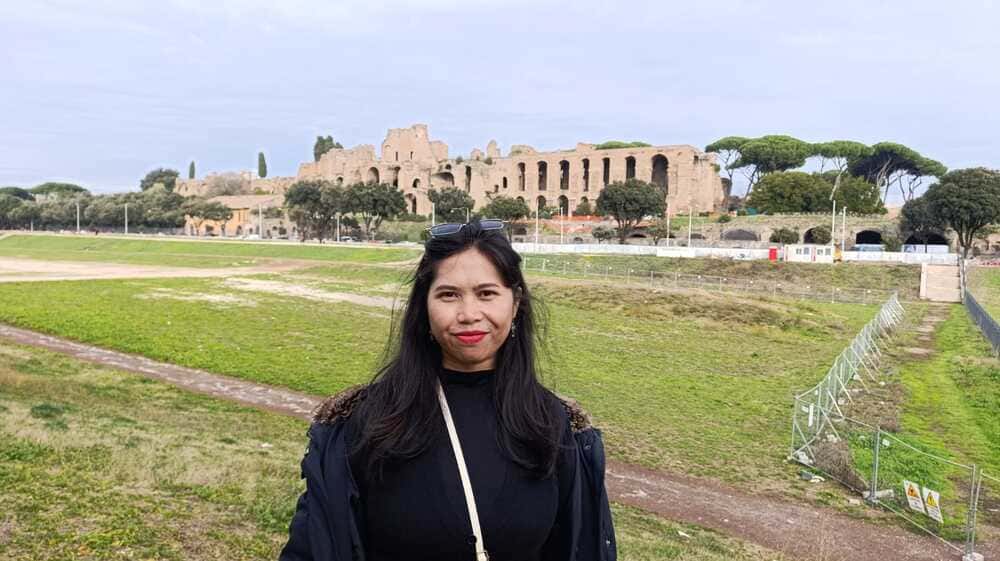
Right next to the Colosseum are the Roman Forum and Palatine Hill, two places that help bring Ancient Rome to life.
The Roman Forum was once the center of political, religious, and commercial life, while Palatine Hill is believed to be where Rome was founded.
Even if you’re not a history enthusiast, walking among the ruins gives you a much better appreciation of how enormous the Roman Empire once was.
My Tip: Buy the combined ticket that includes the Colosseum, Roman Forum, and Palatine Hill. They’re best visited together, and you’ll save both time and money.
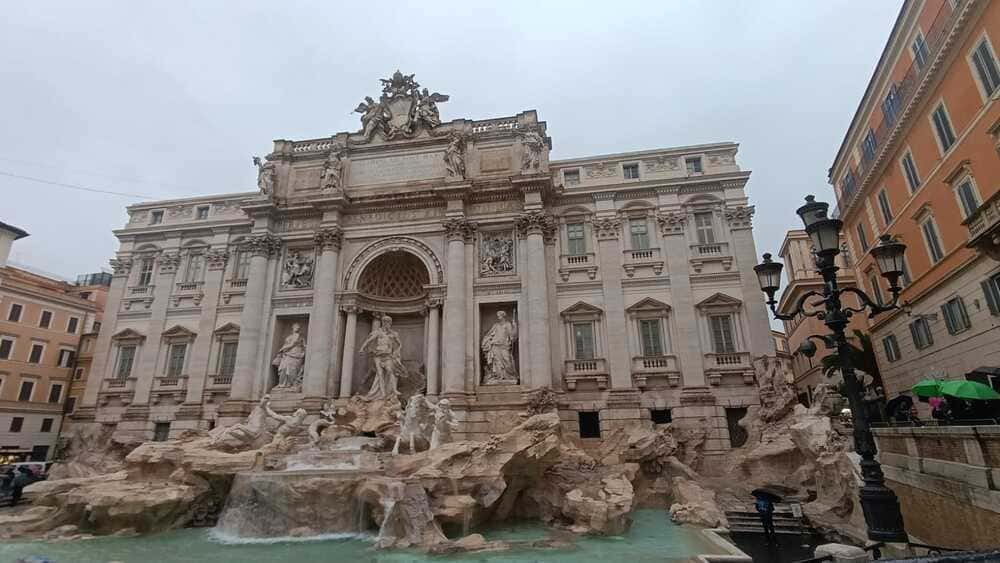
3. Throw a Coin into the Trevi Fountain
The Trevi Fountain is one of the busiest places in Rome and for good reason.
It’s one of the most beautiful fountains I’ve ever seen, and seeing it in person is far more impressive than any photo.
According to tradition, throwing one coin into the fountain means you’ll return to Rome someday. Whether you believe the legend or not, it’s a fun tradition and one of those experiences that feels like part of visiting the city.
My Tip: Visit as early as possible in the morning if you want to enjoy the fountain before the biggest crowds arrive. It’s also beautifully lit after dark, although it tends to be much busier in the evening.
4. Visit St. Peter’s Basilica
Even if you’re not particularly interested in churches, I still think St. Peter’s Basilica is worth visiting.
As one of the largest churches in the world, the sheer scale of the building is difficult to appreciate until you’re standing inside. The detailed artwork, enormous dome, and beautiful interior make it one of Rome’s most impressive landmarks.
Best of all, entry to the basilica is free, although you’ll still need to pass through a security check before entering.
Good to Know: If you’re comfortable climbing stairs, don’t miss the chance to visit the dome. The panoramic views over Vatican City and Rome are some of the best in the city.
5. Explore the Vatican Museums & Sistine Chapel
The Vatican Museums are home to one of the world’s most impressive collections of art, with galleries that seem to go on forever.
The highlight for many visitors is the Sistine Chapel, famous for Michelangelo’s breathtaking ceiling frescoes. Even if you’re not an art enthusiast, it’s an unforgettable experience but be prepared for crowds, especially during peak season.
Best Time to Visit:
Book your ticket in advance and choose one of the earliest entry times available. The museums become extremely busy later in the morning, and arriving early makes the experience much more enjoyable.
Allow at least three to four hours if you plan to explore the museums properly.
6. Climb the Spanish Steps
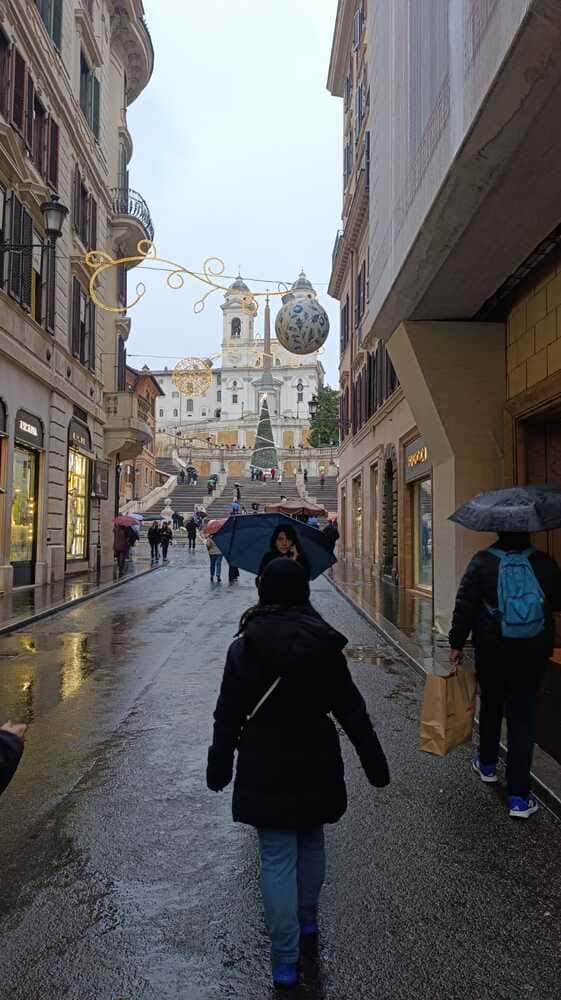
The Spanish Steps are one of Rome’s most recognizable landmarks and a popular place to take a break while exploring the historic centre.
Connecting Piazza di Spagna with the Trinità dei Monti church, the 135 steps are surrounded by elegant streets, designer boutiques, and charming cafés.
While there’s no museum or ticket to buy here, I still think it’s worth stopping by. It’s one of those places where you can simply sit for a while, people-watch, and soak up the atmosphere of Rome.
Good to Know:
The Spanish Steps are busiest during the afternoon, so visit early in the morning or later in the evening if you’d prefer a quieter experience.
Keep in mind that sitting on the steps is prohibited and can result in a fine, so it’s best to admire them while standing or relaxing in the nearby square.
7. Walk to Castel Sant’Angelo
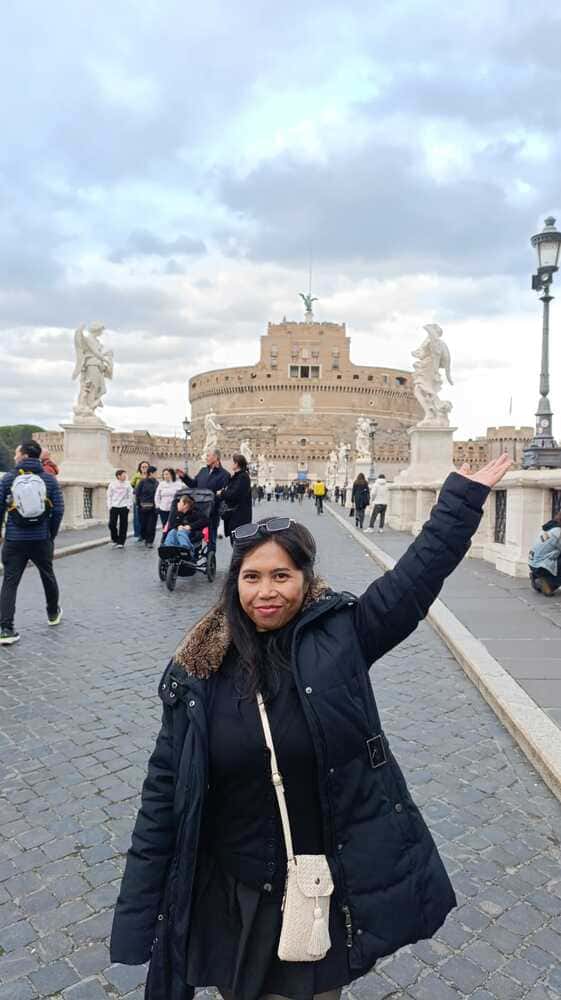
Originally built as Emperor Hadrian’s mausoleum, Castel Sant’Angelo has served many purposes over the centuries, including a fortress, a papal residence, and even a prison.
Today, it’s one of the most interesting historical sites in Rome, offering beautiful views over the Tiber River and the city skyline.
Although it isn’t always at the top of first-time visitors’ itineraries, I think it’s worth adding if you have an extra day in Rome or enjoy history beyond the city’s most famous landmarks.
Worth the Ticket?
If you’re deciding between Castel Sant’Angelo and Rome’s iconic attractions like the Colosseum or Vatican Museums, I’d prioritize those first.
However, if you’ve already seen the highlights or have three to four days in Rome, Castel Sant’Angelo is a worthwhile addition. The rooftop terrace offers one of the best panoramic views in the city and is usually much less crowded than other viewpoints.
Where to Stay in Rome
Choosing the right area to stay can make a huge difference to your trip.
Rome is a large city, but many of the main attractions are concentrated within the historic centre. Staying in the right neighborhood can save you time, reduce the amount of public transport you need, and make it easier to explore the city on foot.
Here are the areas I’d recommend for first-time visitors.
Historic Centre (Centro Storico)
If it’s your first time in Rome, this is where I’d stay.
You’ll be within walking distance of attractions like the Pantheon, Trevi Fountain, Piazza Navona, and the Spanish Steps. There are also countless cafés, restaurants, and gelato shops nearby, making it easy to explore without constantly relying on public transport.
The downside is the price. Accommodation here is usually more expensive than in other parts of the city, but the convenience is hard to beat.
Best for:
- First-time visitors
- Short stays
- Walking to major attractions
Trastevere
If I visited Rome again, I’d seriously consider staying in Trastevere.
The neighborhood has a more local feel while still being close to the city’s main attractions. During the day, it’s a great place to wander through quiet streets, and in the evening, it comes alive with restaurants, wine bars, and lively piazzas.
It’s a little farther from some of the famous landmarks, but still close enough to reach them on foot or by public transport.
Best for:
- Couples
- Food lovers
- Travelers looking for a more relaxed atmosphere
Near Termini Station
If you’re traveling on a tighter budget or arriving by train, staying near Roma Termini can be a practical option.
The area offers some of the city’s most affordable hotels and excellent transport connections, making it easy to reach other parts of Rome or continue your journey elsewhere in Italy.
While it doesn’t have the same charm as the historic centre or Trastevere, it’s a convenient base if you plan to spend most of your time sightseeing.
Best for:
- Budget travelers
- Train travel
- Short stays
Prati
Located just north of Vatican City, Prati is a quieter residential neighborhood with wide streets, good restaurants, and a more relaxed atmosphere.
It’s less crowded than the historic centre while still offering easy access to many of Rome’s major attractions.
If you prefer staying somewhere peaceful without being too far from the action, Prati is an excellent choice.
Best for:
- Families
- Longer stays
- Travelers looking for a quieter neighborhood
Which Area Would I Choose?
For my first visit to Rome, I stayed near Roma Termini, and honestly, I’d happily stay there again. Was it the prettiest neighborhood in Rome? No.
But it was practical.
I could easily walk to several major attractions, catch the metro when I needed it, and, most importantly, it made arriving and leaving the city incredibly convenient. Since I was continuing my trip through Italy by train, staying near Termini saved both time and hassle.
If you’re visiting Rome for a few days and plan to explore from morning until evening, I think Termini offers excellent value. Accommodation is generally more affordable than the historic centre, and the transport connections are hard to beat.
That said, if I returned to Rome for a slower trip focused on enjoying the atmosphere rather than sightseeing, I’d probably choose Trastevere. It has a more local feel, fantastic restaurants, and the kind of relaxed atmosphere that makes you want to linger a little longer after dinner.

How to Get Around Rome
Despite being a large city, I found Rome surprisingly easy to explore.
Many of the city’s most famous attractions are located within the historic centre, so I spent most of my time walking. In fact, I think walking is the best way to experience Rome. Some of my favorite discoveries happened between attractions rather than at the attractions themselves.
For longer distances, Rome’s public transport system makes getting around straightforward.
Walking
If you’re staying in the historic centre or near Roma Termini, you’ll likely be able to walk to many of Rome’s main attractions.
Just be prepared Rome involves a lot more walking than most first-time visitors expect. Comfortable shoes are essential, especially since many streets are paved with uneven cobblestones.
Best for:
- Exploring the historic centre
- Short distances
- Discovering hidden streets and local cafes
Metro
Rome has three metro lines that connect many of the city’s major attractions. I mainly used the metro when I wanted to save time or travel between neighborhoods.
Some of the most useful stations for visitors include:
- Colosseo – Colosseum & Roman Forum
- Spagna – Spanish Steps
- Ottaviano – Vatican City
- Termini – Main train station and transport hub
While the metro isn’t as extensive as in cities like London or Paris, it’s fast, affordable, and easy to use.
Bus & Tram
Buses and trams cover areas that the metro doesn’t reach. I only used them occasionally, but they’re useful if you’re heading to neighborhoods outside the city centre or don’t feel like walking.
Google Maps worked well throughout my trip and made navigating Rome’s public transport very straightforward.
Do You Need a Transport Pass?
It depends on how you plan to explore.
If you’re staying in the historic centre and enjoy walking, you may only need public transport a few times during your trip. If you’re staying farther away or plan to visit multiple neighborhoods each day, a transport pass can be good value.
Personally, I mostly walked and only used public transport when it saved a significant amount of time.
That’s one of the things I loved most about Rome, many of its famous landmarks are connected by streets that are just as enjoyable to explore as the attractions themselves.

Rome Travel Budget
One of the questions I see most often is:
Is Rome expensive?
Compared to many other European cities, I’d say Rome falls somewhere in the middle.
Accommodation is usually the biggest expense, especially if you’re visiting during spring or summer. Food can be surprisingly affordable if you eat at local restaurants, grab pizza by the slice, or enjoy a quick panini between sightseeing.
Overall, I found Rome easier on my budget than cities like Paris or Switzerland, but more expensive than destinations in Eastern Europe.
Here’s a rough idea of what you can expect to spend as a mid-range traveler.
| Expense | Estimated Cost (per day) |
|---|---|
| Accommodation | €80–180 |
| Food | €30–60 |
| Public Transport | €7–15 |
| Attractions | €20–50 |
| Total | €140–305 per day |
Your actual budget will depend on your travel style, but this should give you a realistic starting point when planning your trip.
How I Saved Money in Rome
Although Rome can be expensive, there are plenty of ways to keep costs under control without missing out on the experience.
1. Stay Near Roma Termini
I stayed near Roma Termini and found it offered excellent value for money.
Accommodation was generally cheaper than in the historic centre, and I could easily walk to many attractions or take the metro whenever I needed it.
2. Walk Whenever You Can
Walking saved me both time and money.
Many of Rome’s famous landmarks are surprisingly close together, and exploring on foot meant I discovered beautiful streets, churches, cafés, and piazzas that I probably would’ve missed if I’d relied on public transport.
3. Carry a Reusable Water Bottle
Rome’s public drinking fountains, known as nasoni, are free to use and can be found throughout the city.
Instead of constantly buying bottled water, I simply refilled my bottle throughout the day.
4. Eat Away from the Main Tourist Areas
Some of my favorite meals weren’t beside famous landmarks.
Walking just a few streets away from the busiest attractions usually meant better food, lower prices, and a much more relaxed atmosphere.
Is Rome Worth the Cost?
I think so.
Rome isn’t the cheapest destination in Europe, but the combination of history, architecture, food, and atmosphere makes it one of the most rewarding cities I’ve visited.
If you plan ahead, stay in the right neighborhood, and don’t mind walking, it’s possible to experience the best of Rome without overspending.
What to Eat in Rome
Italian food is famous around the world, but Rome has its own specialties that are well worth trying.
If it’s your first visit, these are the three dishes I think should be at the top of your list.
Carbonara
If you only try one pasta dish in Rome, make it Carbonara.
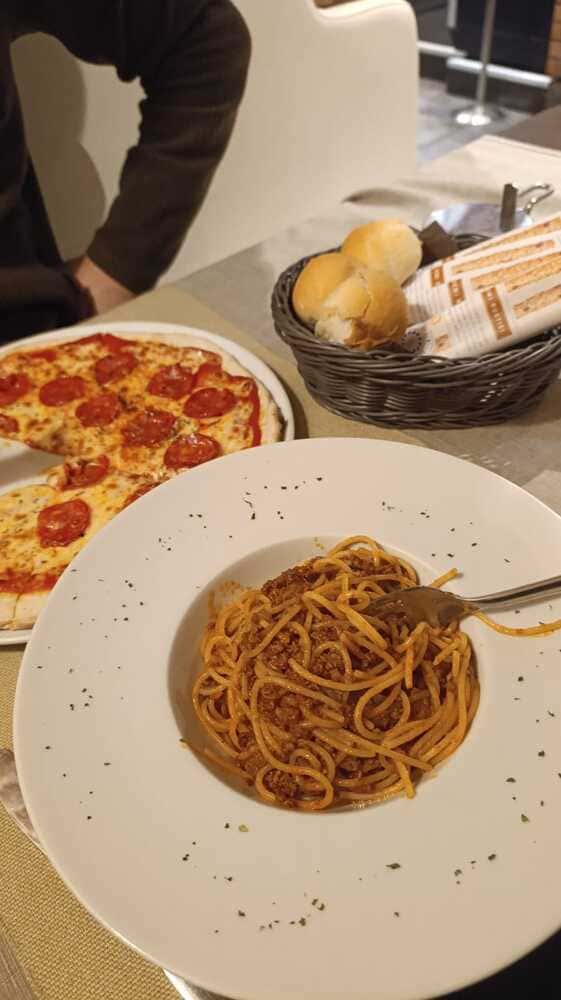
Authentic Roman Carbonara is made with eggs, Pecorino Romano cheese, guanciale (cured pork cheek), and black pepper without cream. It’s rich, comforting, and one of the city’s most iconic dishes.
Cacio e Pepe
Simple doesn’t mean boring.
Made with just Pecorino Romano cheese, black pepper, and pasta, Cacio e Pepe is one of Rome’s oldest and most traditional recipes. It’s proof that a few quality ingredients can create an unforgettable meal.
Pizza al Taglio
When you’re sightseeing all day, Pizza al Taglio is the perfect quick meal.
Sold by weight, you simply choose the flavors you want and order as much or as little as you’d like. It’s affordable, delicious, and ideal for eating on the go between attractions.
Don’t automatically eat at the restaurants closest to major attractions. Some of my favorite meals in Rome came from places just a few streets away from the busiest tourist areas. The food was better, the atmosphere felt more local, and the prices were usually much more reasonable.
Frequently Asked Questions
Yes. I found Rome to be a safe city for tourists, even when exploring on foot.
Like any major European city, it’s worth staying aware of your surroundings, especially in crowded places such as the Colosseum, Trevi Fountain, public transport, and Roma Termini Station, where pickpocketing can occur.
Not much.
Most restaurants, cafés, attractions, and shops accept credit and debit cards. However, I still recommend carrying a small amount of cash for small purchases, local cafés, or places where card payments may not be available.
Yes.
Rome’s tap water is safe to drink, and you’ll find hundreds of public drinking fountains, known as nasoni, throughout the city. Bringing a reusable water bottle is an easy way to save money while sightseeing.
Definitely.
Popular attractions such as the Colosseum and Vatican Museums often sell out, especially during the high season. Booking your tickets online in advance will save you time and help you secure your preferred entry time.
Comfortable walking shoes should be at the top of your list.
You’ll spend a lot of time exploring on foot, so supportive footwear makes a huge difference. I also recommend carrying a reusable water bottle, a portable power bank, and light layers if you’re visiting during spring or autumn.
Final Thoughts
Rome is one of those cities that deserves its place on almost every travel bucket list.
Yes, it’s busy. Yes, you’ll spend hours walking. And yes, some of the most famous attractions can be crowded. But somehow, none of that takes away from the experience.
For me, what made Rome special wasn’t just visiting world-famous landmarks like the Colosseum or the Vatican. It was the moments in between, wandering through quiet streets, finding small cafés, sitting in lively piazzas, and realizing that some of the city’s best memories weren’t planned at all.
If it’s your first time visiting Rome, don’t try to see everything.
Choose a few places you’re most excited about, leave time to slow down, and enjoy the city beyond its famous attractions. That’s what made my trip memorable, and it’s exactly why I’d love to return one day.
You might also like:
- Is Bergamo Worth Visiting? A Practical Half-Day Guide Before Your Flight
- Verona Itinerary: How to Spend 2 Days in Verona, Italy
- Venice in Winter: Is It Worth Visiting Venice in January? (Weather, Tips & Costs)

Related posts:
 Vienna Travel Guide: Best Things to Do & Tips for First-Time Visitors
 Bratislava in One Day: Complete Guide, Things To Do & Travel Tips
 Venice in Winter: Is It Worth Visiting Venice in January? (Weather, Tips & Costs)
 Sultanahmet, Istanbul: Complete Guide to Hagia Sophia, Blue Mosque & Top Attractions
 Is Plovdiv Worth Visiting? The Perfect Day Trip from Sofia