Choosing where to live and work remotely isn’t just about finding good Wi-Fi. The right destination can shape your daily routine, productivity, and even the people you meet along the way.
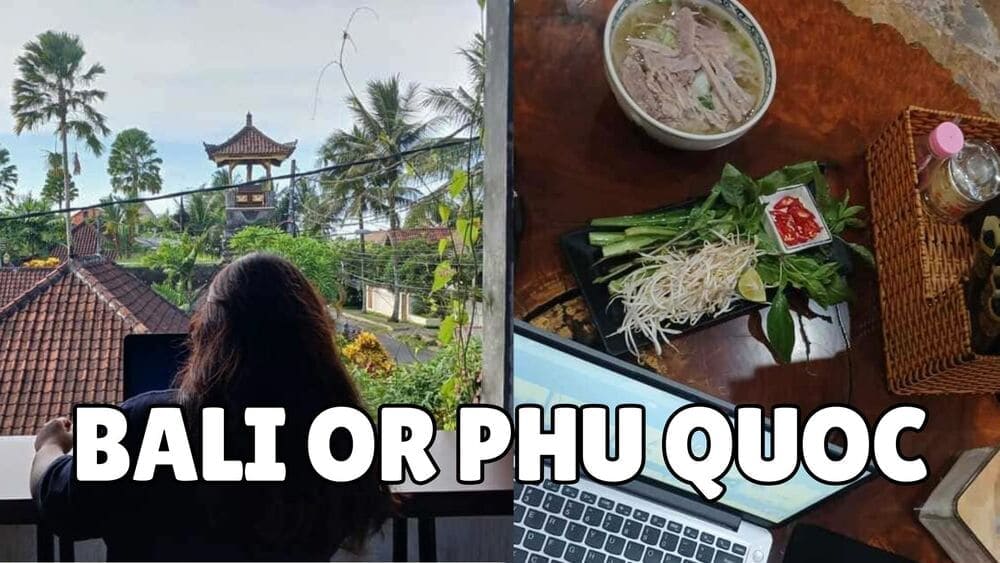
I’ve spent about a month living and working remotely in both Bali, Indonesia, and Phu Quoc, Vietnam. While they’re both tropical islands popular with travelers, the experience as a digital nomad couldn’t be more different.
Bali has become one of the world’s most established digital nomad hubs, with countless coworking spaces, cafés, and networking events. Phu Quoc, on the other hand, offers a much slower pace, quieter beaches, and far fewer remote workers.
So, which one is actually better?
The answer depends on what you’re looking for. In this guide, I’ll compare Bali and Phu Quoc based on my own experience, covering everything from the cost of living and internet to coworking spaces, community, and overall lifestyle to help you decide which destination is the better fit.
Bali vs Phu Quoc at a Glance
| Category | Bali | Phu Quoc |
|---|---|---|
| Cost of Living | 💰💰💰 | 💰💰 |
| Internet | ⭐⭐⭐⭐⭐ | ⭐⭐⭐⭐☆ |
| Coworking Spaces | ⭐⭐⭐⭐⭐ | ⭐☆☆☆☆ |
| Cafés for Remote Work | ⭐⭐⭐⭐⭐ | ⭐⭐⭐☆☆ |
| Digital Nomad Community | ⭐⭐⭐⭐⭐ | ⭐☆☆☆☆ |
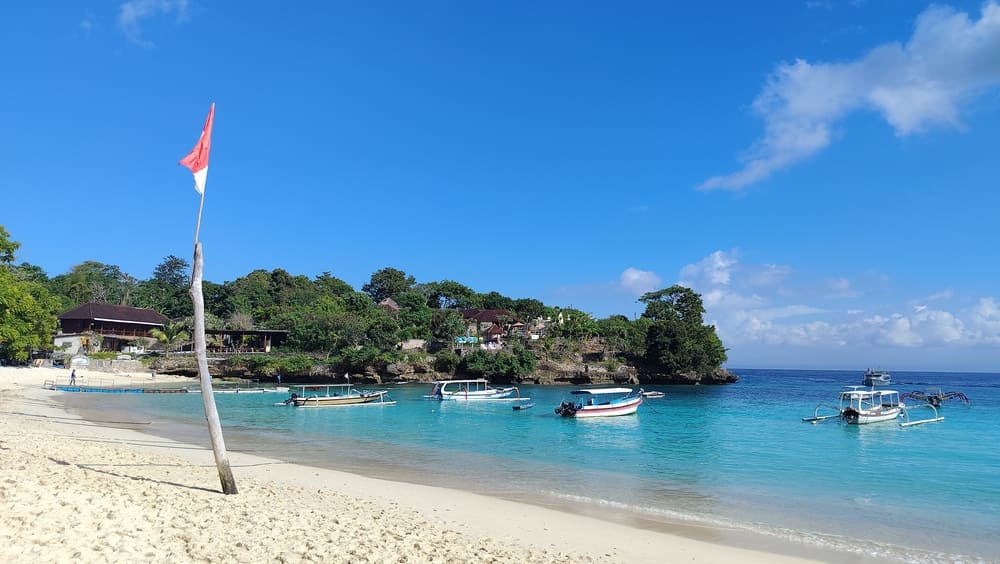
| Beaches | ⭐⭐⭐⭐☆ | ⭐⭐⭐⭐⭐ |
| Traffic | Heavy | Light |
| Overall Vibe | Social & fast-paced | Quiet & relaxed |
| Best For | Networking, coworking & long stays | Slow travel & focused work |
Cost of Living
If you’re looking for the more affordable option, Phu Quoc wins.
Accommodation, local restaurants, transportation, and even beachside cafés generally cost less than in Bali. During my stay, I found it much easier to stick to a budget without sacrificing comfort.
Bali is still relatively affordable compared to many destinations around the world, but prices have increased significantly over the past few years, especially in popular areas like Canggu, Ubud, and Seminyak. Rent, cafés, coworking memberships, and Western restaurants can add up quickly if you’re staying for several weeks or months.
That said, Bali also offers far more choices. Whether you’re looking for a budget guesthouse, a private villa, or a luxury coworking space, you’ll find options for almost every budget.
Winner: Phu Quoc for lower everyday costs, Bali for having more accommodation and lifestyle options.
Internet, Coworking Spaces, and Cafés
A reliable internet connection is one of the most important things for digital nomads, and fortunately, both Bali and Phu Quoc performed better than I expected. I had no issues joining video calls, uploading content, or working online in either destination.
That said, the overall remote work experience is very different.
Working from Bali
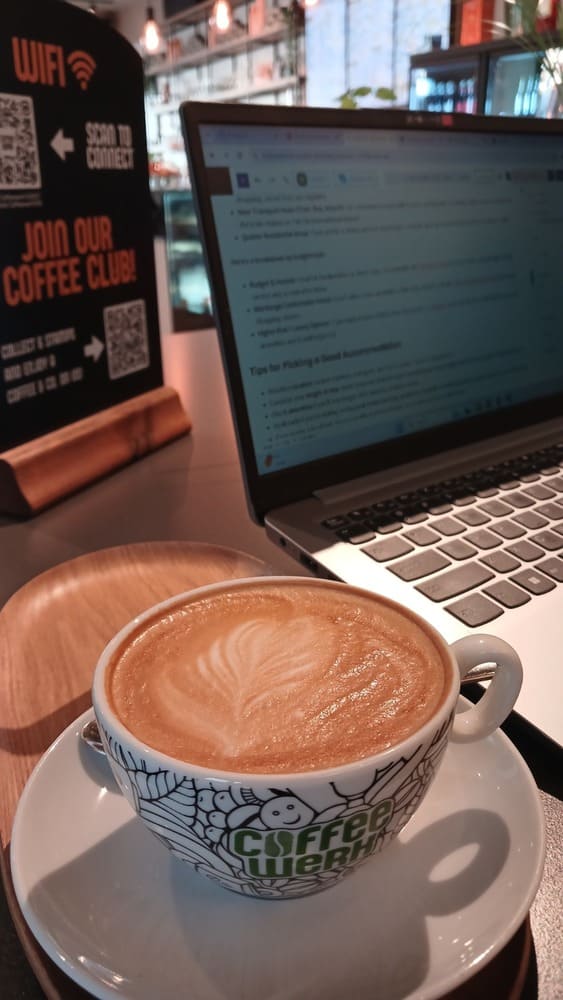
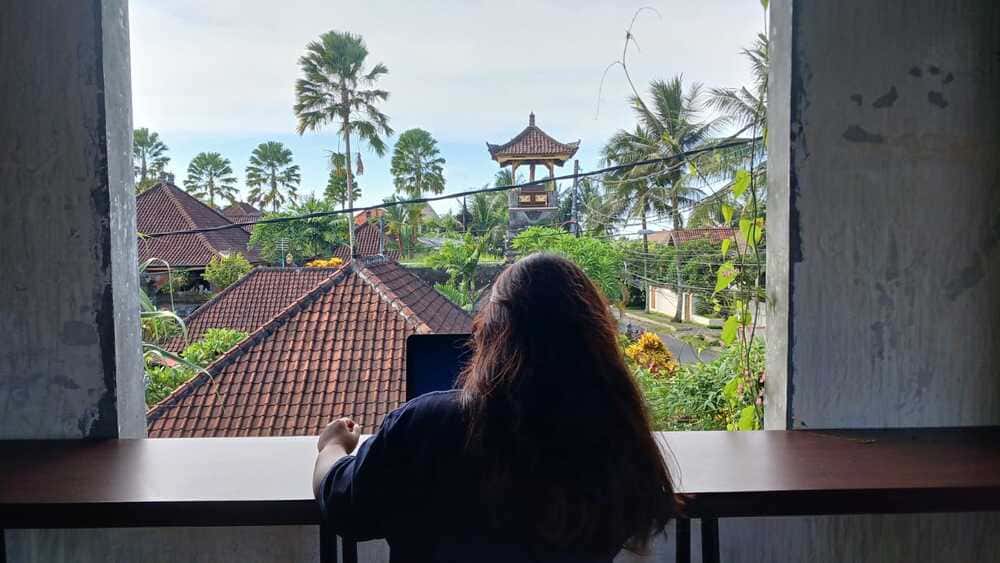
Bali is one of the best destinations in Southeast Asia for remote work. Whether you’re staying in Canggu, Ubud, or Uluwatu, you’ll find plenty of cafés with fast Wi-Fi, comfortable seating, and enough power outlets to work for hours.
If you prefer a more professional setup, there are also numerous coworking spaces offering high-speed internet, meeting rooms, phone booths, and networking events. Even if you work alone, it’s easy to meet other freelancers, entrepreneurs, and remote workers throughout the day.
One thing I liked about working in Bali was having so many options. If one café was too busy, I could simply walk to another one nearby.
Working from Phu Quoc
Phu Quoc was a completely different experience.
The internet was reliable enough for my daily work, but I quickly noticed there were very few cafés designed specifically for remote workers. Most places are geared toward tourists rather than people spending the day with a laptop.
During my stay, I usually alternated between working from my accommodation and a few cafés with stable Wi-Fi. It worked well for writing, editing photos, and video calls, but I wouldn’t expect the same coworking culture you’ll find in Bali.
The upside is that it’s much quieter. Without the constant buzz of busy cafés and networking events, I found it easier to stay focused and stick to my routine.
Which One Is Better for Remote Work?
If your ideal workday includes coworking spaces, productive cafés, and meeting other digital nomads, Bali is the clear winner.
But if you already have a steady workflow and simply need reliable internet in a quieter environment, Phu Quoc is more than enough. I actually found it easier to concentrate there because there were fewer distractions and a much slower pace of life.
Winner: Bali for remote work infrastructure, Phu Quoc for a quieter and more focused work environment.
Community and Social Life
One of the biggest differences between Bali and Phu Quoc isn’t the beaches or the cost of living, it’s the people you’ll meet. If building connections with other remote workers is important to you, Bali and Phu Quoc offer completely different experiences.
Bali: A Global Digital Nomad Hub
Bali has one of the largest digital nomad communities in the world.
It doesn’t take much effort to meet people. Whether you’re working from a café, spending the day at a coworking space, or joining a community event, you’ll constantly run into freelancers, entrepreneurs, content creators, and remote workers from all over the world.
Even if you’re traveling solo, it’s surprisingly easy to make friends. During my stay, I often found myself chatting with other digital nomads while working or grabbing coffee, and many cafés regularly host networking events, workshops, or meetups.
If you’re someone who enjoys being around like-minded people, Bali makes it easy to build both friendships and professional connections.
Phu Quoc: Peaceful but Less Social
Phu Quoc feels much quieter.
During my stay, I rarely met other digital nomads. Most visitors were families, couples, or travelers on short beach vacations rather than people working remotely.
For me, that wasn’t necessarily a bad thing.
Without the pressure to attend events or socialize after work, my days felt slower and more intentional. I could focus on work during the day, enjoy a sunset walk along the beach in the evening, and recharge without feeling like I was missing out.
If you’re looking for networking opportunities, Phu Quoc will probably feel too quiet. But if your goal is to disconnect from distractions and enjoy a slower routine, that peaceful atmosphere can actually be one of its biggest advantages.
Which One Is Better?
If meeting other remote workers, attending events, and growing your network are priorities, Bali is the clear winner.
But if you’re happiest working independently and prefer a calm environment where you can focus without distractions, Phu Quoc offers a refreshing change of pace.
Winner: Bali for community and networking, Phu Quoc for solitude and a slower lifestyle.


Lifestyle: What Does Daily Life Feel Like?
Beyond work, I think your daily routine is what really determines whether you’ll enjoy living somewhere as a digital nomad. After spending time in both Bali and Phu Quoc, I realized they offered two completely different lifestyles.
Daily Life in Bali
Life in Bali feels energetic.
My mornings usually started at a café before work, followed by a productive afternoon either at another café or a coworking space. After work, there was always something to do, whether it was watching the sunset, trying a new restaurant, joining a fitness class, or meeting friends for dinner.
One thing I loved about Bali was that I never ran out of options. There were always new cafés to discover, different neighborhoods to explore, and plenty of events happening throughout the week.
The downside? Bali can sometimes feel a little overwhelming. Traffic, crowded cafés, and the constant temptation to go out made it harder for me to slow down and fully disconnect from work.
Daily Life in Phu Quoc
Life in Phu Quoc felt much slower.
Most mornings started with a quiet walk along the beach before opening my laptop. During the day, I’d work from my accommodation or a nearby café, then spend the evening watching the sunset or enjoying fresh seafood by the water.
There weren’t many events or new cafés to check out, but that was exactly what I liked about it. My days felt more balanced, and I found it easier to stick to a routine without feeling distracted.
If your idea of a good work-life balance includes peaceful beaches, quiet evenings, and fewer crowds, Phu Quoc is hard to beat.
Which Lifestyle Is Right for You?
Choose Bali if you enjoy a social, fast-paced lifestyle where there’s always something happening.
Choose Phu Quoc if you prefer a slower routine, quieter surroundings, and a destination where it’s easier to focus on work while still enjoying island life.
Winner: There’s no right answer here, it simply depends on the lifestyle you’re looking for.


Who Should Choose Bali?
Bali is the better choice if you’re looking for more than just a place to work remotely. It’s ideal for digital nomads who enjoy meeting new people, trying different cafés, and being part of an active community.
Bali is the better choice if you’re looking for more than just a place to work remotely. It’s ideal for digital nomads who enjoy meeting new people, trying different cafés, and being part of an active community.
You should choose Bali if you:
- Want plenty of coworking spaces and work-friendly cafés.
- Enjoy networking with other digital nomads and entrepreneurs.
- Like having lots of restaurants, gyms, and activities nearby.
- Plan to stay for several weeks or months.
- Don’t mind paying a little more for convenience and variety.
For me, Bali is a destination where work and social life naturally blend together. If you enjoy being around people and thrive in a busy environment, you’ll probably love it here.
Who Should Choose Phu Quoc?
Phu Quoc is a better fit if you’re looking for a quieter place to focus on work without the distractions of a busy digital nomad scene.
You should choose Phu Quoc if you:
- Prefer a slower pace of life.
- Want to save money on accommodation and daily expenses.
- Enjoy peaceful beaches and fewer crowds.
- Don’t need coworking spaces or networking events.
- Are happy working independently from your accommodation or a café.
Although Phu Quoc doesn’t have the same remote work infrastructure as Bali, I found it surprisingly comfortable for getting work done. The relaxed atmosphere made it easier to focus, and after work, I could simply enjoy the beach without feeling like I was missing out on anything.

Frequently Asked Questions
Overall, Phu Quoc is more affordable. Accommodation, local food, and transportation generally cost less than in Bali. However, Bali offers a wider range of options, so it’s still possible to live on a budget depending on where you stay.
Both destinations had reliable internet during my stay, and I had no problems with video calls or working online. However, Bali has the advantage thanks to its larger number of coworking spaces and cafés designed for remote work.
If it’s your first time working remotely abroad, I’d recommend Bali. The established digital nomad community, abundance of coworking spaces, and work-friendly cafés make it much easier to settle in and meet other remote workers.
Yes, as long as you don’t rely on coworking spaces or networking events. I found the internet reliable enough for my daily work, and the slower pace made it easy to stay productive. It’s a great choice if you prefer a quieter environment.
If you’re planning to stay for several months, Bali is the better option. It has more accommodation choices, better infrastructure for remote workers, and a stronger community. Phu Quoc is better suited for shorter stays or anyone looking to slow down and escape the crowds.
If my priority was meeting people, working from cafés, and having plenty of things to do after work, I’d choose Bali.
If I wanted to focus on work, enjoy peaceful beaches, and embrace a slower lifestyle, I’d choose Phu Quoc.
Neither destination is better than the other, they simply suit different types of digital nomads.
Final Thoughts
After living and working remotely in both destinations, I don’t think Bali and Phu Quoc are trying to offer the same experience and that’s exactly why I enjoyed them for different reasons.
If I wanted to meet other digital nomads, work from great cafés, and have endless options after work, I’d choose Bali.
But if I wanted to slow down, focus on work, and enjoy a quieter island lifestyle, I’d happily return to Phu Quoc.
For me, it isn’t about which destination is better. It’s about which one matches the lifestyle you’re looking for right now. No matter which you choose, both islands offer a great base for remote work in Southeast Asia, they just appeal to different types of digital nomads.
Related articles:
- Slow Travel in Phú Quốc: Where to Stay, Eat, and Reset as a Digital Nomad
- Slow Travel in Bali: A One-Month Backpacker’s Journey on a Budget


Related posts:
 1-Month South Vietnam Itinerary
 Yogyakarta Itinerary: How to Spend 2 Perfect Days in Jogja
 Explore Jogja Nature: Best Outdoor Things to Do in Yogyakarta
 How to Visit Tumpak Sewu Waterfall from Malang or Lumajang (Full Guide + Tips)
 2 Weeks in Gili Trawangan: An Honest Travel Guide for First-Time Visitors