Bali is one of those places that people either fall in love with or can’t wait to leave.
Before visiting, I’d seen countless videos calling it paradise, while others complained that it was overcrowded, overhyped, and full of influencers. I honestly didn’t know what to expect.
Instead of squeezing Bali into a short holiday, I decided to spend an entire month there. Looking back, I think that was the best decision I could have made.
Staying longer gave me the chance to experience different parts of the island, settle into a routine, and see a side of Bali that most travelers miss. Some days were spent exploring waterfalls and temples, while others were simply working from cafés, eating at local warungs, or watching the sunset without feeling rushed.
That’s what this guide is about.
If you’re planning to spend a few weeks in Bali, work remotely, or simply want a slower way to experience the island, here’s everything I learned after I’ve now spent two separate one-month stays in Bali, exploring different parts of the island and experiencing what it’s like to live there rather than just visit.
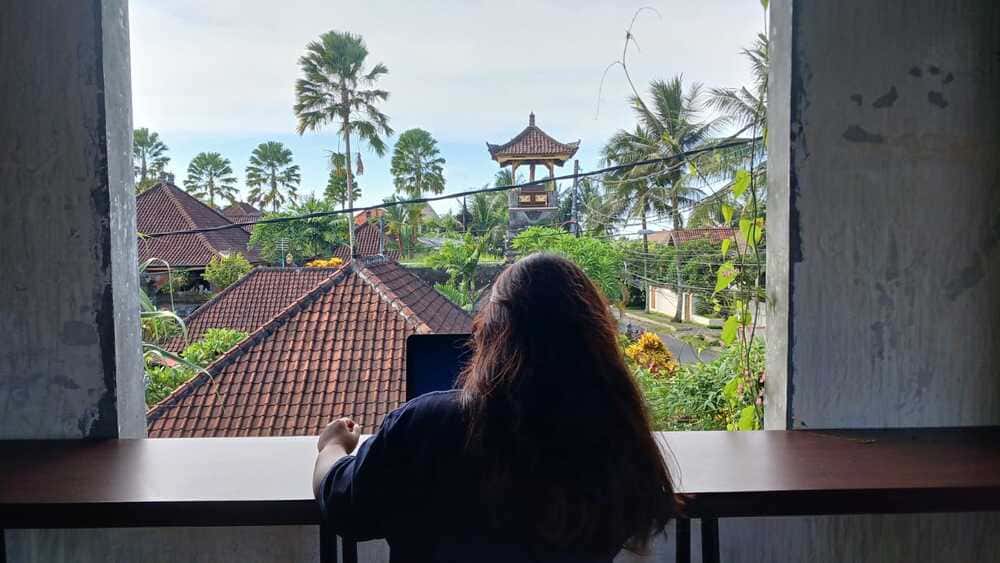
Why I Chose to Spend One Month in Bali
Most people visit Bali for a week.
Some even try to see the whole island in just four or five days. Personally, I don’t think that’s enough.
Bali is much bigger and more diverse than many first-time visitors expect. Every area has its own atmosphere, and moving accommodation every couple of days means you’re constantly packing, checking in, and sitting in traffic instead of actually enjoying the island.
Spending a month gave me the flexibility to experience Bali at a slower pace.
Instead of treating every day like a sightseeing checklist, I could balance work, cafés, beaches, local food, and exploring without feeling like I had to rush.
It also helped me understand why Bali has become one of the world’s most popular destinations for digital nomads and long-term travelers. Once you settle into a routine, it’s surprisingly easy to imagine staying longer than you originally planned.
What Slow Travel in Bali Looked Like
Slow travel doesn’t mean doing nothing.
For me, it simply meant spending enough time in each place to enjoy everyday life instead of constantly moving to the next destination. Some mornings started with work at a café.
Other days I rented a scooter to explore beaches, temples, or small villages nearby. In the evenings, I’d usually find a local restaurant for dinner before calling it a day.
Not every day was exciting. And honestly, I think that’s why I enjoyed Bali so much. The island gave me space to slow down while still offering plenty to discover whenever I felt like exploring.
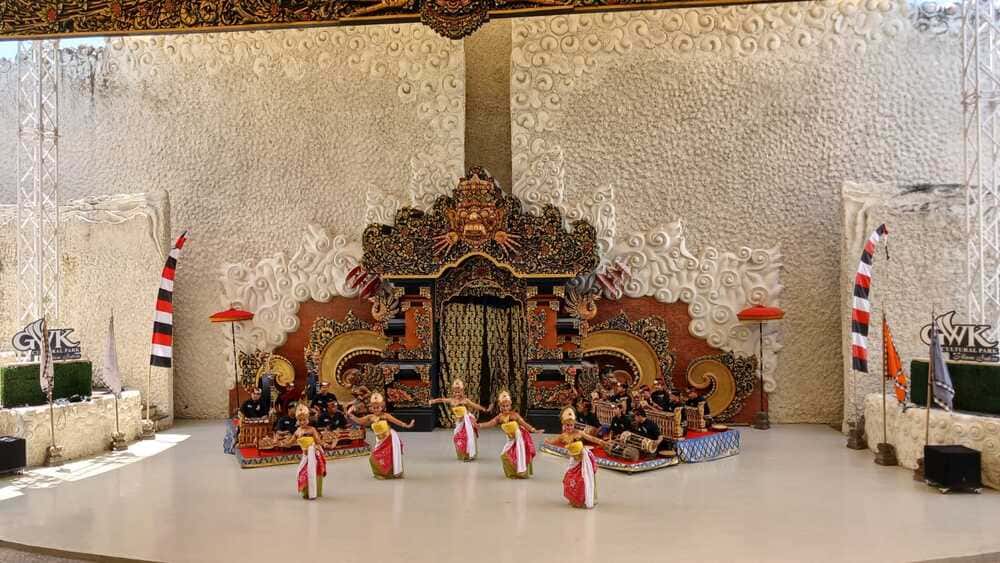
The Places That Shaped My Month in Bali
One of the biggest reasons I enjoyed spending a month in Bali was being able to experience different parts of the island instead of staying in just one place.
Each destination had its own personality.
Some were better for slowing down, others were ideal for remote work, while a few simply gave me a different perspective on Bali beyond the typical tourist experience. If you’re planning a longer stay, here’s how I’d compare the places I visited.
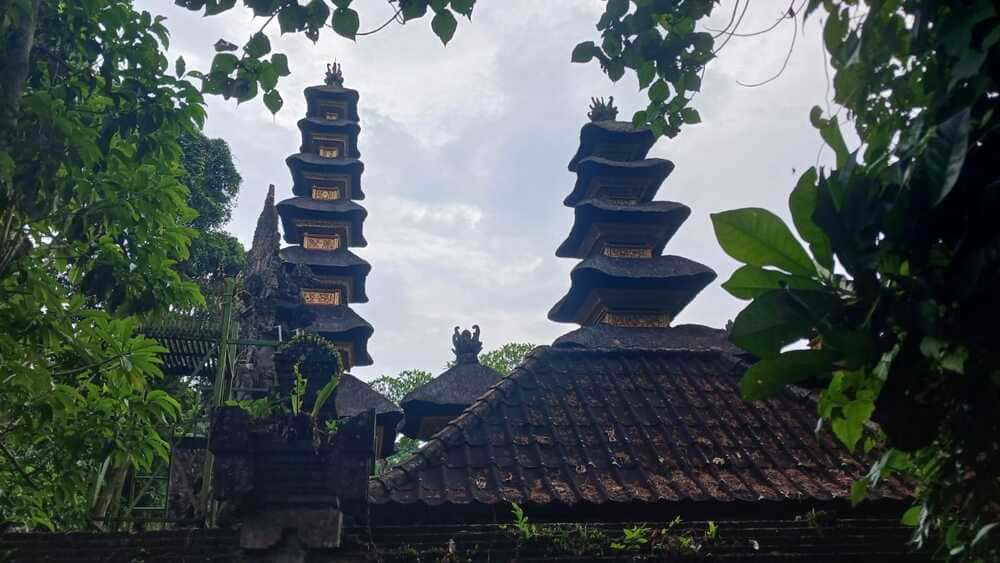
Jimbaran & South Bali
I started my month in Bali by staying in Jimbaran, and looking back, I think it was the perfect choice.
After arriving on the island, I didn’t want to jump straight into the crowds of Canggu or Seminyak. I was looking for somewhere quieter where I could settle in, recover from the journey, and ease into Bali at my own pace.
Jimbaran gave me exactly that.
The area has a much more relaxed atmosphere than some of Bali’s more popular tourist spots, but there’s still plenty to do. I spent my days exploring nearby beaches, working from cafés, and trying local restaurants without feeling like I had to rush from one attraction to the next.
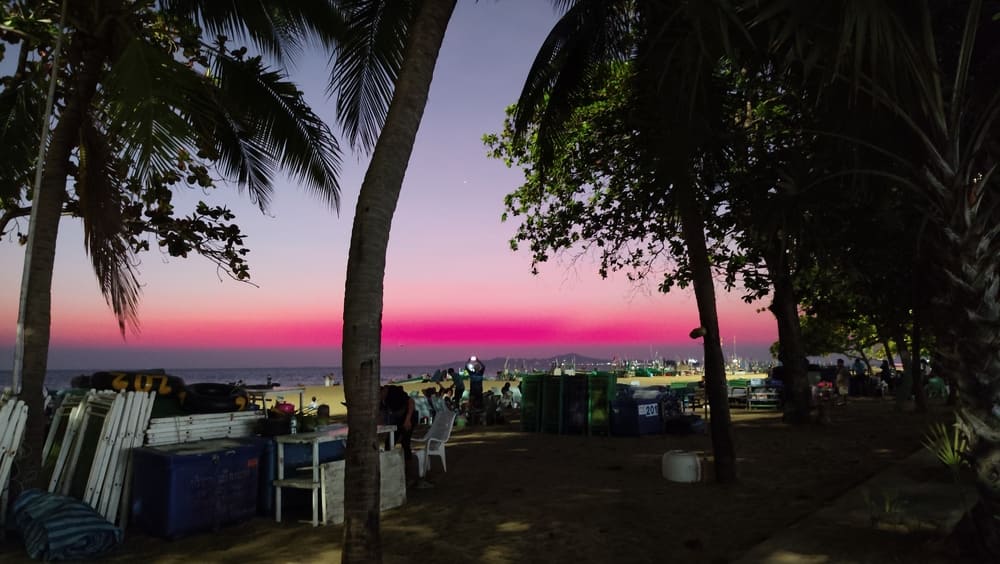
One of my favorite parts of staying here was Jimbaran Beach. It’s one of the best places in Bali to watch the sunset, and in the evenings, the beachfront seafood restaurants come alive with tables set directly on the sand. It’s touristy, but it’s also one of those experiences that’s worth doing at least once.
Because Jimbaran is only a short drive from Ngurah Rai International Airport, I also found it to be a convenient place to begin my trip. Instead of spending hours in traffic after landing, I could settle in quickly and start enjoying Bali straight away.
Why I’d Recommend Staying in Jimbaran
- A quieter alternative to Canggu and Seminyak.
- Close to Ngurah Rai International Airport.
- Beautiful sunsets at Jimbaran Beach.
- Famous beachfront seafood restaurants.
- A great place to ease into Bali before exploring the rest of the island.

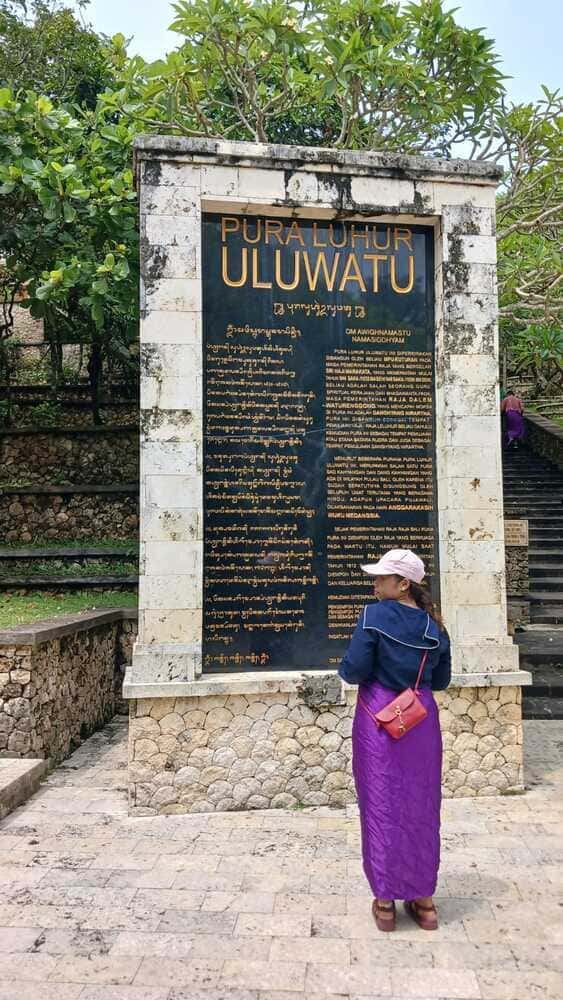
Ubud: My Favorite Place to Settle Into a Routine
After Jimbaran, I moved to Ubud, and it ended up being the place where I spent the most time.
Ubud is often described as Bali’s cultural heart, but for me, it became much more than a sightseeing destination. It was where I settled into a routine and started feeling less like a tourist.
Most of my days were simple. I’d work from one of the many cafés around town, stop for lunch at a local warung, then spend the afternoon exploring rice fields, temples, or nearby villages. There was always something to do, but I never felt pressured to fit everything into a single day.
One thing I really liked about Ubud was how easy it was to balance work and travel. There are plenty of cafés with reliable Wi-Fi, coworking spaces if you need them, and enough restaurants to keep every meal interesting. It’s easy to see why so many digital nomads choose to stay here for weeks or even months.
Of course, Ubud is one of Bali’s busiest destinations, and some attractions can get crowded during the day. I found that starting early in the morning or exploring outside the town center made a big difference.
If you’re planning a longer stay in Bali, I’d definitely recommend spending at least a few days in Ubud. Whether you’re interested in culture, nature, cafés, or remote work, it’s one of the easiest places on the island to slow down without running out of things to do.
Why I’d Recommend Staying in Ubud
- Great cafés and coworking spaces for remote work.
- Easy to combine sightseeing with everyday routines.
- Plenty of local restaurants and healthy cafés.
- A good base for exploring central Bali.
- Ideal for travelers staying longer than a few days.



Canggu, Seminyak, or Kuta: Which One Is Right for You?
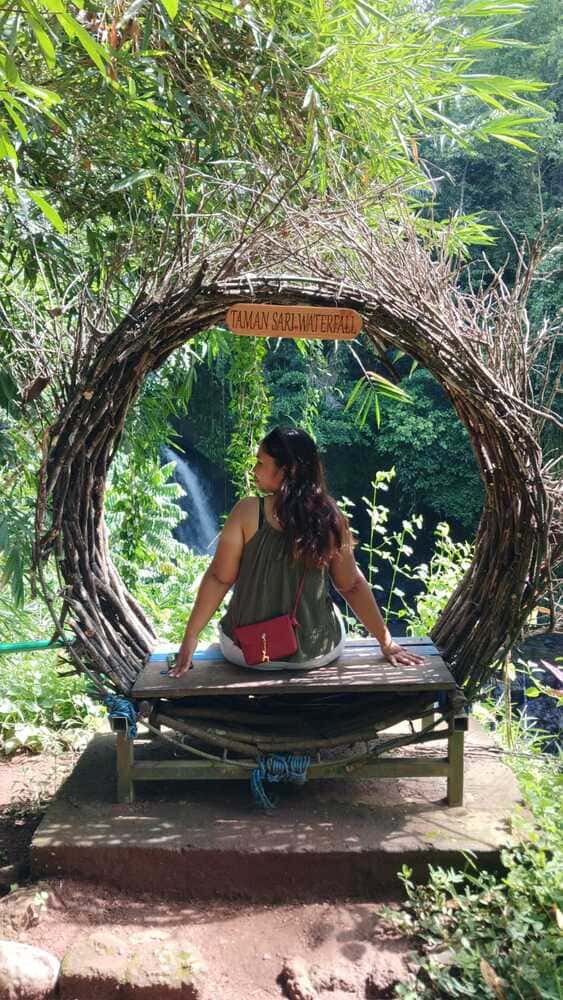
During my month in Bali, I spent time exploring Canggu, Seminyak, and Kuta. Although they’re all on Bali’s southwest coast, they each felt completely different.
Canggu
If I had to choose one place for remote work, Canggu would probably be it.
The area is packed with cafés, coworking spaces, gyms, and restaurants, making it easy to settle into a routine. It’s also one of the most popular places in Bali for digital nomads, so meeting other travelers is easy.
The downside? It was also the busiest place I visited. Traffic can be frustrating, especially during peak hours, and some areas felt much more developed than I expected.
Seminyak
Seminyak felt a little more relaxed than Canggu while still offering plenty of great cafés, restaurants, and beach clubs.
If you’re looking for a balance between convenience and a slower pace, I think Seminyak is a good option. It’s also a great area if you enjoy shopping or want easy access to some of Bali’s best restaurants.
Kuta
Kuta is often where many travelers spend their first few days in Bali because it’s close to the airport and has plenty of accommodation for different budgets.
Personally, it wasn’t my favorite area.
While I understand why it’s popular, I preferred the atmosphere in Jimbaran, Ubud, and even Seminyak. Kuta felt busier and more touristy than the other places I visited.
That said, if you’re looking for nightlife, surfing, or a convenient place to stay for a short trip, Kuta still has plenty to offer.
Which Area Would I Choose?
If I came back to Bali again, here’s what I’d choose depending on the kind of trip I wanted:
- For remote work and café hopping: Canggu.
- For restaurants, shopping, and a good balance: Seminyak.
- For a short stay near the airport: Kuta.
- For a quieter start to the trip: Jimbaran.
- For a longer stay: Sanur.
I actually spent another month living in Sanur on my second trip to Bali, and it completely changed my perspective. It felt quieter than Canggu, more walkable than many other parts of Bali, and I loved being able to start my mornings with a walk along the beachfront promenade.
If I were planning to stay in Bali for a month again, Sanur would probably be my first choice.

Denpasar: The Side of Bali Most Travelers Never See
Most travelers don’t plan to stay in Denpasar.
They arrive at the airport and head straight to places like Canggu, Ubud, or Seminyak. I almost did the same, but after spending time there, I realized Denpasar deserves more attention than it gets.
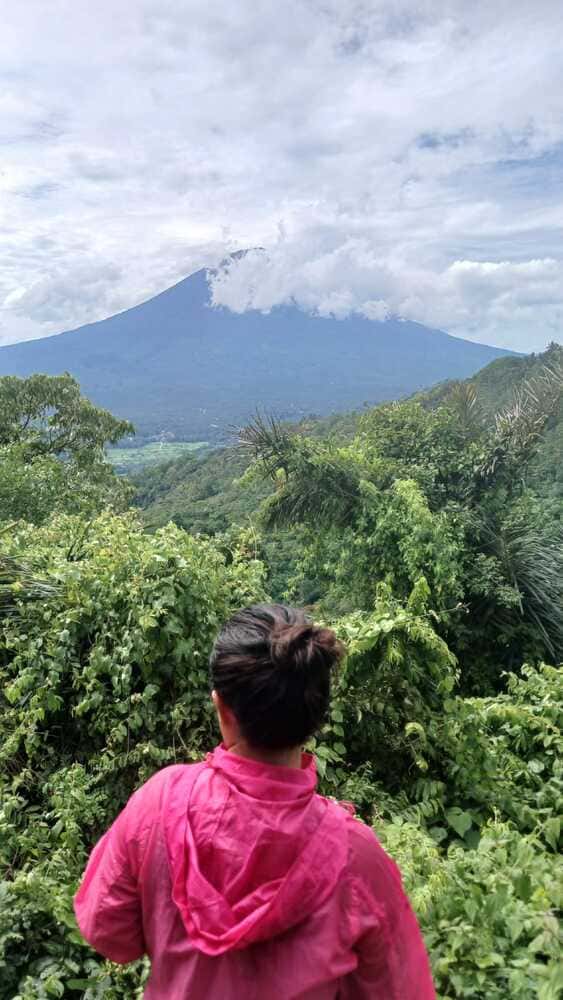
Unlike Bali’s popular tourist areas, Denpasar feels like a city built for locals. Traditional markets, family-run restaurants, local cafés, and everyday life take center stage. It gave me a completely different perspective on the island.
I also found it to be one of the most affordable places I visited in Bali. Food was cheaper, accommodation offered better value, and I didn’t feel surrounded by tourists everywhere I went.
That doesn’t mean Denpasar is the best choice for a first-time visitor. If you’re only spending a few days in Bali, I’d still recommend staying closer to the beaches or cultural attractions.
But if you’re curious about what everyday life in Bali is really like or you’re planning a longer stay, I think spending a few days in Denpasar is well worth it.
Although I chose Sanur for my second one-month stay in Bali, I often visited Denpasar because it was only a short ride away. That gave me the chance to experience a side of Bali that many tourists never see.
Why I’d Recommend Denpasar
- A more local side of Bali.
- Affordable food and accommodation.
- Traditional markets and local restaurants.
- Fewer tourists than Bali’s main hotspots.
- A different perspective beyond the usual Bali itinerary.

Is Bali Expensive? My One-Month Budget
Is Bali Expensive? My One-Month Budget
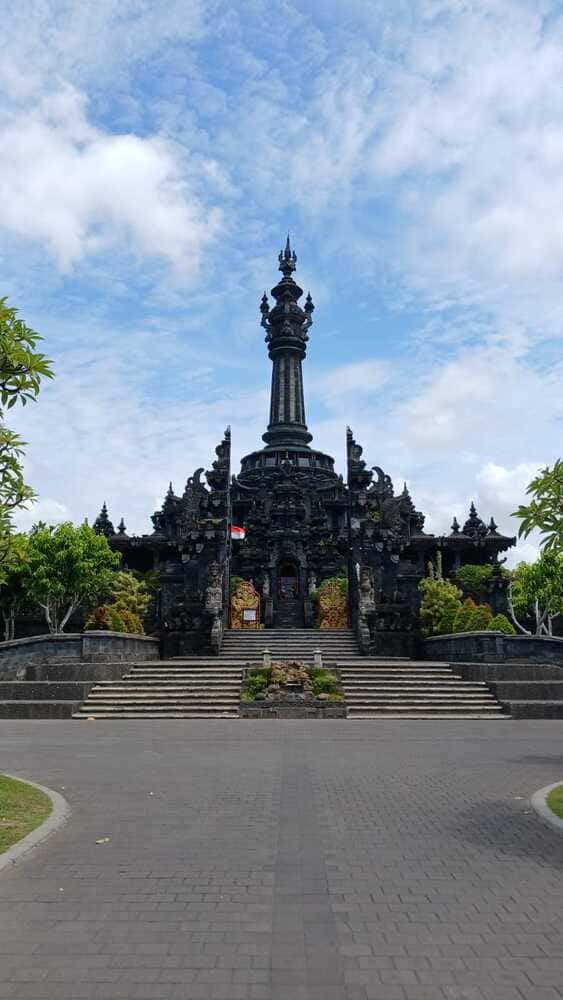
One of the questions I get asked most is whether Bali is actually affordable. From my experience, the answer is yes but it depends on how you travel.
Spending a month in Bali is very different from visiting for a week. Once I settled into a routine, my daily expenses became quite predictable. I mostly ate at local warungs, visited cafés occasionally, walked whenever I could, rented a scooter only when I needed one, and didn’t spend much on paid attractions.
Here’s roughly what I spent during one month in Bali:
| Category | Approximate Cost | Notes |
|---|---|---|
| Accommodation | Rp10,500,000 | Private room or apartment for one month |
| Food & Drinks | Rp5,000,000 | Mix of local warungs, cafés, and occasional restaurants |
| Scooter Rental | Rp500,000 | Monthly scooter rental (100k per day) |
| Activities & Entrance Fees | Rp200,000 | Parking fees and a few entrance tickets |
| Total | Rp16,200,000 (around US$990–1,000) | Comfortable one-month stay |
Accommodation was my biggest expense, while food was still surprisingly affordable. Most days I mixed inexpensive local warungs with cafés, which gave me a good balance between saving money and enjoying Bali’s café culture.
I also didn’t spend much on activities. Many of my favorite days were completely free, walking along the beach, exploring local neighborhoods, working from cafés, or watching the sunset. The small activity budget mostly covered parking fees and a few entrance tickets.
Of course, your budget can be higher or lower depending on your travel style. Luxury villas, beach clubs, and organised tours will increase your costs, while staying in guesthouses and eating mostly local food can reduce them significantly.
For me, spending around Rp16 million (US$1,000) for a month in Bali offered excellent value. It gave me a comfortable lifestyle without feeling like I had to constantly watch my spending.


Who Should Slow Travel in Bali?
After spending two separate one-month stays in Bali, I don’t think it’s a destination for everyone and that’s completely okay.
I think you’ll enjoy slow traveling in Bali if you:
- Want to stay in one place instead of changing hotels every few days.
- Work remotely or need reliable cafés and Wi-Fi.
- Enjoy discovering local cafés, restaurants, and quieter neighborhoods.
- Prefer a flexible routine over a packed itinerary.
- Have at least two weeks to explore the island at a slower pace.
On the other hand, Bali might not be the best choice if you’re only visiting for three or four days and want to see everything. The island is larger than many people expect, and traffic can make getting around slower than planned.
Personally, I think Bali is best experienced when you give yourself time to settle in. Whether that’s two weeks, one month, or even longer, slowing down lets you enjoy a side of the island that many short-term visitors never get to see.
Would I Spend Another Month in Bali?
Absolutely.
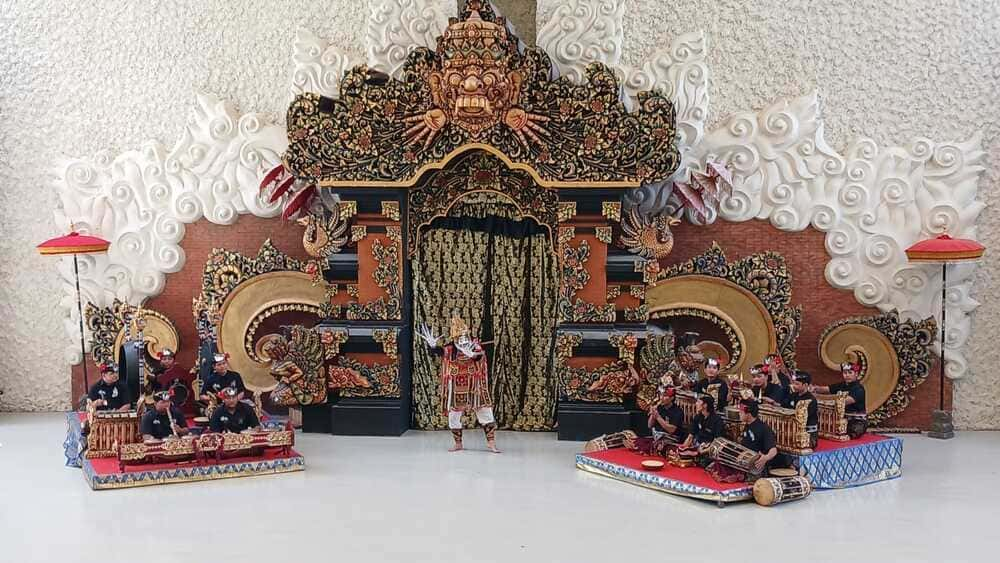
After spending two separate one-month stays in Bali, I still feel like there’s more to explore. Every part of the island offers something different, which is why I don’t think there’s one “best” place to stay.
On my second trip, I based myself in Sanur, and it quickly became my favorite place for long-term travel. It was quieter than Canggu, easy to walk around, and gave me the balance I was looking for between work, cafés, beaches, and everyday life.
That’s probably what I appreciate most about Bali. You don’t have to rush from one attraction to the next. Once you find an area that matches your travel style, it’s surprisingly easy to settle into a routine and enjoy the island at your own pace.
If I came back again and I’m sure I will, that’s exactly how I’d travel again.

Related posts:
 Sailing in Labuan Bajo: My Honest Guide to Komodo Island
 Yogyakarta Itinerary: How to Spend 2 Perfect Days in Jogja
 Explore Jogja Nature: Best Outdoor Things to Do in Yogyakarta
 How to Visit Tumpak Sewu Waterfall from Malang or Lumajang (Full Guide + Tips)
 2 Weeks in Gili Trawangan: An Honest Travel Guide for First-Time Visitors


Leave a Reply