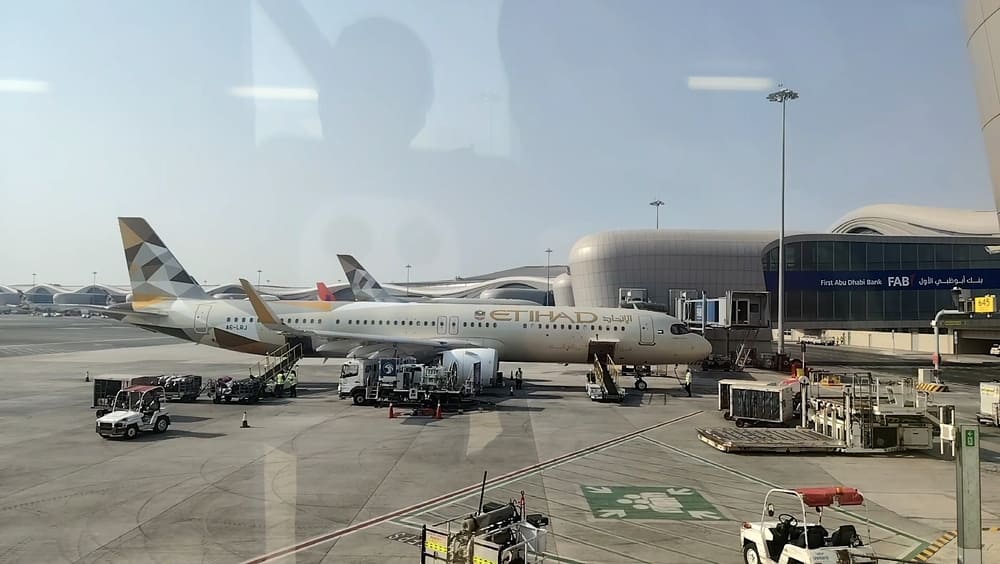
After a few days in Venice, I made a quick stop in Verona. I didn’t plan much for it, but it ended up being one of the easiest and most enjoyable parts of my trip.
Verona feels much calmer than Venice. It’s smaller, easy to walk around, and you can pretty much stumble into most of the main sights without trying too hard. There are old Roman ruins, quiet streets, riverside walks, and plenty of places to eat along the way.
If you’re already traveling around northern Italy or moving on from Venice, Verona is an easy stop to add. Here’s how I spent 2 days in Verona and what I got up to while I was there.
How to Get from Venice to Verona
Getting from Venice to Verona is easy, whether you choose the train or bus. Since I was traveling on a budget, I took the bus from Venice to Verona and found it comfortable, affordable, and straightforward.
Venice to Verona by Bus
The bus is one of the cheapest ways to travel from Venice to Verona and the option I personally chose.
- Travel time: Around 2 hours
- Cost: Usually cheaper than the train
- Best for: Budget travelers and flexible itineraries
I booked a direct bus from Venice and arrived near Verona’s city center. The journey was simple, and I didn’t mind the extra travel time compared to the train. If you’re not in a rush, the bus is a great way to save money while traveling through northern Italy.
Venice to Verona by Train
If you’re short on time, the train is the fastest way to get from Venice to Verona.
- Route: Venezia Santa Lucia – Verona Porta Nuova
- Travel time: 1 hour 15 minutes to 1 hour 30 minutes
Trains run frequently throughout the day and arrive at Verona Porta Nuova, the city’s main railway station. From there, it’s easy to reach the historic center on foot or by local bus.
Where to Stay in Verona
Choosing where to stay in Verona is pretty simple because the city is compact and very walkable. Most of the main attractions are located in or near the historic center, so you won’t need to worry much about transport during your stay.
The Centro Storico (historic center) is the most convenient area, especially if it’s your first time in Verona. You’ll be within walking distance of major sights like the Verona Arena, Piazza Bra, and Piazza delle Erbe, with plenty of restaurants and cafes just outside your door. It’s the best option if you want to stay in the middle of everything.
If you prefer something quieter, San Zeno offers a more local and relaxed atmosphere. It’s close to the beautiful Basilica di San Zeno and still within walking distance of the center, making it a good balance between calm and convenience.
For budget travelers, Veronetta sits across the river and has a younger, more laid-back vibe. It’s popular with students and offers more affordable stays while still being close to the main attractions.
Quick breakdown of the best areas to stay in Verona:
- Centro Storico – best for first-time visitors, walking distance to main attractions
- San Zeno – quiet, local atmosphere, slightly outside the crowds
- Veronetta – budget-friendly, youthful vibe, across the river but still central
Things to Do in Verona – 2 Day Itinerary
Verona is a compact city that’s easy to explore on foot. Most attractions are close together, so 2 days in Verona is enough to see the main highlights at a comfortable pace.
This is how I explored the city, moving between the main landmarks, river areas, and quieter streets.
Day 1: Historic Center & Main Landmarks
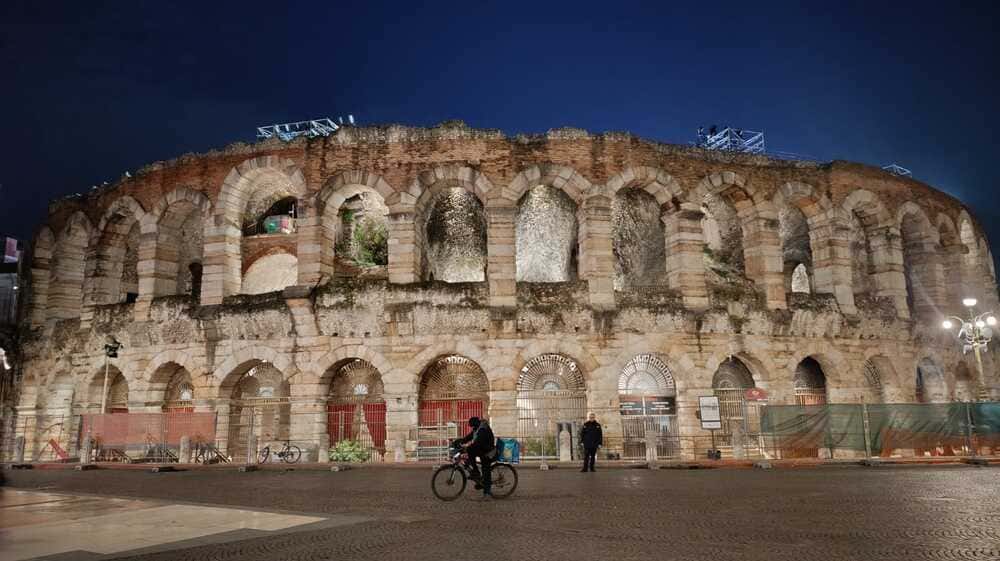
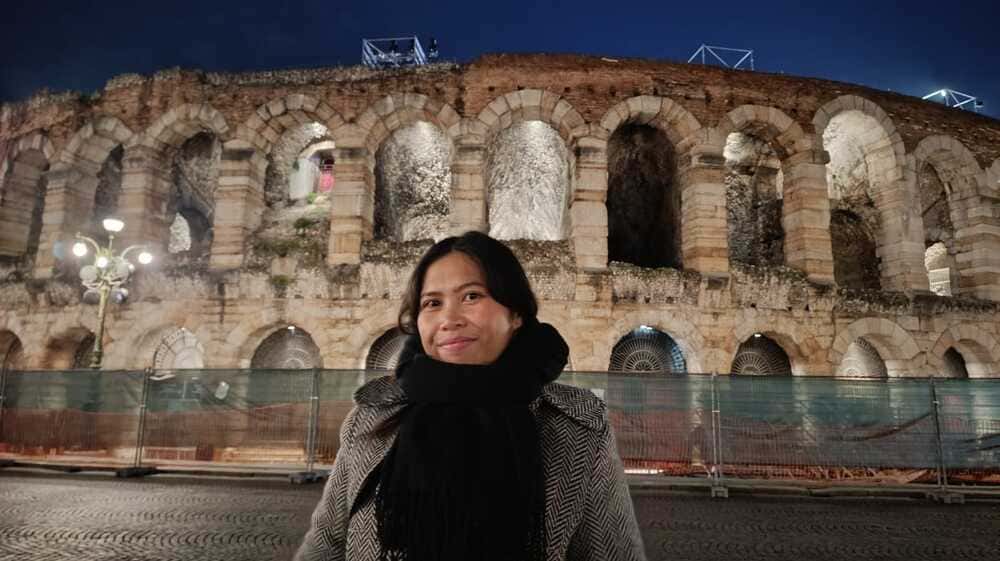
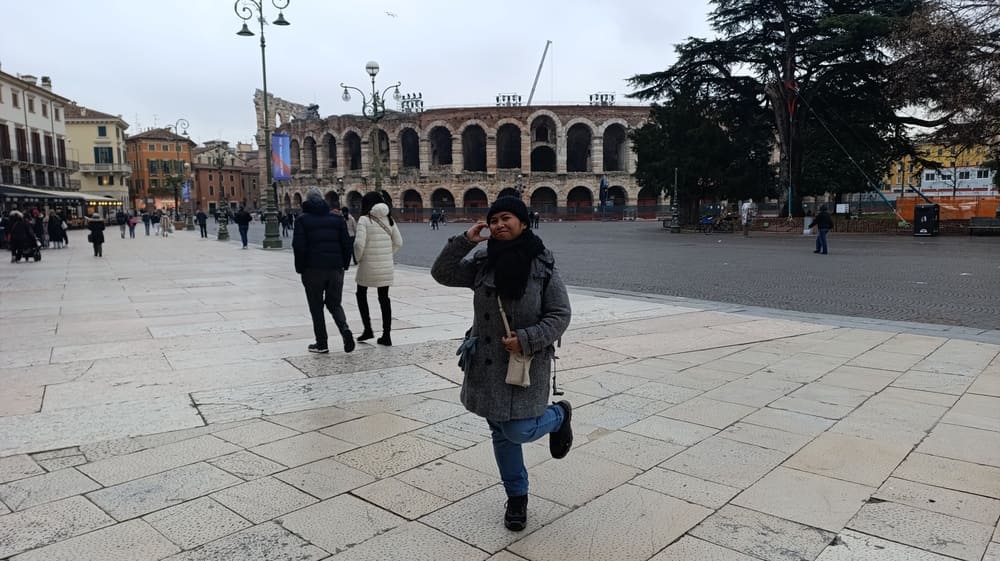
Verona Arena
The Verona Arena is a Roman amphitheater built in the 1st century and one of the best-preserved in the world. It’s still used today for concerts and opera performances.
You can walk inside and see the seating areas up close. It gives a clear idea of how large the structure is. t’s best to visit early in the morning or later in the day to avoid crowds and the strongest heat.
Piazza Bra
Right outside the Arena is Piazza Bra, the largest square in Verona. It’s surrounded by cafes, restaurants, and historic buildings.
It’s a good place to sit for a coffee or take a short break between attractions. Prices are usually higher directly on the square, so walking a few streets away can get you better value.
Piazza delle Erbe
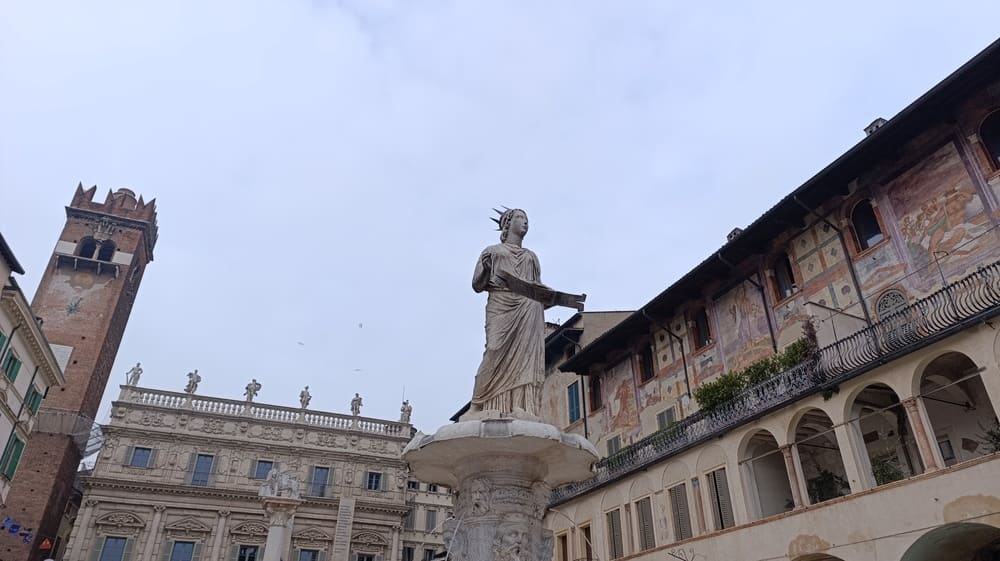
Piazza delle Erbe is one of the oldest squares in Verona. It used to be the Roman forum and is now a busy area with market stalls, cafes, and shops.
The square is surrounded by buildings with painted facades, and you can climb Torre dei Lamberti nearby for a view over the city. Going earlier in the day helps if you want to avoid the busiest crowds.
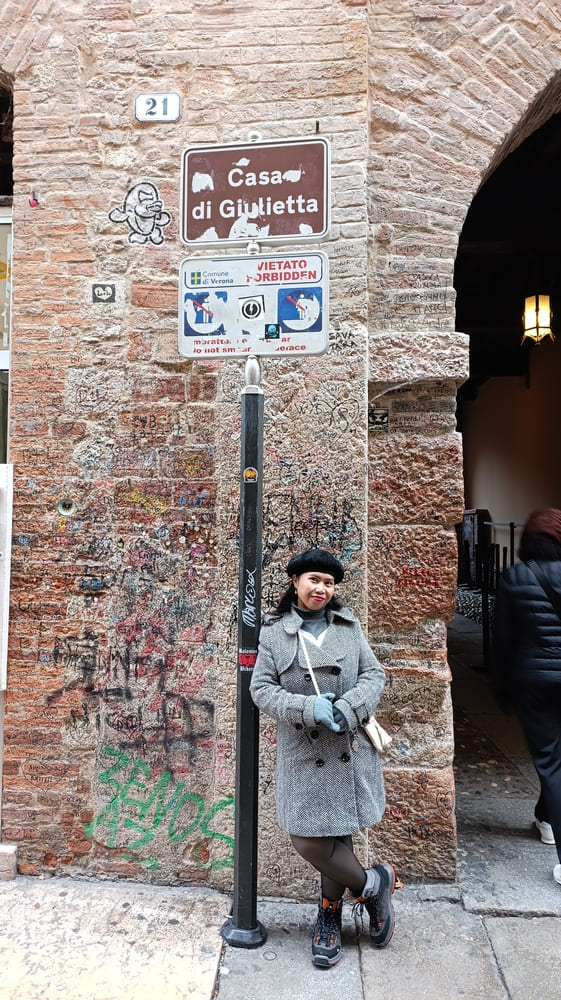
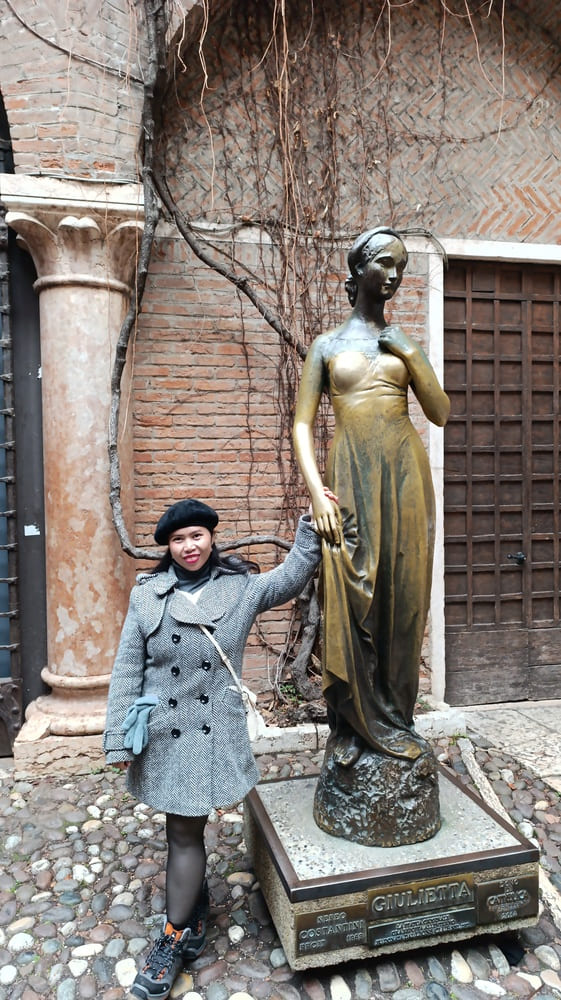
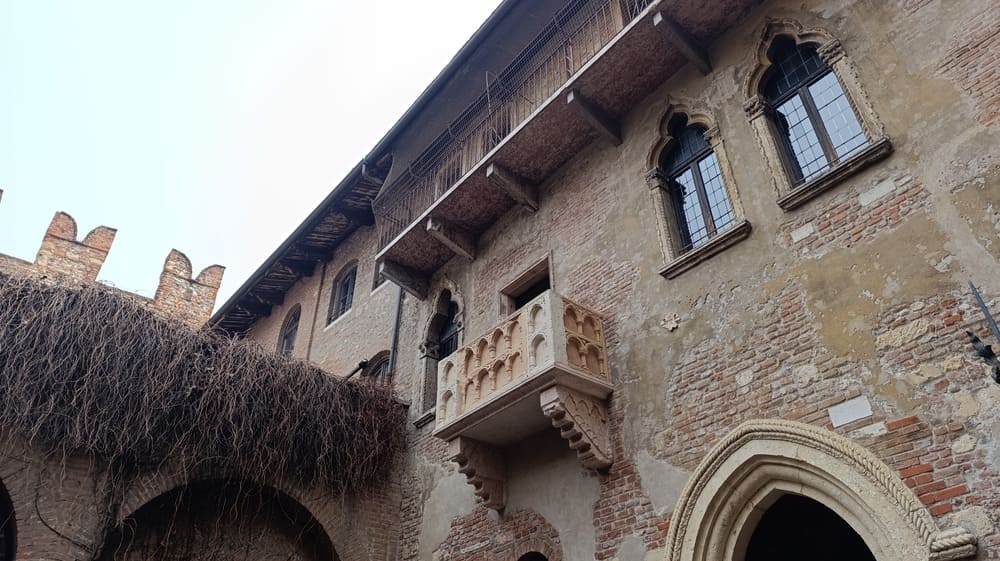
Juliet’s House
Juliet’s House is a popular stop linked to Shakespeare’s Romeo and Juliet. The main feature is the small courtyard and balcony.
It’s usually crowded, and the story behind it is more symbolic than historical, but it’s still one of the most visited places in Verona. If you want a quieter experience, it’s better to come early in the morning.
Day 2: River Views & Local Areas
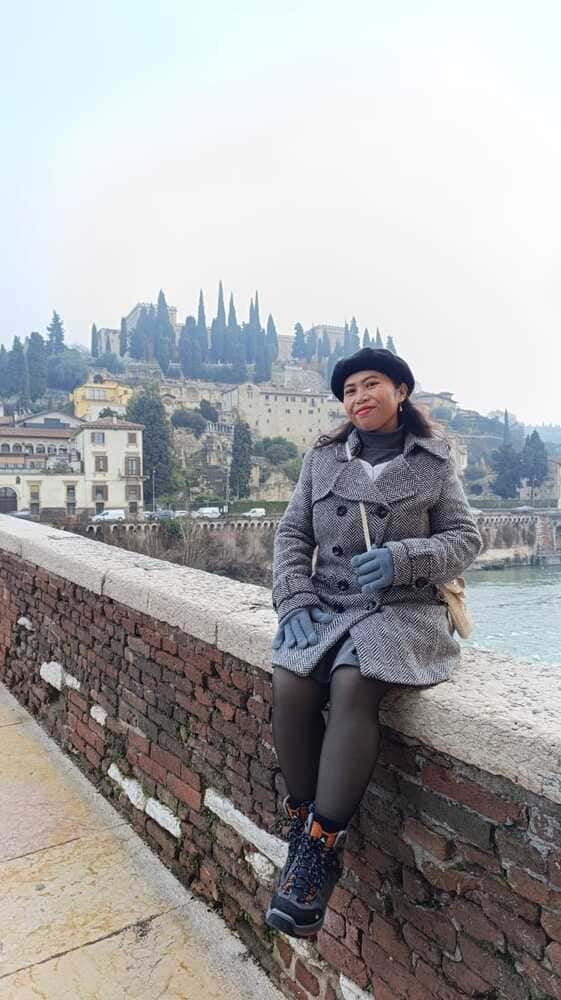
Ponte Pietra
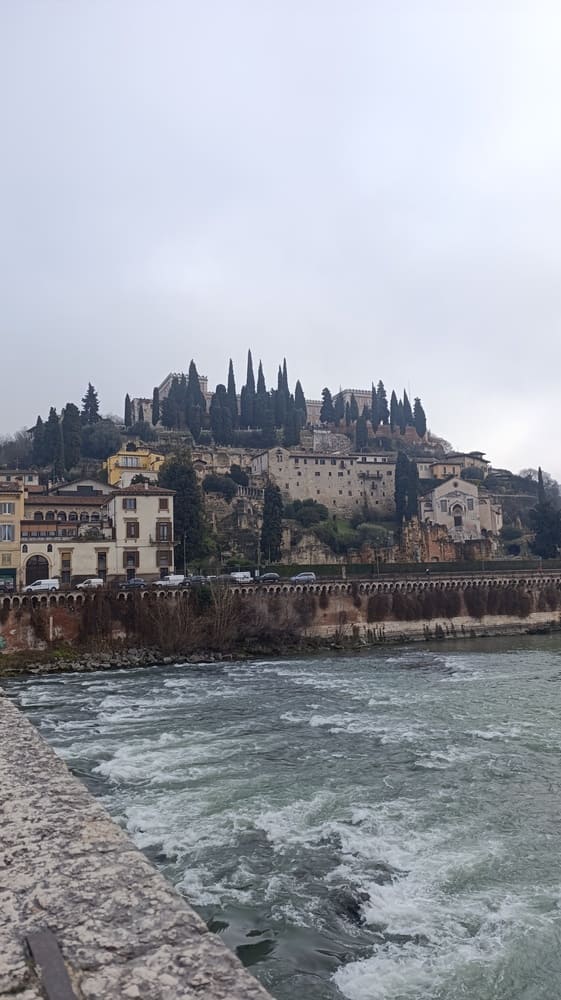
Ponte Pietra is the oldest bridge in Verona. It connects the old town with the hillside area across the river. From the bridge, you get good views of the river and the city, especially in the late afternoon when the light is softer.
Adige River Walk
Walking along the Adige River is a nice break from the busy center. The paths are quiet and often used by locals for walking or cycling. It’s a simple way to see a different side of Verona without needing a plan.
Castel San Pietro
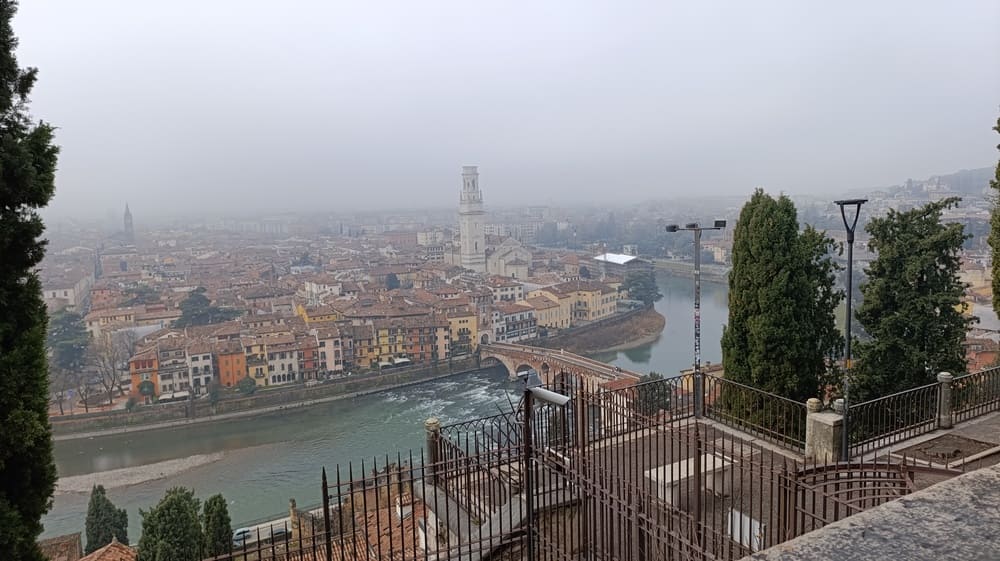
Castel San Pietro is a viewpoint above the city. You can reach it by stairs or by funicular. From the top, you get a wide view of Verona, including the river, rooftops, and main landmarks. Sunset is the best time to go, when the light covers the city and the view is clearer.
Castelvecchio
Castelvecchio is a medieval fortress that now functions as a museum. Even if you don’t go inside, the building and the bridge next to it are worth seeing. The bridge offers views over the river and the old city walls. Walking across it slowly is worth it because of the views on both sides.
Basilica di San Zeno
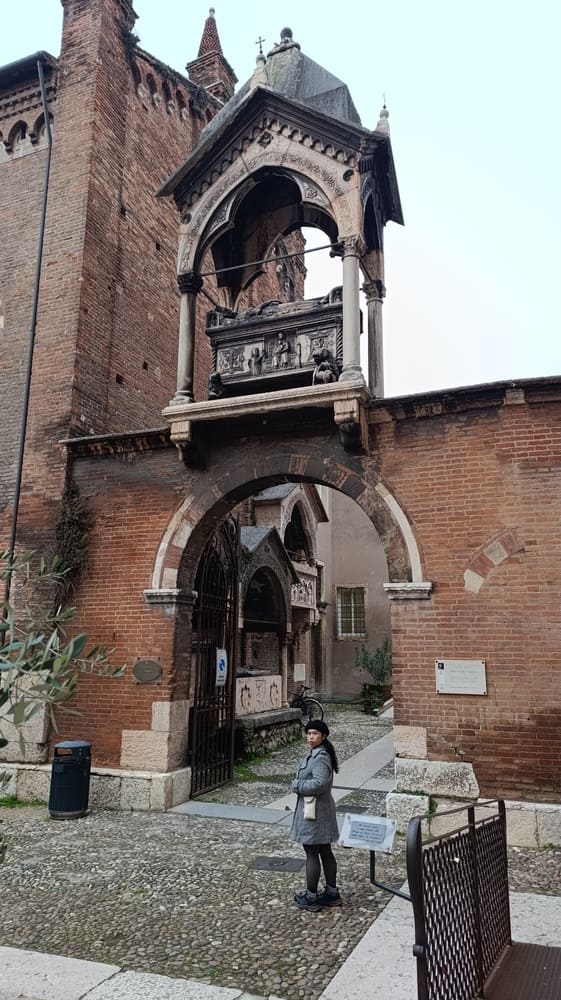
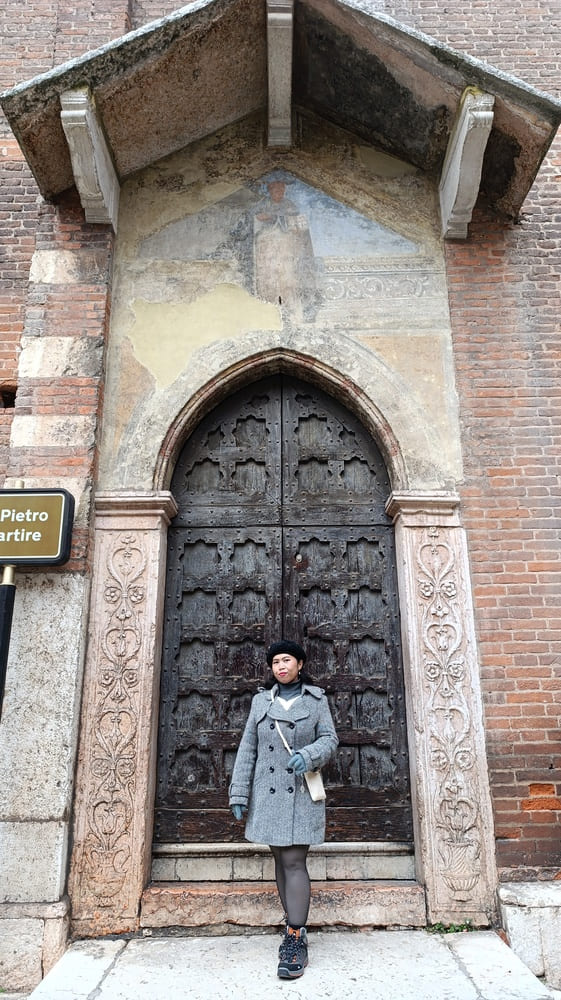
Basilica di San Zeno is a Romanesque church located slightly outside the center. It’s quieter than the main attractions and less crowded. The interior is simple but well preserved, and it’s a calm place to end your Verona itinerary.
Food & Wine in Verona: What to Eat & Where to Try It
Food in Verona is simple but very regional, and most traditional dishes come from the Veneto area. If you’re planning 2 days in Verona, trying local food is part of the experience, especially with the city’s strong wine culture.
Traditional food to try in Verona
Some of the most typical dishes you’ll see on menus include risotto all’Amarone, a rich risotto cooked with local red wine, and bigoli, a thick pasta often served with meat or anchovy-based sauces. Another traditional dish is pastissada de caval, a slow-cooked meat stew with deep historical roots in the region. You’ll also find pearà, a pepper-based sauce usually served with boiled meats in traditional restaurants.
For dessert, pandoro is the most famous sweet from Verona. It’s a soft, buttery cake originally from the city and still widely sold in local bakeries.
Where to eat in Verona
In general, restaurants around Piazza Bra and Piazza delle Erbe are convenient but tend to be more tourist-focused and slightly more expensive. If you walk just a few streets away from the main squares, you’ll usually find better prices and a more local atmosphere.
Smaller trattorias outside the busiest streets often serve more traditional versions of Veronese dishes, and this is where I had the best meals during my stay.
Wine in Verona
Verona is also well known for its wine, especially Amarone and Valpolicella, which come from the nearby wine region. Most restaurants offer local wine by the glass, making it easy to try without committing to a full bottle.
Even if you’re not a wine expert, trying a local glass with dinner is one of the simplest ways to experience the region.
FAQ About Visiting Verona
It depends on the season. You can usually enter the Verona Arena during the day without booking in advance, but if you want to attend an opera or concert, tickets should be booked ahead, especially in summer.
Verona is generally more affordable than cities like Venice or Milan. Accommodation and food prices vary depending on location, but you can still find good mid-range options, especially outside the main squares.
Most of Verona can be explored on foot since the historic center is compact. If you stay slightly outside the center or visit higher viewpoints like Castel San Pietro, you may use local buses.
Juliet’s House is one of the most famous spots in Verona, but it’s more symbolic than historical. The courtyard is small and often crowded, so it’s worth visiting briefly if you’re interested in the Romeo and Juliet story, but it’s not essential if you’re short on time.
Final Thoughts
2 days in Verona is enough to see the main highlights at a relaxed pace. The city is compact, easy to walk around, and offers a good mix of Roman history, river views, and local food.
What stood out to me most was how easy it was to explore without rushing. You can move between major landmarks, quiet streets, and viewpoints in a short amount of time, which makes Verona a great addition to a northern Italy itinerary.
If you’re coming from Venice, Verona also works well as a next stop or short overnight trip. It doesn’t take long to see, but still feels complete and worthwhile.
Overall, this Verona itinerary is a good option if you want a slower, more manageable city after busier destinations in Italy.

Related posts:
 Vienna Travel Guide: Best Things to Do & Tips for First-Time Visitors
 Malaga Travel Guide: 9 Best Things to Do for First-Time Visitors
 2 Days in Nicosia: Top Things to See and Do on Both Sides
 Sofia Travel Guide for First-Time Visitors: Tips, Budget & Things to Do
 Sultanahmet, Istanbul: Complete Guide to Hagia Sophia, Blue Mosque & Top Attractions