Unlike many European capitals, Sofia doesn’t have a famous skyline, world-renowned landmarks on every corner, or endless crowds of tourists. In fact, it’s one of those places that many travelers overlook when planning a trip through Europe.
After spending time here, I decided to make Sofia my home. Living here has given me a completely different perspective from simply visiting for a few days. I’ve had the chance to explore beyond the main attractions, discover local cafes and neighborhoods, and experience what everyday life in Bulgaria’s capital is really like.
While Sofia may not be as polished as cities like Vienna or Budapest, it offers something many popular destinations have lost: space to slow down. It’s affordable by European standards, easy to get around, surrounded by mountains, and has a laid-back atmosphere that makes it easy to enjoy at your own pace.
If you’re planning your first visit, this guide covers everything you need to know before arriving, including the best things to do, where to stay, how to get around, what to eat, a realistic budget, and the practical tips I’ve learned from living in Sofia.
What to Know Before Visiting Sofia
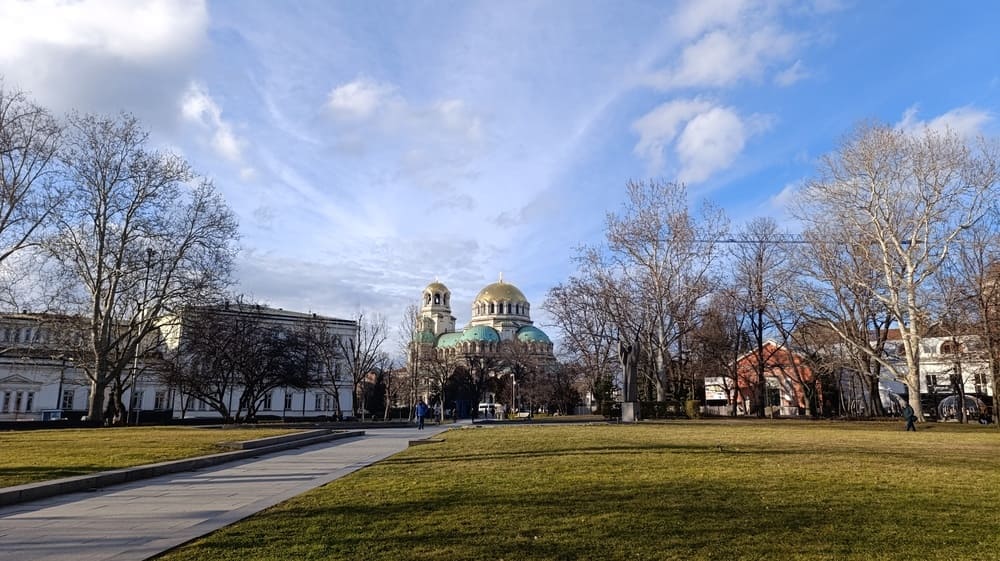
Sofia is one of Europe’s most underrated capitals, but it’s also quite different from cities like Prague, Budapest, or Vienna.
Here are a few things I think first-time visitors should know before arriving.
1. Sofia Is Very Walkable
Most of Sofia’s main attractions are located within or close to the city centre.
I found myself walking almost everywhere, whether I was heading to Alexander Nevsky Cathedral, Vitosha Boulevard, or one of the city’s many parks. Walking is easily the best way to experience Sofia’s relaxed atmosphere.
2. The Metro Makes Getting Around Easy
If you need to travel farther, Sofia’s metro is clean, affordable, and surprisingly modern.
It also connects directly to Sofia Airport, making it one of the easiest European capitals to arrive in without needing a taxi.
During my time here, I found the metro reliable and straightforward to use, even as someone new to the city.
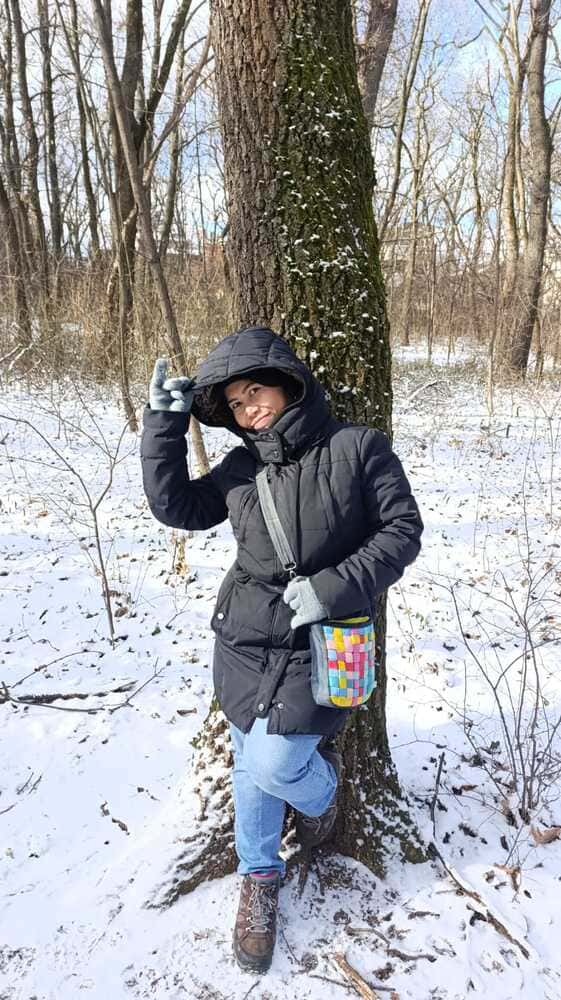
3. Don’t Skip Vitosha Mountain
One of Sofia’s biggest advantages is something many visitors overlook.
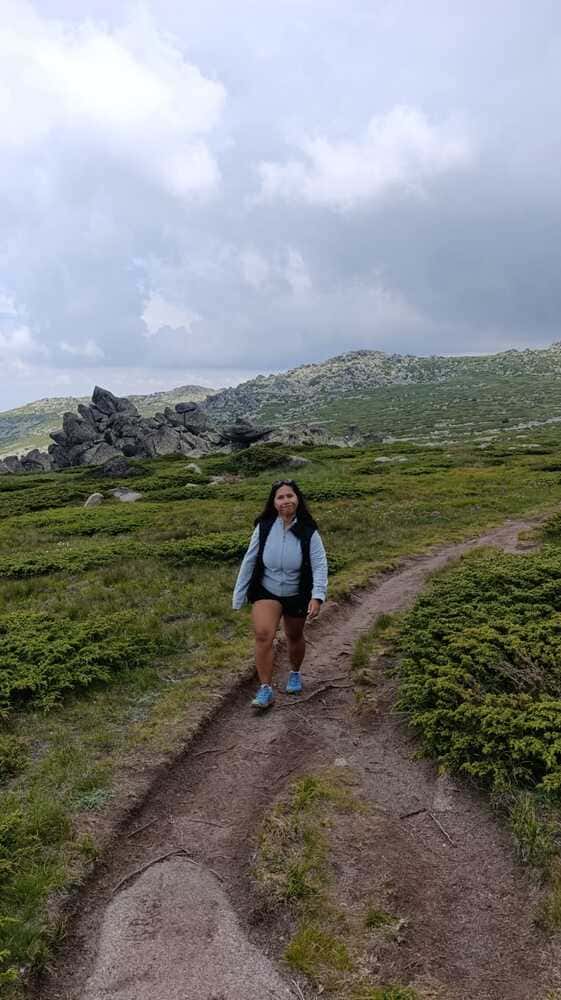
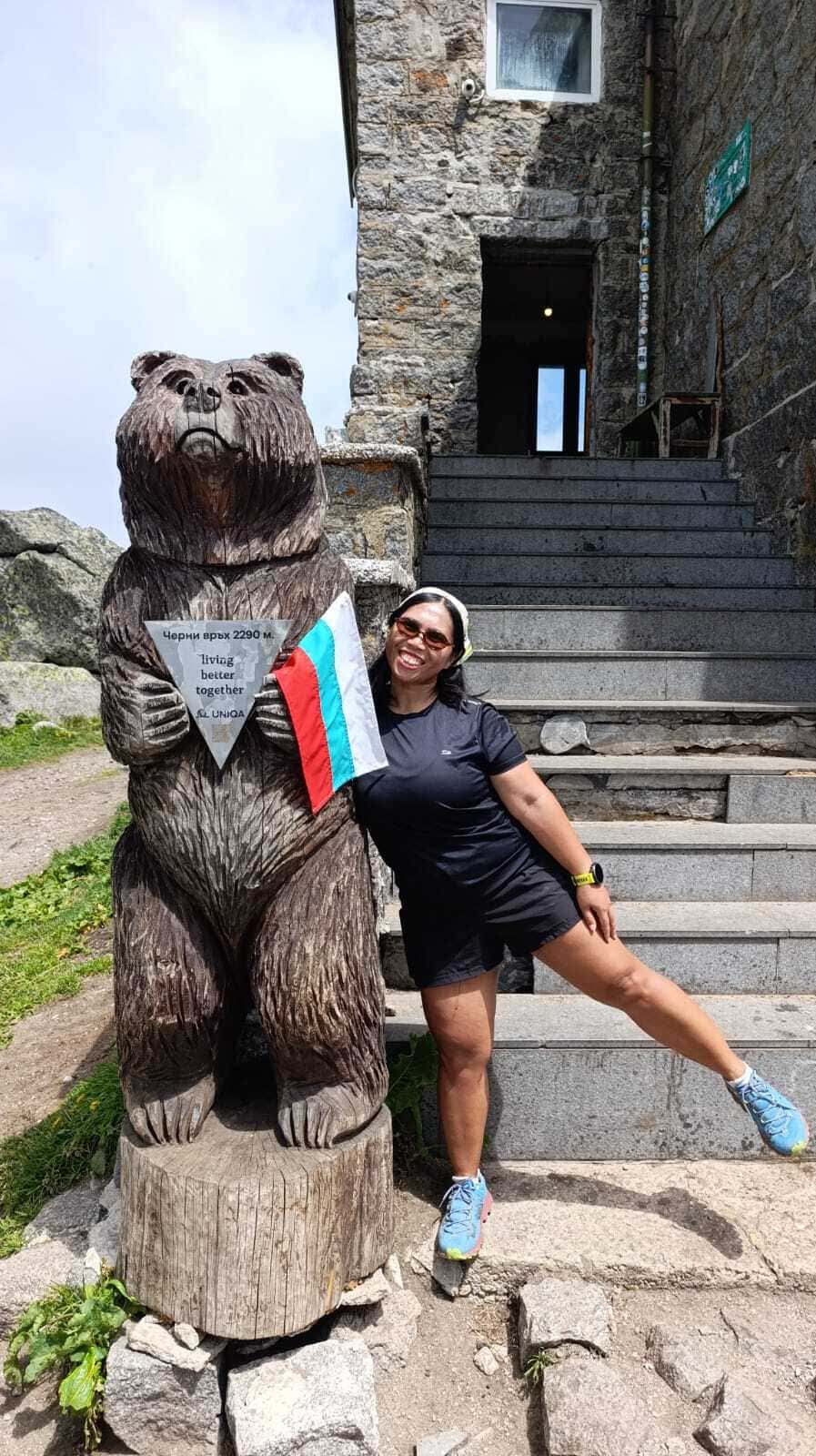
Within a short journey from the city centre, you can be hiking in Vitosha Mountain, enjoying fresh air and panoramic views over the capital.
If you’re staying for more than two days, I’d definitely recommend setting aside time to visit.
4. English Is Spoken in Most Tourist Areas
I found it easy to communicate in hotels, restaurants, cafés, and major attractions using English.
Learning a few basic Bulgarian phrases is always appreciated, but you shouldn’t have any trouble getting around as an international visitor.
5. Visit Beyond the Main Attractions
Alexander Nevsky Cathedral and Vitosha Boulevard are great places to start, but don’t stop there.
Some of my favorite parts of Sofia are its quieter neighborhoods, local cafés, and green parks. The city reveals its character the more time you spend exploring beyond the main tourist sights.
That’s why I always recommend slowing down instead of trying to rush through every attraction in a single day.
Best Things to Do in Sofia
Sofia doesn’t have dozens of world-famous landmarks, and I think that’s part of its charm.
The city is best explored at a slower pace, mixing historic sights with green parks, local cafes, and neighborhoods that most visitors never make time for.
If it’s your first visit, these are the places I think are worth prioritizing.
1. Visit Alexander Nevsky Cathedral
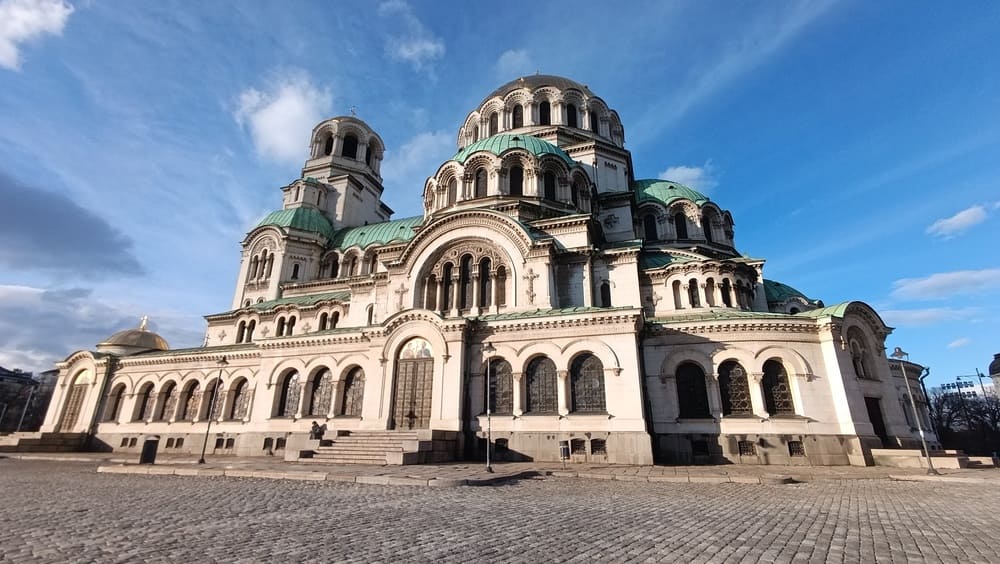
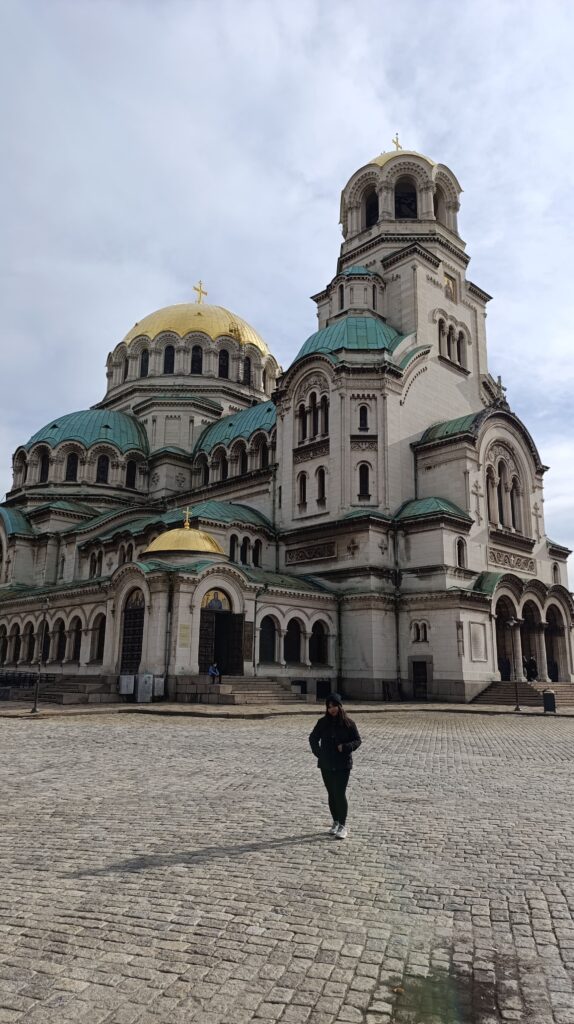
No visit to Sofia feels complete without seeing Alexander Nevsky Cathedral.
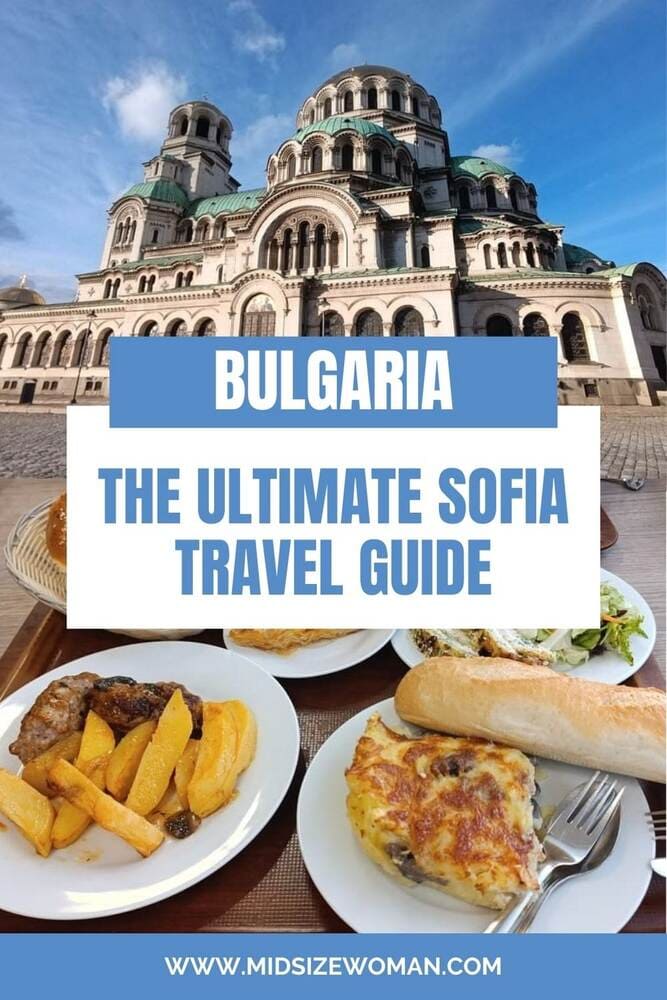
With its golden domes and impressive Neo-Byzantine architecture, it’s one of Bulgaria’s most recognizable landmarks and the symbol of the city. The cathedral is just as beautiful inside, with intricate frescoes, marble details, and a peaceful atmosphere that makes it worth stepping in.
Visit early in the morning if you’d like to enjoy the cathedral before tour groups arrive. It’s also beautifully illuminated after sunset if you’re exploring the city in the evening.
2. Explore the Ancient Roman City of Serdica
One of the things that surprised me most about Sofia is how much history sits beneath the modern city.
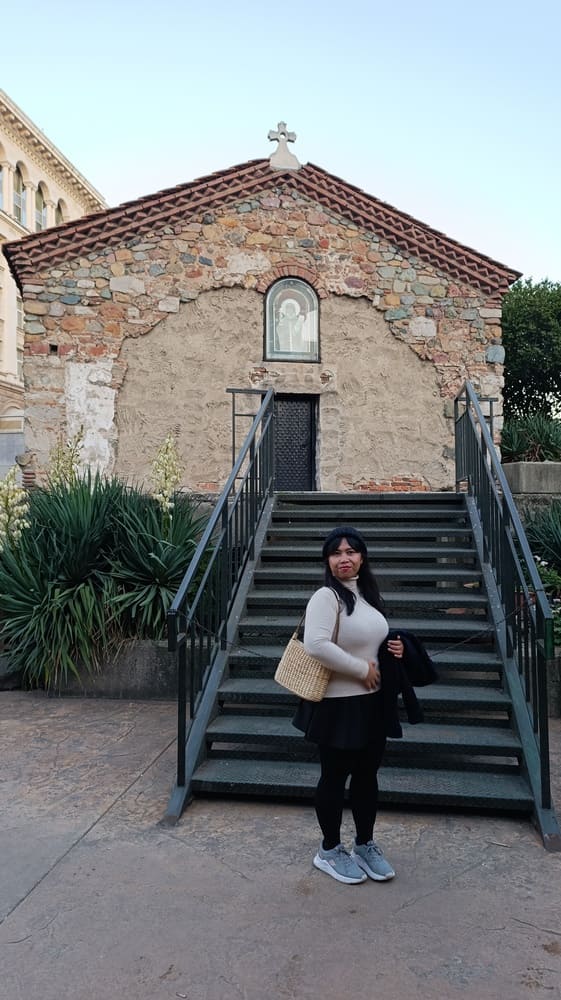
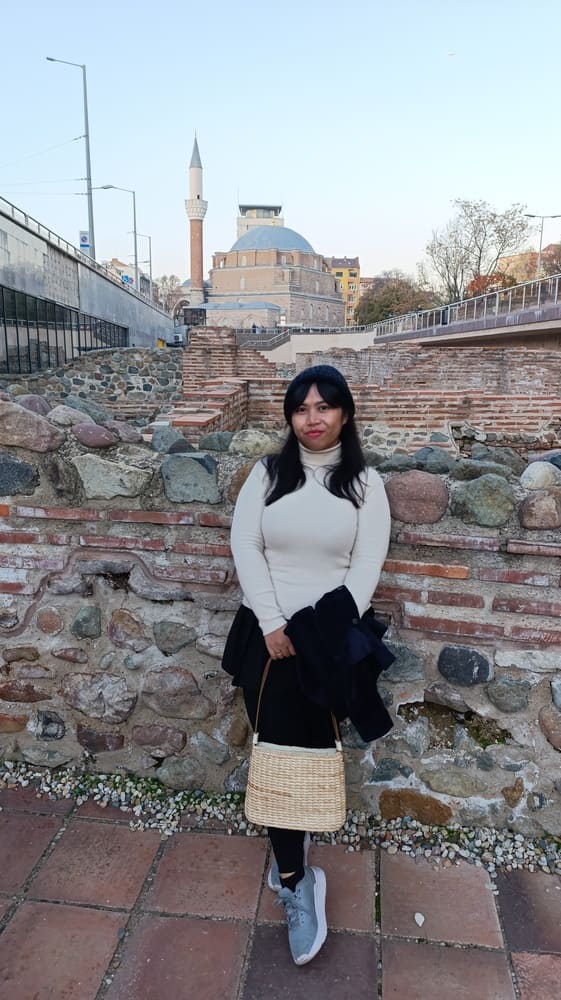
Near Serdika Metro Station, you’ll find the remains of the ancient Roman city of Serdica. Walkways allow you to explore the ruins while learning about Sofia’s history, and best of all, much of the site is free to visit.
Worth Visiting? Absolutely. It’s an easy stop while exploring the city centre and offers a fascinating glimpse into Sofia’s Roman past.
3. Walk Along Vitosha Boulevard
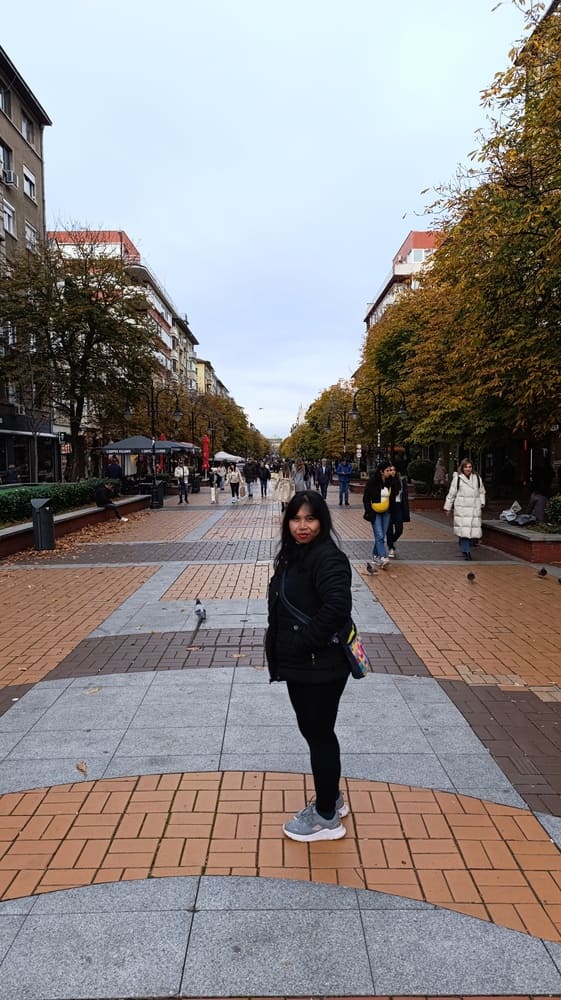
If Alexander Nevsky Cathedral is Sofia’s most famous landmark, Vitosha Boulevard is its social heart.
Lined with cafes, restaurants, shops, and outdoor terraces, it’s the perfect place to take a break between sightseeing. On clear days, you’ll also get a beautiful view of Vitosha Mountain at the end of the boulevard.
I often find myself walking here even when I don’t have a destination in mind. It’s one of the best places in Sofia to simply enjoy the city’s atmosphere.
4. Take a Trip to Vitosha Mountain
One of Sofia’s biggest advantages is how close nature feels.
Within a short journey from the city centre, you can swap busy streets for hiking trails, fresh mountain air, and panoramic views across the city.
Worth the Trip? Definitely. If you have more than two days in Sofia, I think Vitosha Mountain should be at the top of your list.
5. Visit Boyana Church
Located at the foot of Vitosha Mountain, Boyana Church is one of Bulgaria’s most important UNESCO World Heritage Sites. It’s famous for its remarkably well-preserved medieval frescoes, many of which date back to the 13th century.
Boyana Church pairs perfectly with a visit to Vitosha Mountain if you’re planning a day outside the city centre.
6. Explore Zhenski Pazar (Women’s Market)
If you’d like to experience a more local side of Sofia, head to Zhenski Pazar, the city’s oldest and most famous market.
You’ll find everything from fresh fruit and vegetables to Bulgarian cheeses, spices, pastries, flowers, and small local shops. Walking through the market feels very different from the polished city centre and offers a glimpse into everyday life in Sofia.
I enjoy coming here from time to time because it feels authentic. It’s one of those places where locals shop for their daily groceries rather than somewhere designed specifically for tourists.
Like any busy city market, keep an eye on your belongings and take your time exploring. If you’re curious about Bulgarian food, this is also a great place to discover local ingredients and traditional snacks.
7. Visit Sofia Central Market Hall
If you’re looking for a quick introduction to Bulgarian food and local products, the Central Market Hall is well worth a visit.
Recently renovated, this historic indoor market combines traditional food stalls with modern cafés, bakeries, and specialty shops. It’s a great place to browse local cheeses, cured meats, honey, spices, pastries, and other Bulgarian products.
Even if you’re not planning to buy anything, it’s worth walking through while exploring the city centre.
Stop by for a quick breakfast, coffee, or snack before continuing your sightseeing. The market is only a short walk from the Serdica archaeological site and the Regional History Museum, making it an easy addition to your itinerary.
8. Relax in Borisova Gradina
Borisova Gradina is Sofia’s oldest and largest park, and one of my favorite places to escape the city without actually leaving it.
You’ll find wide walking paths, gardens, cafés, sports facilities, and plenty of locals enjoying the outdoors. If the weather is nice, grab a coffee and spend an hour wandering through the park. It’s a great way to experience everyday life in Sofia.
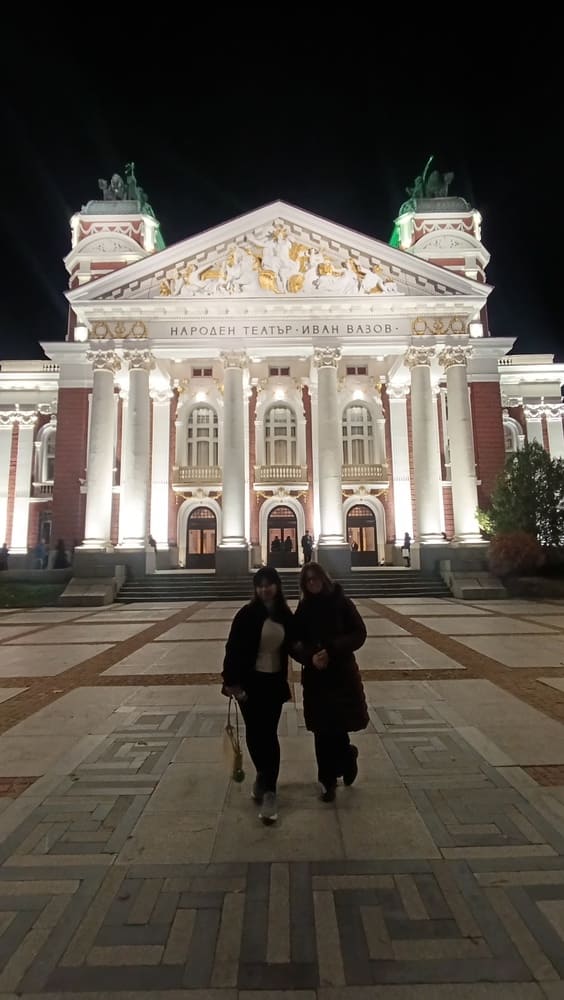
9. See the Ivan Vazov National Theatre
Surrounded by the leafy City Garden, the Ivan Vazov National Theatre is one of Sofia’s most beautiful buildings.
Even if you don’t watch a performance, it’s worth visiting to admire the architecture and relax in one of the city’s liveliest public spaces.
Best time to visit? Late afternoon is my favorite time to visit, when locals gather in the park and the atmosphere becomes especially lively.
Where to Stay in Sofia
Sofia is a compact city, so you don’t need to stay far from the centre to enjoy the city’s main attractions.
For most visitors, these are the three areas I’d recommend.
Sofia City Centre (Best for First-Time Visitors)
If it’s your first time in Sofia, the city centre is easily the best place to stay.
You’ll be within walking distance of Alexander Nevsky Cathedral, Vitosha Boulevard, Serdica, the National Theatre, and many of the city’s best cafés and restaurants.
Best for:
- First-time visitors
- Short city breaks
- Walking to the main attractions
Around NDK (Best for Cafes & Nightlife)
The area around the National Palace of Culture (NDK) offers a great mix of convenience and atmosphere.
It’s close to Vitosha Boulevard, well connected by metro, and filled with cafes, restaurants, and green spaces. It’s a great choice if you want to experience a livelier side of Sofia without staying in the busiest part of the city.
Best for:
- Couples
- Weekend trips
- Food lovers
My Recommendation
If you’re visiting Sofia for the first time, I’d stay in the city centre. It’s the most convenient location for sightseeing and allows you to explore many of Sofia’s main attractions on foot.
How to Get Around Sofia
Getting around Sofia is straightforward, and most visitors won’t have any trouble navigating the city.
Walking
Many of Sofia’s main attractions are within walking distance, making it easy to explore the city on foot. I found walking to be the best way to discover Sofia’s parks, cafés, and historic streets between the main sights.
Metro
Sofia’s metro is clean, modern, and easy to use.
It connects Sofia Airport, the Central Railway Station, and many neighborhoods across the city. Station signs are available in both Bulgarian and English, making it a convenient option for international visitors.
Trams, Buses & Trolleybuses
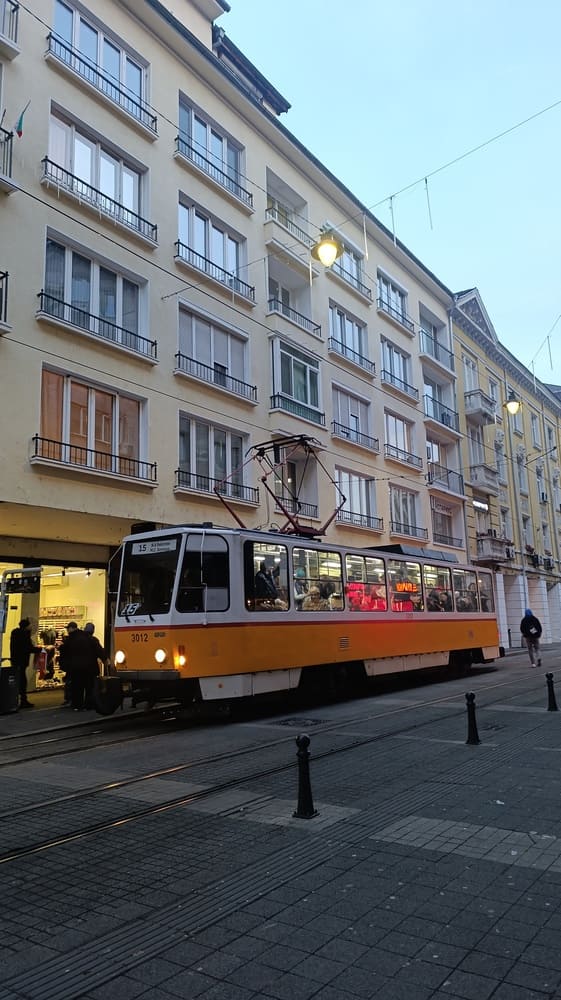
For destinations beyond the metro network, Sofia’s trams, buses, and trolleybuses provide excellent coverage throughout the city.
Google Maps works well for planning routes and checking departure times, so using public transport is generally very straightforward.
My Tip
If you’re only visiting Sofia for a couple of days, you’ll probably walk more than you expect. Public transport is most useful for reaching places like Boyana Church, Vitosha Mountain, or neighborhoods farther from the city centre.
Sofia Travel Budget
One of the reasons Sofia stands out among European capitals is that it’s possible to have a great trip without spending a fortune.
Your daily budget will depend on your travel style, but here’s a realistic estimate for most visitors.
Budget Traveler (€40–60 per day)
A budget trip is very achievable in Sofia.
This budget usually covers:
- Hostel or budget accommodation
- Public transport
- Casual local restaurants or street food
- A few paid attractions
If you enjoy free walking, parks, and historic landmarks, you can comfortably explore Sofia without spending much.
Mid-Range Traveler (€70–120 per day)
This is what I think most visitors will spend.
A mid-range budget includes:
- A comfortable hotel or apartment
- Meals at good local restaurants
- Coffee breaks and desserts
- Paid attractions
- The occasional taxi or rideshare
It’s a comfortable budget that lets you enjoy the city without constantly thinking about costs.
How Much Money Should You Budget?
For most first-time visitors, I’d recommend planning around €70–100 per person per day, excluding flights.
That gives you enough flexibility to stay in a comfortable hotel, eat well, visit the main attractions, and enjoy Sofia without feeling restricted.
What to Eat in Sofia
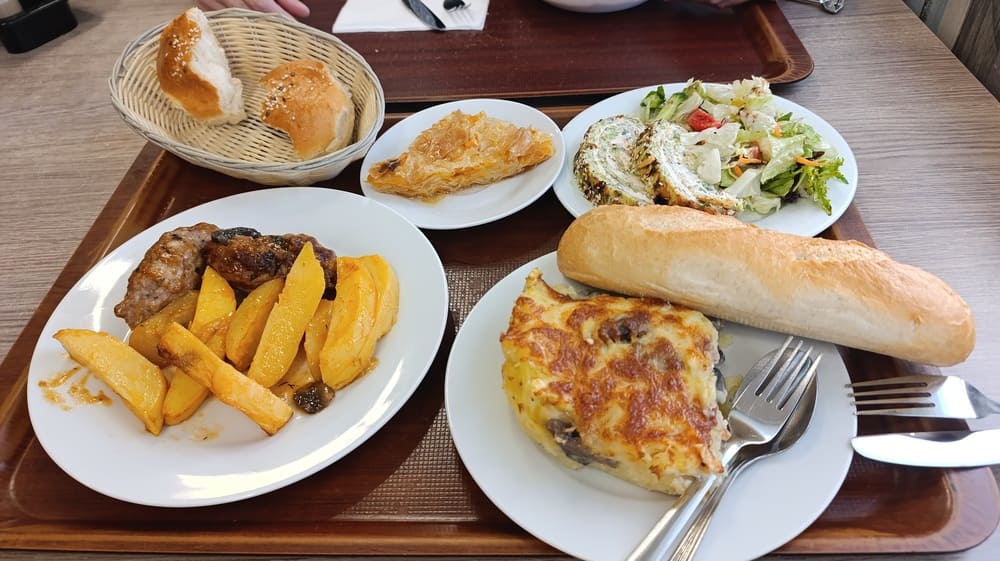
Trying traditional Bulgarian food is one of the highlights of visiting Sofia.
Bulgarian cuisine combines influences from the Balkans, the Mediterranean, and the Ottoman Empire, resulting in hearty dishes that are full of fresh ingredients and bold flavors.
These are the foods I think every first-time visitor should try.
1. Shopska Salad
If you only try one Bulgarian salad, make it Shopska Salad.
Made with tomatoes, cucumbers, peppers, onions, and topped with grated white sirene cheese, it’s fresh, simple, and served almost everywhere.
2. Banitsa
Banitsa is Bulgaria’s most famous pastry and a popular breakfast.
It’s made with flaky pastry layered with eggs and white cheese, although you’ll also find versions filled with spinach, pumpkin, or meat.
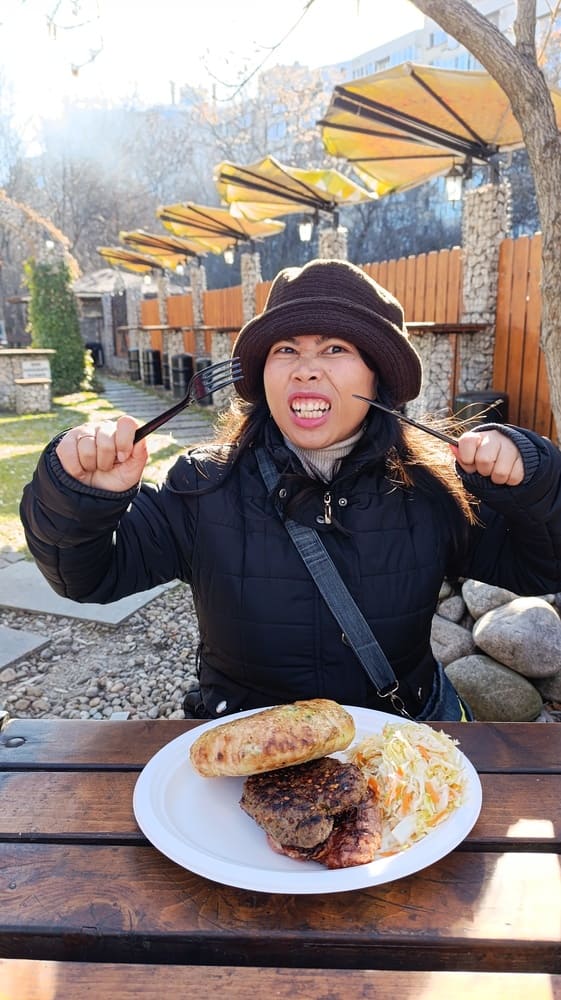
3. Kebapche
Kebapche is one of Bulgaria’s most popular grilled dishes. These skinless minced meat sausages are seasoned with spices and usually served with fries, salad, or bread.
4. Kavarma
If you’re looking for a comforting Bulgarian meal, order Kavarma. It’s a slow-cooked stew made with meat, onions, peppers, mushrooms, and herbs, traditionally served in a clay pot.
5. Tarator
Tarator is a cold yogurt soup that’s especially popular during summer. Made with yogurt, cucumber, garlic, dill, and walnuts, it’s refreshing and unlike anything many visitors have tried before.
6. Mekitsa
For breakfast or a sweet snack, try Mekitsa. These fried dough pastries are typically served with powdered sugar, jam, honey, or Bulgarian cheese and pair perfectly with coffee.
7. Bulgarian Yogurt
Bulgaria is famous for its yogurt, and it’s worth trying while you’re here. Whether enjoyed on its own, with honey, or as part of a traditional meal, Bulgarian yogurt is known for its rich flavor and creamy texture.
Frequently Asked Questions
Yes. While Sofia doesn’t have as many famous landmarks as some European capitals, it offers a relaxed atmosphere, fascinating history, great food, and easy access to nature. It’s an excellent destination if you enjoy exploring beyond the typical tourist hotspots.
Sofia is generally considered a safe city for visitors. As with any major city, it’s sensible to stay aware of your surroundings and keep an eye on your belongings in busy areas and on public transport.
Spring (April to June) and autumn (September to October) are ideal, with pleasant temperatures and fewer crowds. Summer is great for combining the city with trips to Vitosha Mountain, while winter offers Christmas markets and nearby skiing.
For most first-time visitors, 2–3 days is enough to see the main attractions, enjoy Bulgarian cuisine, and experience the city’s atmosphere at a relaxed pace.
Compared with many other European capitals, Sofia is still a relatively affordable destination. Accommodation, dining, and public transport are generally good value, making it a great choice for budget and mid-range travelers.
What Surprised Me After Moving to Sofia
When I first visited Sofia, I liked it. After moving here, I understood why so many people who spend time in the city end up loving it.
These are the things that surprised me the most.
Sofia Is Much Greener Than I Expected
Before moving here, I imagined Sofia as a typical Eastern European capital filled with concrete buildings.
Instead, I found parks almost everywhere. Whether it’s Borisova Gradina, South Park, or small neighborhood green spaces, it’s easy to escape the city without actually leaving it.
Vitosha Mountain Always Feels Close
One of the biggest surprises was how present Vitosha Mountain is in everyday life.
On a clear day, you can see it from many parts of the city, and within a short drive or bus ride, you’re hiking in nature. It’s something I never expected from a European capital.
Life Feels Less Rushed
Compared to many other European cities I’ve visited, Sofia has a much more relaxed pace.
People still go to work, cafes are busy, and the city has plenty happening, but it never feels overwhelmingly crowded or stressful.
It’s one of the reasons I’ve enjoyed living here.
Everyday Life Is More Affordable Than Western Europe
While prices have increased in recent years, I still find Sofia offers excellent value compared to many Western European capitals.
From cafes and restaurants to public transport and rent, daily expenses are generally much lower than cities like Vienna, Amsterdam, or Paris.
Sofia Slowly Grows on You
This was probably the biggest surprise of all. Sofia isn’t the kind of city that immediately leaves you speechless.
Instead, it’s a place that becomes more enjoyable the longer you stay. The more neighborhoods you explore, the more local cafés you discover, and the more you settle into the slower pace of life, the more the city reveals its character.
Looking back, I think that’s exactly why I decided to make Sofia my home.
Final Thoughts
Sofia may not be the first city that comes to mind when planning a trip to Europe, but that’s exactly what makes it such a rewarding destination.
It offers a unique mix of history, green spaces, mountain views, and everyday local life without the crowds you’ll find in many of Europe’s more famous capitals.
Whether you’re visiting Bulgaria for a weekend or using Sofia as a base to explore the country, I think you’ll discover that its charm isn’t found in a single landmark, it’s found in the city’s atmosphere.
Take your time, explore beyond the main attractions, try the local food, and don’t be afraid to slow down.
I hope this guide helps you make the most of your first visit to Sofia.
Related articles:
- Belogradchik, Bulgaria: An Underrated Weekend Road Trip from Sofia
- Is Plovdiv Worth Visiting? The Perfect Day Trip from Sofia
- Baba Vida Fortress in Vidin, Bulgaria
- Surva Festival: Bulgaria’s UNESCO-Recognized Kukeri Mask Festival

Related posts:
 Vienna Travel Guide: Best Things to Do & Tips for First-Time Visitors
 Malaga Travel Guide: 9 Best Things to Do for First-Time Visitors
 2 Days in Nicosia: Top Things to See and Do on Both Sides
 Verona Itinerary: How to Spend 2 Days in Verona, Italy
 Sultanahmet, Istanbul: Complete Guide to Hagia Sophia, Blue Mosque & Top Attractions