Over the last few years, Labuan Bajo has become one of the most popular travel destinations in Indonesia — mostly because of the famous island-hopping trips around Komodo National Park.
You’ve probably already seen the photos:
- the viewpoint at Padar Island
- pink sand beaches
- traditional phinisi boats
- manta rays in clear blue water
And honestly, most of it really is that beautiful.
But after spending time traveling through Flores and joining a multi-day sailing trip, I realized there’s a big difference between visiting Labuan Bajo quickly and actually experiencing it slowly.
A lot of travel guides focus only on the Instagram spots or luxury boat tours. This guide is more about what the trip is actually like from choosing between day trips and liveaboard boats, to traveling across Flores, handling expectations, and figuring out whether Labuan Bajo is still worth visiting in 2026.
If you’re planning a Komodo sailing trip soon, here’s everything I wish I knew before going.
Is Labuan Bajo Worth a Visit in 2026?
Labuan Bajo has quickly become one of Indonesia’s most popular island destinations, mainly because of the sailing trips around Komodo National Park.
Most people come here for:
- island hopping
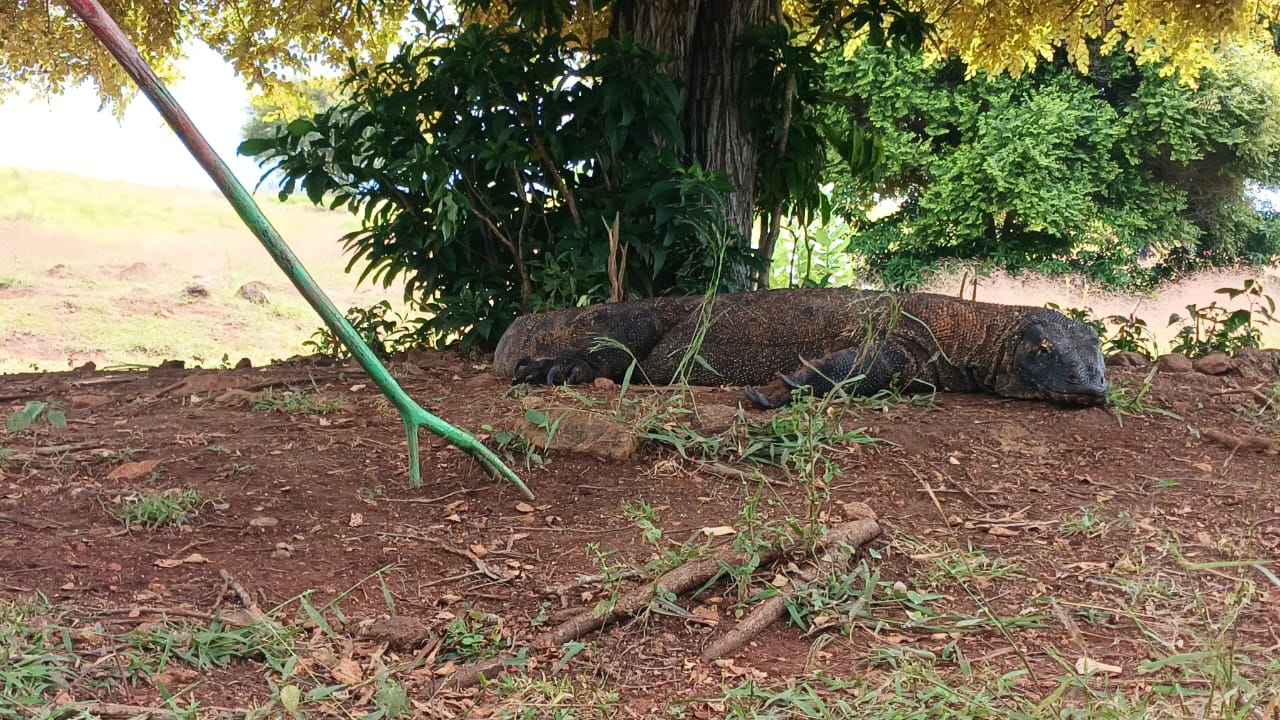
- Komodo dragons
- snorkeling and diving
- phinisi boat trips
- spots like Padar Island and Pink Beach
By 2026, Labuan Bajo is definitely more developed and touristy than before, especially around the harbor area. But once you leave town and get out into the islands, the atmosphere changes completely.
The best part of the trip is usually the slower moments, long boat rides, quiet sunsets, snorkeling stops, and traveling through Flores beyond the typical tourist route.
That’s what still makes Labuan Bajo worth visiting.
Day Trip vs Multi-Day Sailing Trip
One of the biggest decisions when planning a Labuan Bajo trip is choosing between a one-day Komodo tour or a multi-day phinisi sailing experience.
Both are popular, but the experience feels very different.
1-Day Komodo Tour
A day trip is the easiest option if you’re short on time or traveling on a tighter budget.
Most tours include stops like:
- Padar Island
- Pink Beach
- Manta Point
- Komodo or Rinca Island
You’ll cover a lot in one day, but the pace can feel rushed. Some speedboat tours also start very early and spend a large part of the day moving quickly between stops. Still, if your goal is simply seeing the highlights, it’s a practical option.
Multi-Day Phinisi Boat Trip
For a slower experience, most travelers choose a 2D1N, 3D2N, or 4D3N phinisi boat trip. This means sleeping onboard while sailing through Komodo National Park and visiting different islands over several days.
Personally, this felt like the best way to experience the area.
Life onboard becomes very simple:
- sunrise views from the deck
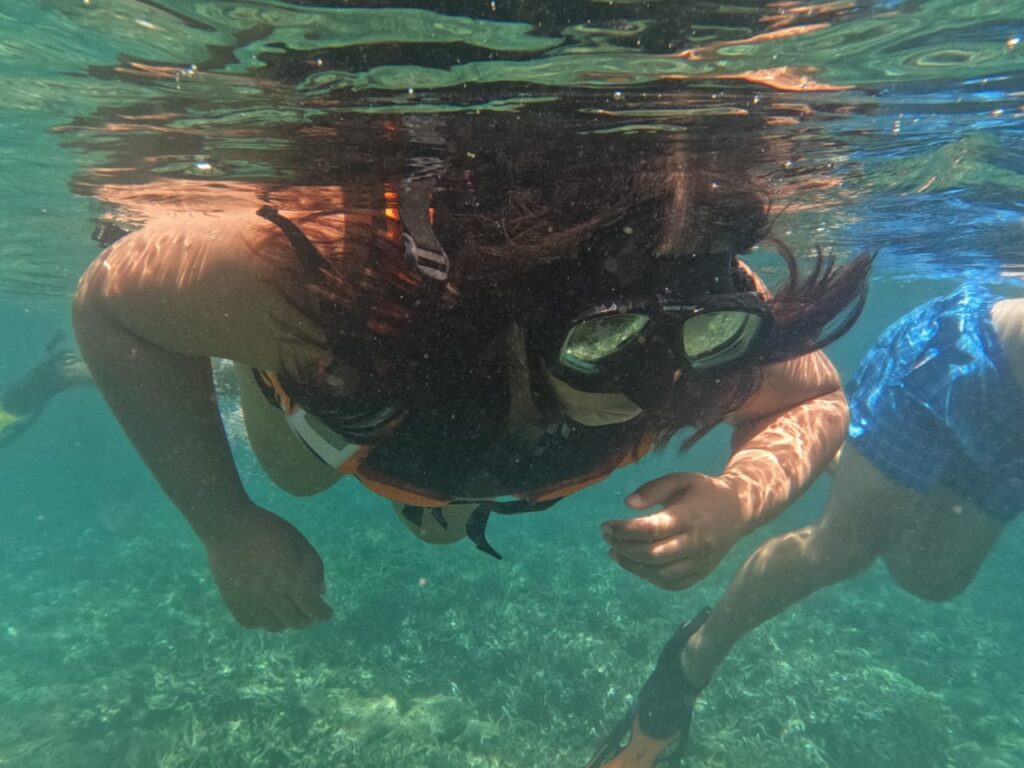
- snorkeling during the day
- slow sailing between islands
- sunset dinners on the boat
At the same time, it’s important to manage expectations.
Not every phinisi trip is luxury travel. Some boats are beautiful and comfortable, while others can feel crowded, noisy, or very basic depending on the operator and budget.
Before booking, I’d always check:
- recent reviews
- cabin conditions
- number of passengers
- safety equipment
- food quality
- air conditioning availability
- overall cleanliness
The cheapest option is not always the best value here.
My Honest Recommendation
If you have enough time and budget, I think a 2D1N or 3D2N sailing trip gives the best overall experience.
Labuan Bajo is one of those places where slowing down actually changes the trip completely. The quieter moments onboard ended up being just as memorable as the famous viewpoints themselves.
What It’s Like on a Phinisi Boat
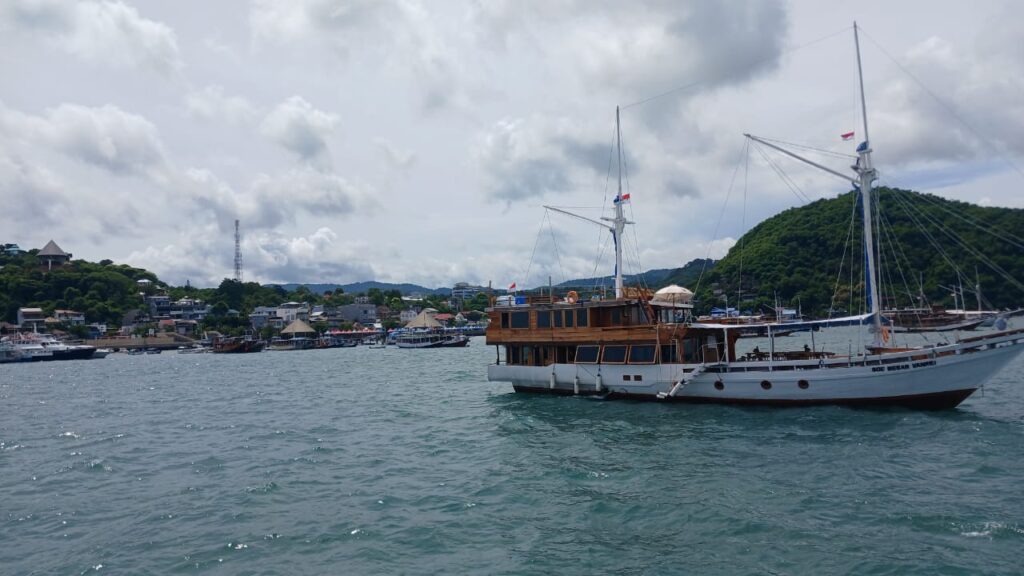
A few hours after leaving Labuan Bajo, life on a phinisi boat starts to feel pretty simple. Once you’re inside Komodo National Park, there’s not much else to do except follow the rhythm of the sea, wake up, eat, swim, move to the next island, repeat.
Most multi-day trips run on traditional Indonesian phinisi boats, and the experience varies a lot depending on the operator.
Daily Rhythm
A typical day usually looks like:
- early wake-up for sunrise views or first stop
- breakfast on deck
- island hopping or snorkeling
- long stretches of sailing between islands
- sunset on the boat
- dinner and rest
It’s not a packed schedule, but you still spend most of the day outdoors.
Comfort Level Varies
This is something worth knowing before booking: not all phinisi boats are the same.
Depending on your budget, you might get:
- simple shared cabins with basic beds
- mid-range private rooms with fans or AC
- more comfortable boutique-style cabins on higher-end boats
Some boats are well-maintained and smooth, while others can feel quite basic — especially during hot nights or longer sailing hours.
Small Things That Matter
A few details that make a big difference onboard:
- air conditioning vs just fans
- noise from the engine at night
- bathroom cleanliness
- food quality and portions
- space to relax on deck
- how crowded the boat feels
These things matter more than fancy photos.
The Best Part
Even with the differences in comfort, the highlight is usually the same: being out on the water.
Sunsets hit differently from the deck, snorkeling stops feel effortless, and the long sailing stretches between islands give you time to actually slow down, .something that’s hard to find in more rushed itineraries.
Best Stops in Komodo National Park
One of the main reasons people visit Labuan Bajo is to explore the islands inside Komodo National Park.
Most sailing trips follow a similar route, but timing, weather, and crowds can still change the experience a lot.
- Padar Island: Famous viewpoint with three bays. Short but steep hike, usually done early morning to avoid heat and crowds.
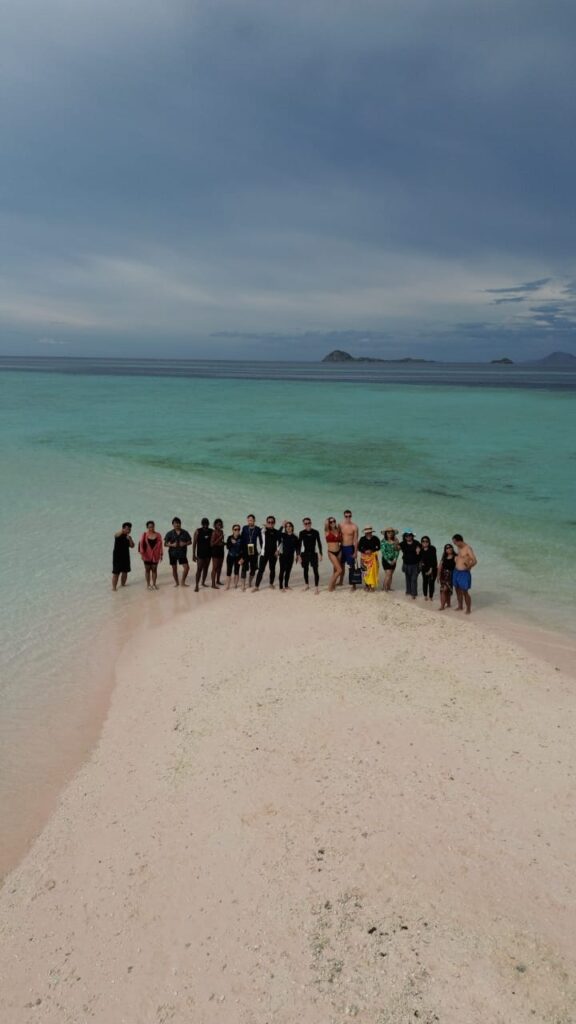
- Pink Beach: Light pink sand and calm water. Better for swimming and relaxed snorkeling than dramatic scenery.
- Manta Point: Snorkeling spot known for manta rays. Sightings depend on conditions, but it’s often a highlight when they show up.
- Komodo or Rinca Island: Guided visit to see Komodo dragons in their natural habitat with park rangers. Structured and safety-controlled.
- Smaller hidden coves and islands: Less famous stops with quieter beaches, short swims, and slower moments between sailing legs.
Even though most boats follow a similar loop, the overall experience still changes depending on sea conditions and how crowded each stop is.



Best Time to Visit Labuan Bajo
The best time to visit Labuan Bajo is usually during the dry season, when sailing conditions in Komodo National Park are calmer and visibility is better for snorkeling.
- April – June: One of the best periods. Good weather, clear water, and fewer crowds compared to peak months.
- July – August: Peak season. Expect more boats, higher prices, and busier islands, but still very good conditions overall.
- September – October: Another great window. Weather is still stable, and crowds start to thin out again.
- November – March: Rainy season. Trips still run, but seas can be rougher and plans may change more often.
In general, the most comfortable sailing conditions tend to be between April and October, especially for multi-day phinisi trips. If your main goal is island hopping, snorkeling, and smoother boat days, this is the period that usually works best.
What to Pack for a Komodo Boat Trip
Packing for a trip around Labuan Bajo and Komodo National Park is pretty simple, but space on phinisi boats is limited so bringing the right things matters more than bringing a lot.
- Light jacket or long sleeve: For wind during night sailing or early mornings
- Light, breathable clothes: It gets hot during the day and humid on the boat
- Swimwear (2–3 sets): You’ll be in the water a lot
- Dry bag: Useful for island stops and snorkeling gear
- Reef-safe sunscreen: Strong sun exposure on the water
- Sunglasses + hat: Basic but essential for long boat days
- Motion sickness meds: Helpful if you’re sensitive during longer sailing stretches
- Sandals or water shoes: Easy for wet landings and short hikes
- Portable charger / power bank: Charging can be limited depending on the boat
- Quick-dry towel: More practical than hotel-style towels
Most boats provide basic toiletries and meals, so you don’t need to overpack food or heavy items. The main rule is simple: pack light, because storage space in cabins is usually small.
Final Thoughts
Labuan Bajo is definitely more developed in 2026, especially around the harbor area, and it can feel busy at times. But once you get out into Komodo National Park, the experience still feels very different from most other places in Indonesia.
The famous spots are popular for a reason:
- Padar Island
- Pink Beach
- Manta Point
But the part that stays with most people isn’t just ticking off those places, it’s the slower moments in between.
Long hours on the boat, quiet sunsets, snorkeling stops, and the feeling of moving between islands without rushing give the trip a very different rhythm.
If you only do a quick day tour, you’ll still see the highlights. But if you have time for a multi-day sailing trip or even a slow overland route through Flores, the whole experience feels more complete.
In the end, Labuan Bajo is still worth visiting and better when you don’t try to rush it.
Also Read:
- Slow Travel in Bali: A One-Month Backpacker’s Journey on a Budget
- The Ultimate 2-Day Yogyakarta Itinerary: A Local’s Guide
- Explore Jogja (Yogyakarta) Like a Local: Hidden Nature Trails & Waterfalls
- How to Visit Tumpak Sewu Waterfall from Malang or Lumajang (Full Guide + Tips)

Related posts:
 One Month in Bali: My Honest Slow Travel Guide (Budget, Digital Nomad & Local Tips)
 Yogyakarta Itinerary: How to Spend 2 Perfect Days in Jogja
 Explore Jogja Nature: Best Outdoor Things to Do in Yogyakarta
 How to Visit Tumpak Sewu Waterfall from Malang or Lumajang (Full Guide + Tips)
 Bali vs Phu Quoc: Which Is Better for Digital Nomads? My Experience


Leave a Reply