Planning 3 weeks in Laos gives enough time to see the country properly without rushing. This itinerary follows a simple south-to-north route, starting in Pakse and ending in Luang Prabang, covering waterfalls, caves, small towns, and the main highlights along the way.
Laos is not a country where everything is close together. Travel times can be long, and schedules don’t always run exactly as planned. Because of that, this route is designed with realistic pacing, giving time to move between places without feeling constantly on the road.
3 Weeks in Laos Itinerary Overview
This itinerary follows a route from southern Laos to the north. You can travel between most destinations by bus, minivan, or train. Spending several days in each location gives enough time to explore without rushing.
| Region | Days | Focus |
|---|---|---|
| Pakse | 7 | City exploration + 4-day Bolaven Loop |
| Thakhek | 7 | City exploration + 4-day Thakhek Loop |
| Luang Prabang | 3 | Culture, waterfalls, temples |
| Vang Vieng | 2 | Nature, caves, riverside chill |
| Vientiane | 2 | Wrap-up, rest, and fly out |
Best Time to Visit Laos
The best time to follow this 3 week Laos itinerary is during the dry season, roughly November to March.
- Roads are easier to travel
- Motorbike loops are safer and more comfortable
- Waterfalls still have good flow early in the season
- Temperatures are cooler, especially in the north
The rainy season (May–October) is still possible, but expect muddy roads and occasional transport delays, especially on rural routes like the Bolaven and Thakhek loops.
Week 1: Pakse & the Bolaven Plateau Loop
Days 1–2: Explore Pakse
Start your trip in Pakse, a small city located where the Mekong and Sedone rivers meet.
Pakse itself is not a major tourist destination, but it is the main gateway to the Bolaven Plateau, one of the most popular regions in southern Laos. Many travelers stay in Pakse for one or two nights before exploring the plateau.
Things to do in Pakse:
- Wat Phou Salao at Sunset: A giant golden Buddha overlooking the Mekong. The climb is worth it, especially when the sky turns pink and the city lights blink on.
- Dao Heuang Market: It’s chaotic, gritty, and real. Locals shop here for everything from spices to secondhand clothes.
- Riverside Wandering: Grab a fruit shake or iced Lao coffee and just sit by the water. Let the humidity and slowness settle into your bones.
- Massage & Reset: There are good $6–8 massages near the city center (check for AC if it’s mid-afternoon).
Buy a Lao SIM right away. I used Unitel, coverage held up even in the mountains later on.
Days 3–6: Exploring the Bolaven Plateau
The Bolaven Plateau is known for its cooler temperatures, fertile soil, and large number of waterfalls. Coffee farms are common here, and the region produces some of the best coffee in Laos.
The most popular way to explore the area is the Bolaven Plateau Loop, a motorbike route through the countryside. Here I will share the details on the loop per day, so you will know what to expect.
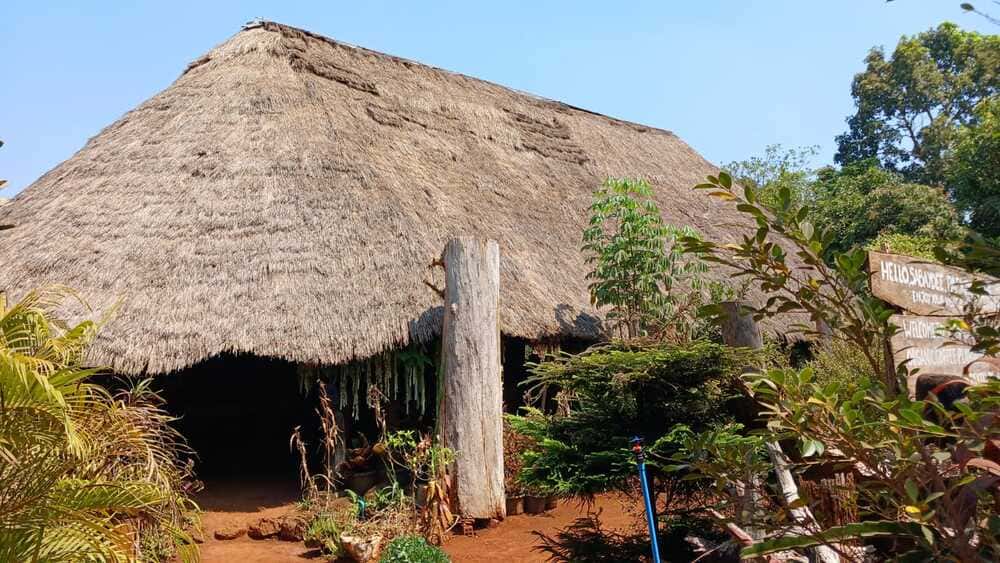
Pakse → Tad Lo (~90km)
I suggest to leave Pakse in the mid-morning to avoid the hottest part of the day. As you leave the city, the surroundings quickly change from busy streets to countryside. The road passes through small villages, farmland, and patches of forest.
After a few hours of riding, you’ll arrive in Tad Lo, a small village known for its nearby waterfalls and relaxed atmosphere. Many travelers stay here overnight because it is quiet and easy to explore.
Where to stay:
- Sipasert Guesthouse: Budget-friendly, with bungalow options by the river.
- Mama Pap’s Homestay: Famous among backpackers for her banana pancakes.
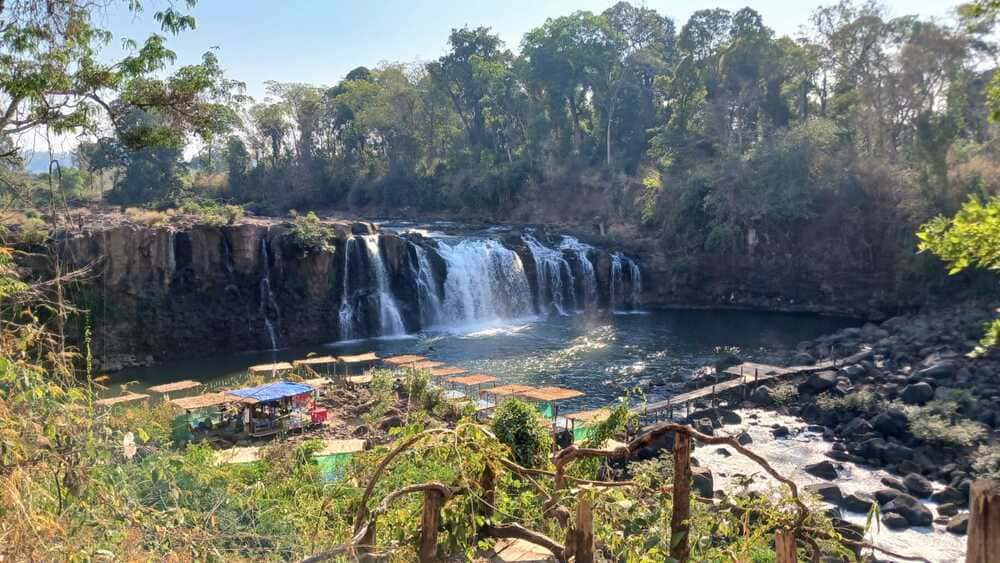
Tad Lo → Paksong (~100km)
The next day from Tad Lo, continue deeper into the Bolaven Plateau.
This part of the route passes through coffee plantations, small farms, and forest areas. The plateau produces some of the best coffee in Laos, and you will see many coffee farms along the road. The destination for the day is Paksong, one of the main towns on the plateau.
Many visitors stop here for the night before continuing the loop.
Pinned it on your map:
- Tad Champee: Underrated, less touristy, and surrounded by jungle.
- Tad E-Tu: Swim-friendly and worth the short detour.
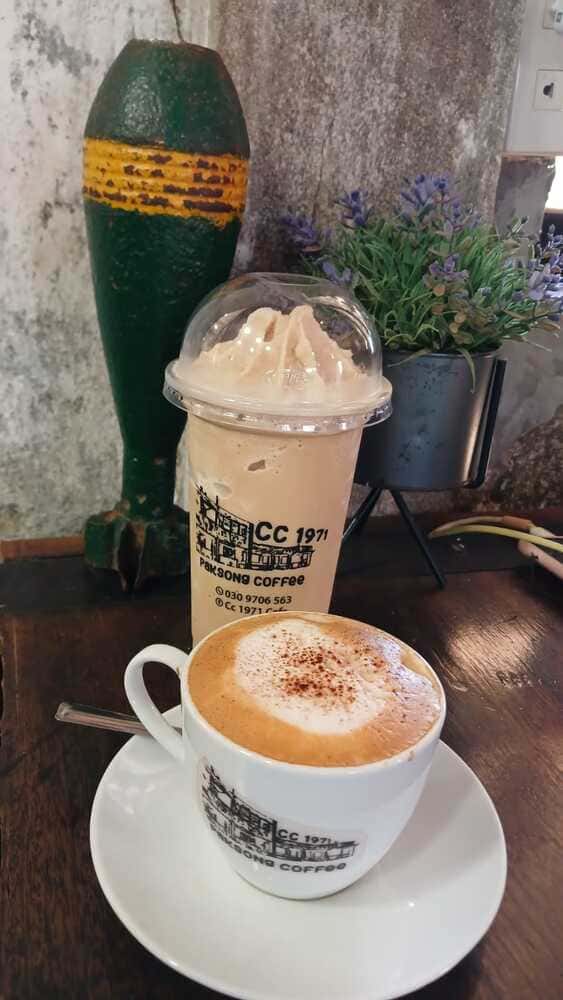
- CC 1971 Coffee in Paksong: Ethical brews with a purpose.
Where to stay: Paksong View Guesthouse, it’s simple, quiet, cool air at night.
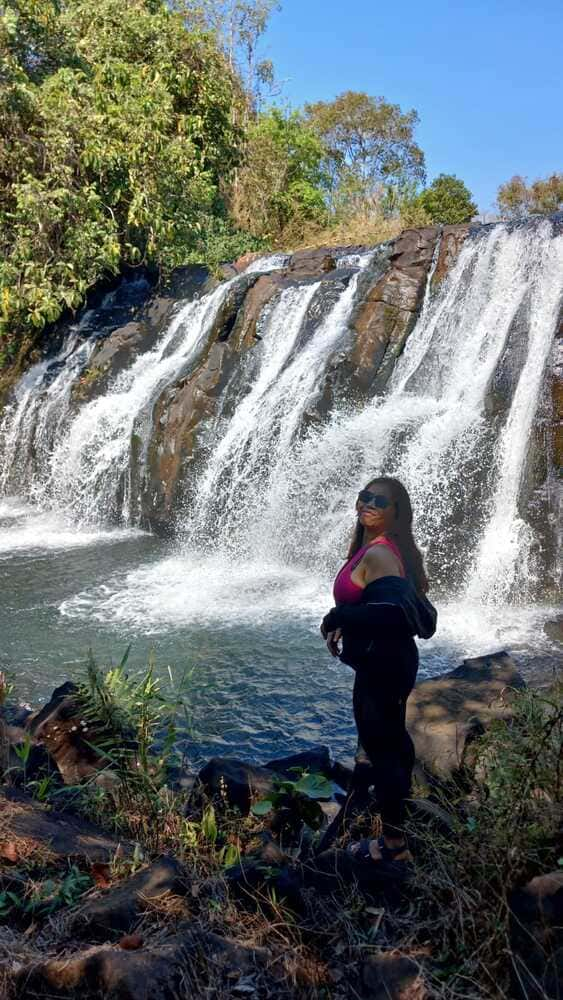
Paksong → Tad Fane → Tad Yuang → Lak 38 (~70–90km)
This day focuses on some of the most well-known waterfalls on the plateau.
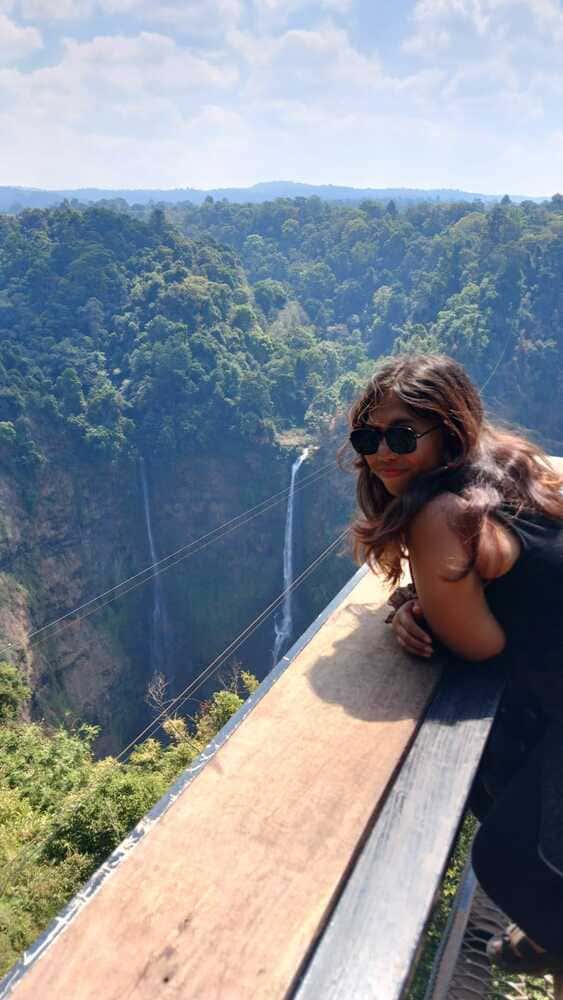
- Tad Fane Waterfall: Two tall waterfalls drop into a deep valley surrounded by forest. The best views are from the viewpoints near the entrance.
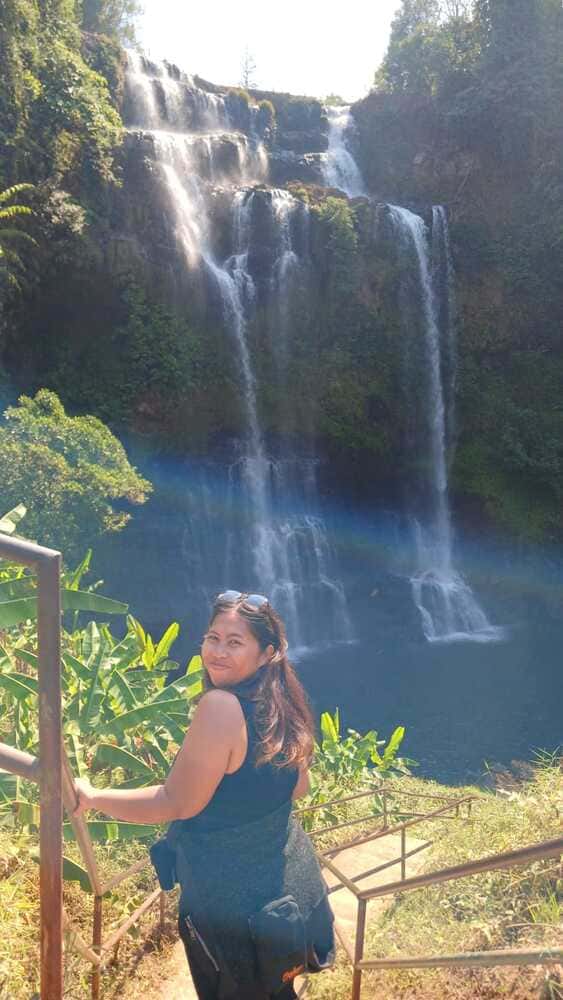
- Tad Yuang Waterfall: This waterfall has walking paths and viewing areas. Some visitors also swim here. If you plan to swim, bring a sarong or towel to change.
Return to Pakse
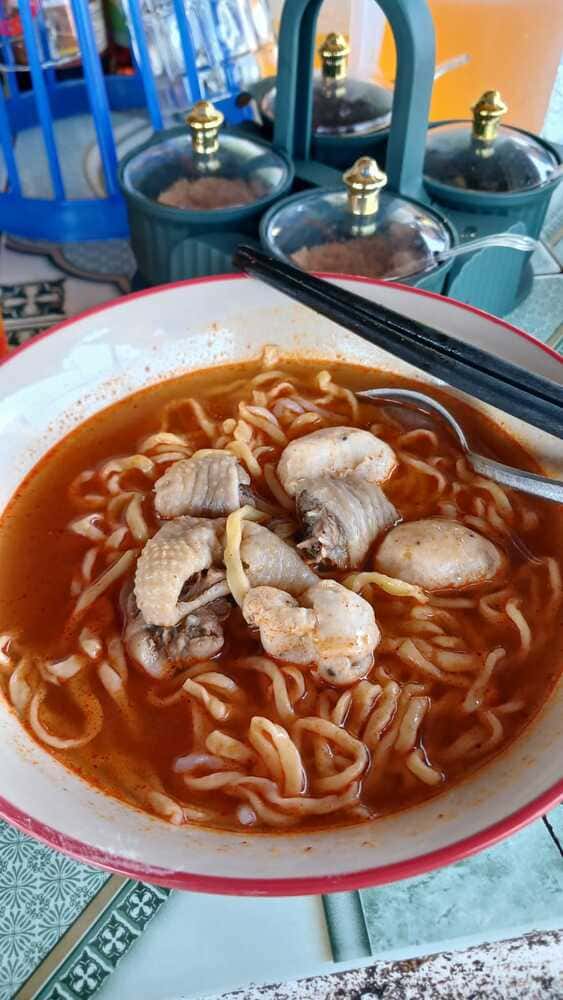
Take your time heading back. This is a good day to detour through small roadside villages or stop for random noodle soups along the way.
I rented the bike from Miss Noy Motorbike Rental, they give the best pre-loop briefing in town.
Day 7: Rest & Reset in Pakse
After finishing the Bolaven Plateau loop, it’s a good idea to take a day to rest. Sleep in, do some laundry, and take time to relax.
You can walk along the Mekong River, stop at a café, or simply spend a quiet afternoon reading. And if you need to work or upload photos, there are a few cafés with reliable Wi-Fi in Pakse. I found good connections at Sanga Hostel and Daolin Café.
Week 2: Thakhek and the Karst Country Loop
Thakhek is a quiet riverside town on the Mekong River. It’s mainly used as a base for the famous Thakhek Loop rather than a destination for sightseeing itself. The town is calm, with a few cafés, riverside views, and travel services for arranging motorbike rentals.
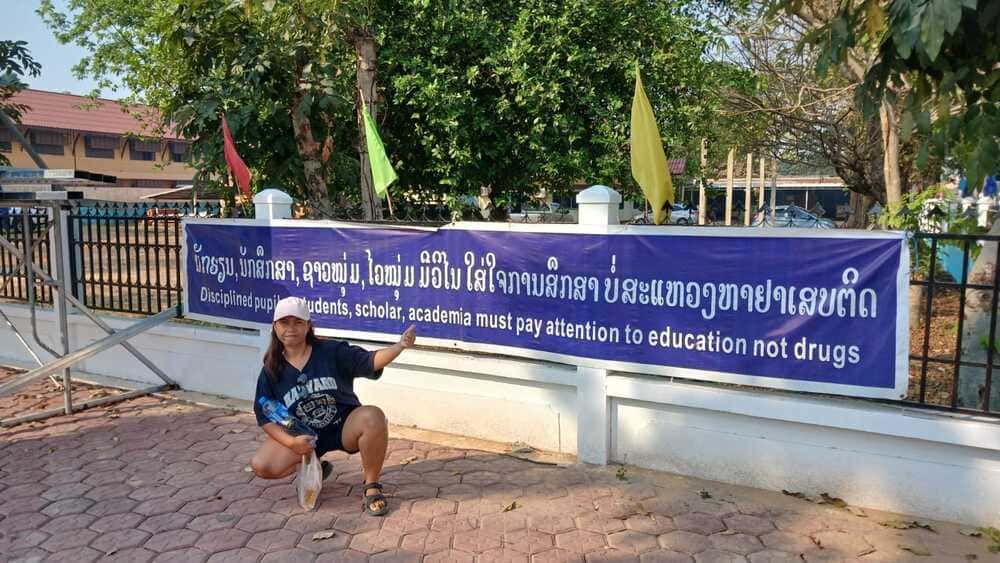
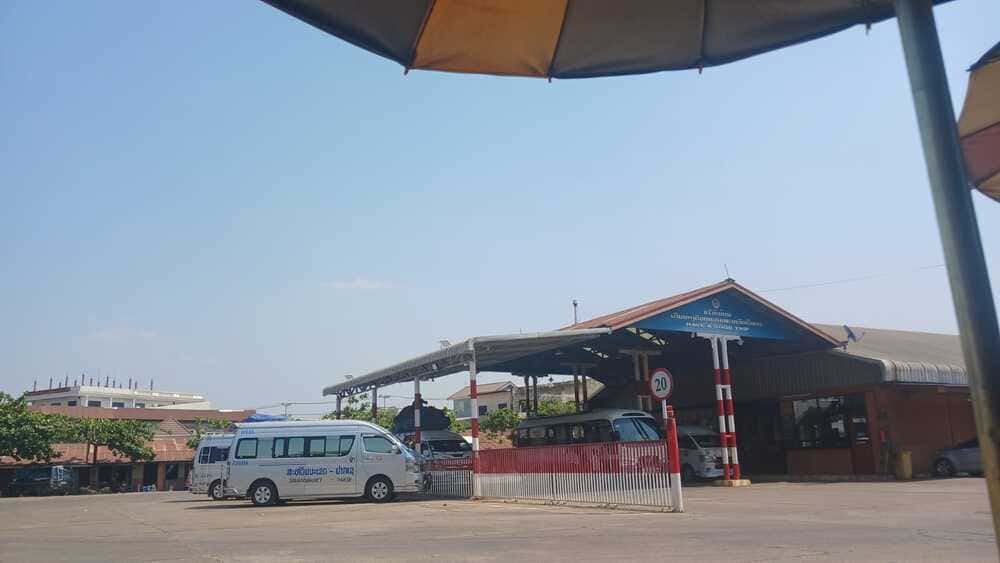
I took a minibus from Pakse to Thakhek, which took about eight hours and arrived in the early evening. You could break up the journey with a stop in Savannakhet, but I chose to travel the full distance in one day.
It’s better to book transportation at least a day in advance, especially on weekends. The bus stations can be informal and English is not always widely spoken.
Where to stay in Thakhek:
- La Casa Thakhek: Charming courtyard guesthouse, solid Wi-Fi, quiet vibe
- Inthira Thakhek: A bit more upscale, with an on-site restaurant and coworking-friendly seating
Day 9: Relax in Thakhek
Before starting the loop, I spent a day resting and exploring the town.
Things to Do:
- Mekong Riverside Walk: The riverside promenade is a nice place for an evening walk. Small cafés sell coconut drinks and iced coffee.
- DDC Coffee: A good café for espresso and planning your route for the Thakhek Loop.
- Buddha Cave (Tham Pa Fa): Also known as Buddha Cave, this site was discovered in 2004 and contains more than 200 Buddha statues. It’s about 15 minutes from town by tuk-tuk.
- Food: Try spicy laap, fresh spring rolls, and cold Beerlao at the night market
It’s very necessary to prepare for the loop make sure before leaving, check your motorbike or confirm arrangements with your driver. Helpful items to bring include:
- Offline maps on your phone
- Check your bike (or driver) and pack light.
Riding the Thakhek Loop (Day 9-13)
The Thakhek Loop passes through limestone mountains, rural villages, and several large caves. Road conditions vary. Some sections are smooth asphalt, while others can be rough or uneven.
Thakhek → Thalang (~110 km)
The first day of the loop is fairly easy and scenic. The road passes through limestone landscapes typical of Khammouane Province. Popular stops include:
- Tham Nang Aen Cave: A large cave with paths and lighting inside.
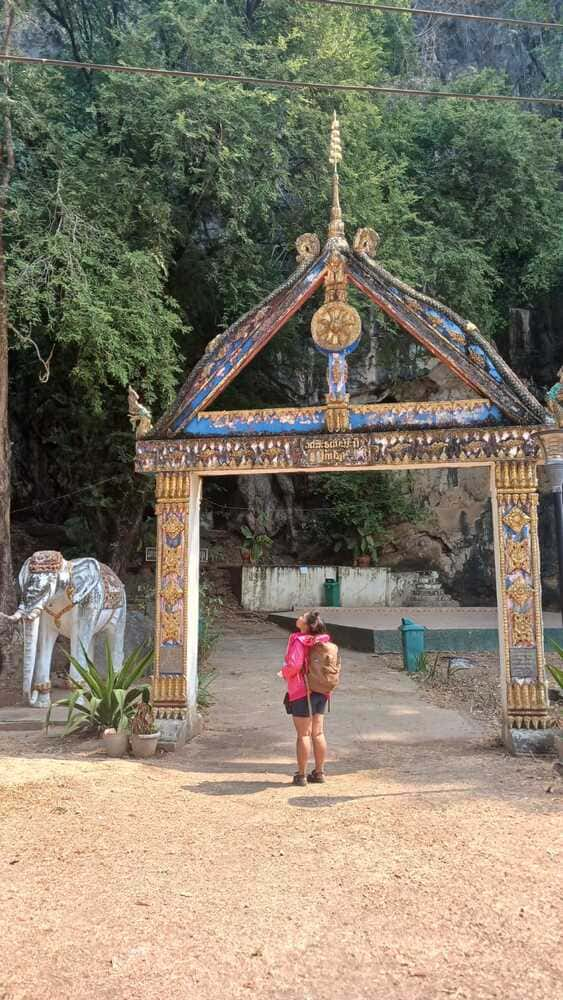
- Elephant Cave: A smaller cave with a Buddha statue and a peaceful setting.
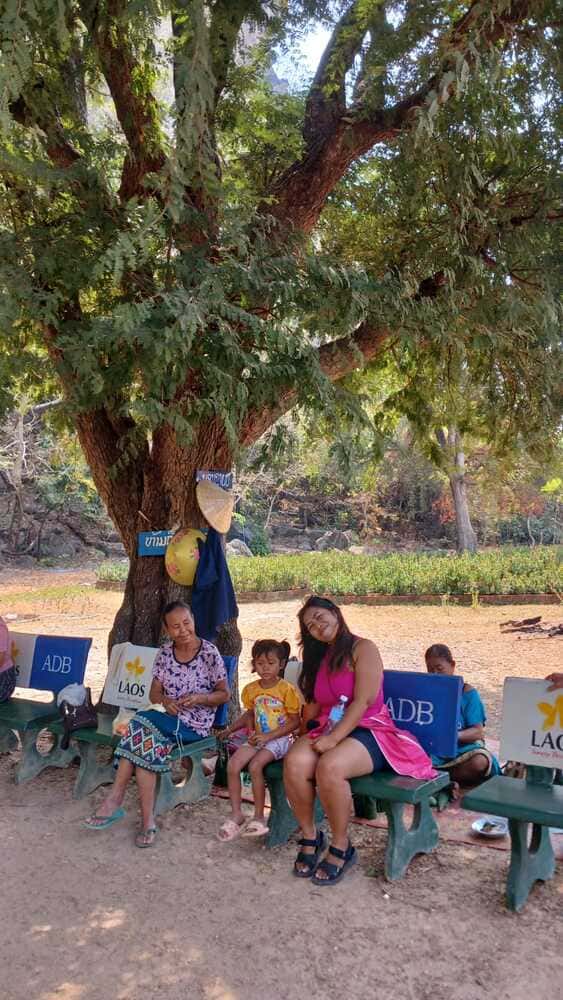
You’ll reach Thalang in the late afternoon. The area sits near a lake with good views at sunset.
Where to stay:
- Phosy Thalang Guesthouse: Friendly, lakeside, generator-powered at night
- Sabaidee Guesthouse: Backpacker favorite with social dinners
Thalang → Nahin (~120 km)
This section feels more remote. Fuel stations are less frequent, so it’s a good idea to fill up whenever you see one.
The road crosses the Nakai Plateau, with quiet villages and forested hills. Eventually you arrive in Nahin, a small village that serves as the base for visiting Kong Lor Cave.
Kong Lor Cave Adventure
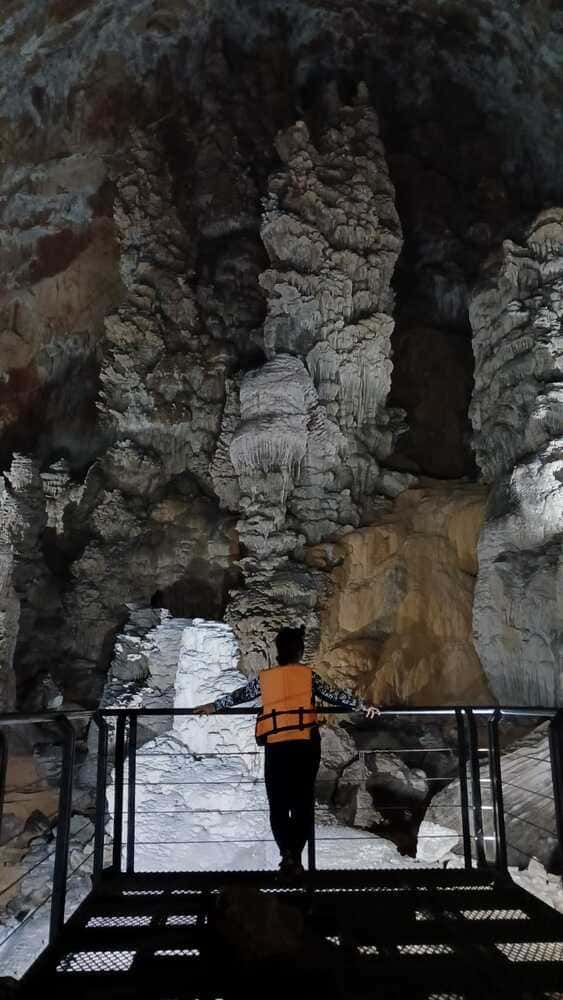
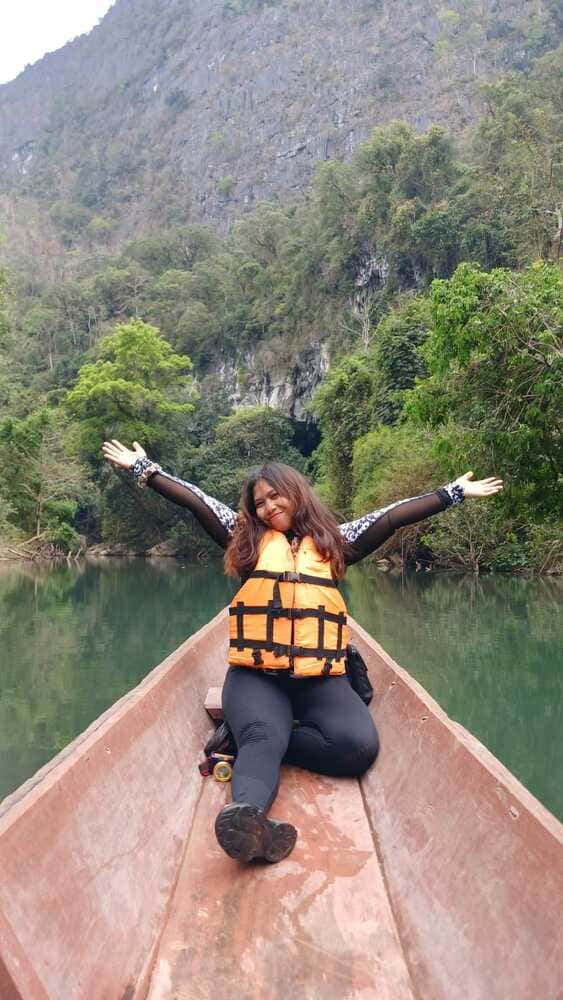
The main attraction here is Kong Lor Cave. The cave is about 7.5 kilometers long and is crossed by boat along an underground river. What to expect for this cave journey:
- life jackets and headlamps are provided
- the cave is completely dark inside
- visitors stop midway to see rock formations
Some areas can be wet, so it helps to bring shoes that can get wet and a dry bag for electronics.
Nahin → Thakhek (~180 km)
The final day is the longest ride of the loop. Most of the road is paved and easier than some earlier sections.
I stopped for lunch at a roadside noodle stall and refueled in small towns along the way. By mid-afternoon I was back in Thakhek, completing the loop. After returning the motorbike, it felt good to relax with a cold drink and a proper meal.
Rest in Thakhek
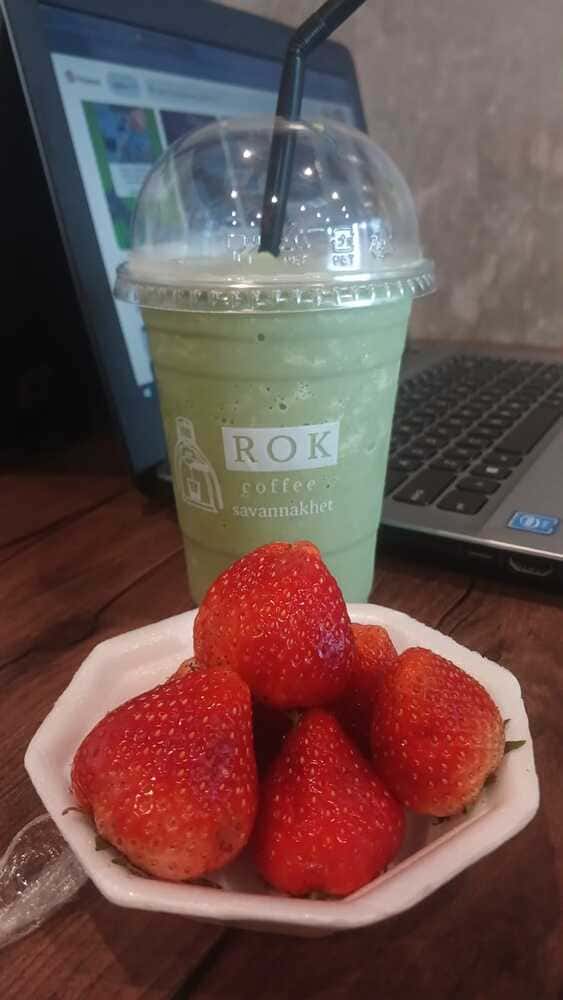
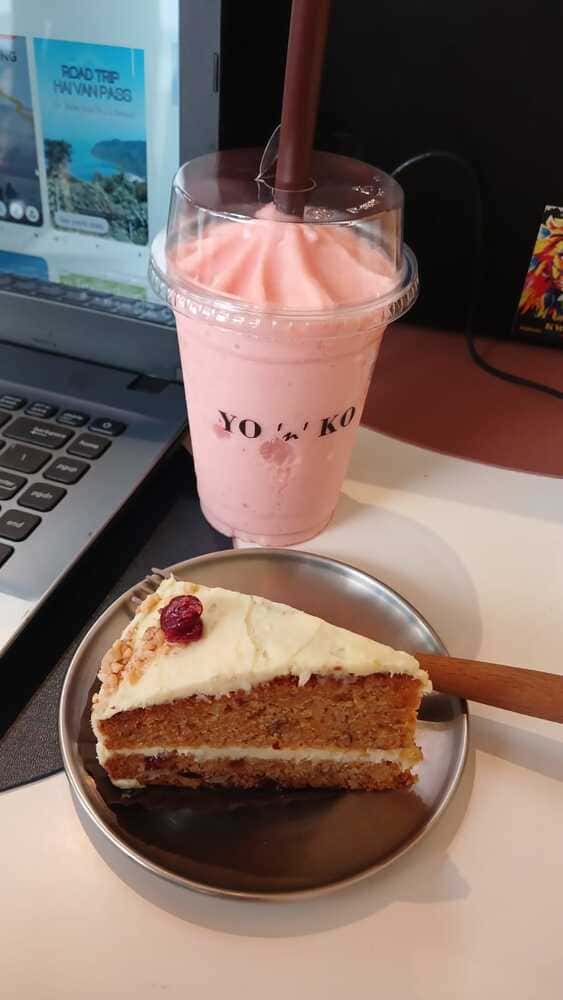
After several days on the road, It is always good to take a break. For me personally I stayed one extra day in Thakhek to rest, do laundry, and catch up on work. The town has a calm atmosphere and a few cafés that work well for remote work.
My found remote-friendly cafés:
- Rok Coffee: Quiet with strong Wi-Fi
- Yonko Cafe: Great for laptop work with a view
Week 3: Central & Northern Laos Highlights
Days 15–17: Vientiane
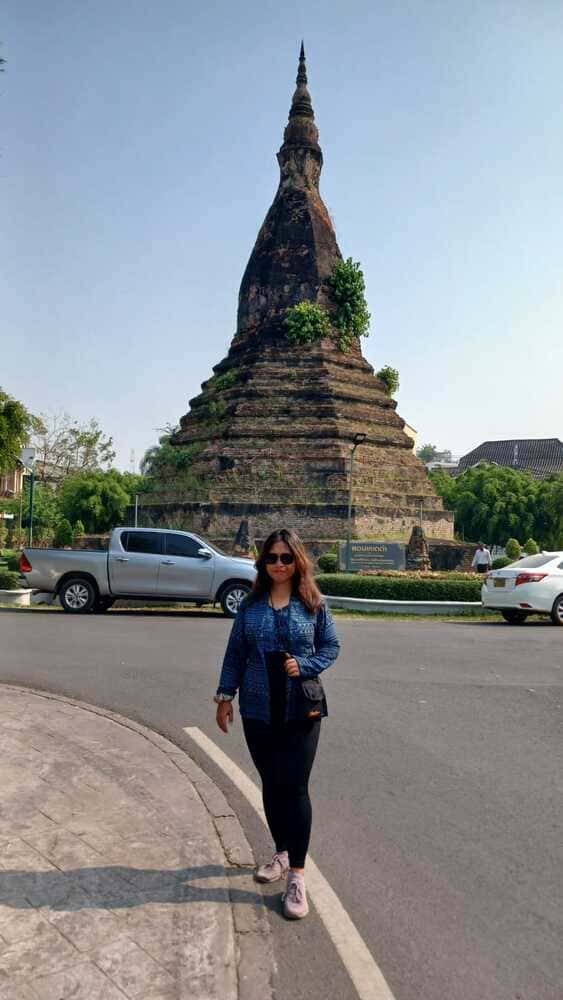
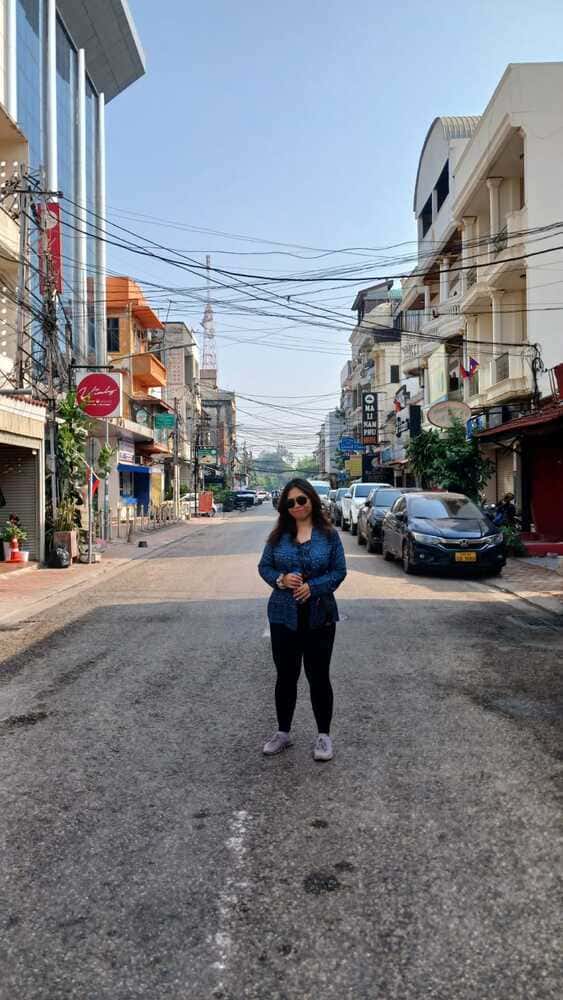
After several days of riding the Thakhek Loop, arriving in Vientiane feels like a good place to slow down. Laos’ capital is one of the most relaxed capitals in Southeast Asia. Most travelers only stay for a short stop.
Things to Do in Vientiane
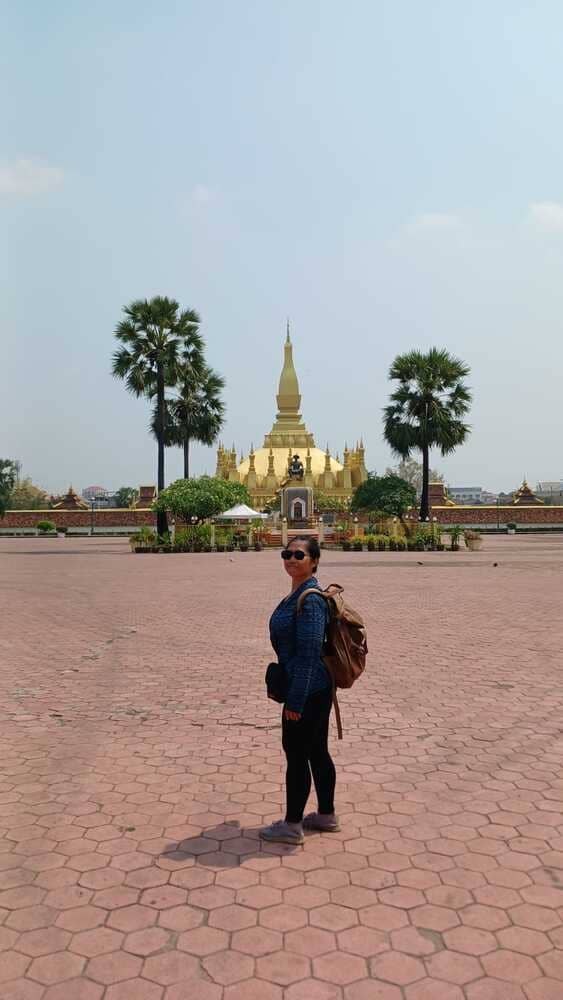
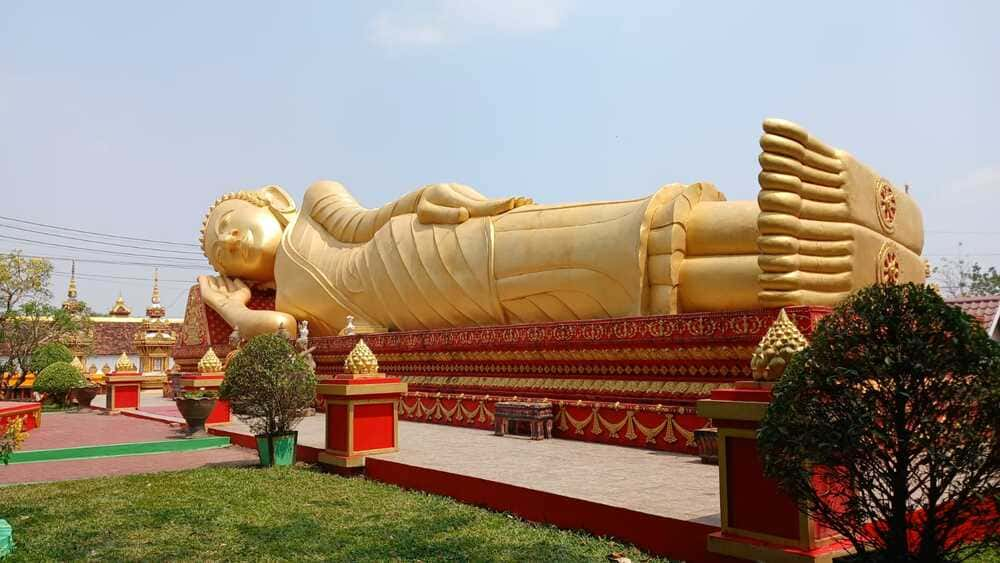
- Pha That Luang: The most important religious monument in Laos. Visiting in the morning is a good idea, as temperatures are cooler and there are fewer visitors.
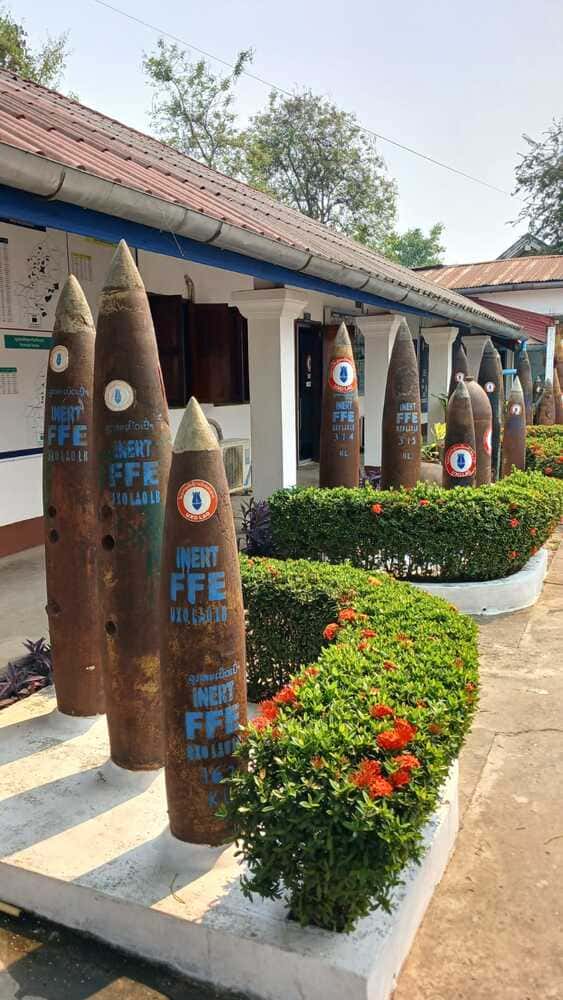
- COPE Visitor Centre: A small but important museum that explains the history of unexploded ordnance (UXO) in Laos and the rehabilitation work done for people affected by it.
- Mekong River Promenade: In the evening, many locals walk along the riverside promenade. Food stalls and small markets open nearby, making it a good place for dinner or a snack.
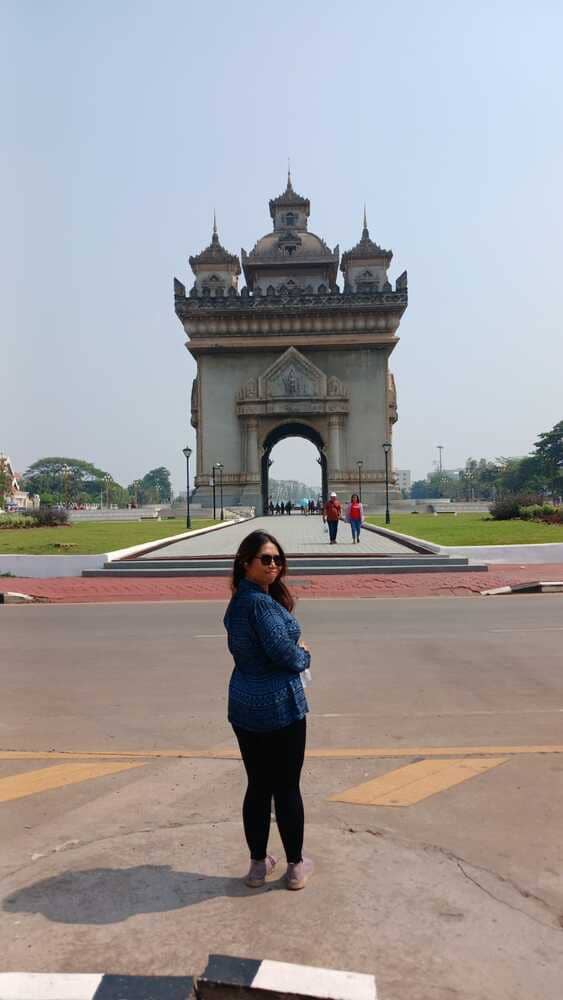
- Patuxai: Often compared to the Arc de Triomphe, this monument sits in the center of a large square. Visitors can climb to the top for views of the city.
Vientiane is very walkable, but tuk-tuks are cheap and abundant. Agree on fares before hopping in (expect 20,000–30,000 LAK for short rides). So it is easy to get around and explore.
Stay near the Mekong riverfront for easy access to evening markets and riverside walks. Options like Salana Boutique Hotel or Green Park Boutique Hotel offer comfort and good Wi-Fi.
Days 18–19: Luang Prabang
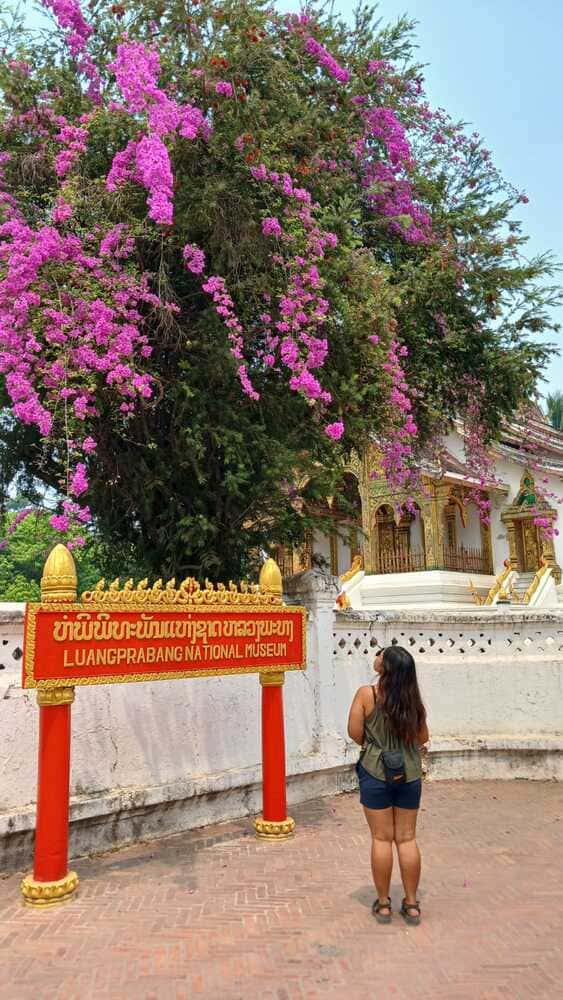
Luang Prabang is the cultural highlight of Laos and a UNESCO World Heritage town.
The town is small and easy to explore on foot. Spending a couple of days here gives you enough time to visit the main sights and enjoy the relaxed atmosphere.
Travel between Vientiane and Luang Prabang is easiest by plane or train. Flights take about one hour, while the Laos–China Railway connects the cities in roughly two hours.
Highlights and Tips for Luang Prabang
- Morning Alms Ceremony: Each morning before sunrise, monks walk through the streets collecting food offerings. If you want to observe, arrive around 5:30–6:00 am and stand quietly along the street. Visitors who participate should dress modestly and bring sticky rice to offer. Avoid flash photography and keep a respectful distance.
- Mount Phousi: This hill sits in the center of town and offers views over the Mekong River and surrounding mountains. The climb takes about 15–20 minutes and includes around 300 steps. Sunrise and sunset are the most popular times to visit.
- Kuang Si Falls: One of the most visited natural attractions near Luang Prabang. The falls have several turquoise pools where visitors can swim. It’s best to go early in the morning before tour groups arrive. There is also a small bear rescue center near the entrance.
- Night Market: Every evening the main street closes to traffic and becomes a night market. Vendors sell textiles, handmade crafts, and street food. Local snacks to try include grilled sticky rice and Lao sausage.
For accomodation I suggest to look for guesthouses or boutique hotels along the Mekong riverfront (e.g., My Dream Boutique Resort or The Belle Rive Boutique Hotel), which often have great Wi-Fi and relaxing balconies or hammocks for downtime.
Days 20–21: Vang Vieng
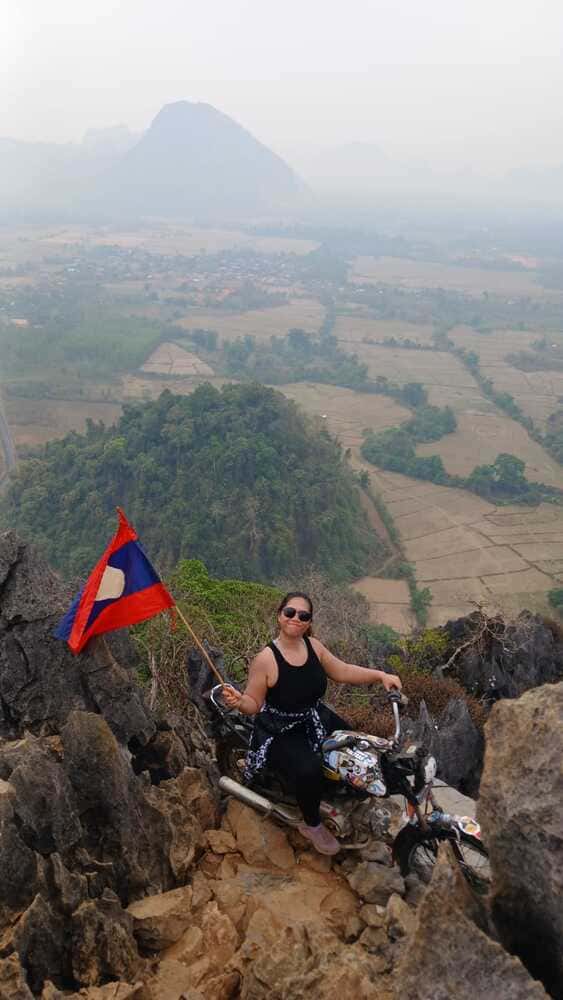
Vang Vieng was once known mainly for its backpacker party scene, but today it attracts visitors for its natural surroundings and outdoor activities. The town sits between limestone mountains and rice fields, making it a good base for exploring caves, rivers, and nearby villages.
Things to Do In Vang Vieng:
- Blue Lagoon: Several natural swimming spots known as Blue Lagoons are located outside town. The entry fee is usually around 20,000 LAK. It’s best to visit early in the day, especially on weekdays, when there are fewer visitors. Water shoes can be useful because some areas have rocky bottoms.
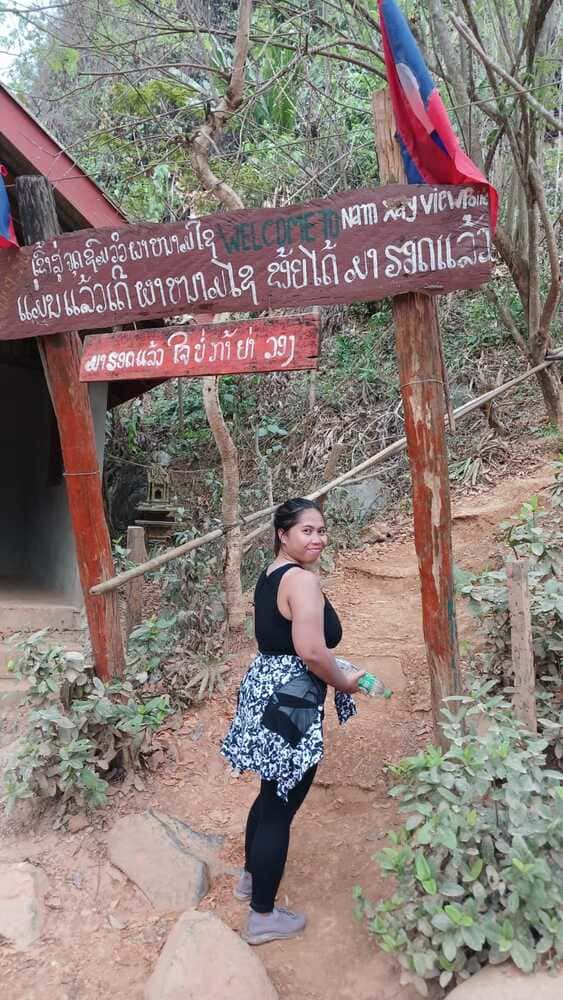
- Tham Phu Kham Cave: One of the most visited caves in the area. The path to the entrance is steep but short and takes around 15–20 minutes. Inside the cave you will find a large reclining Buddha statue. If you plan to explore deeper, bring a flashlight.
- Kayaking on the Nam Song River: Kayaking is a common activity in Vang Vieng. Rentals are available in town, and many routes follow calm sections of the Nam Song River. Bring sunscreen and a dry bag to protect your phone or camera.
- Cycling Around the Countryside: The area around Vang Vieng is relatively easy to explore by bicycle. Roads pass through rice fields and small villages. Cycling is a good way to see the countryside and stop at local markets or fruit stands along the way.
- Food & Drink: Try local markets are a good place to try traditional Lao dishes. One popular option is tam mak hoong, a spicy green papaya salad often served with sticky rice. Vang Vieng also has several cafés and restaurants that serve vegetarian meals, smoothies, and simple breakfast options.
Transport & Stay: Scooters and bicycles are easy to rent in Vang Vieng, which makes it easier to visit places outside the town center. Many guesthouses are located along the river. One option is Riverside Boutique Resort, which offers quiet rooms and views of the surrounding mountains.
Days 22: Return Vientiane and Fly out
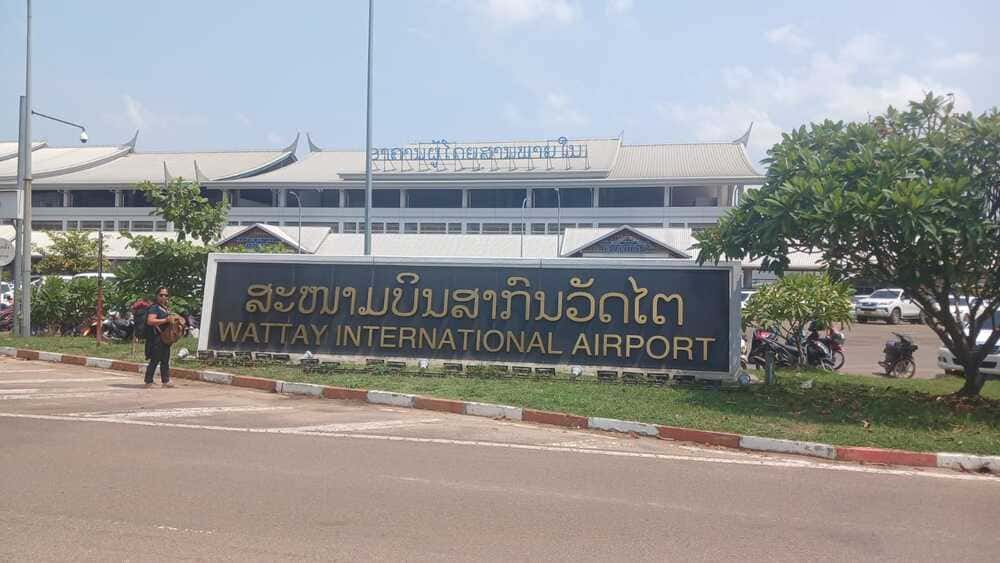
After a few days in the mountains around Vang Vieng, the journey back to Vientiane is a relaxed ride through the countryside.
The road passes through small villages, farmland, and rolling hills, making it a good final look at rural Laos. Travel time from Vang Vieng to Vientiane by bus or minivan is usually 3.5 to 4.5 hours, depending on traffic and the operator.
Most buses leave in the morning between 8:00 and 11:00 AM, arriving in Vientiane by mid-afternoon. Tickets can be booked through your guesthouse, local travel agencies, or online platforms such as 12Go Asia. Some buses are labeled “VIP,” which usually means air conditioning and slightly more comfortable seats, though the experience can still be fairly basic.
Practical Tips
- Connectivity; Wi-Fi is generally reliable in hotels and cafés in Vientiane and Luang Prabang. It’s still helpful to have a local SIM card for maps and mobile data. Providers such as Unitel and Lao Telecom offer prepaid SIM cards that are easy to buy in major towns.
- Cash: ATMs are easy to find in Luang Prabang and Vientiane, but fewer are available in Vang Vieng. It’s a good idea to withdraw enough cash before leaving larger cities. The local currency is Lao kip (LAK). Some places accept US dollars, but exchange rates can vary.
- Health and Safety: Tap water in Laos is not safe to drink, so use bottled or filtered water. Mosquito repellent is also useful, especially in the evening or near rivers.
- Packing: Pack light clothing suitable for warm weather, comfortable walking shoes, and modest clothes for temple visits. A light rain jacket and sunscreen are also useful depending on the season.
- Cultural Etiquette: When greeting people, a small bow and a smile are common. Remove your shoes before entering temples or private homes, and dress respectfully when visiting religious sites.
Final Thought
This 3 week Laos itinerary is meant to give a realistic way to see the country from south to north without rushing. Travel in Laos takes time, and some of the best parts of the trip often happen between destinations rather than just at the main stops.
Three weeks is enough to see the main highlights without feeling too rushed, but it also helps to treat this itinerary as a guide rather than a fixed plan. It’s common to add extra nights in places like Vang Vieng or Luang Prabang, or adjust stops depending on how you’re feeling along the way.
Overall, Laos is best experienced at a flexible pace, and this route is designed to make that easier while still covering the country’s key destinations.
Also Read:
- Is Laos Worth Visiting in 2026? An Honest Travel Guide
- Pakse Loop vs Thakhek Loop: Which Laos Motorbike Route Is Better?

Leave a Reply