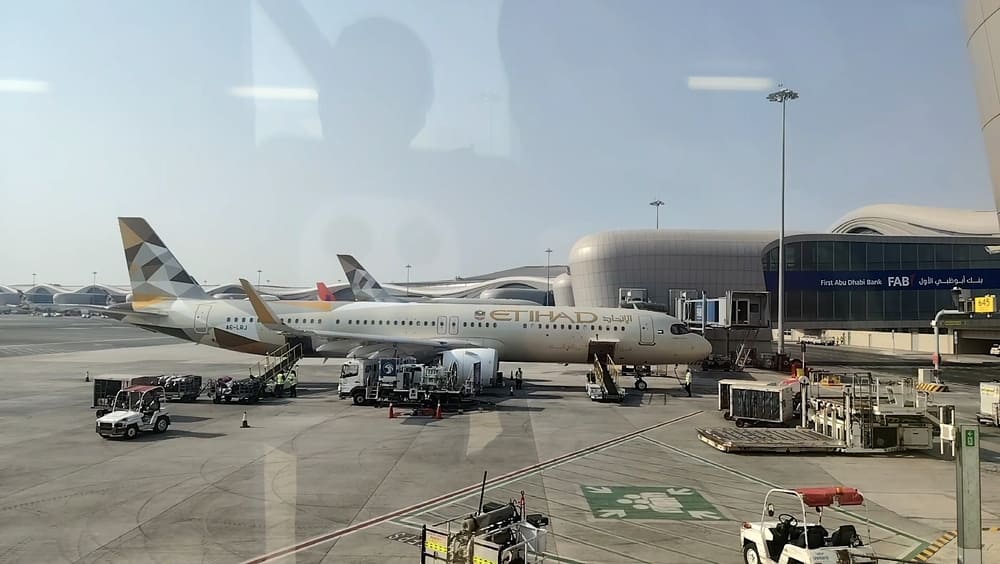
If you’re planning a trip around Europe, chances are you’ve come across FlixBus while searching for transportation.
With tickets often cheaper than trains and flights, FlixBus has become one of the most popular ways to travel between cities in Europe. But is it actually worth it?
After using FlixBus on several routes, including Vienna to Bratislava and Venice to Bergamo, I found it to be one of the easiest and most affordable ways to get around Europe. That said, there are a few things you should know before booking.
In this FlixBus review, I’ll share my experience, the pros and cons, what to expect on board, and whether I’d use it again.

What Is FlixBus?
FlixBus is a German long-distance bus company that connects thousands of destinations across Europe.
Unlike traditional bus operators, FlixBus works with local transportation companies. You book your ticket through FlixBus, but the actual bus may be operated by one of its partners. This means the experience can vary slightly depending on the route and operator.
Today, FlixBus serves major cities such as Paris, Amsterdam, Berlin, Prague, Vienna, Budapest, and Rome, while also reaching smaller destinations that are not always well connected by train.
For budget travelers, backpackers, and solo travelers, it’s often one of the cheapest ways to travel around Europe.
Why Is FlixBus So Popular?
The biggest reason is simple: price.
On some routes, FlixBus tickets can cost less than a meal in Western Europe if booked in advance. During my trip, I found bus tickets that were significantly cheaper than train alternatives.
However, affordability isn’t the only reason travelers use FlixBus.
Other advantages include:
- Extensive route network across Europe
- Multiple departures per day on popular routes
- Easy online booking through the website or app
- Access to smaller cities that trains don’t always serve
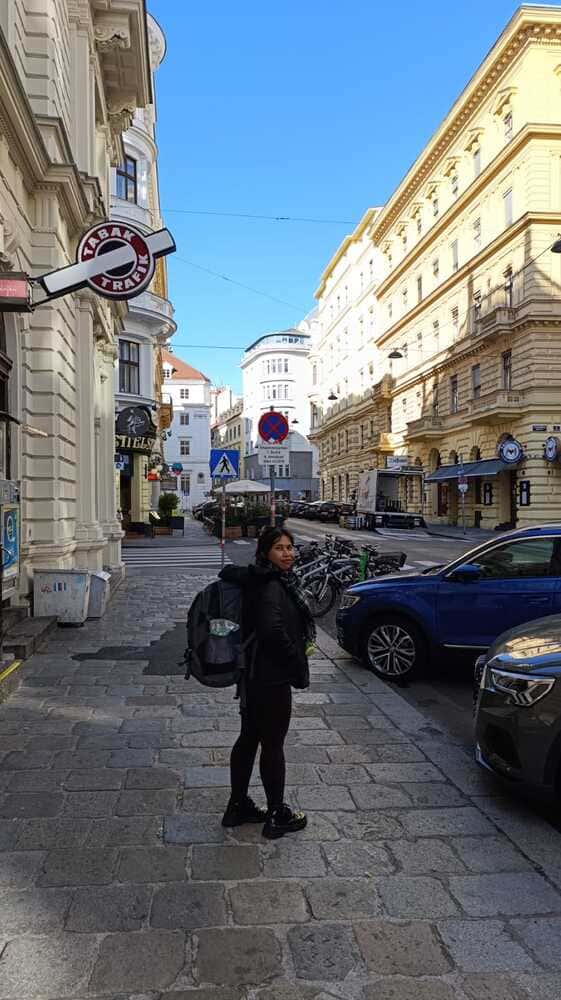
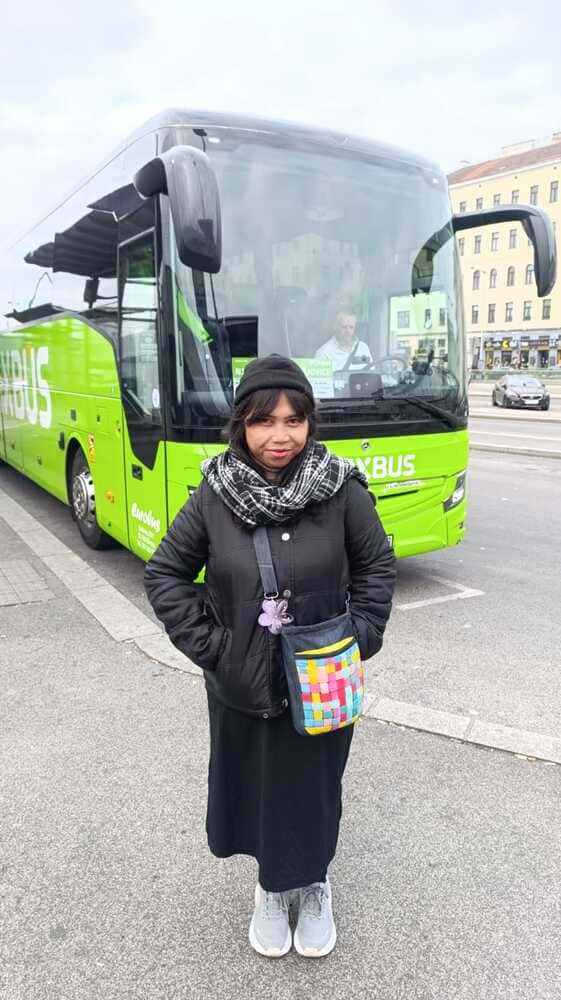
My first experience was taking a FlixBus from Vienna to Bratislava. The journey was straightforward, affordable, and surprisingly convenient. After that trip, I had no hesitation using FlixBus again on other routes.

What Are the Facilities on FlixBus?
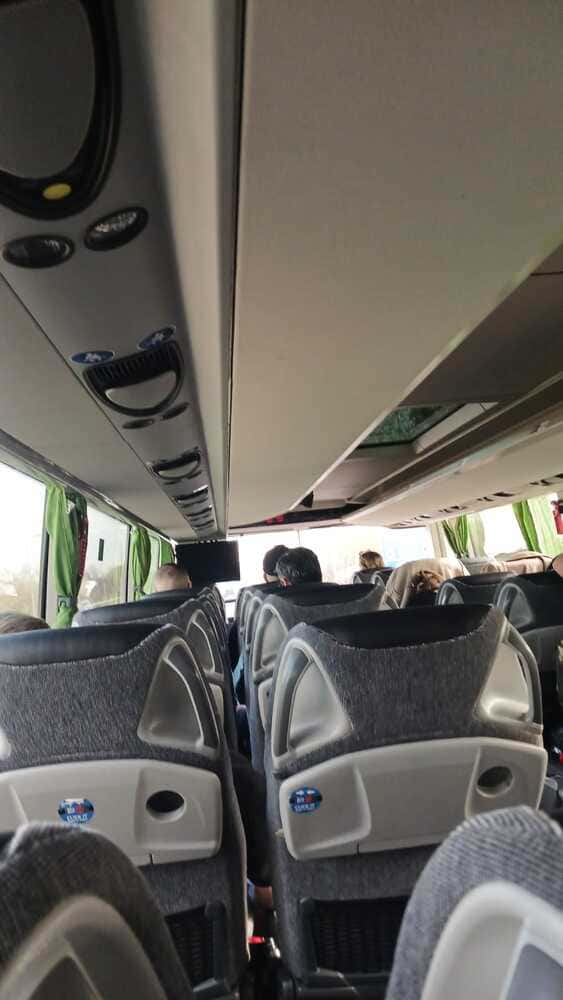
Considering the low ticket prices, the onboard facilities are generally quite good.
Most FlixBus routes include:
- Free WiFi
- Power outlets or USB charging ports
- Reclining seats
- Air conditioning
- Onboard toilet
- Space for one checked bag and one carry-on bag
That said, don’t expect luxury. The comfort level is similar to a standard long-distance coach.
One thing I appreciated was that European highways are generally smooth and well maintained, making bus travel more comfortable than I expected.
My FlixBus Experience
Overall, my experience with FlixBus has been positive.
The buses were clean, boarding was simple, and the routes were convenient. For short and medium-distance journeys, I found the service offered excellent value for money.
Would I choose FlixBus over a high-speed train? Not always.
But when traveling on a budget, it’s often difficult to justify paying significantly more for rail tickets when FlixBus can get you to the same destination for a fraction of the price.
Pros of Using FlixBus
Affordable Ticket Prices
This is easily the biggest advantage. If you book early, it’s possible to find tickets for just a few euros, making FlixBus one of the cheapest transportation options in Europe.
Extensive Route Network
FlixBus serves both major cities and smaller towns, giving travelers more flexibility when planning their itineraries.
Easy Booking Process
The website and mobile app are straightforward to use, making it easy to compare routes, schedules, and prices.
Good Value for Money
While comfort is basic, the combination of low prices and decent facilities makes FlixBus a strong option for budget-conscious travelers.
Cons of Using FlixBus
While I generally had a good experience, FlixBus isn’t perfect.
Delays Can Happen
Unlike trains, buses are affected by traffic. Depending on the route, delays are fairly common. This isn’t usually a major issue, but I wouldn’t schedule a tight connection immediately after arriving.
Comfort Is Basic
The seats are comfortable enough for a few hours, but overnight journeys or full-day rides can feel tiring. If comfort is your top priority, trains will usually provide a better experience.
Bus Quality Can Vary
Because FlixBus works with local operators, not every bus feels the same. Some buses are newer and more comfortable, while others show their age.
Customer Service Isn’t Perfect
One of the most common complaints about FlixBus is customer support. While I never had major issues, many travelers report slow response times when dealing with delays or refunds.
Is FlixBus Safe?
In my experience, yes.
I used FlixBus multiple times as a solo traveler and never felt unsafe.
FlixBus is widely used by tourists, students, backpackers, and locals throughout Europe. Most journeys are uneventful and similar to taking any other long-distance bus.
That said, basic travel precautions still apply:
- Keep valuables with you
- Don’t leave important items unattended
- Keep your passport and wallet secure
- Arrive early and double-check your departure point
Overall, safety was never a concern during my trips.

How to Book FlixBus
Booking a FlixBus ticket is simple.
- Visit the FlixBus website or app
- Enter your departure and destination cities
- Select your travel date
- Compare schedules and prices
- Choose your ticket
- Complete payment
After booking, your ticket will be available in the app and can usually be scanned directly from your phone.
Booking Tip
The earlier you book, the better the price. Popular routes can increase significantly in price closer to the departure date, especially during summer and holidays.
Tips Before Riding FlixBus
After several journeys, these are the tips I would give first-time travelers.
Arrive Early
I always try to arrive at least 15–30 minutes before departure. Some FlixBus stops are simply bus stops on the side of the road rather than large terminals, so it’s worth giving yourself extra time.
Check the Stop Location Carefully
This is probably the most important tip. FlixBus departure points aren’t always located at the main train station or city center. Always verify the exact pickup location in the app.
Bring Entertainment
WiFi is available on most routes, but it’s not always reliable. Download movies, podcasts, music, or offline maps before departure.
Carry Snacks and Water
Especially for longer journeys. Many routes include short stops, but it’s easier to have your own snacks with you.
Allow Extra Time
If you’re heading to an airport or connecting to another form of transportation, build some flexibility into your schedule.
FlixBus vs Train: Which Is Better?
The answer depends on your priorities.
Choose FlixBus If:
- You’re traveling on a budget
- You have a flexible schedule
- You want to visit smaller cities
- Saving money is more important than speed
Choose the Train If:
- You want maximum comfort
- You’re short on time
- You prefer more legroom
- You don’t mind paying more
Personally, I use both. For short routes and budget trips, I often choose FlixBus. For longer journeys where time matters, trains are usually worth the extra cost.
FAQ
Yes. If you’re traveling Europe on a budget, FlixBus offers excellent value for money.
In many cases, yes. Especially when booked in advance.
Most buses offer free WiFi, although connection quality varies by route.
I recommend arriving 15–30 minutes before departure.
Final Thoughts
After using FlixBus on several routes across Europe, I can confidently say it’s one of the best transportation options for budget travelers.
No, it’s not as fast as flying or as comfortable as a train. Delays can happen, and the experience varies slightly depending on the route. But for the price, it’s hard to complain.
If you’re looking for an affordable way to travel between cities, especially as a backpacker or solo traveler, FlixBus is definitely worth considering.
For me, the biggest advantage is simple: it makes traveling around Europe more accessible without destroying your budget.


Related posts:
 10 Tips Traveling Hemat ke Luar Negeri yang Selalu Aku Terapkan
 Promo Tiket Pesawat Luar Negeri: Tips Hemat Liburan untuk Traveler Indonesia
 Koper atau Backpack? Ini Pilihan Terbaik untuk Traveling
 Liburan ke Thailand 2026: Panduan Wisata, Kuliner, dan Tips Hemat
 Cara ke Pattaya dari Bangkok: Termurah Cuma Rp16 Ribu, Worth It Nggak Sih?