The Pakse Loop and the Thakhek Loop, these are two of the most popular motorbike routes in Laos.
Both take you through rural Laos, with quiet roads, small villages, and some of the best scenery in Southeast Asia. But even though they’re often compared, the experience you get from each one is quite different.
The Pakse Loop is known for its relaxed pace, waterfalls, and coffee farms. It’s the kind of trip where you stop often, take your time, and enjoy the surroundings.
The Thakhek Loop, on the other hand, is more about the ride itself. It’s longer, a bit rougher, and takes you through dramatic limestone mountains and huge caves. If you only have time for one, it can be hard to decide which route is actually worth it.
This guide breaks everything down clearly: distance, road conditions, highlights, difficulty, and what kind of traveler each route is best for. So you can decide without overthinking it.
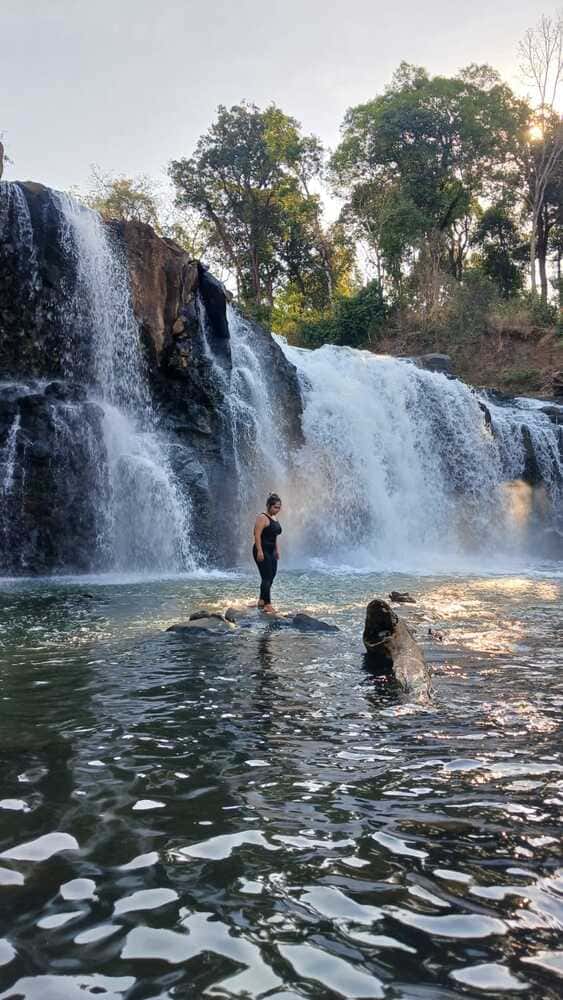
Pakse Loop (Bolaven Plateau)
The Pakse Loop is the more relaxed and beginner-friendly route, located in southern Laos around the Bolaven Plateau. It’s known for its cooler climate, green landscapes, and easy access to waterfalls and coffee farms.
Most people complete the loop in 2 to 4 days, and it’s flexible, you can shorten or extend it depending on how often you want to stop.
Route and distance
There are actually two versions of the Pakse Loop:
- Small loop (~200 km): Usually done in 2–3 days
- Big loop (~300–350 km): Takes 3–4 days with more stops
Both start and end in Pakse, and the roads are generally well-marked, so navigation is straightforward.
Road conditions
This is one of the biggest reasons people choose Pakse.
- Mostly paved and smooth roads
- Some potholes, but nothing extreme
- Light traffic compared to cities
- Easy to ride even with basic experience
If it’s your first time riding in Southeast Asia, this route is a safe place to start.
What you’ll see along the way
The Pakse Loop is less about long hours riding and more about frequent stops.
1. Waterfalls
This is the main highlight. Some of the most popular ones include:
- Tad Fane (twin waterfalls, very scenic viewpoint)
- Tad Yuang (easy to access and good for swimming)
- Tad Lo (more laid-back, good place to stay overnight)
2. Coffee plantations
The Bolaven Plateau is one of Laos’ main coffee-producing regions. You’ll pass:
- Small local farms
- Roadside coffee stalls
- Cafés where you can try Lao coffee
3. Villages and countryside
You’ll ride through:
- Quiet rural villages
- Farmland and jungle areas
- Open roads with very little traffic
It’s a slower, more peaceful kind of trip.
Daily riding experience
A typical day on the Pakse Loop looks like this:
- Ride 1–2 hours
- Stop at a waterfall or café
- Ride another short stretch
- Repeat
You’re rarely on the bike for long stretches unless you choose to be.
Who should choose the Pakse Loop
This route is a better fit if:
- You’re a beginner rider
- You prefer short riding days
- You like stopping often for photos and breaks
- You want a more relaxed pace
- You’re not comfortable with rough or remote roads
It’s also a good option if you’re traveling solo and want something low-stress.
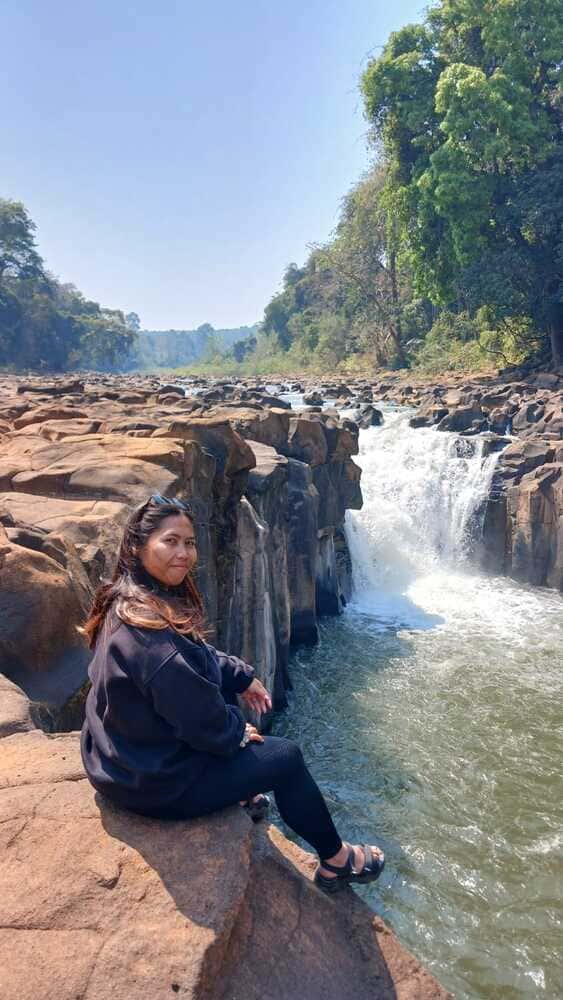
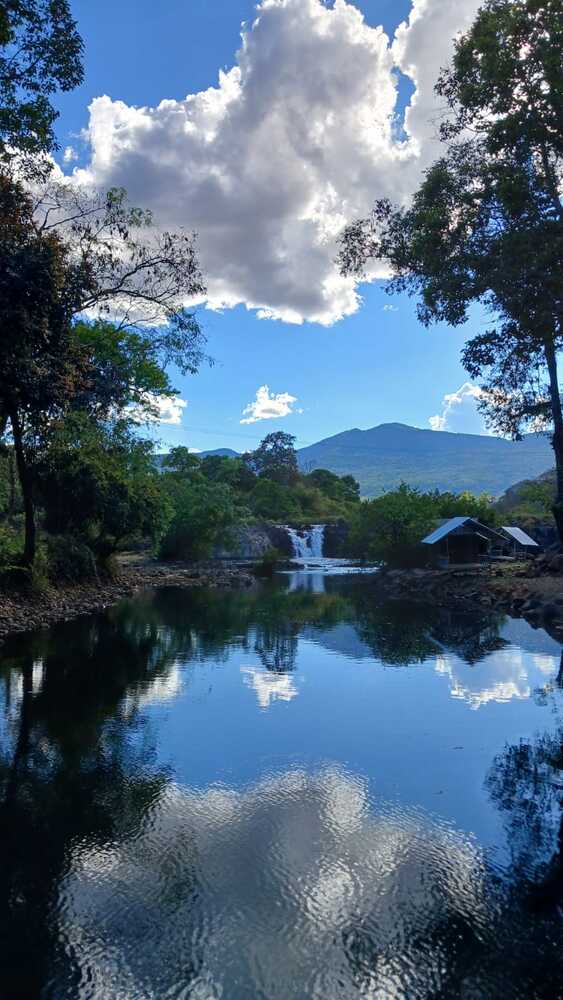
Thakhek Loop
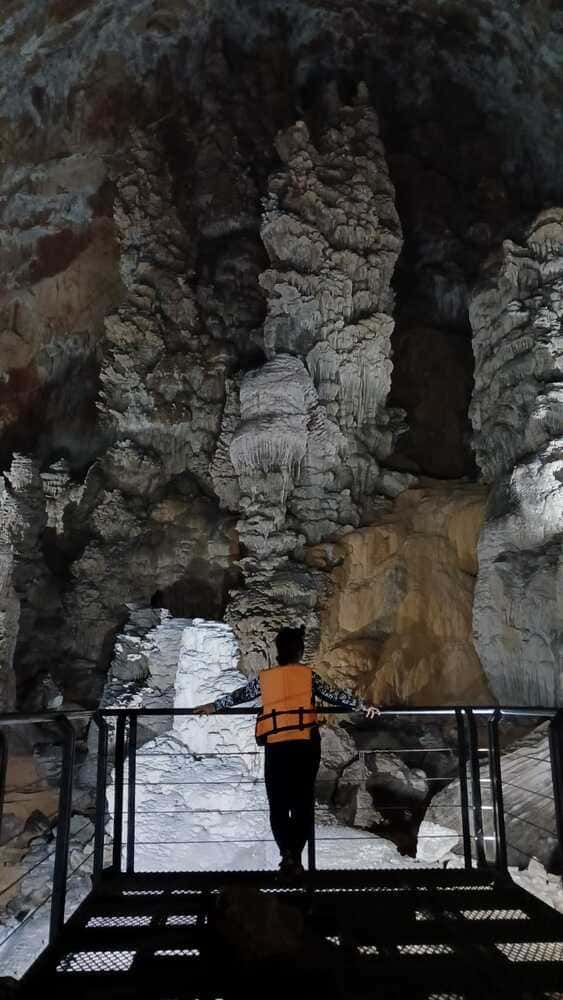
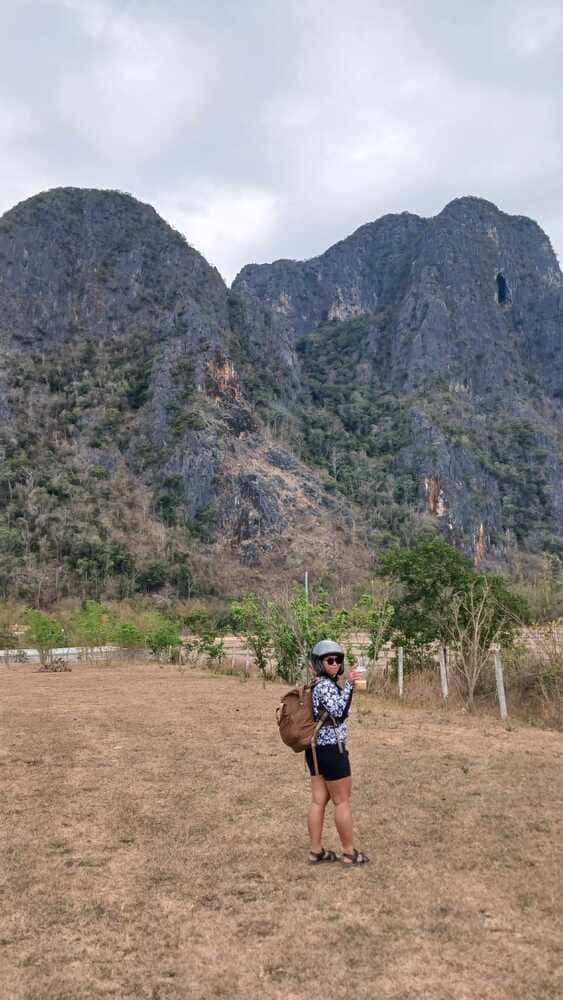
The Thakhek Loop is a completely different experience from Pakse. It’s located in central Laos and is known for its dramatic limestone mountains, huge cave systems, and longer, more remote stretches of road.
Most people take 3 to 5 days to complete the loop, depending on how much they want to explore along the way.
This route feels more like a proper road trip. You’ll spend more time riding, cover longer distances, and pass through areas that feel much more remote.
Route and distance
The full Thakhek Loop is around 450 km, starting and ending in Thakhek.
The route is typically done in a clockwise direction and includes stops like:
- Thakhek → Thalang
- Thalang → Kong Lor
- Kong Lor → Nahin / Lak Sao
- Return to Thakhek
Distances between stops are longer than on the Pakse Loop, so planning your overnight stays matters more.
Road conditions
Road quality on the Thakhek Loop is more mixed.
- Many sections are paved and smooth
- Some areas have potholes or rough patches
- Occasional gravel or dusty roads
- Fewer services in remote stretches
It’s not extremely difficult, but it does require more focus and confidence, especially on longer riding days.
What to expect
The Thakhek Loop is more about landscapes and unique natural features than frequent stops.
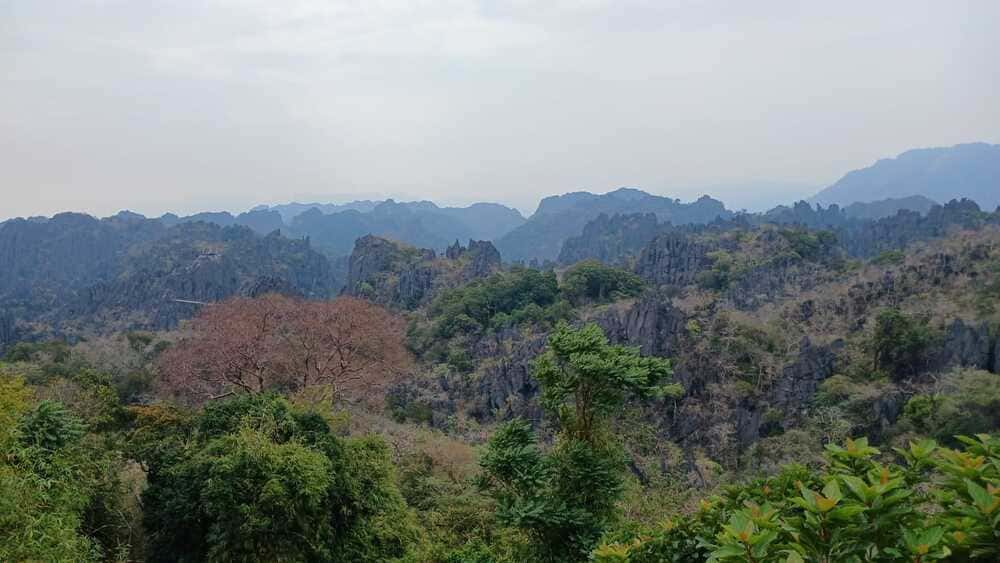
1. Karst mountains
This is one of the standout features of the loop.
- Massive limestone cliffs
- Winding roads through mountain scenery
- Wide open views with very little traffic
The scenery feels more dramatic compared to Pakse.
2. Caves
This is what really sets Thakhek apart.
- Kong Lor Cave: the highlight of the loop
- Around 7.5 km long
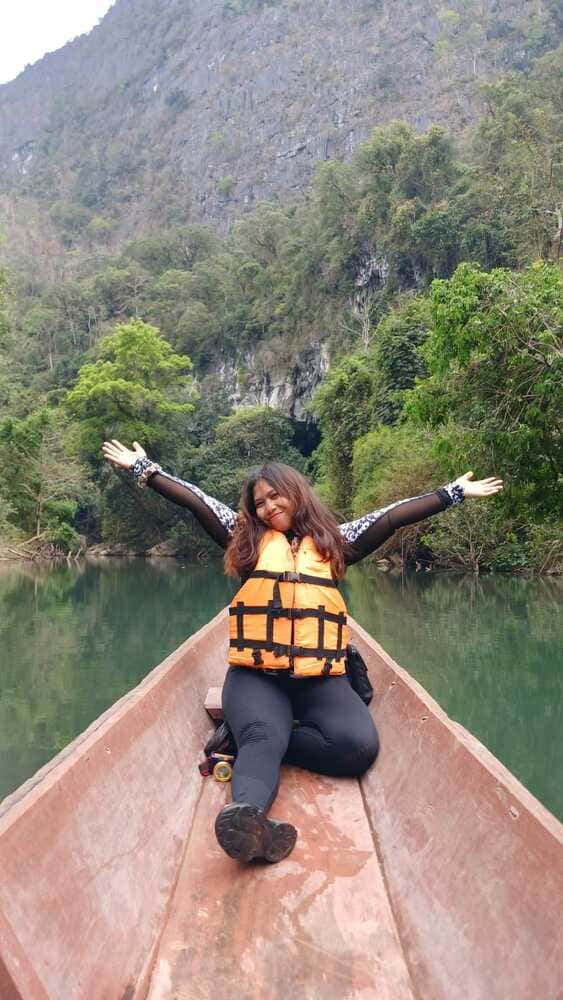
- You travel through it by boat
- Completely dark inside, lit only by headlamps
- Other caves along the route:
- Buddha Cave
- Elephant Cave
- Smaller roadside caves you can explore quickly
You’ll likely visit fewer places overall, but each one feels more unique.
3. Remote villages and countryside
Compared to Pakse, this route feels less developed.
- Fewer towns and shops
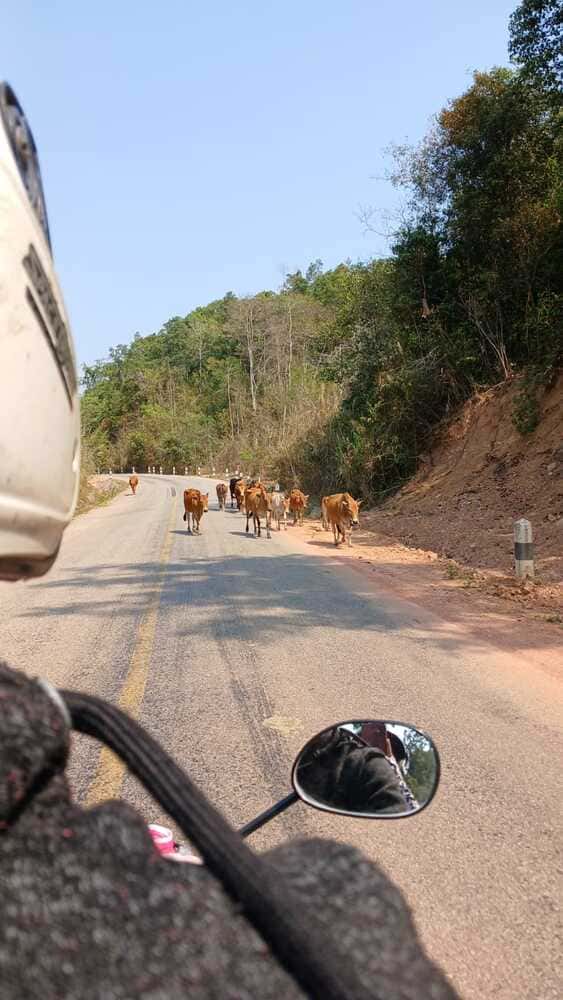
- Long stretches with little traffic
- More basic accommodation in some areas
This adds to the sense of adventure, but also means you need to plan ahead more.
Daily riding experience
A typical day on the Thakhek Loop is more ride-focused:
- 3 to 5+ hours of riding
- Fewer but longer stops
- Some stretches with almost no facilities
You’ll spend more time on the bike, and the distances can feel longer, especially in the heat.
Who should choose the Thakhek Loop
This route is a better fit if:
- You’re comfortable riding for longer hours
- You want something more adventurous and remote
- You’re interested in caves and unique landscapes
- You don’t mind less convenience along the way
It’s still doable for intermediate riders, but it’s not as beginner-friendly as Pakse.
Pakse Loop vs Thakhek Loop
| Feature | Pakse Loop (Bolaven Plateau) | Thakhek Loop |
|---|---|---|
| Location | Southern Laos | Central Laos |
| Distance | ~200–350 km | ~450 km |
| Duration | 2–4 days | 3–5 days |
| Difficulty | Easy to moderate | Moderate |
| Road Conditions | Mostly paved, smoother roads | Mix of paved, rough, some gravel |
| Riding Time per Day | 1–3 hours | 3–5+ hours |
| Main Highlights | Waterfalls, coffee farms, villages | Caves, karst mountains, remote scenery |
| Scenery Style | Green, lush, relaxed | Dramatic, rugged, mountainous |
| Stops Frequency | Frequent stops | Fewer, more spread out |
| Navigation | Easy | Slightly more planning needed |
| Accommodation | Easy to find, more options | Available but more basic in places |
| Fuel Availability | Regular and easy | Less frequent—plan ahead |
| Beginner Friendly | Yes | Not ideal for beginners |
| Crowds | Moderate (popular stops) | Less crowded overall |
| Best For | Relaxed trip, first-time riders | Adventure, experienced riders |
Quick takeaway
- Choose Pakse Loop if you want something easy, scenic, and flexible
- Choose Thakhek Loop if you want something longer, more adventurous, and less developed
Which Loop Should You Choose?
Both the Pakse and Thakhek Loops are incredible, but the right choice depends on your experience, schedule, and what kind of trip you want.
1. If you’re a beginner or new to motorbiking
- Go for Pakse Loop
- Easier roads, shorter distances, and plenty of stops make it low-stress
- Perfect if you want to enjoy scenery without worrying about rough roads
2. If you’re looking for adventure
- Choose Thakhek Loop
- Longer rides, rougher roads, and remote stretches make it more challenging
- Highlights like Kong Lor Cave and limestone mountains make the extra effort worth it
3. If you have limited time (2–3 days)
- Stick with Pakse Loop
- You can complete it comfortably and still enjoy waterfalls, coffee farms, and local villages
- Shorter daily riding times give you a relaxed pace
Pro tip: Doing both loops
- If you have 7–10 days in Laos, consider combining both loops
- Start with Pakse to warm up and enjoy waterfalls
- Finish with Thakhek for caves, mountains, and longer rides
- Gives a full picture of Laos’ varied landscapes
Tips & Preparation for Riding in Laos
Whether you pick the Pakse Loop or the Thakhek Loop, planning ahead will make your trip smoother, safer, and more enjoyable. Here’s everything you need to know.
1. Choose the right bike
- Pakse Loop: A standard scooter or small motorbike is enough
- Thakhek Loop: A more powerful motorbike or dual-sport bike is better for rougher sections
- Make sure your bike is well-maintained, with brakes, tires, and lights checked before leaving
2. Navigation & maps
- Download offline maps (Google Maps or Maps.me) signal can be unreliable in remote areas
- Check your route daily; some smaller roads are easy to miss
- Ask locals for directions if needed, people are generally friendly and helpful
3. Fuel & supplies
- Pakse Loop: Fuel stations are frequent
- Thakhek Loop: Fewer stations, fill up whenever you can
- Carry water, snacks, and cash, especially for remote stretches
4. Safety
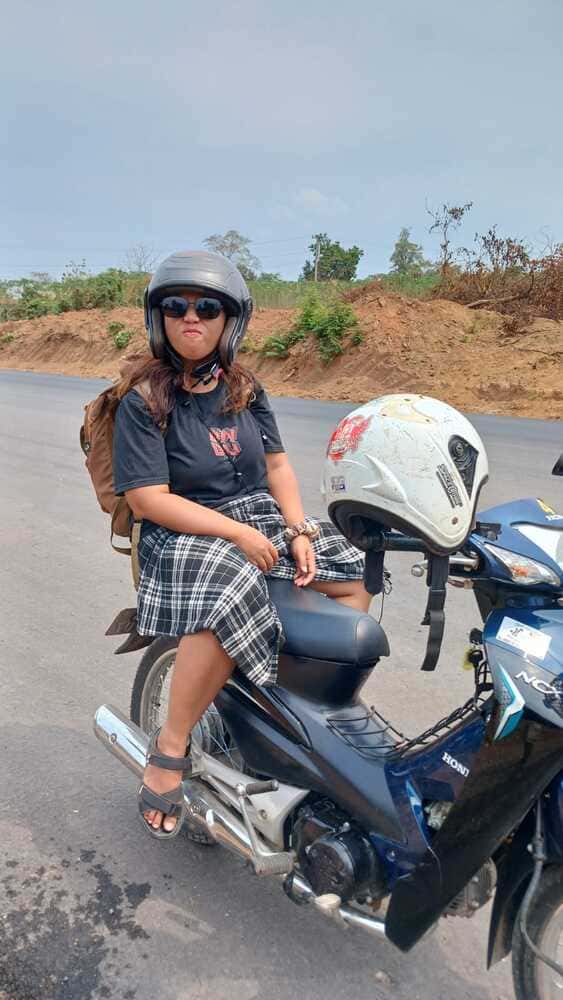
- Wear a helmet at all times
- Bring rain gear, Laos weather can change quickly
- Avoid riding after dark; roads can be unlit and unpredictable
- Keep a basic first-aid kit and phone with emergency contacts
5. Accommodation
- Pakse Loop: Many guesthouses, homestays, and small hotels along the route
- Thakhek Loop: Fewer options; plan your overnight stops in advance
- Book ahead in peak season (Nov–Apr) if possible
6. Timing
- Best months to ride: November to April (dry season)
- Avoid the rainy season (May–October) roads can be slippery, and some waterfalls may be inaccessible
7. Other useful tips
- Respect local customs and villages
- Take cash in small bills; ATMs are not always available in rural areas
- Bring a camera or phone with extra storage, scenery is incredible
- Pace yourself, Thakhek especially can be tiring if you push too hard
Final Thoughts
Both the Pakse Loop and the Thakhek Loop are incredible ways to explore Laos, but they offer very different experiences. Choosing the right one comes down to your experience, travel style, and how much time you have.
- Pakse Loop:
- Best for beginners, casual riders, and anyone who wants a relaxed trip with frequent stops.
- You’ll see lush landscapes, waterfalls, coffee farms, and quiet villages.
- Shorter daily rides make it easy to enjoy the scenery without stress.
- Thakhek Loop:
- Best for more adventurous riders who are comfortable with longer hours on the bike and less-developed roads.
- You’ll explore dramatic karst mountains, massive caves like Kong Lor, and more remote areas.
- Longer days and fewer stops make it feel like a true road-trip adventure.
If your schedule allows, doing both loops is ideal. Start with Pakse for a gentle introduction to Laos, then take Thakhek for the adventure and dramatic landscapes. This gives you the full range of experiences Laos has to offer, from relaxed waterfalls to rugged caves.
No matter which loop you choose, the key is planning ahead: check your bike, carry enough fuel and cash, bring rain gear, and enjoy the ride. Laos rewards those who take their time and soak in the scenery.
At the end of the day, the “best loop” isn’t just about distance or difficulty, it’s about what kind of journey you want to have.
Read Also:

Related posts:
 Is Laos Worth Visiting in 2026? An Honest Travel Guide
 Sailing in Labuan Bajo: My Honest Guide to Komodo Island
 Tokyo Disneyland One Day Itinerary for First-Time Visitors
 Phu Quoc Digital Nomad Guide: Where I Stayed, Worked, and Slowed Down for 28 Days
 Matsumoto Travel Guide: What to Do, 1-Day Itinerary & Travel Tips
Leave a Reply