Da Nang might not get as much attention as Hanoi or Ho Chi Minh City, but that’s exactly what makes it so great. It’s right on Vietnam’s central coast, offering a mix of chill vibes and modern charm. You get the best of both worlds, enough to explore, but without the crowds.
One thing you can’t miss in Da Nang is the beach. It’s one of the cleanest, most relaxed beaches on Vietnam’s central coast. If you’re debating whether Da Nang should be on your list, this guide will help you figure out if it’s your kind of place and how to make the most of it.
In this guide, I’m sharing everything I wish I’d known before heading to Da Nang, how to get there (especially from Nha Trang), where to stay, what’s worth doing, and how to make the most of a day trip to Hoi An. I’ll also let you know if Da Nang is really worth including in your Vietnam itinerary.
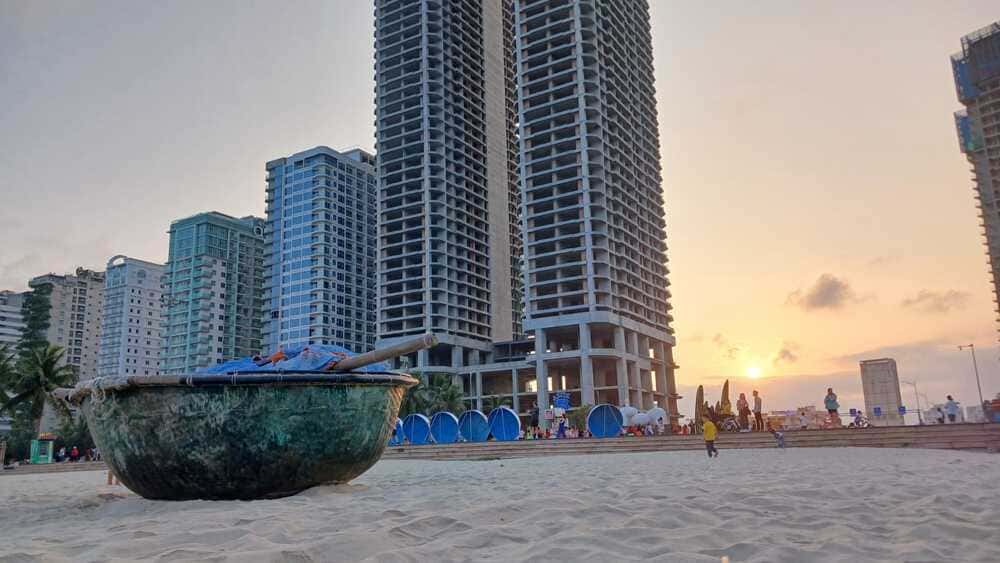
Getting to Da Nang from Nha Trang: All Options
If you’re traveling up the coast from Nha Trang (which is a popular stop for beach lovers), Da Nang is the logical next point on the map. Here’s how to make the move:
| Option | Bus | Train | Plane |
|---|---|---|---|
| Duration | 10–12 hours (Overnight) | 9–10 hours (Scenic route) | 1 hour (Quickest) |
| Cost | ~$12–$18 USD | ~$15–$25 USD | $25–$60 USD one way |
| Booking | Use Sinh Tourist or Futa Buslines | Book through 12GoAsia or at the station | Book with VietJet, Vietnam Airlines, or Bamboo Airways |
| Comfort | Sleeper buses (budget-friendly, not the most comfy) | Soft seat or soft sleeper (best for overnight trips) | Comfortable with more legroom and quick service |
| Pro Tip | Double-check your departure point; some agencies are outside central Nha Trang. | Bring snacks and water for the ride. | Morning flights usually have fewer delays, giving you more time to explore. |
| Why Choose It | Cheapest option for budget travelers | Scenic views of the coast and mountains | Fastest option, great if you’re short on time |
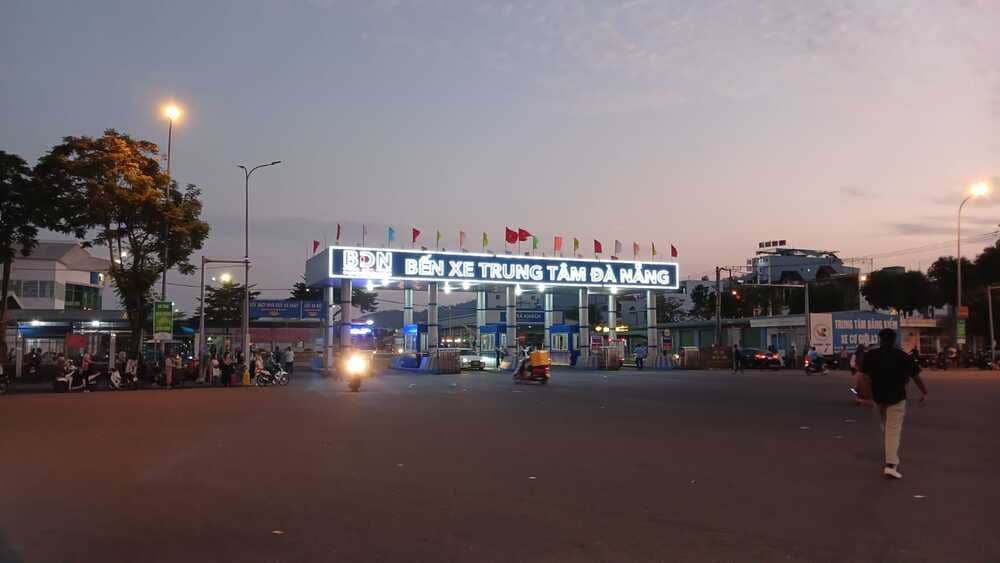
Where to Stay in Da Nang
1. My Khe Beach (Best for a Relaxed, Modern Vibe)
If you want a quieter, more laid-back spot but still close to the action, My Khe Beach is the place to be. It’s clean, peaceful, and only a 5-10 minute Grab ride to Da Nang’s city center. You’ll find plenty of cafes, smoothie spots, and local restaurants within walking distance, perfect if you’re looking for a mix of beach vibes and convenience.
- Good for: Digital nomads, beach lovers, and those who want to be near the ocean.
- Hotel Range: Mid-range to budget hotels, many with ocean views.
Recommended Stays:
- Sala Da Nang Beach Hotel: Clean and comfortable, with a rooftop pool and just a short walk to the beach.
- Brilliant Hotel: Affordable and close to the river and the famous Dragon Bridge.
2. City Center (Hai Chau District) (Best for Local Vibes & Food)
For those who want to dive into local culture and food, the City Center (Hai Chau District) is the place to stay. It’s close to Han Market, tons of street food, and the vibrant nightlife scene. It’s easy to explore on foot or by scooter, and you’ll be surrounded by more locals than tourists, perfect if you’re all about enjoying in authentic Vietnamese life.
- Good for: Foodies, culture seekers, and anyone who prefers a local experience over beach time.
- Hotel Range: Great mix of mid-range and budget options.
Recommended Stays:
- Vanda Hotel: Modern, stylish rooms, right across from the Cham Museum.
- Avora Hotel: Solid choice with a central location and all the basics.
3. Son Tra Peninsula (Best for Nature & Views)
If you’re looking for something a bit more secluded, with stunning views and access to nature, head to Son Tra Peninsula. It’s a 20–30 minute drive from the city center, but totally worth it for the peace and serenity. You’ll be close to Linh Ung Pagoda and the giant Lady Buddha, plus some great hiking spots. Perfect for those who want to get away from the hustle and bustle.
- Good for: Nature lovers, hiking enthusiasts, or anyone wanting a quiet retreat.
- Hotel Range: Luxury resorts and villas with stunning views.
Recommended Stays:
- InterContinental Danang: A luxury beachfront resort with incredible views and top-notch amenities.
- Son Tra Resort & Spa: Beautiful villas with both mountain and ocean views, ideal for a quiet, peaceful getaway.
Things to Do in Da Nang
1. Marble Mountains (Ngũ Hành Sơn)
Just a short drive from Da Nang’s city center, the Marble Mountains are a must-see spot for nature, culture, and history lovers. These five stunning limestone and marble hills are named after the five elements: metal, wood, water, fire, and earth.
For centuries, they’ve been an important spiritual site with Buddhist pagodas, shrines, and caves used for meditation and worship. During the Vietnam War, the caves were also used as shelters and field hospitals. Today, it’s a popular spot to hike and enjoy some of the best panoramic views of Da Nang.
Here’s what you should know before heading there:
- Time to Explore: 1 to 2 hours is enough to comfortably see the main spots.
- What to Wear: The steps can be steep and uneven in some places, so wear sturdy shoes (avoid slippery sandals).
- Lighting: Some caves are a bit dim, which adds to the atmosphere, but bring a small flashlight or use your phone’s light if you want to explore them fully.
- Elevator: If you want to avoid stairs, there’s an optional elevator (about 15,000 VND), but it only goes partway up.
- Entrance Fee: Around 40,000 VND (with small extra fees for specific spots).
- Best Time to Visit: Go early in the morning to beat the crowds, enjoy cooler weather, and get clearer photos from the viewpoints.
2. Relax at My Khe Beach
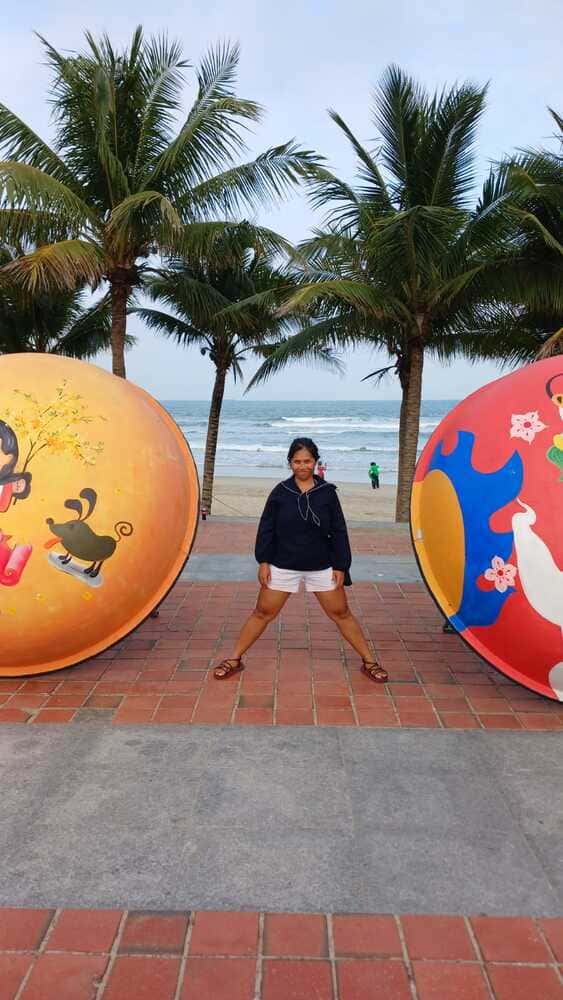
If you’re looking for a peaceful beach day in Da Nang, My Khe Beach is the perfect spot. Known for its soft white sand and gentle waves, it’s one of the most famous beaches in central Vietnam.
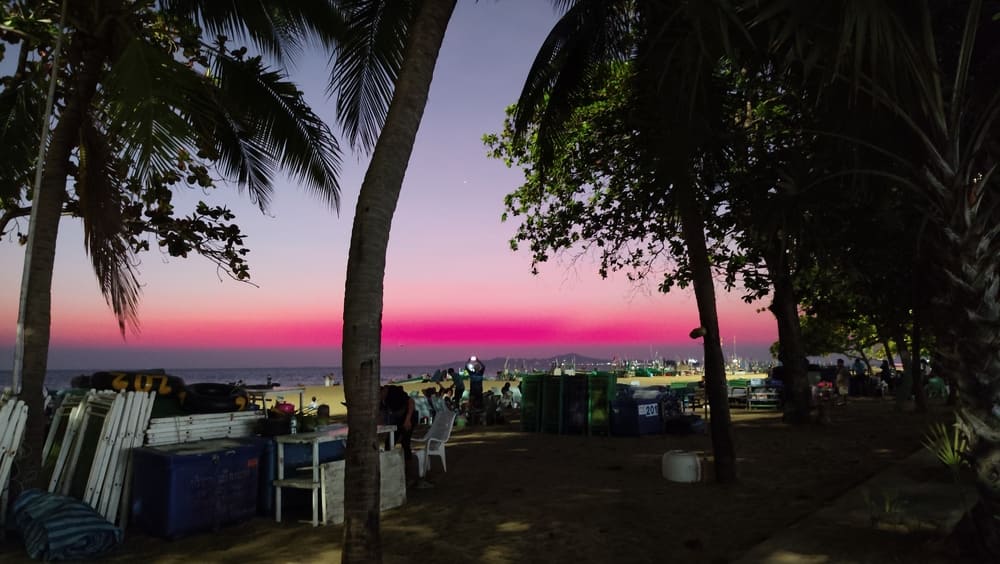
Unlike the busier beaches in places like Nha Trang, My Khe offers a quieter, more relaxed vibe, making it ideal for swimming, sunbathing, or watching a beautiful sunset. Both locals and tourists flock here for a laid-back day by the sea.
Here’s what you should know before you go:
- Parking and Cafes: Plenty of nearby parking and cafes if you’re traveling by scooter or taxi.
- Size: The beach stretches over 20 kilometers, so you’ll have no trouble finding your own quiet corner.
- Best Time to Visit: Early mornings and late afternoons are perfect for swimming and avoiding the intense midday heat.
- Safety: Lifeguards are stationed at designated swimming areas, so it’s safe to take a dip.
- Amenities: Sunbeds and umbrellas are available, often for free if you buy a drink from nearby vendors.
- Crowds: My Khe is much less crowded than other beaches in Vietnam, so you can enjoy a more peaceful atmosphere.

3. Linh Ung Pagoda & Lady Buddha Statue
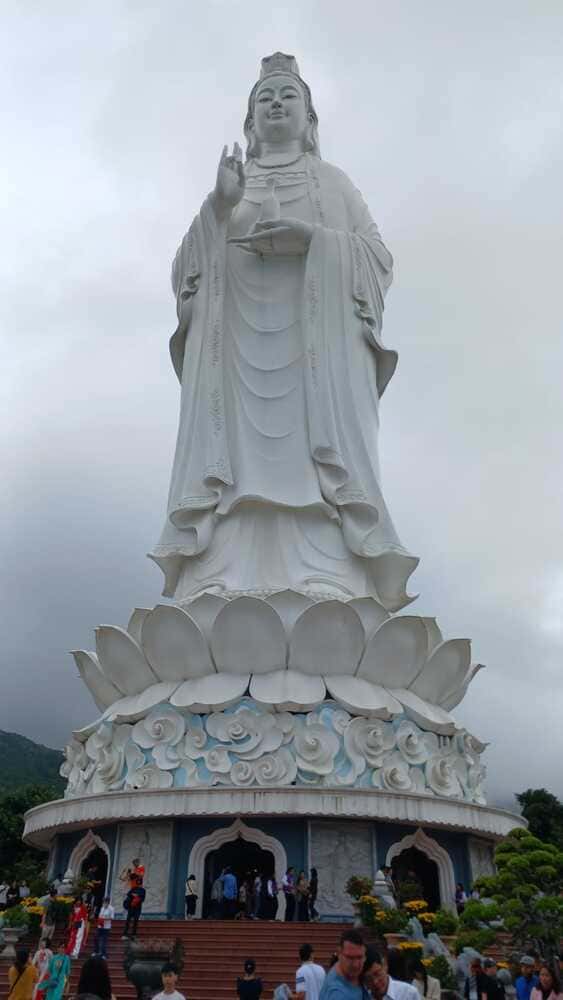
Located on the stunning Son Tra Peninsula, Linh Ung Pagoda is home to Vietnam’s tallest Lady Buddha statue, which stands a towering 67 meters high.
The pagoda offers breathtaking views of both the sea and Da Nang city, making it a perfect spot for a peaceful retreat and some amazing photos. The serene atmosphere and beautiful architecture make it a great break from the hustle and bustle of the city.
Here’s what to expect:
- Iconic Landmark: The Lady Buddha statue is so tall, you can spot it from many parts of Da Nang—making it a must-see landmark.
- Entrance Fee: There’s no entrance fee, but donations are welcome.
- What to See: The site includes several pagodas, gardens, and quiet meditation areas, perfect for a reflective visit.
- Best Time to Visit: Early morning or late afternoon is the best time to go, as it’s cooler and the light is perfect for photos.
- Getting There: It’s about 10 km from downtown Da Nang, which takes around 25–30 minutes by Grab or scooter.
- Pro Tip: If you have time, combine your visit with a drive or ride around Monkey Mountain nearby for some stunning nature views.

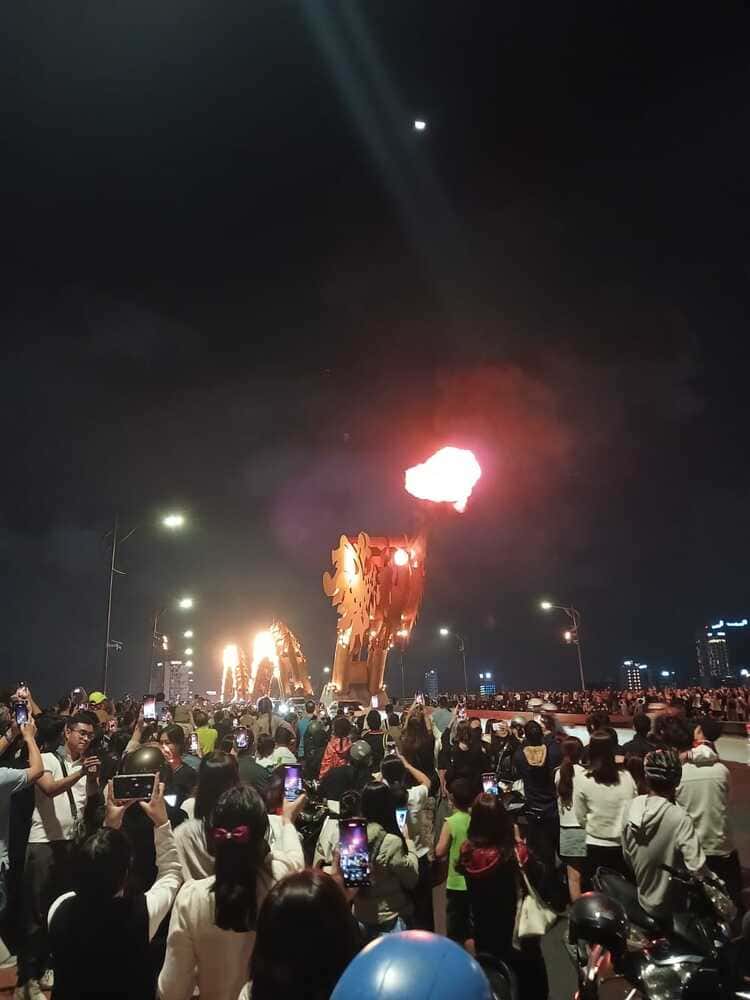
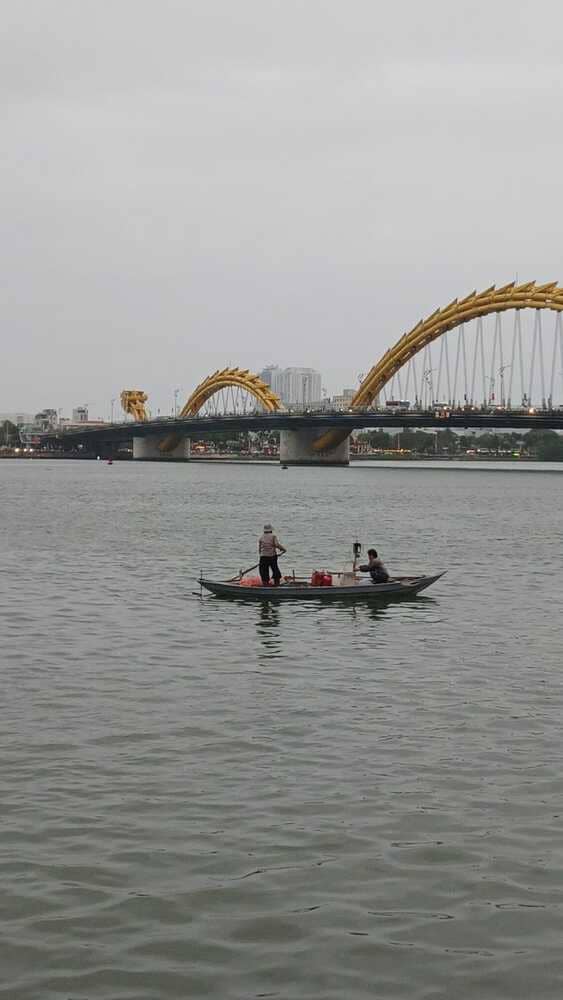
4. Dragon Bridge Fire and Water Show
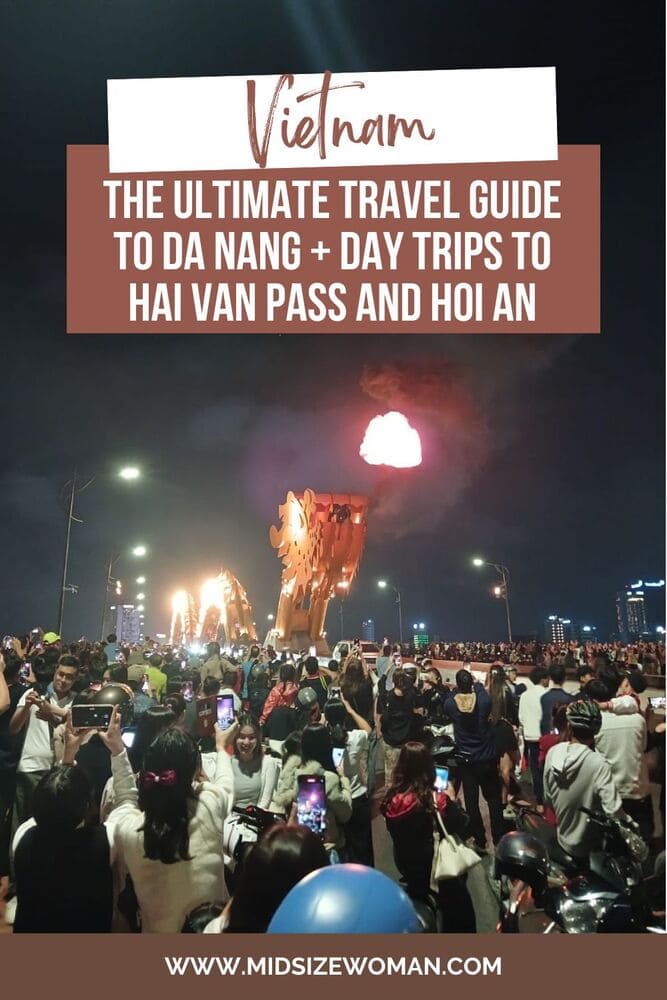
Dragon Bridge is one of Da Nang’s most iconic landmarks, designed to look like a giant dragon stretching across the Han River. On weekend evenings, the dragon comes to life with an exciting fire and water show, making it a must-see event for both locals and tourists.
Here’s what you need to know:
- Show Times: Every Saturday and Sunday at 9 PM.
- What Happens: The dragon breathes fire and shoots water for about 5–10 minutes, it’s a pretty spectacular sight!
- Cost: It’s a free public event, so no tickets required.
- Best Viewing Spots: Arrive 15–20 minutes early to grab a good spot along the riverbanks.
- Prime Views: The best views are from the river promenade and nearby cafes with outdoor seating.
- After the Show: Check out the nearby night markets and food stalls for some tasty snacks and drinks to round out your evening.
5. Ba Na Hills & Golden Bridge
Ba Na Hills is a hill station and resort complex located about 40 km from Da Nang. It’s famous for its incredible cable car system, one of the longest in the world and the iconic Golden Bridge, a pedestrian bridge held up by giant stone hands. While it’s definitely a tourist hotspot with theme park rides and European-style architecture, the views and experience are well worth it.
Here’s what you should know before you go:
- Entrance Fee: Around 850,000 VND (~$35 USD), which includes the cable car ride.
- Cable Car Ride: The ride takes about 20 minutes and offers stunning views of the surrounding forests and mountains.
- Golden Bridge: The main highlight, but it can get crowded, especially on weekends and holidays, so be prepared for some tourists.
- How Long to Stay: Plan to spend 4–5 hours to check out the main attractions and grab lunch.
- Pro Tip: For a quieter experience, try to visit early on a weekday to avoid the crowds.
- Food & Drinks: Be aware that food and drinks inside the resort can be pricier than in Da Nang city.
Day Trips from Da Nang
Da Nang’s central location makes it a perfect base for exploring some of central Vietnam’s top attractions.
Two of the most popular day trips are Hai Van Pass, known for its breathtaking natural beauty, and Hoi An, a UNESCO World Heritage site rich in culture and architecture. Both can easily be visited in a day, offering completely different experiences: one focuses on dramatic landscapes, the other on history and charm.
1. Hai Van Pass
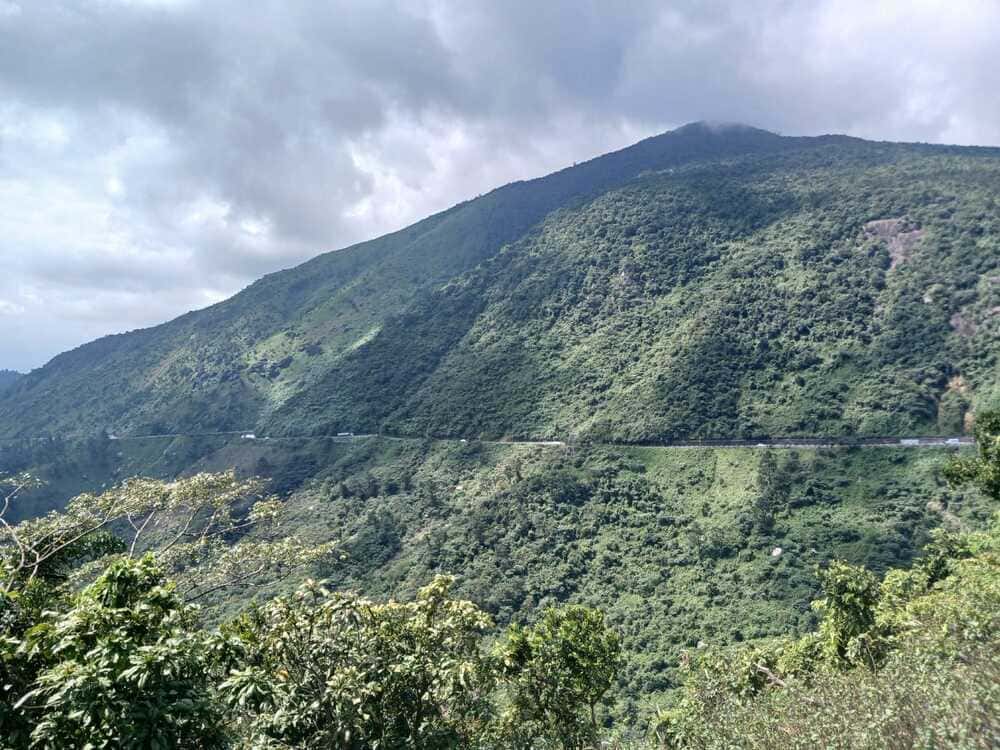
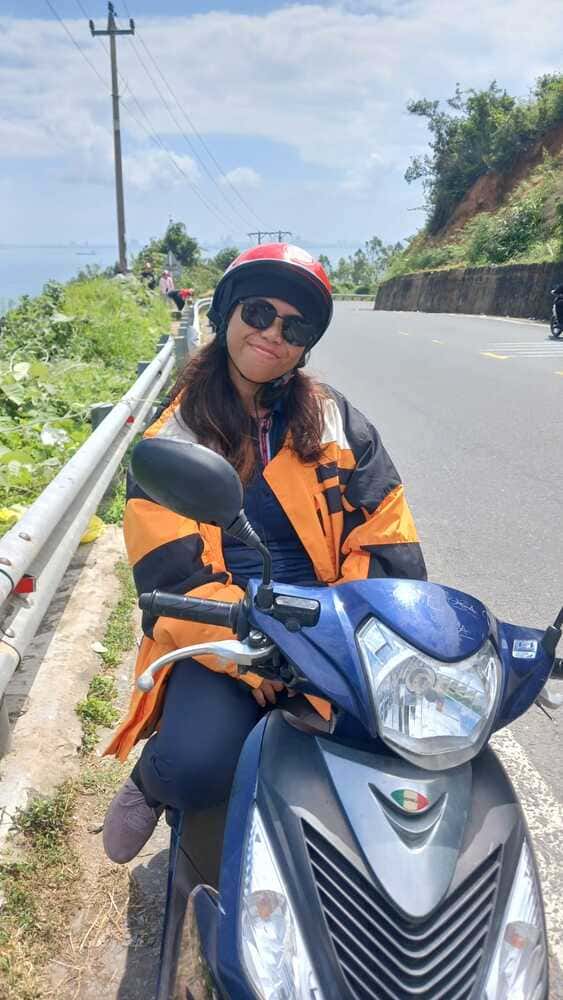
The Hai Van Pass is a winding mountain road that offers some of the most stunning views of Vietnam’s coastline and surrounding hills. Once a key military route, it’s now a favorite spot for motorbike riders and travelers seeking incredible landscapes.
- Distance from Da Nang: About 30 km (roughly 30 minutes by car or motorbike)
Highlights:
- Panoramic views of the ocean and mountains from various lookout points
- Historical landmarks, including old French military bunkers
- Quiet cafes along the pass where you can take a break and enjoy the scenery
- Best Time to Visit: Morning or late afternoon for cooler temperatures and better light for photos.
Getting There:
- Rent a motorbike for the full experience, but only if you’re comfortable riding.
- Or take a Grab or private car for a more relaxed trip.
- Many guided tours will stop at some of the best spots along the pass.
Tips:
- Bring a light jacket, it can get chilly and windy up there.
- Charge your phone or camera, it’s a photographer’s paradise!
- If you’re riding, be cautious the road can be narrow and winding, so keep your speed in check.
2. Hoi An
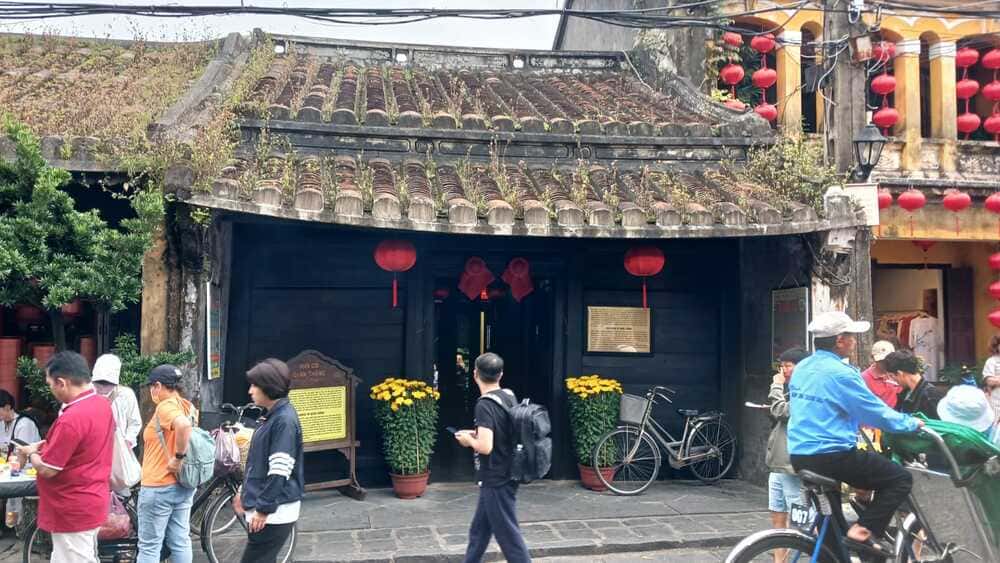
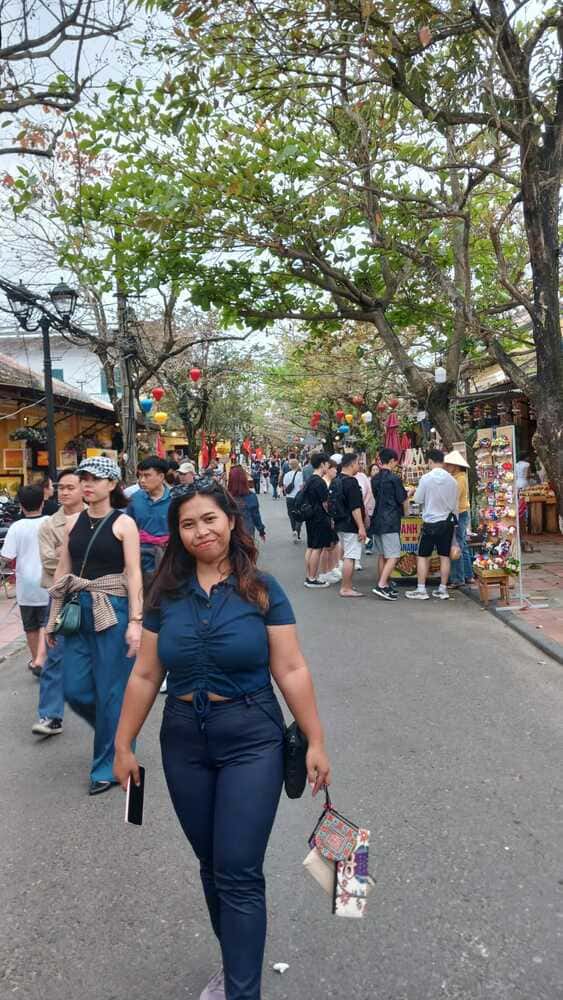
Just 30 km south of Da Nang, Hoi An is a UNESCO World Heritage site famous for its well-preserved ancient town. Known for charming streets, traditional architecture, and riverside cafes, it’s one of Vietnam’s top cultural destinations.
- Distance from Da Nang: About 30 km (45–60 minutes by car or bus)
Highlights:
- Stroll through the lantern-lit streets of Ancient Town, especially beautiful in the evening.
- Visit iconic landmarks like the Japanese Covered Bridge and historic merchant houses.
- Try local specialties like Cao Lầu noodles and White Rose Dumplings, Hoi An’s delicious food is a must-try!
- If you have time, explore nearby rice paddies or chill at An Bang Beach.
- Best Time to Visit: Morning to afternoon for sightseeing and daytime activities; evening for the lantern displays and riverside vibe.
Getting There:
- Quickest Route: Take a Grab, taxi, or private car for a comfortable ride.
- Budget Option: Hop on the public bus (#1 yellow bus) for a low-cost option.
- Once in Hoi An: Rent a bicycle or motorbike to explore Ancient Town and beyond.
Tips:
- Start early to avoid the crowds, especially during peak tourist seasons.
- Wear comfortable shoes, Ancient Town’s streets are cobblestone and can be tricky to navigate.
- Don’t miss the riverside market, and if you have time, consider taking a boat ride along the Thu Bon River.
Practical Tips for Traveling in Da Nang
Whether you’re staying in Da Nang or exploring nearby places like Hoi An and Hai Van Pass, these tips will help you get around and enjoy your trip:
Best Time to Visit:
- Avoid: September and October: rainy season with storms.
- Best months: February to May: warm, dry, and less crowded.
Getting Around:
- Grab (ride-hailing app) is affordable and easy to use.
- Renting a motorbike is popular, but be cautious on busy streets.
- Taxis and private cars are great for longer trips.
Money and Payments:
- Currency: Vietnamese Dong (VND). ATMs are everywhere.
- Cash is needed in markets and small shops; most restaurants accept credit cards.
- Always have small notes for tips and street vendors.
Language:
- Vietnamese is the official language, but English is widely spoken in tourist areas.
- Learn simple phrases like “hello” (xin chào) and “thank you” (cảm ơn).
Safety:
- Da Nang is generally safe, but keep an eye on your belongings.
- Be careful crossing streets, traffic can be busy.
- Wear a helmet if renting a motorbike.
Health:
- Tap water isn’t safe to drink, buy bottled water.
- Sunscreen and insect repellent are recommended.
- Bring basic medication for stomach issues or allergies.
Connectivity:
- Buy a local SIM card at the airport or shops (Viettel, Mobifone, Vinaphone).
- Free Wi-Fi is available in cafes and hotels.
Electricity:
- Voltage: 220V. Bring a universal adapter for plugs (A, C, and D).
Cultural Etiquette:
- Dress modestly when visiting temples.
- Remove shoes before entering homes or religious sites.
- Don’t point your feet at people or sacred items.
Final Thoughts
Is Da Nang Worth Visiting?
Da Nang offers a perfect blend of natural beauty, cultural experiences, and modern convenience, making it a great spot for travelers.
Whether you’re drawn to the stunning Marble Mountains, the relaxing vibes of My Khe Beach, or the chance to explore nearby gems like Hoi An and the Hai Van Pass, Da Nang gives you the perfect mix of everything, without the crowds of Vietnam’s larger cities.
It’s a destination where you can enjoy city life, nature, history, and fresh seafood all in one place. Whether you’re seeking adventure, relaxation, or a bit of both, Da Nang has something for everyone. If you’re planning to visit central Vietnam, it’s definitely worth adding Da Nang to your itinerary.
If you want to explore more of Vietnam, check out these guides next:
- 13 Must-Try Vietnamese Dishes + Food Tips for Travelers
- A Slow-Travel Itinerary in South Vietnam
- Slow Travel in Phú Quốc: Where to Stay, Eat, and Reset as a Digital Nomad









Leave a Reply