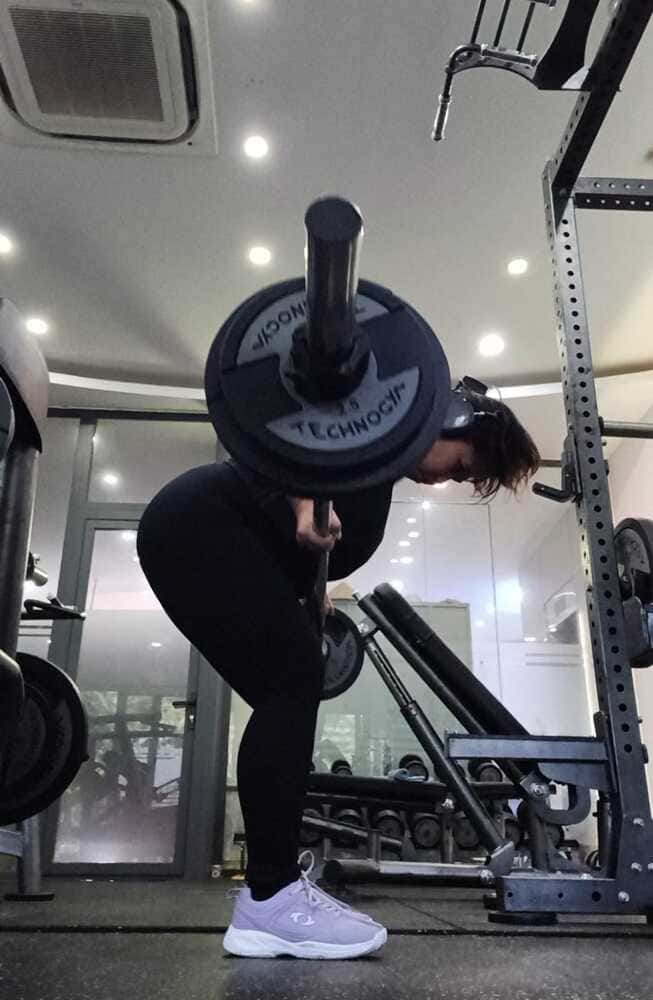
When you’re new, it’s easy to wonder if you’re doing it right or if you’re even feeling the right muscles at all.
I remember doing rows and thinking, “Why do I only feel this in my arms?” or “Am I even working my back?”
If that sounds familiar, you’re not doing anything wrong. It just takes a bit of time to understand how these movements are supposed to feel.
This back and biceps workout for midsize women is simple to keep things easy and clear. No complicated setups, no overwhelming exercises, just a solid routine that helps you build strength, improve posture, and feel more confident in your body over time.
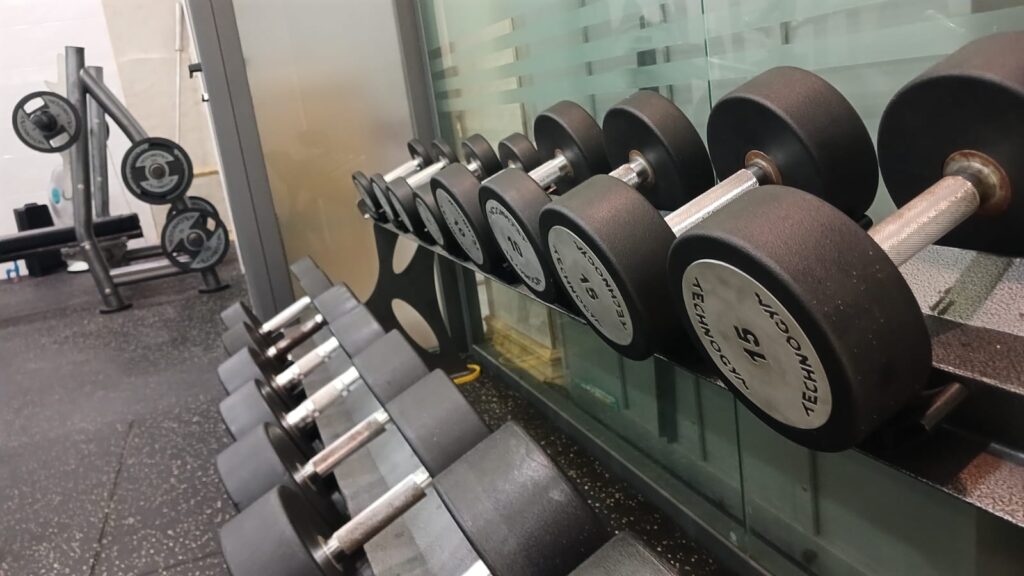
Why Train Back & Biceps
Back and biceps might not be the most talked-about workout combo, but they’re incredibly important—especially if you’re just starting your fitness journey.
Your back plays a big role in how you move and carry yourself every day. Strengthening it can help with:
- Better posture (less slouching, less tension in your shoulders)
- Reducing back discomfort from sitting too much
- Improving upper body strength for everyday tasks
- Supporting your core and spine
Your biceps, on the other hand, help with all pulling movements. Training both together makes sense because most back exercises naturally involve your biceps too. So you’re working smarter, not harder.
Back and Biceps Workout for Midsize Women
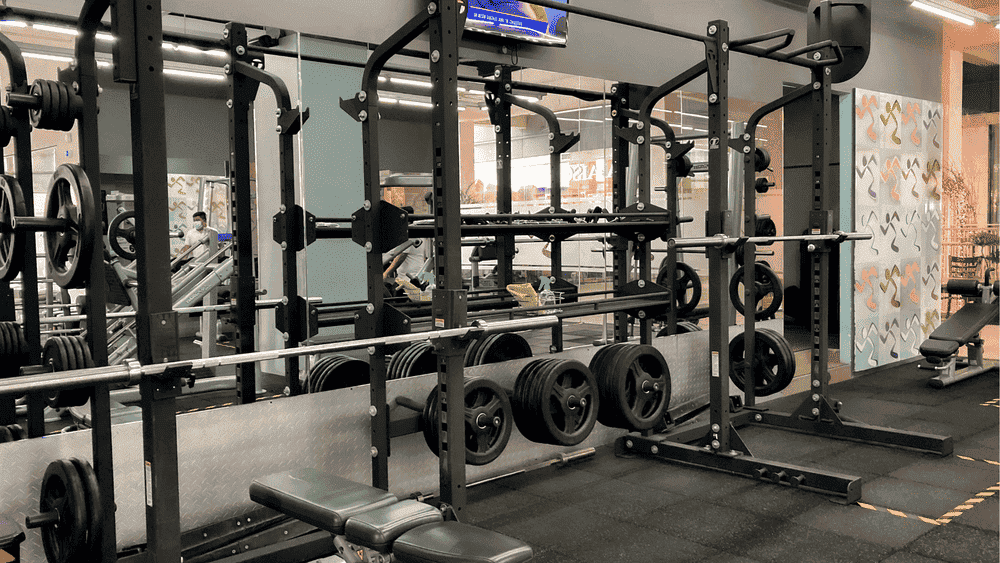
This routine is beginner-friendly and can be done at the gym or adapted at home with dumbbells or resistance bands.
Warm-Up (5–10 minutes)
- Light cardio (walking or cycling) – 3–5 minutes
- Arm circles – 30 seconds each direction
- Resistance band pull-aparts – 2 × 12–15 reps
This helps activate your upper body so the exercises feel smoother and more controlled.
Main Workout
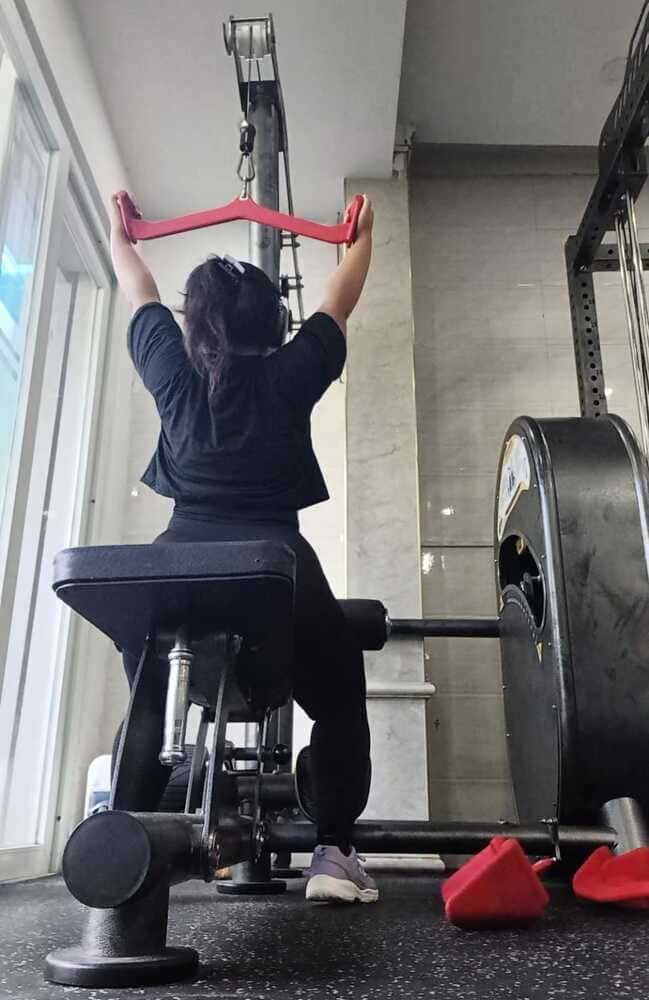
1. Lat Pulldown
- 3 sets × 8–10 reps
- Targets: upper back (lats), biceps
This is one of the best exercises to start with because it teaches you how to properly engage your back.
Tip: Instead of pulling with your hands, think about driving your elbows down. That small shift makes a big difference in what muscles you feel working.
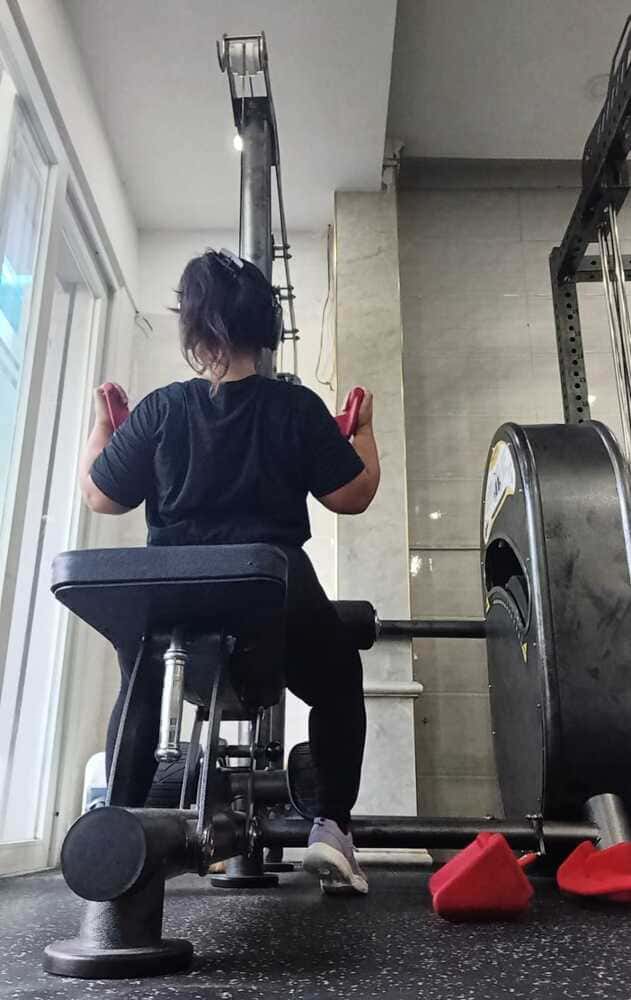
2. Seated Cable Row
- 3 sets × 10–12 reps
- Targets: mid-back, biceps
This movement helps build strength in your upper and mid-back, which supports better posture over time.
Tip: Sit tall, keep your chest up, and pause for a second when you pull the handle toward you. That pause helps activate your back muscles more effectively.
3. Dumbbell Bent-Over Row
- 3 sets × 10 reps
- Targets: back, core
This one can feel a bit awkward at first, but it’s great for building overall strength and stability.
Tip: Keep your back flat and avoid swinging the weight. Controlled movement matters more than how heavy you lift.
4. Face Pulls or Rear Delt Fly
- 2–3 sets × 12–15 reps
- Targets: upper back, rear shoulders
This exercise is often overlooked, but it’s important especially if you spend a lot of time sitting or using your phone.
Tip: Use a lighter weight and focus on form. This is about control, not intensity.
5. Dumbbell Bicep Curls
- 3 sets × 10–12 reps
A simple and effective way to build arm strength.
Tip: Keep your elbows steady and avoid swinging your body to lift the weight.
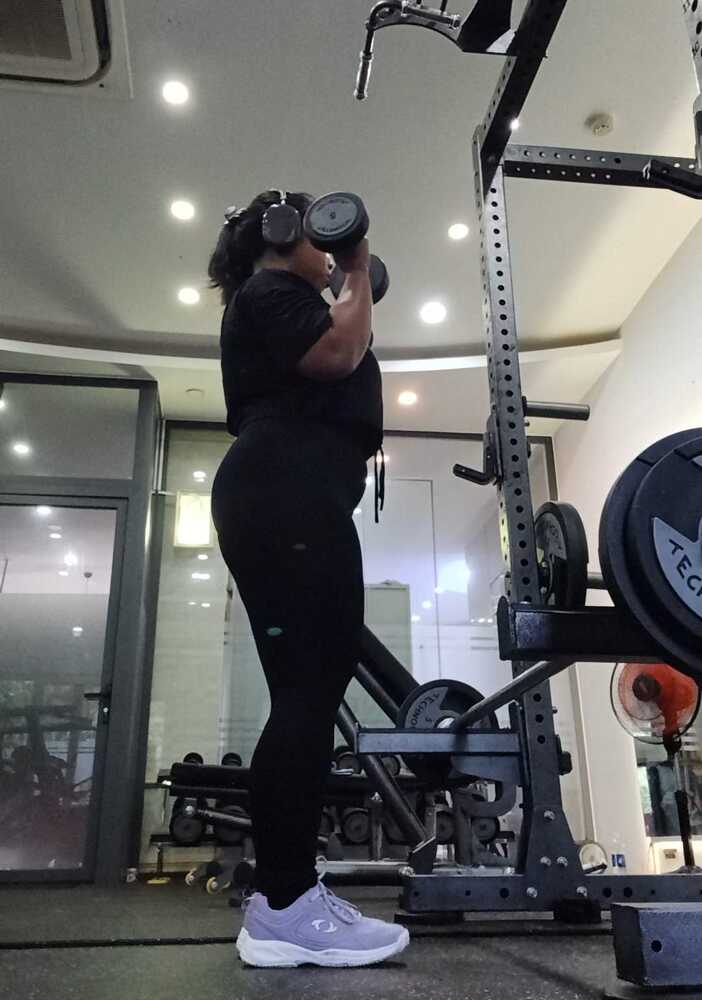
6. Hammer Curls
- 3 sets × 10–12 reps
This variation targets a different part of your arms and helps build more balanced strength.
Tip: Move slowly and keep your wrists neutral throughout the movement.
Rest and Pace
Take about 45–60 seconds of rest between sets.
You want enough time to recover, but not so much that your body fully cools down. Keeping a steady pace helps maintain focus and consistency throughout the workout.
Cool Down (3–5 Minutes)
Cooling down is essential after your workout to gradually lower your heart rate, reduce muscle tightness, and kickstart recovery. Focus on gentle stretches that target the muscles you just worked, your back, shoulders, and arms.
- Biceps wall stretch – 30 sec per arm
- Lat stretch against doorway – 30 sec per side
- Neck & shoulder rolls – 10 each way
- Deep breathing – 4 slow breaths to reset
Tips for Exercise Back and Biceps
From experience, these small adjustments can change how your workouts feel:
- If you only feel your arms, slow down your reps
- Use lighter weights until your form feels solid
- Don’t compare yourself to others at the gym
- Stick to the basics before trying advanced exercises
Progress doesn’t come from doing everything perfectly, it comes from showing up regularly and improving little by little.
FAQ — Back and Biceps Workout for Beginners
How often should I train back and biceps?
1–2 times per week is enough for beginners. This gives your muscles time to recover and grow stronger.
Do I need gym machines for this workout?
Not necessarily. You can use dumbbells or resistance bands as alternatives for most exercises.
Why don’t I feel my back working?
This is very common at the beginning. It takes time to build that connection between your mind and muscles. Slowing down and focusing on form helps.
Final Thoughts
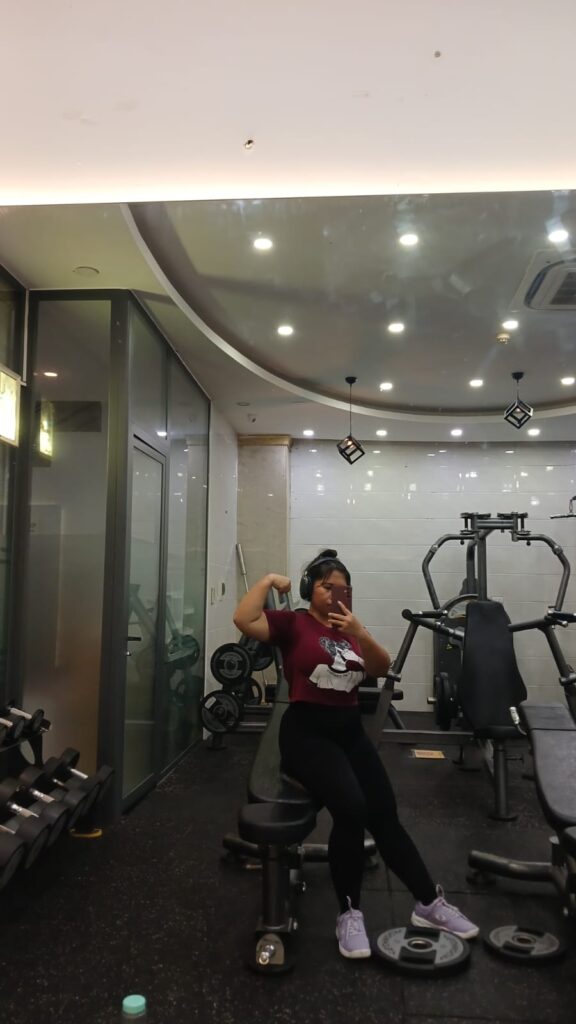
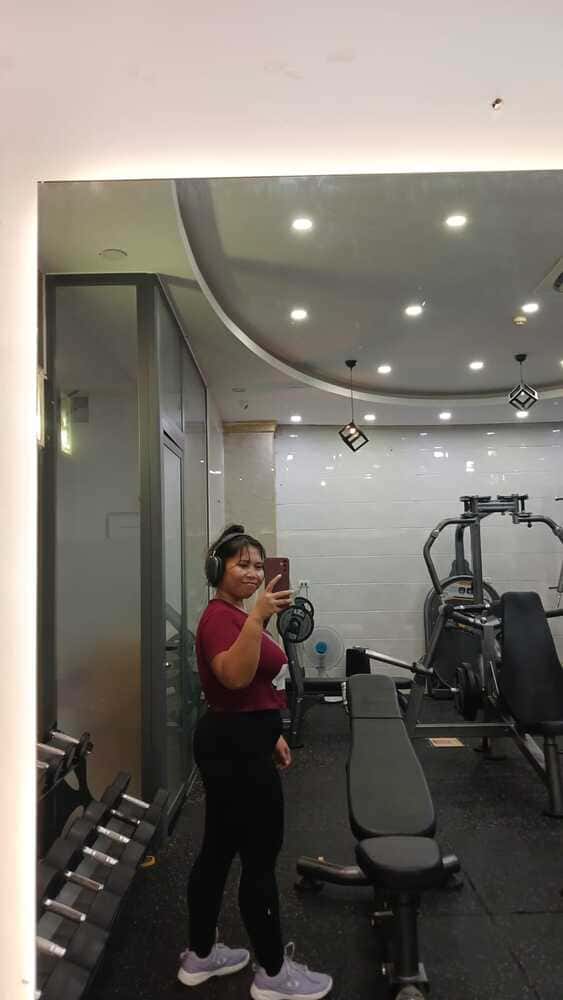
Back and biceps day might not feel natural right away, and that’s okay. Most of us had to figure it out step by step.
Over time, you’ll start noticing small changes your posture improves, movements feel easier, and you feel stronger doing everyday things. That’s when it starts to feel worth it.
This kind of strength isn’t about looking a certain way. It’s about feeling more capable in your body and knowing you can rely on it. You don’t need to rush the process or get everything perfect. Just keep showing up, stay consistent, and let your progress build over time.

Related posts:
 Fitness for Midsize Women: How to Start Your Fitness Journey Without Feeling Intimidated
 Leg Day Workout for Midsize Women — Strong, Functional & Beginner‑Friendly
 Fitness Goals for Midsize Women: Do You Want to Be Skinny or Strong?
 Fitness Outfits for Women: Feel Comfortable & Confident
 How to Recover from Strength Training (Without Burning Out)






Leave a Reply