
If you’ve been lifting consistently but still feel sore, tired, or stuck… it’s probably not your workout plan.
It’s your recovery. A lot of people focus on training harder, but real progress actually happens after your workout, when your body repairs and rebuilds muscle .
Let’s break down how to recover from strength training in a way that actually works (and fits real life).
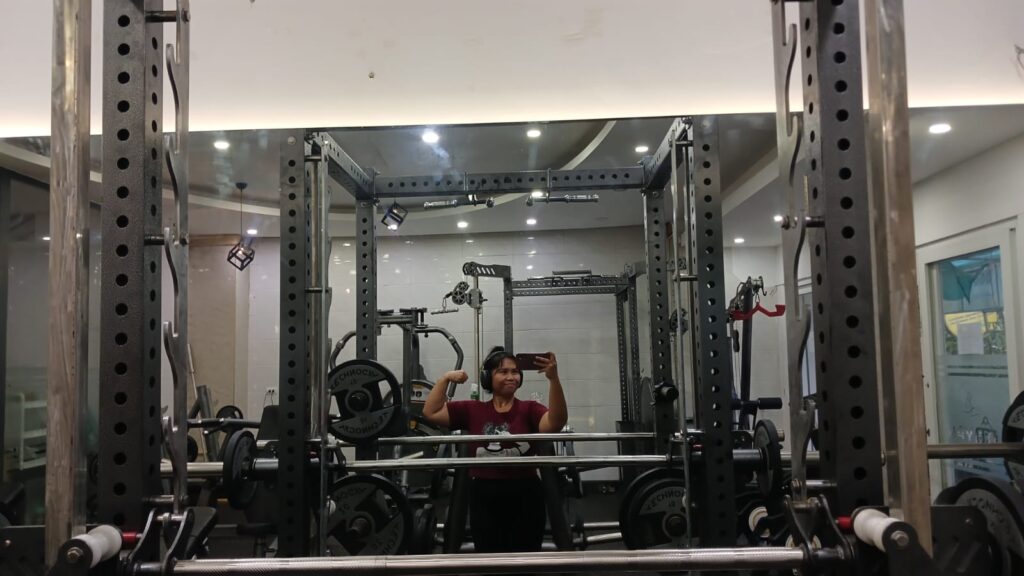
Why Recovery Is So Important for Strength Training
Recovery isn’t just “taking a day off.” It’s how your body:
- Repairs muscle tissue
- Builds strength and endurance
- Resets your energy and nervous system
When you skip recovery, you’re basically slowing down your own progress. Muscle growth only happens when your body has time to repair those tiny tears from lifting .
Bottom line: No recovery = no real results.
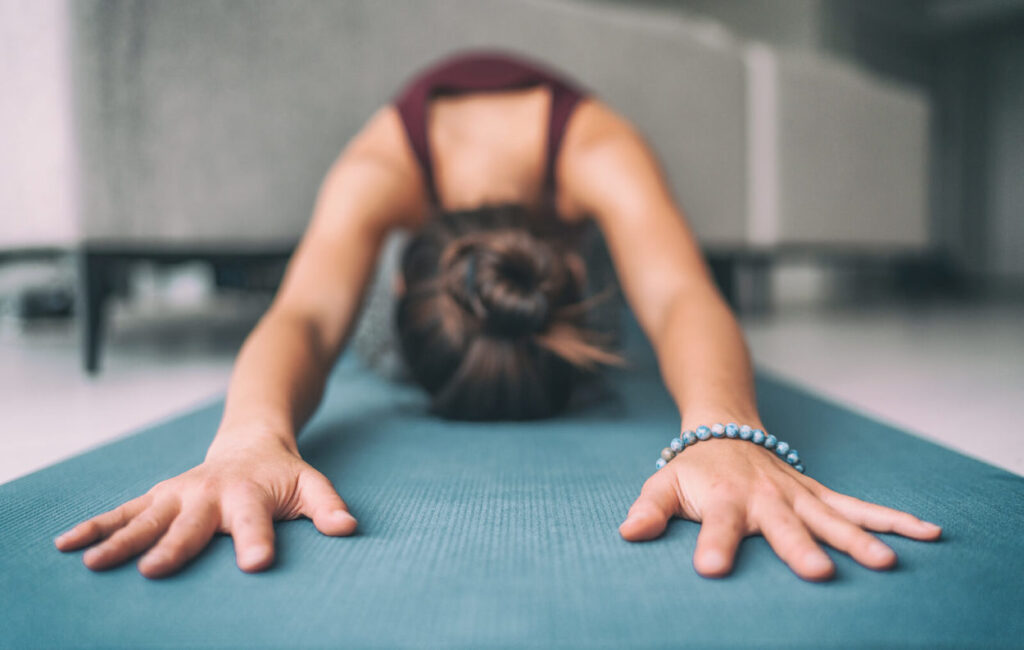
Sleep: Your #1 Recovery Tool
Muscle growth, mental focus, hormone balance, all of it depends on sleep. Without it, recovery is slower, and workouts become harder than they need to be.
Why Sleep Important:
- Produces growth hormone (muscle repair)
- Regulates cortisol (stress + fat retention)
- Supports mood, focus, and motivation
- Helps control hunger and recovery cravings
Simple Sleep Habits That Work:
| Tip | Why It Helps |
|---|---|
| Turn off screens 30–60 mins before bed | Supports melatonin production |
| Keep your bedroom cool and dark | Improves sleep quality and depth |
| Have protein + carbs at dinner | Promotes muscle repair and sleep hormones |
| Do a 5-minute wind-down (stretching or breathing) | Calms the nervous system |
| Try magnesium or herbal teas if needed | Helps relax muscles and nerves |
If you’re constantly tired even when working out regularly, fix your sleep before increasing your workout volume. Energy comes from rest, not just movement.
Muscle Soreness: What’s Normal vs Not
Some muscle soreness (DOMS) is part of the process. But staying sore for days or barely being able to move after every session? That’s a red flag your recovery is lagging.
Normal soreness (DOMS):
- Shows up 24–48 hours after a workout
- Feels like muscle fatigue or tightness
- Improves with light movement and hydration
Not-So-Normal Soreness:
- Sharp, stabbing, or joint pain
- Lasting 3+ days without improvement
- Making everyday activities feel painful or exhausting
If it’s the second one, your body is asking for more recovery.
Easy Ways to Reduce Soreness:
| Recovery Tool | When to Use It | Benefit |
|---|---|---|
| Foam roller | Post-workout or rest days | Improves circulation, loosens tight spots |
| Light walking | Day after heavy lifting | Flushes lactic acid, reduces DOMS |
| Hydration + electrolytes | Daily | Supports muscle function and flushes waste |
| Protein + recovery meals | Within 1 hr post-lift | Boosts muscle repair |
| Mobility or yoga flow | Active recovery days | Keeps joints healthy and muscles loose |
Stress Can Slow Your Recovery
Stress from life, work, or even emotional pressure affects your recovery more than you think. When stress goes up, recovery goes down especially if you don’t give your body time to adapt.
Stress isn’t just a mental thing. It’s physical. Emotional. Hormonal. It impacts your muscle repair, sleep, motivation, and even fat storage.
How Stress Impacts Recovery:
- Raises cortisol → slows muscle repair and stores fat
- Disrupts sleep → weakens immune system and hormone balance
- Increases soreness and fatigue → makes progress feel harder than it is
Simple ways to manage stress:
| Strategy | What It Does |
|---|---|
| Nature walks | Lowers cortisol, boosts dopamine |
| Deep belly breathing (5 mins) | Activates parasympathetic nervous system |
| Brain dump journaling | Clears mental clutter, eases overwhelm |
| Saying no to overtraining | Creates space for recovery |
| Social support | Increases oxytocin, improves resilience |
Active Recovery vs Full Rest
Both matter.
- Active recovery: light movement like walking or stretching
- Full rest: complete break, naps, or sleep
Your body needs a mix of both depending on how you feel. Most people benefit from at least 1–2 recovery days per week
Sample Recovery Day (Simple + Realistic)
Here’s what a basic recovery day can look like:
- 10–15 minute walk
- 5–10 minutes of stretching or foam rolling
- A high-protein meal
- Short breathing or relaxation session
- Less screen time before bed
Nothing complicated. Just consistent.
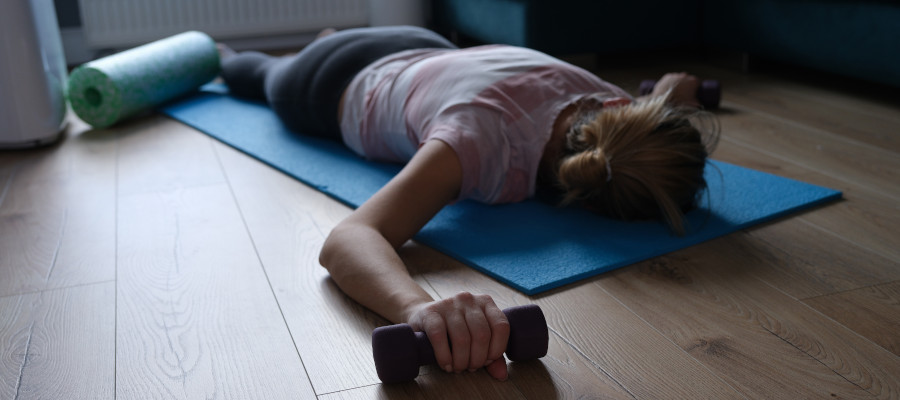
Final Thoughts
It’s easy to think that getting stronger is all about pushing harder, lifting heavier, or doing more. But that’s only half the picture.
The other half? Recovery. If you’re constantly sore, tired, or not seeing progress, your body might not need more workouts—it might just need more time to recover from the ones you’re already doing.
Muscle recovery after strength training is what actually allows your body to rebuild, adapt, and get stronger. Without it, you’re just breaking your body down over and over again without giving it the chance to catch up.
The good news is recovery doesn’t have to be complicated. It comes down to a few basics:
- Getting enough sleep
- Eating well (especially protein and carbs)
- Staying hydrated
- Moving your body gently on rest days
- Managing stress
When you stay consistent with these, you’ll likely notice:
- Less muscle soreness
- Better energy during workouts
- Faster progress over time
- Fewer injuries and burnout
And maybe most importantly, recovery helps you stay consistent. Because when your body feels better, it’s a lot easier to keep showing up. So instead of asking “Should I do more?”, a better question might be:
“Am I recovering well enough to actually benefit from my workouts?” Train hard, but recover smart that’s what really makes the difference.

Related posts:
 Fitness for Midsize Women: How to Start Your Fitness Journey Without Feeling Intimidated
 Realistic 5-Day Gym Plan for Midsize Women (Beginner Strength Training Routine)
 Leg Day Workout for Midsize Women — Strong, Functional & Beginner‑Friendly
 Fitness Goals for Midsize Women: Do You Want to Be Skinny or Strong?
 Chest and Shoulder Workout for Women





Leave a Reply