Leg day can feel a little intimidating, especially if you’re a midsize woman just getting started at the gym, I’ve been there. It’s about building strength, improving mobility, and feeling capable in your body every single day.
This beginner-friendly leg day plan targets all the major lower-body muscles, quads, hamstrings, glutes, and calves while keeping it simple, doable, and totally approachable. By the end of the session, you’ll feel stronger, more balanced, and proud that you showed up for yourself.
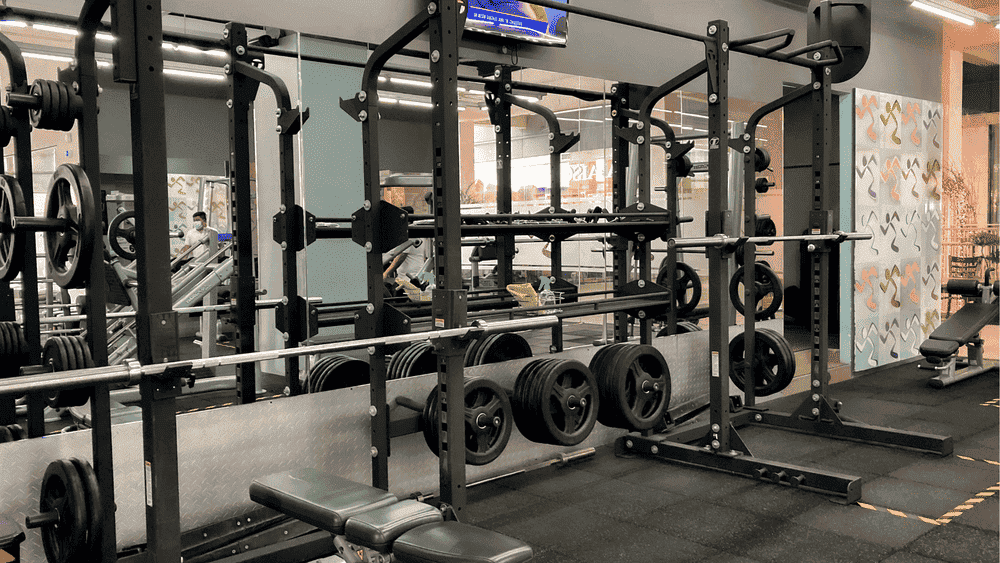
Why Leg Day Matters for Midsize Women
Our legs are the foundation for almost every movement we do. Strengthening your quads, hamstrings, glutes, and calves helps with:
- Balance and stability – makes daily movements safer
- Posture and core support – strong legs support your whole body
- Energy for everyday life – climbing stairs, walking, and lifting feel easier
- Confidence in movement – you’ll feel more capable in your body
Leg strength isn’t just about looks, it’s about feeling strong, capable, and confident in your day-to-day life.
How to Approach Leg Day
- Warm up first: 5–10 minutes of light cardio or dynamic stretches wakes up your muscles and prevents soreness. Simple moves like leg swings or glute bridges make a big difference.
- Focus on form: Perfecting movement is more important than heavy weights. When your body learns the movement, you build strength safely and consistently.
- Progress gradually: Add a little more weight, extra reps, or another set over time. Slow, steady progress wins.
Beginner-Friendly Leg Day Workout
This leg day plan uses progressive overload, a proven method that gradually challenges your muscles to grow stronger. You’ll build strength in all major lower-body muscle groups.
1. Warm-Up (5–10 Minutes)
Warming up wakes your muscles, increases blood flow, and gets your body ready to move with confidence.
- Light cardio (treadmill, bike, or brisk walk) – 3–5 min
- Glute bridges – 2 × 12–15
- Leg swings (front/back & side/side) – 10–15 each
- Bodyweight squats – 1–2 sets of 10
2. Main Workout
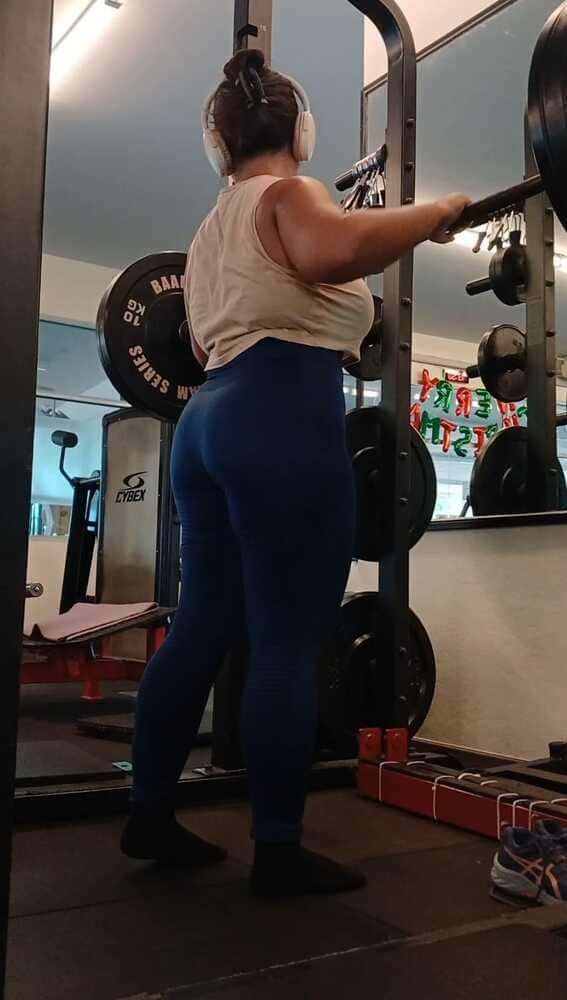
a. Squats (Barbell or Goblet)
- 4 sets × 12 → 10 → 8 → 6 reps
- Builds quads, glutes, and core strength
- Tip: Focus on depth and alignment, weight comes later.
b. Romanian Deadlift (RDL)
- 3–4 sets × 8–10 reps
- Targets hamstrings, glutes, and lower back
- Tip: Keep a slight bend in your knees and hinge from the hips.
c. Hip Thrusts
- 3–4 sets × 8–10 reps
- Glutes and hip strength
- Tip: Squeeze your glutes at the top and move in a controlled rhythm.
d. Step-Ups
- 3 sets × 10–12 reps per leg
- Improves balance and functional strength
- Tip: Pick a step height that challenges you without straining your knees.
3. Simple Cool-Down (5–7 Minutes)
Cooling down reduces soreness and improves flexibility, helping you feel ready for your next session.
- Quad stretch – 20–30 sec per leg
- Hamstring stretch – 30 sec
- Glute stretch – 20–30 sec per side
- Calf stretch – 20–30 sec per leg
Details Exercises
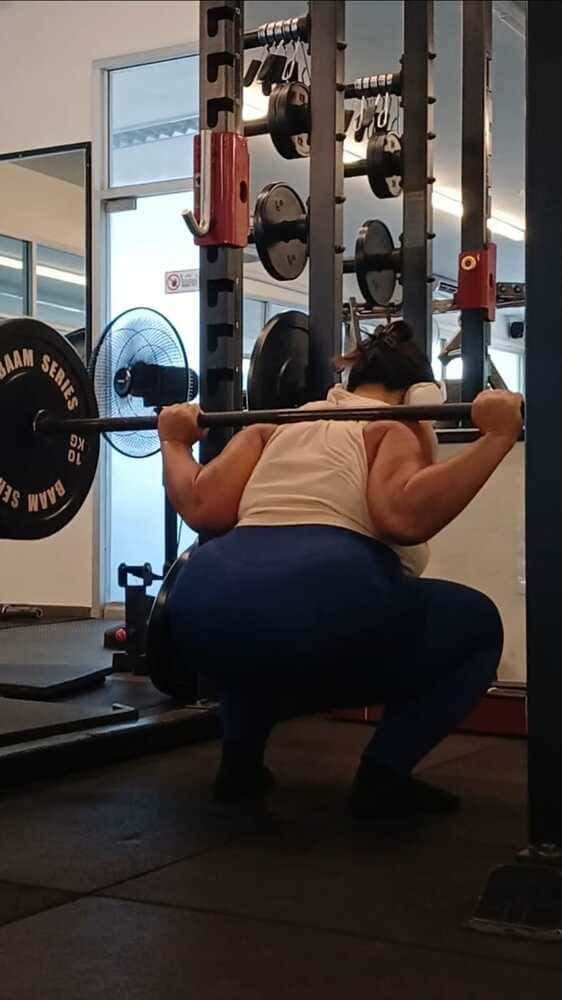
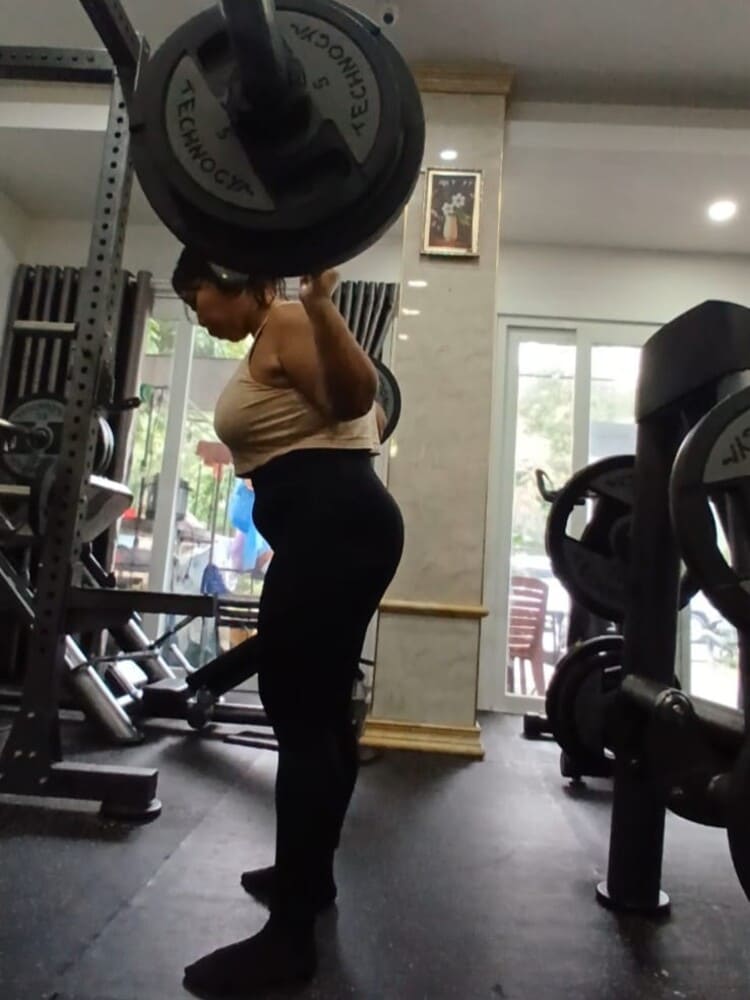
1. Barbell Back Squat
Primary focus: Quads, glutes, core.
The back squat is a full-body powerhouse. It builds strength, improves posture, and reinforces your body’s ability to sit, stand, lift, and move more confidently.
Instructions:
- Start with bodyweight or an empty bar to warm up.
- Keep your chest lifted, core braced, and feet shoulder-width.
- Lower until thighs are parallel (or slightly below), push through your heels to return to standing.
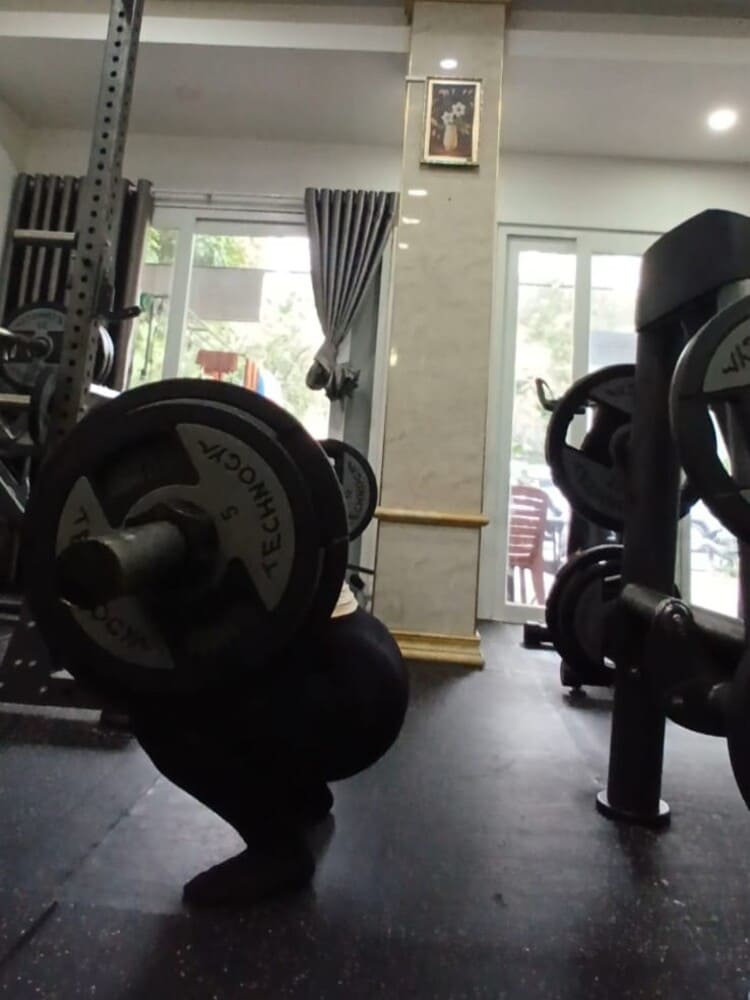
Progression tip: Increase weight weekly in small increments (2.5–5 kg) as long as your form stays solid. Filming your set can help identify posture breakdowns.
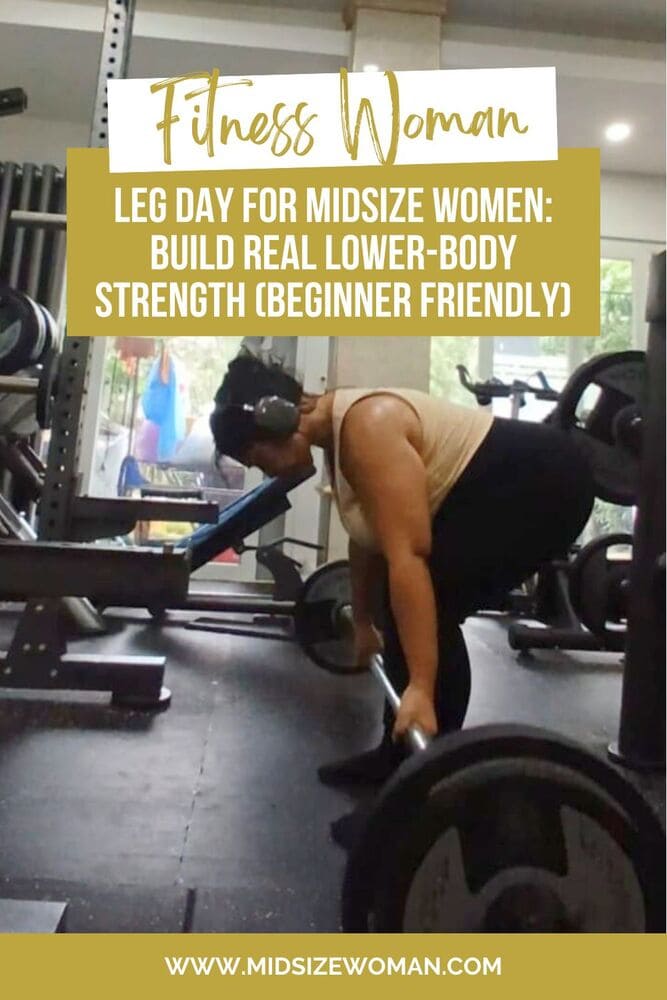
2. Romanian Deadlift (RDL)
Primary focus: Hamstrings, glutes, lower back
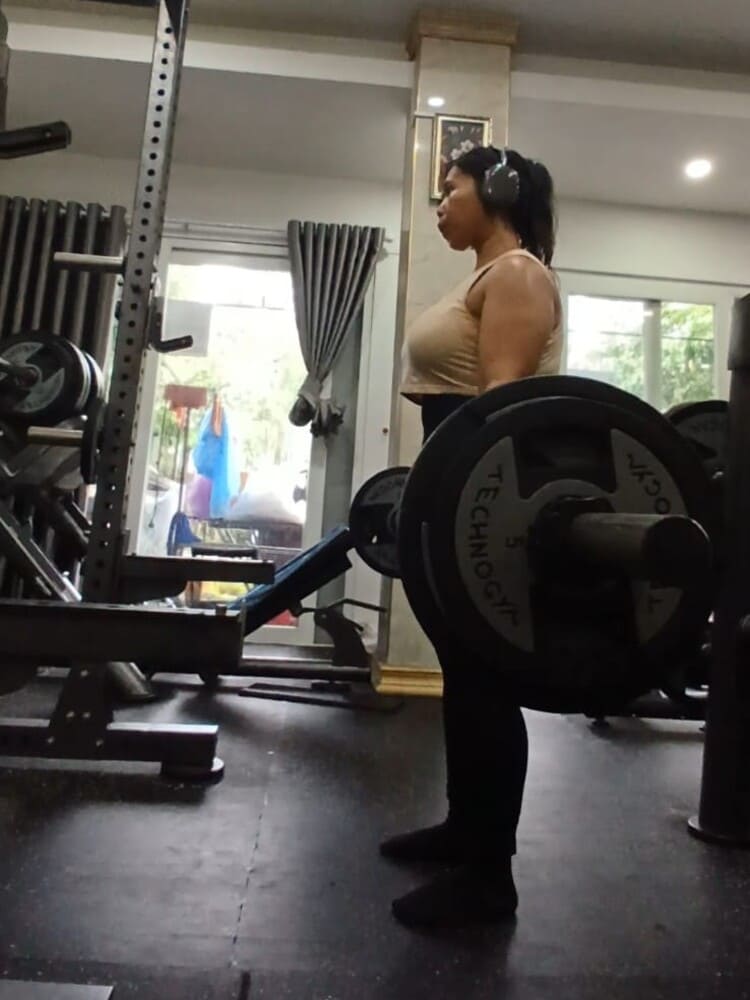
RDLs strengthen the entire posterior chain, the backside of your body which is essential for preventing injury, improving posture, and developing functional strength for bending and lifting.
Instructions:
- Stand with feet hip-width, holding dumbbells or barbell in front of thighs.
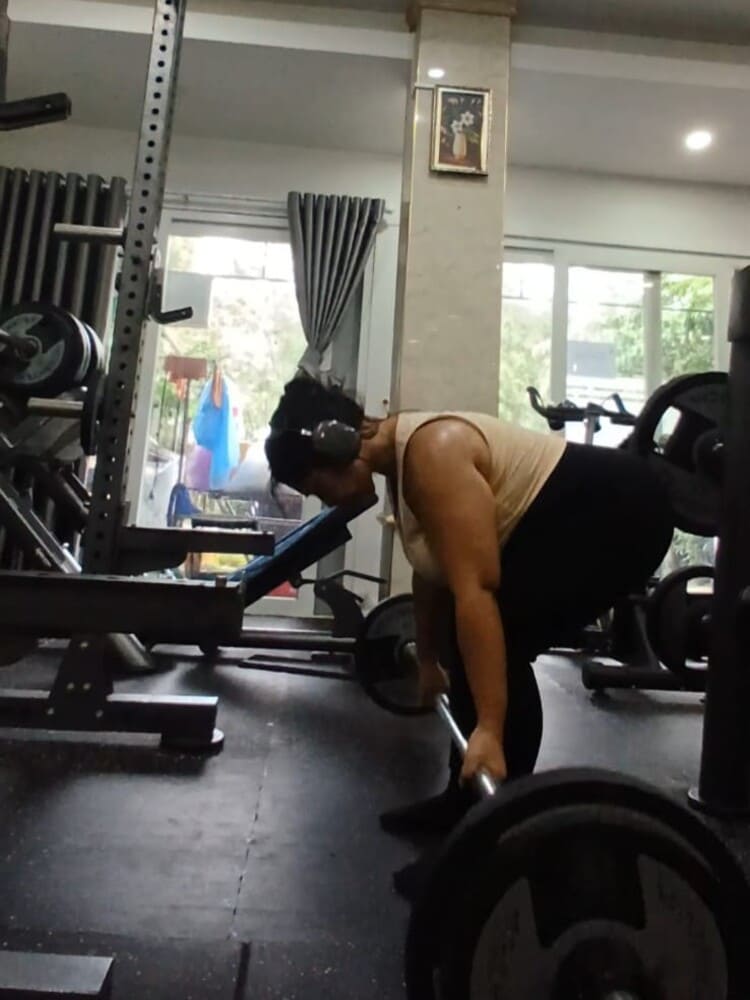
- Soften your knees, hinge at your hips (not your lower back).
- Lower the weight slowly while keeping your spine neutral.
- Stop just below knees or mid-shin, then squeeze glutes to return.
Form cue: Think “hips back” instead of “bend down.” You should feel a deep stretch in your hamstrings not pressure in your lower back.
3. Hip Thrust
Primary focus: Glutes
One of the best exercises for glute activation. Strong glutes support your hips, reduce knee strain, and enhance lower-body power. Perfect for midsize women working on posture and lower-back support.
Instructions:
- Sit on the floor with your back against a bench or box, barbell over your hips.
- Roll the bar over your legs and position it at your hip crease.
- Drive through your heels, lift your hips, and squeeze your glutes hard at the top.
- Lower with control and repeat.
Progression tip: Add weight slowly and increase the pause at the top for more time under tension.
At-home swap: Dumbbell hip thrust or glute bridge from the floor.
4. Step-Ups
Primary focus: Quads, glutes, balance, coordination
Step-ups mimic real-world movement like climbing stairs or getting up from a low seat. They also strengthen each leg independently, helping correct imbalances.
Instructions:
- Stand in front of a bench or sturdy box (knee height or slightly lower).
- Step up with your right foot, drive through your heel, and bring your left foot to meet it.
- Lower back down with control.
- Alternate legs or complete all reps on one side before switching.
Optional: Hold dumbbells at your sides for added resistance.
Balance tip: Keep your torso upright and your core engaged, don’t use momentum.
Gym Tips for Midsize Woman
Notes:
- Form always > load: Never sacrifice technique for heavier weight. Start where your body feels safe and build from there.
- Track your progress: Write down your weights, sets, and reps so you can build week over week.
- Breathe intentionally: Inhale before each rep, exhale during the effort (as you stand/squeeze/lift).
- If you’re new: Start with 2–3 sets per exercise and build to 4 as your recovery improves.
If you’re nervous about lifting alone, ask someone to spot you or record your form, it builds confidence fast.
What I Do After Lifting
After my strength work, I usually add some light cardio:
- 30 mins treadmill walk (incline 14, speed 4)
- Or a 2 km walk outside to clear my head
- Or just a walk through the store (yes, grocery walks count too)
Details Cool Down (5–7 Minutes)
Your workout isn’t complete without a proper cool down. This short routine helps prevent stiffness, supports circulation, and signals your nervous system that it’s time to shift into recovery mode.
Do this right after your workout:
- Standing Quad Stretch: Stand tall, grab your ankle, pull heel toward your glutes, hold 20 seconds per leg.
- Seated Hamstring Stretch: Sit with legs straight, reach toward your toes, hold 30 seconds.
- Glute Stretch (Lying or Sitting): Cross one ankle over opposite knee, lean forward or pull leg in, hold 20–30 seconds per side.
- Calf Stretch (Wall or Step): Press one heel into the ground behind you, lean into wall, hold 20–30 seconds per leg.
- Deep Breathing (Relax & Reset): Inhale slowly through your nose for 4 seconds, exhale through your mouth for 6 seconds, repeat 3–4 times.
Tip: If you’re tight, foam roll your quads or glutes for 1–2 minutes each. Totally optional but it feels great!
FAQ Section
Q: How often should midsize women train legs?
A: 1–2 focused leg days per week is a great place to start, allowing time for recovery and progress.
Q: Do I need to lift heavy to see results?
A: Not necessarily. Consistency, form, and gradual progression matter more than how heavy you lift.
Q: What if I feel uncomfortable at the gym?
A: Everyone starts somewhere. Focus on your routine, use headphones, or go during off-peak hours for space and ease.
Final Thoughts
Leg day isn’t just another workout, it’s a way to build a body that supports you in everyday life.
For midsize women, the benefits go beyond muscles. Each session is a reminder that showing up for yourself matters. Small wins, an extra rep, better form, or slightly heavier weight, add up over time, boosting both strength and self-belief.
Leg workouts also protect your joints, improve balance, and support long-term mobility. Some days will feel harder than others, and that’s okay, what matters is consistency. Over time, your legs get stronger, your movements smoother, and your confidence higher.
Embrace leg day, celebrate progress, and remember: every workout is a step toward a stronger, healthier, more confident you.

Related posts:
 Fitness for Midsize Women: How to Start Your Fitness Journey Without Feeling Intimidated
 Back and Biceps Workout for Midsize Women: A Beginner-Friendly Routines
 Fitness Outfits for Women: Feel Comfortable & Confident
 3-Day Push Pull Legs Workout for Women
 How to Recover from Strength Training (Without Burning Out)






Leave a Reply