Most women skip chest and shoulders… or just do a couple of light dumbbell moves and call it a day.
That’s not enough.
If you want a balanced, strong, put-together body not just “legs and glutes only” you need to train your upper body properly too. And honestly, once you start, you’ll wonder why you avoided it for so long.
This chest and shoulder workout for women keeps it simple, doable, and actually effective.
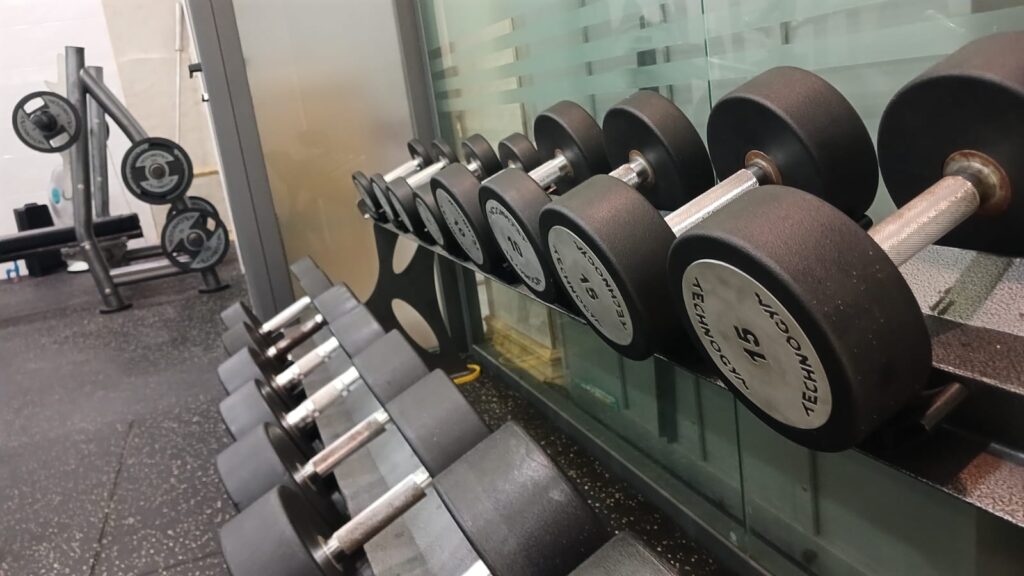
Why You Shouldn’t Skip Chest and Shoulders
There’s this idea that chest training is optional for women.
It’s not.
Your chest and shoulders are involved in almost everything, pushing, lifting, carrying, even maintaining good posture. Ignoring them just creates imbalance.
Training these muscles helps:
- Improve posture (less slouching, more upright)
- Build real upper body strength for everyday movements
- Create a more balanced, athletic look
- Support other lifts like squats and deadlifts
And no, you won’t get bulky. Women don’t have the hormone levels for that. You’ll just look more defined and feel stronger.
What This Workout Looks Like
This is a push workout, meaning it targets:
- Chest
- Shoulders
- Triceps (a little bonus)
You can do this:
- 1–2 times per week
- At the gym or at home (with small tweaks)
- In about 35–45 minutes
Simple, efficient, done.
Upper Body Warm-Up
Before you lift, you prep. A smart warm-up activates the exact muscles you’re about to train, wakes up the nervous system, and reduces injury risk.
| Exercise | Duration / Reps | Purpose | Form Tips |
|---|---|---|---|
| Arm Circles | 30 sec forward + 30 sec backward | Activates shoulders and increases blood flow | Start small, grow larger. Stay controlled. |
| Band Pull-Aparts | 2 × 15–20 reps | Primes rear delts and upper back | Keep arms straight, shoulder height. Squeeze shoulder blades. |
| Wall Angels | 2 × 8–10 reps | Improves shoulder mobility and posture | Keep back flat on wall. Slow, controlled reps. |
| Incline Walk or Row (Optional) | 2–3 min | Increases core temp and heart rate | Maintain good posture and breathing. |
Pro Tip: Never skip warm-ups. Even one round builds a stronger mind-muscle connection and helps you lift more efficiently.
The Workout (Chest + Shoulders)
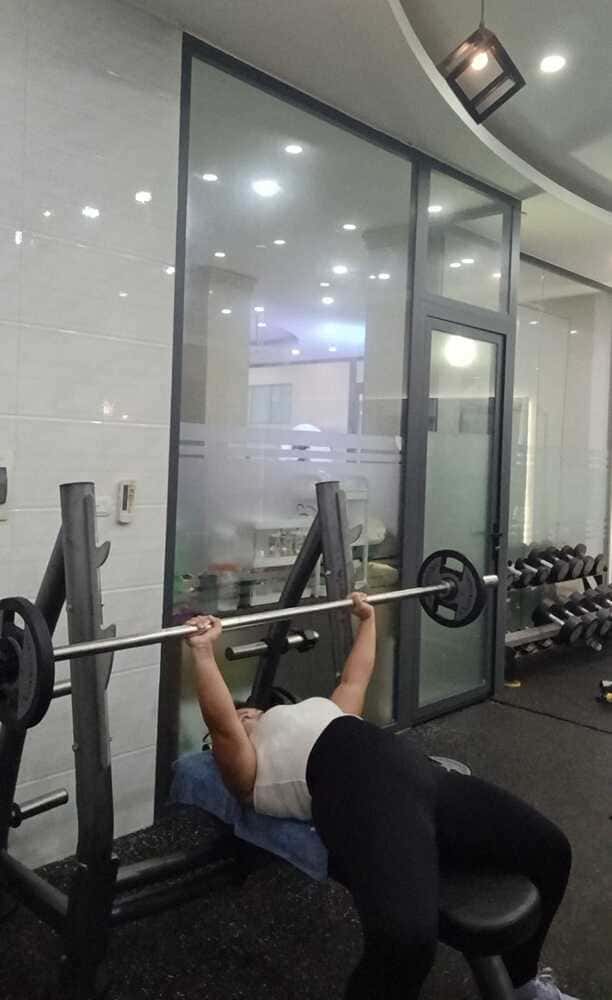
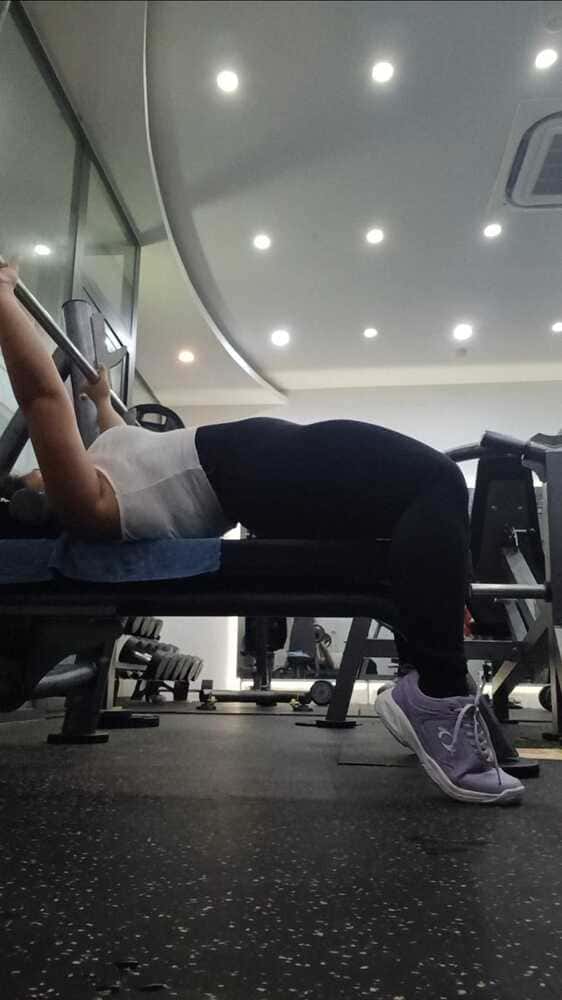
1. Bench Press (Dumbbells or Barbell)
This is your main lift. It trains your chest, shoulders, and triceps all at once, which is why it works so well.
Keep it simple:
- Lower slowly
- Press with control
- Don’t rush reps
- 3–4 sets × 6–8 reps
If barbell feels intimidating, dumbbells are completely fine.
2. Shoulder Press (Dumbbells)
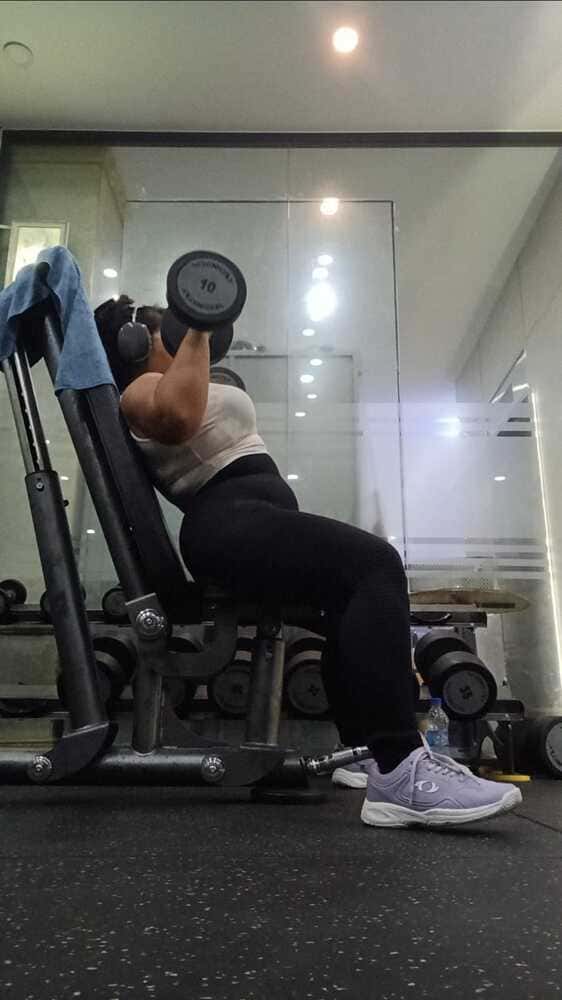
This is your go-to for shoulder strength.
You can do it:
- Seated → more stable
- Standing → more core involved
Focus on:
- Controlled movement
- No arching your back
- Keeping tension in your shoulders
- 3 sets × 8–10 reps
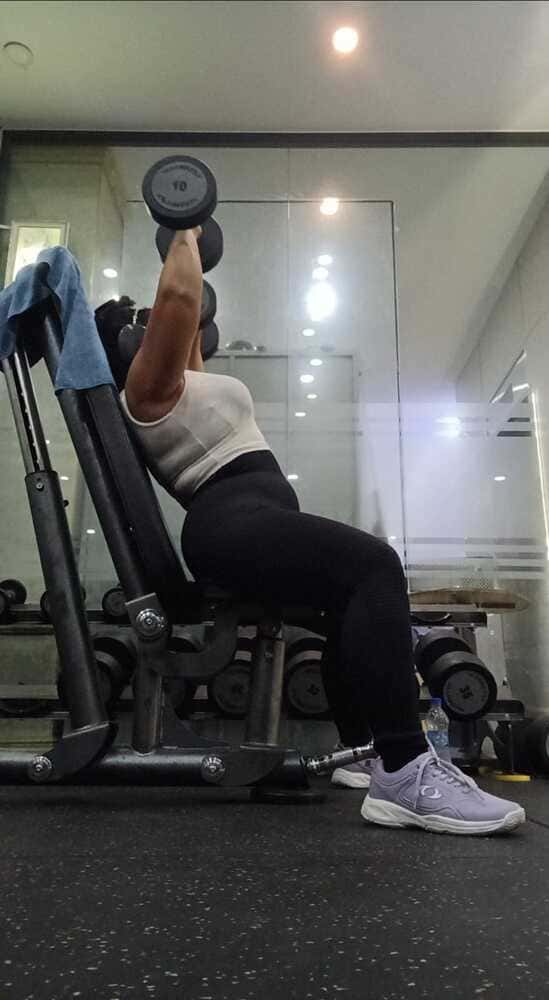
3. Incline Dumbbell Press
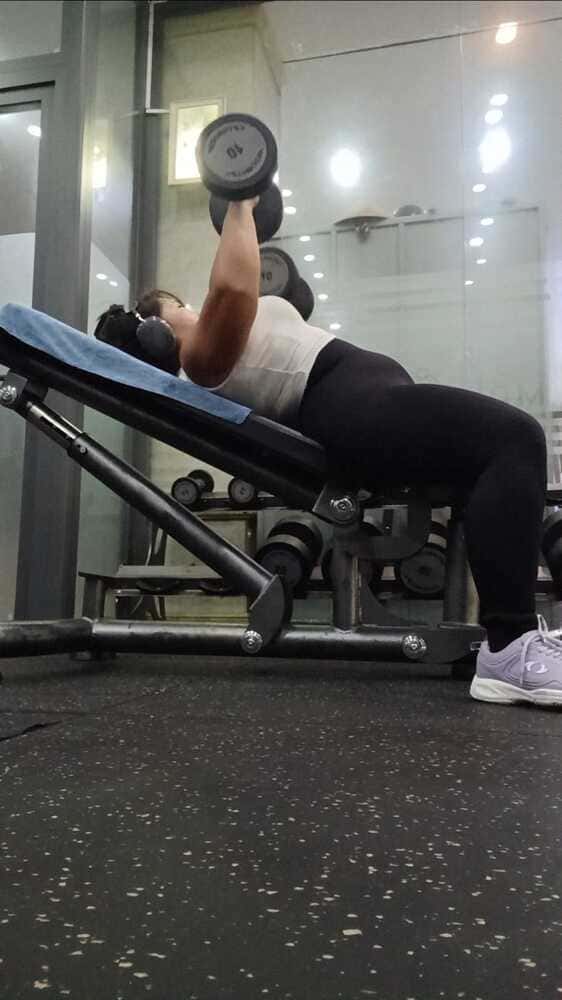
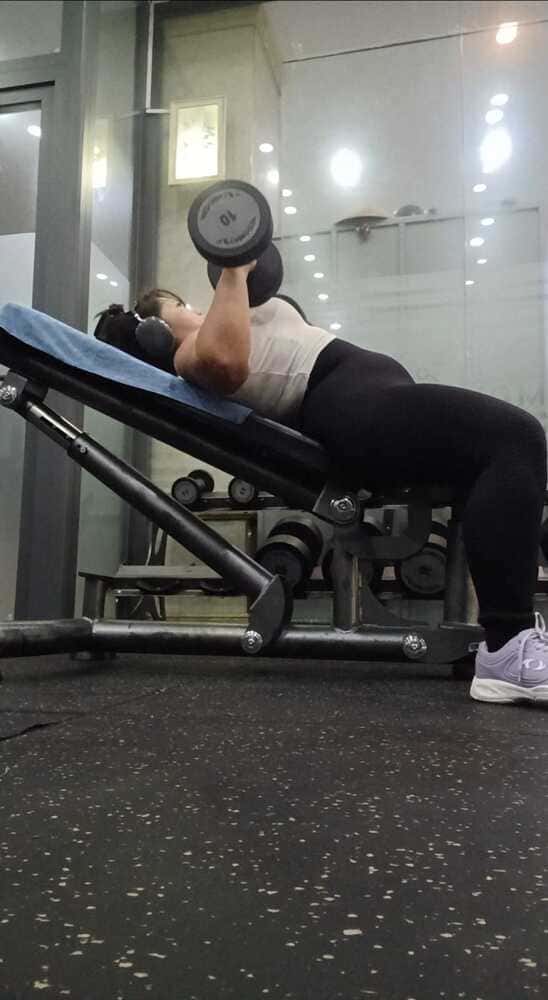
This targets your upper chest, which most people don’t train enough. Set the bench at a slight incline (not too high), and keep the movement controlled.
This one helps with:
- Upper chest shape
- Better posture
- More balanced development
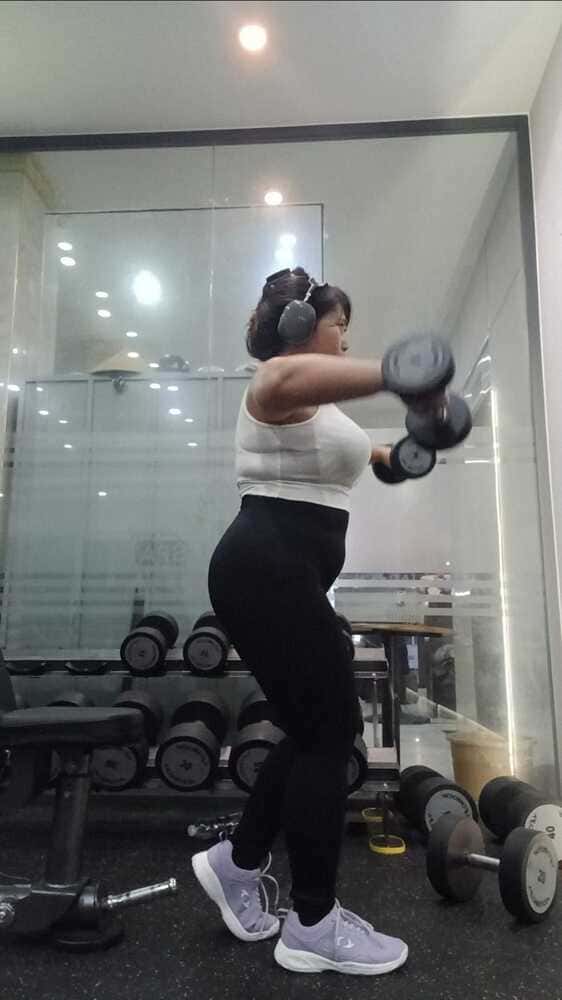
4. Lateral Raises
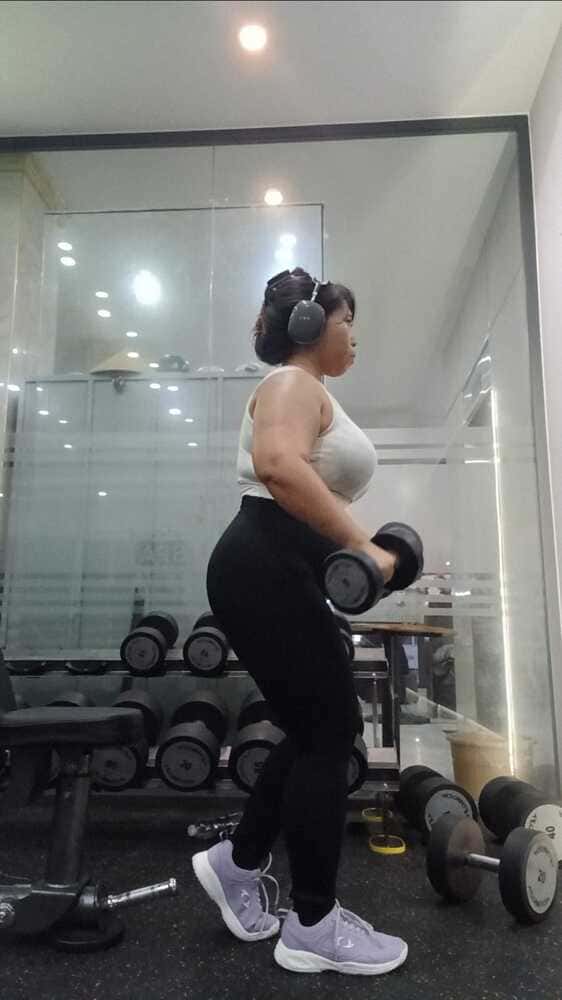
This is where your shoulders start to look more defined. Use lighter weights than you think you need.
Key tips:
- Slow reps
- Slight bend in elbows
- Don’t swing the weight
- 3 sets × 12–15 reps
This isn’t about going heavy. It’s about feeling the movement.
5. Push-Ups (Standard or Elevated)
Simple, but effective. If regular push-ups are too hard, elevate your hands on a bench or step. Same benefits, just more manageable.
This works your: All in one movement.
- Chest
- Shoulders
- Core
Progression Tips: How to Keep Getting Stronger Without Burning Out
Building strength isn’t about crushing yourself, it’s about being strategic and consistent. Here’s how to apply progressive overload without wrecking your recovery:
| Method | How to Apply | Why It Works | Pro Tip |
|---|---|---|---|
| Add weight | +2.5–5 lbs every 1–2 weeks | Signals muscles to grow | Only if form is flawless |
| Add reps/sets | Go from 8 → 10 reps or 3 → 4 sets | Increases training volume | Great for accessory work |
| Shorten rest | 60 sec instead of 90 | Boosts metabolic stress | Time your rest, don’t guess |
| Track workouts | Log weight, reps, RPE | Shows patterns & progress | Use apps like Strong or Fitbod |
| Deload | Every 4–6 weeks reduce load by 30–50% | Supports recovery & long-term gains | Use time for mobility, light cardio |
| RPE (Rate of Perceived Exertion) | Aim for 7–9/10 effort | Keeps intensity in check | Adjust based on energy/sleep |
Cooldown & Recovery (3–5 Minutes)
Training is only half the equation. Recovery is where growth happens. Use this time to restore mobility, reduce soreness, and honor the work you just did.
Cooldown Sequence:
| Stretch | Time | Targets | Tips |
|---|---|---|---|
| Doorway Chest Stretch | 30–45 sec per side | Pecs, shoulders | Step forward gently, relax the neck |
| Overhead Triceps Stretch | 30 sec per side | Triceps, lats | Keep ribs pulled down |
| Thread-the-Needle (Optional) | 30 sec per side | Upper back, rear delts | Rest shoulder and head on floor |
| Foam Roller Chest Opener | 1–2 min | Chest, thoracic spine | Let gravity open the chest |
Deep breathing = faster recovery. Inhale through your nose, exhale slow through your mouth.
Final Thoughts
If you’ve been skipping upper body workouts or just going through the motions, this is your sign to change that.
A good chest and shoulder workout for women doesn’t need to be complicated. You don’t need a long list of exercises or a perfect plan. You just need a routine you’ll actually follow.
This one works because it’s simple. You know what you’re doing, you’re not wasting time, and you’re hitting all the right muscles without overthinking it.
Start light if you need to. Take your time learning the movements. Some exercises might feel awkward at first—that’s normal. The more you do them, the better they’ll feel.
And once it clicks, you’ll notice the difference.

Related posts:
 Fitness for Midsize Women: How to Start Your Fitness Journey Without Feeling Intimidated
 Leg Day Workout for Midsize Women — Strong, Functional & Beginner‑Friendly
 Fitness Goals for Midsize Women: Do You Want to Be Skinny or Strong?
 Fitness Outfits for Women: Feel Comfortable & Confident
 How to Recover from Strength Training (Without Burning Out)






Leave a Reply