Rome has a way of making you want to stay out all day. One minute you’re tossing a coin into the Trevi Fountain, the next you’re wandering into a tiny cafe or stumbling across another beautiful piazza.
But while flights and hotels are easy to budget for, it’s often the smaller expenses that catch first-time visitors by surprise. They’re not scams or hidden fees, just everyday costs that many travelers don’t know about until they’re already there.
Don’t worry these hidden costs aren’t deal breakers. They’re just the little things that are easy to miss when you’re planning a trip. Here’s a quick overview before we dive into each one.
| Hidden Cost | Typical Cost | Can You Avoid It? |
|---|---|---|
| Coperto | €1–5/person | Usually no |
| Tourist Tax | Varies | No |
| Airport Transport | €6–14+ | Choose a cheaper option |
| Attraction Booking Fees | Varies | Book official tickets |
| DCC | Can be costly | Yes |
| Public Toilets | €1–2 | Sometimes |
| Daily Extras | Depends | Budget ahead |
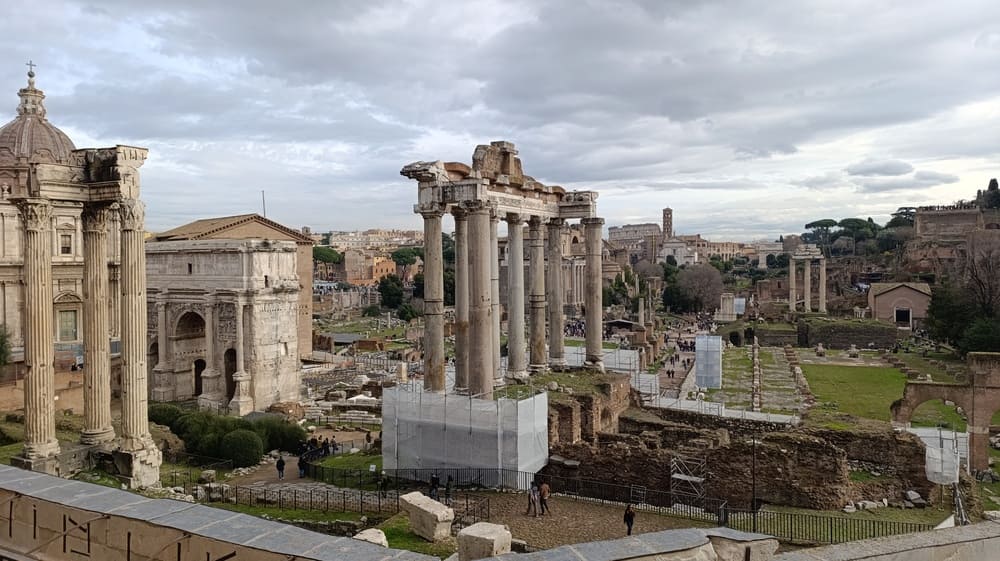
Before you pack your bag and travel to Rome, here are seven hidden costs detail in Rome that are worth knowing so you can budget smarter and enjoy your trip without any unexpected surprises.
1. Coperto (Restaurant Cover Charge)
One of the first things that caught me off guard in Rome was seeing an extra charge on the restaurant bill called coperto.
At first, I thought it was a tip but it’s actually a cover charge that many restaurants in Italy add for each person dining in. It usually covers things like table service, bread, and table settings, and you’ll often see it listed on the menu before you order.
The amount isn’t huge (usually around €1–€5 per person), but if you’re eating out a few times a day, it can definitely add up especially if you’re traveling with family or friends.
These days, I always take a quick look at the menu before sitting down just to see if there’s a coperto. It’s a tiny detail, but knowing it’s there means I can budget a little better and avoid wondering why the final bill is higher than expected.

2. Rome Tourist Tax
Another expense that often surprises first-time visitors is the Rome tourist tax. Even if you’ve already paid for your hotel online, don’t be surprised if you’re asked to pay a little extra when you check in or check out.
This city tax is charged per person, per night, and the amount depends on the type of accommodation you’re staying in. Some booking websites include it in the total price, while others clearly mention that it needs to be paid separately.
It’s not usually a huge amount, but it’s one of those small expenses that’s easy to forget when you’re planning your budget. I always double-check whether the tourist tax is included before booking a hotel, so I know exactly how much I’ll be paying when I arrive.
3. Airport Transportation
Getting from the airport to Rome city center is probably one of the first expenses you’ll have after landing, and the prices can vary more than you might expect.
If you’re arriving at Leonardo da Vinci–Fiumicino Airport (FCO), the Leonardo Express is the fastest and most convenient option. It’s a direct train to Roma Termini and perfect if you just want to get into the city quickly. But if you’re trying to keep your travel budget low, there are also airport buses that cost significantly less, they just take a bit longer depending on traffic.
There’s no right or wrong choice here. It really depends on your budget, how much luggage you’re carrying, and where your accommodation is. Before your trip, it’s worth comparing the different transport options instead of automatically booking the first one you see. You might save enough for an extra gelato… or two.
4. Attraction Booking Fees
Rome is one of those cities where booking attractions in advance is almost always a good idea, especially if you’re visiting during spring, summer, or other busy travel seasons.
While planning my trip, I noticed that the ticket price wasn’t always the final price. Some booking platforms add service or reservation fees, and if official tickets are sold out, you might end up buying from a reseller for even more.
Whenever I can, I compare prices with the official website first. It only takes a minute, and sometimes the savings are enough to cover lunch or another cup of coffee.
5. Paying in Your Own Currency
This one isn’t just a Rome thing, but it’s something you’ll probably come across while traveling in Italy.
When paying by card or withdrawing cash, the machine may ask if you’d like to pay in EUR or your home currency. Choosing your own currency might seem easier because you immediately know how much you’re spending, but it usually comes with a less favorable exchange rate through something called Dynamic Currency Conversion (DCC).
Now I always choose EUR and let my bank handle the conversion instead. It’s one of those tiny decisions that can save you money without changing anything else about your trip.
6. Paid Public Toilets
This probably isn’t something anyone thinks about before traveling, but some public toilets in Rome aren’t free.
You’ll find paid toilets in certain train stations, tourist attractions, and public facilities, usually costing around €1–€2 per visit. It doesn’t sound like much, but after a full day of sightseeing, it’s nice to know what to expect instead of being caught off guard.
I usually keep a few coins or a card handy just in case. It’s a small expense, but one that’s easy to forget when planning your daily budget.
7. The Little Extras That Add Up
It’s funny how the biggest budget surprises aren’t always the expensive things, they’re the little purchases you make throughout the day without thinking twice.
A morning coffee, an extra gelato, a bottle of water near a tourist attraction, luggage storage before your flight, or an audio guide at a museum might not seem like much on their own. But after a few days in Rome, those small expenses can add up faster than you expect.
I still think those little moments are part of the fun of traveling, and I wouldn’t tell anyone to skip them. I just like setting aside a bit of extra budget for them, so I can enjoy the trip without constantly checking my bank balance.
Before You Go: A Quick Checklist
Before you zip up your suitcase, take a minute to run through this list. A little preparation now can save you from a few unexpected expenses once you’re in Rome.
- Check if your hotel price includes the Rome tourist tax or if you’ll need to pay it separately.
- Learn what coperto is so you won’t be surprised when you get the restaurant bill.
- Compare airport transport options before you arrive instead of booking the first one you see.
- Book popular attractions through the official website whenever possible.
- Always choose EUR (€) when paying by card to avoid unnecessary currency conversion fees.
- Carry a reusable water bottle to refill at Rome’s public drinking fountains instead of buying bottled water.
- Leave a little extra room in your budget for the small things like coffee, gelato, luggage storage, or other unexpected expenses.
That’s it! Nothing complicated, but knowing these little details ahead of time can make your trip smoother and help you stick to your travel budget.
Frequently Asked Questions
It depends on your travel style, but Rome doesn’t have to be expensive. If you plan your accommodation, transportation, and attraction tickets in advance, you can manage your budget well. The biggest surprise for many first-time visitors is usually the smaller daily expenses, like restaurant cover charges and the city tourist tax.
Tipping isn’t expected in the same way it is in countries like the United States. Many restaurants already charge a coperto, which is a cover charge per person. If you receive excellent service, leaving a small tip is appreciated but completely optional.
Most restaurants, cafés, shops, and attractions accept credit or debit cards. However, it’s still a good idea to carry a small amount of cash for places like markets, some public toilets, or smaller local businesses.
Yes! Rome has hundreds of public drinking fountains called nasoni, and the water is safe to drink. Bringing a reusable water bottle can help you save money while exploring the city.
Besides your accommodation and attraction tickets, I’d recommend setting aside around €10–20 per day for smaller expenses like coperto, public transport upgrades, coffee, gelato, public toilets, or other unexpected costs. Your actual spending will depend on your travel style.
For many first-time visitors, it’s coperto because it’s something they don’t expect to see on the restaurant bill. Another commonly overlooked expense is the Rome tourist tax, which is often paid separately at your accommodation.
Would I Visit Rome Again?
Without a doubt.
Rome isn’t a perfect city, but that’s part of its charm. It’s busy, a little chaotic at times, and yes, there are a few extra costs that can catch first-time visitors by surprise. But none of them took away from the experience.
If anything, knowing about these hidden costs beforehand would have made the trip even more enjoyable. A little extra planning means fewer surprises and more room to simply enjoy wandering through the streets, eating incredible pasta, and ending the day with a gelato in hand.
So yes, I’d happily visit Rome again. And if it’s your first time, I hope this guide helps you feel a little more prepared and saves you from a few “I wish I’d known that earlier” moments along the way.
Also Read:
- How to Travel Carry-on Only: Everything I Fit in One 50L Backpack
- What Is a Dummy Ticket? Everything Travelers Need to Know
- FlixBus Review: Is It Worth Using for Travel in Europe?

Related posts:
 Vienna Travel Guide: Best Things to Do & Tips for First-Time Visitors
 Bratislava in One Day: Complete Guide, Things To Do & Travel Tips
 Sofia Travel Guide for First-Time Visitors: Tips, Budget & Things to Do
 Sultanahmet, Istanbul: Complete Guide to Hagia Sophia, Blue Mosque & Top Attractions
 Is Plovdiv Worth Visiting? The Perfect Day Trip from Sofia