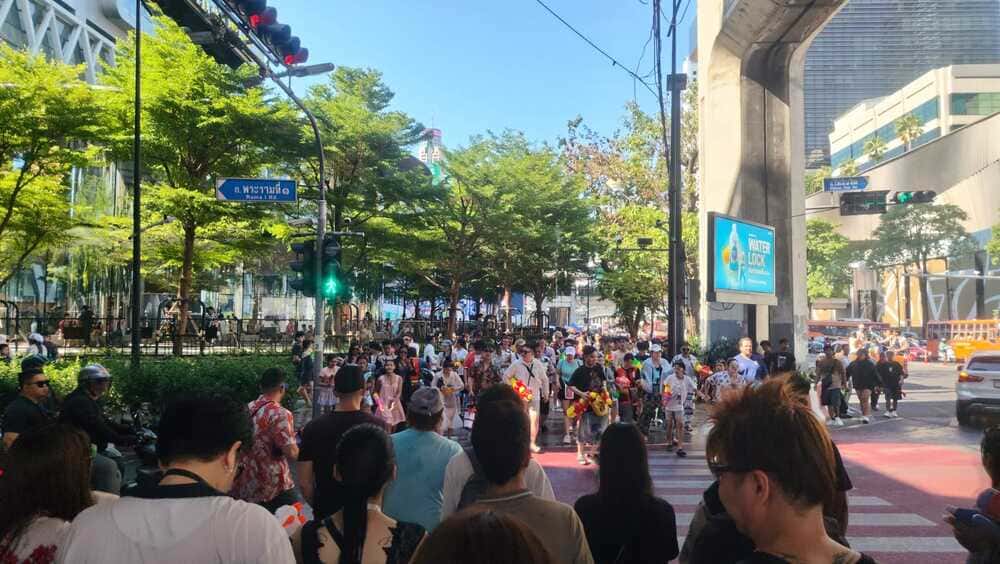
Spending a month in Southeast Asia is very different from taking a one-week vacation.
When you’re staying somewhere for longer, you start caring about things you might not even think about on a short trip. Is the accommodation comfortable? Can I find good food nearby? How easy is it to get around? Is there somewhere I can work? And most importantly, can I actually imagine myself enjoying my everyday life here?
After spending extended periods in Southeast Asia, I’ve realized that the best place for a one-month stay isn’t necessarily the cheapest or the most popular.
For me, it’s the place where I can settle into a routine without feeling bored.
I’ve spent longer periods in several of the places on this list, while others are destinations I’d recommend based on what they offer for a longer stay. So rather than ranking them from best to worst, I’m sharing what makes each one worth considering.
If you’re looking for a destination where you can slow down, work remotely, explore at your own pace, or simply experience what it’s like to temporarily live somewhere new, these are some of the places I’d look at first.
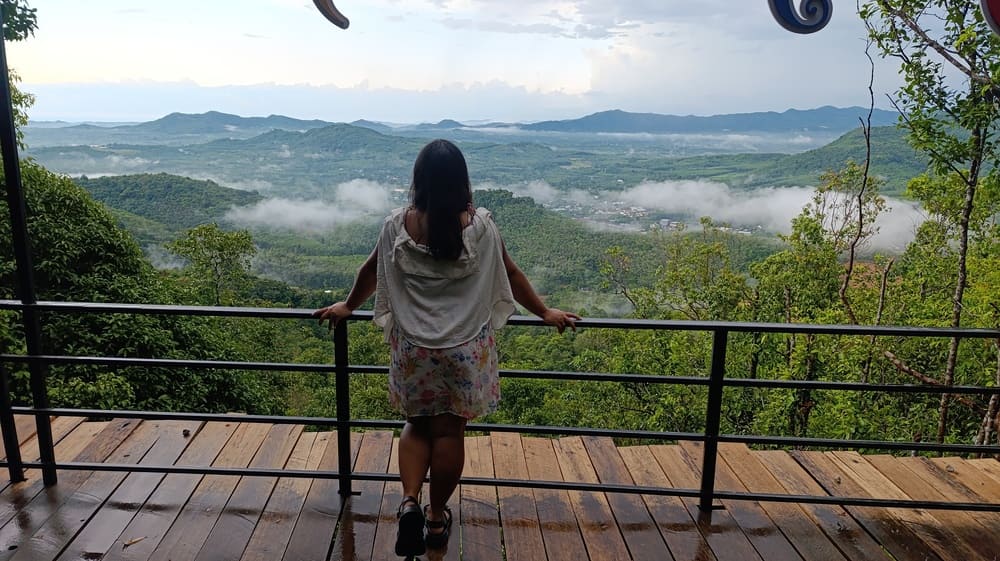
The Best Places at a Glance
| Destination | Why I’d Consider Staying a Month |
|---|---|
| Chiang Mai, Thailand | Easy routine, cafés, food, and nature |
| Koh Lanta, Thailand | Relaxed island life |
| Hat Yai, Thailand | Local life and great food |
| Bali, Indonesia | Social life, cafés, and variety |
| Phu Quoc, Vietnam | Quiet routine and beaches |
| Da Nang, Vietnam | Beach and city life |
| Kuala Lumpur, Malaysia | Everyday convenience |
1. Chiang Mai, Thailand
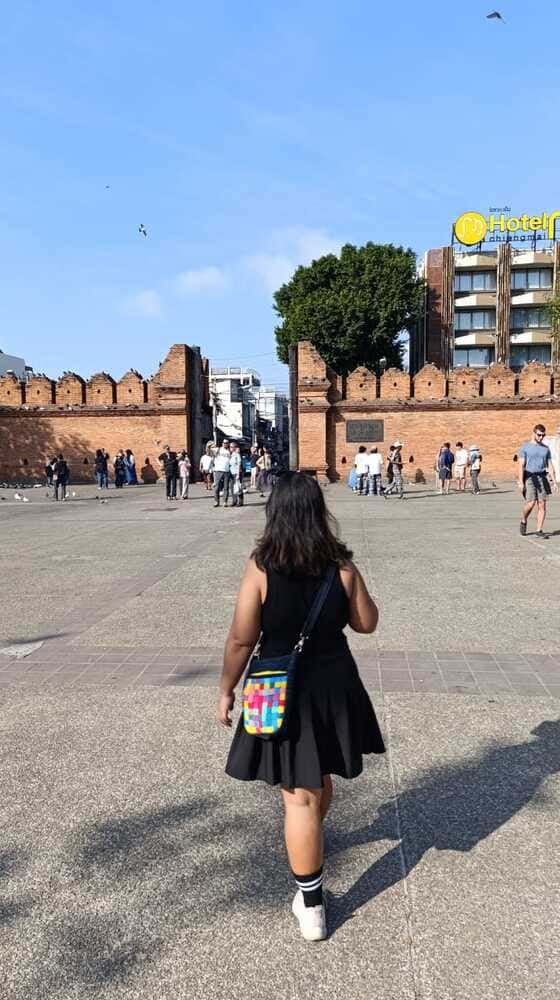
Chiang Mai is probably one of the first places I’d think about if someone asked me where they could spend a month in Southeast Asia.
What I like about Chiang Mai is that you don’t have to choose between having things to do and having a slower routine.
You can spend the morning working from a café, grab lunch somewhere local, explore the old city in the afternoon, and have plenty of quiet days where you don’t really do much at all.
There are markets, restaurants, cafés, gyms, temples, and plenty of day trips, so staying for a month doesn’t mean you’ll run out of things to explore.
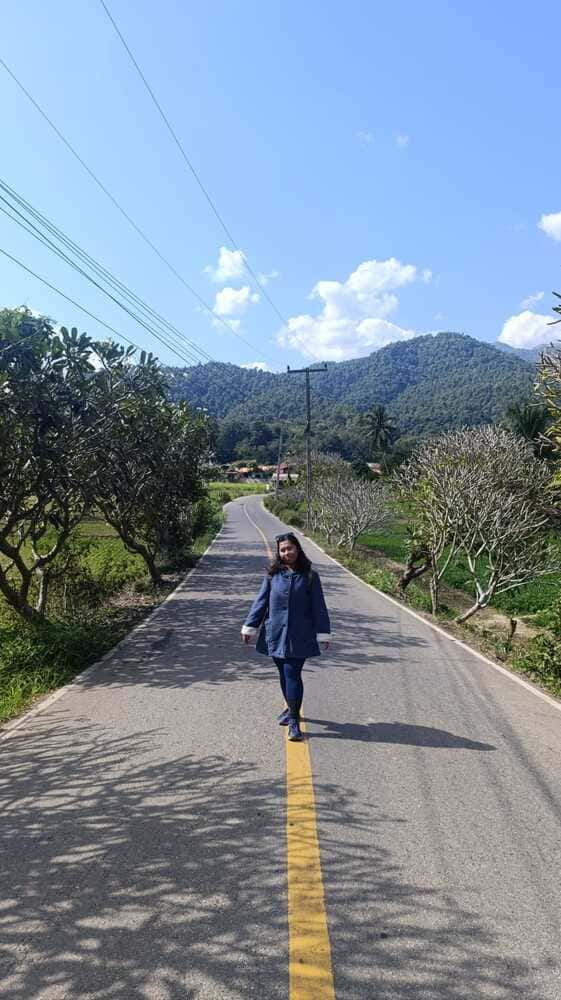
And when you want a change of scenery, the mountains are right there.
I’ve spent time living in Chiang Mai, and it was one of the places that changed how I think about slow travel. I wrote more about the ultimate northern Thailand adventure.
That’s what makes Chiang Mai work so well for a longer stay. You can create a routine without feeling like you’ve completely stopped traveling.
One thing I’d check before booking is the air quality. Burning season can affect northern Thailand during certain months, so your travel dates matter here.
2. Koh Lanta, Thailand
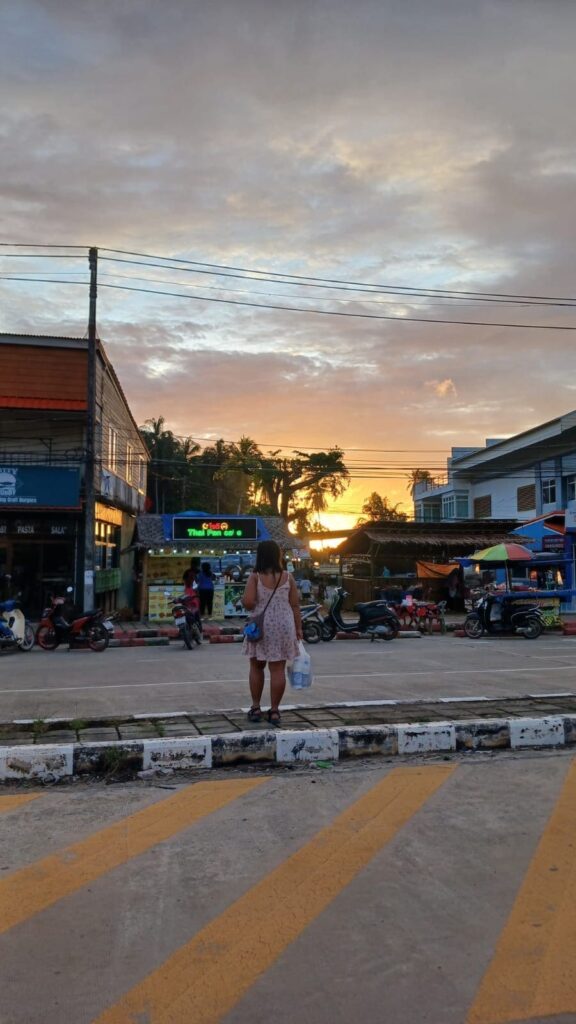
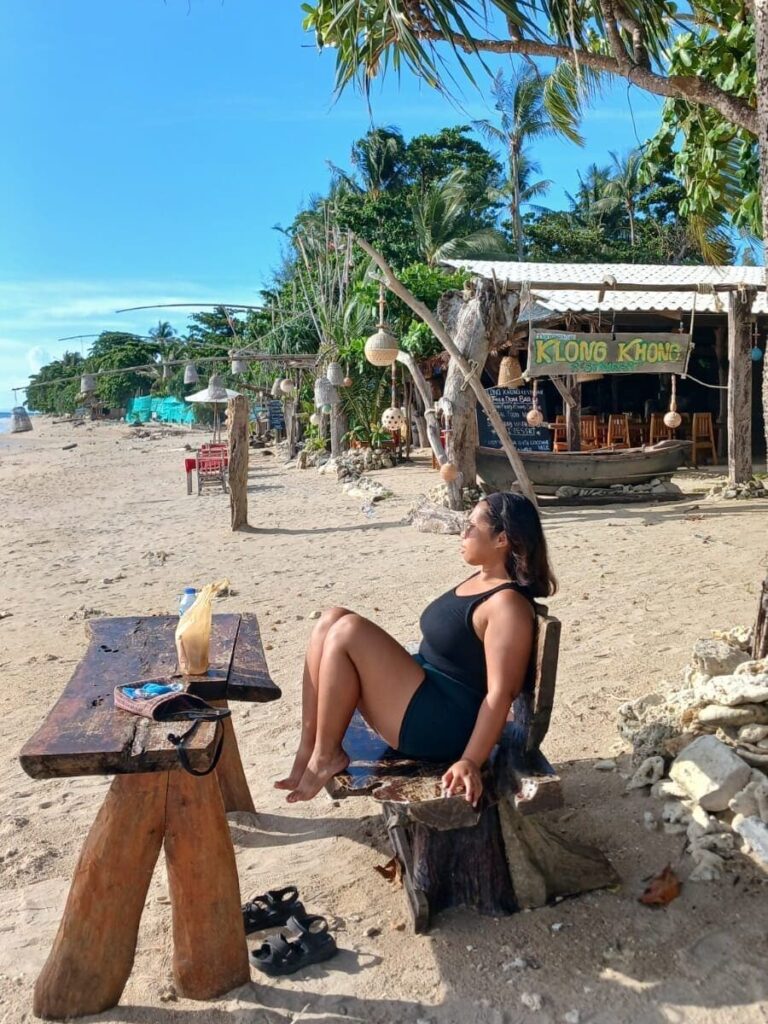
Out of the places I’ve stayed in Thailand, Koh Lanta is probably one of the easiest places for me to slow down.
Compared with some of Thailand’s more famous islands, it feels much more relaxed. There are still beautiful beaches, cafés, restaurants, and enough things to do, but I never felt like I had to fill every day with activities.
When I stayed there while working remotely, my days naturally became quite simple.
I’d work from a café in the morning, explore somewhere on the island in the afternoon, and usually end the day by the beach.
And honestly, that’s exactly what I wanted.
Koh Lanta also works well for a longer stay because you have enough everyday conveniences without losing that island feeling.
It’s one of the places I wrote about in my article Slow Living in Thailand: 4 Places That Changed the Way I Travel, where I go into more detail about why Koh Lanta became one of my favorite places to slow down.
If you’re the kind of traveler who would rather have a normal Tuesday by the beach than another packed sightseeing day, I think you’d understand why I liked it here.
3. Hat Yai, Thailand
Hat Yai probably isn’t the first destination that comes to mind when people talk about spending a month in Southeast Asia.
And that’s exactly why I wanted to include it.
I’ve spent time in Hat Yai, and what I enjoyed most was how different it feels from Thailand’s famous beach destinations. It’s a proper local city rather than a place built primarily around international tourism.
One of the biggest reasons I’d come back is the food.
Hat Yai has a really interesting mix of Thai, Chinese, Malay, and Muslim influences, and you can eat incredibly well without spending much. I’ve written a whole Hat Yai food guide covering everything from fried chicken and khao mok gai to dim sum, patongo, roti, and other local dishes.
But food isn’t the only reason I’d consider staying longer.
Hat Yai feels like a place where you can simply get on with everyday life. Go to the market, find somewhere for breakfast, work for a few hours, meet friends for dinner, and explore the surrounding area when you feel like it.
I also like its location in southern Thailand. From Hat Yai, you can continue toward Malaysia or use it as a base for exploring more of the south.
Would I choose it if I wanted a huge digital-nomad community or endless coworking spaces? Probably not.
But if you want to experience a more local side of Thailand and don’t need your destination to constantly entertain you, Hat Yai is worth considering. Sometimes the less obvious destinations are the ones that make the most interesting long stays.

4. Bali, Indonesia
Bali is probably the most obvious destination on this list, but I understand why it became so popular for longer stays.
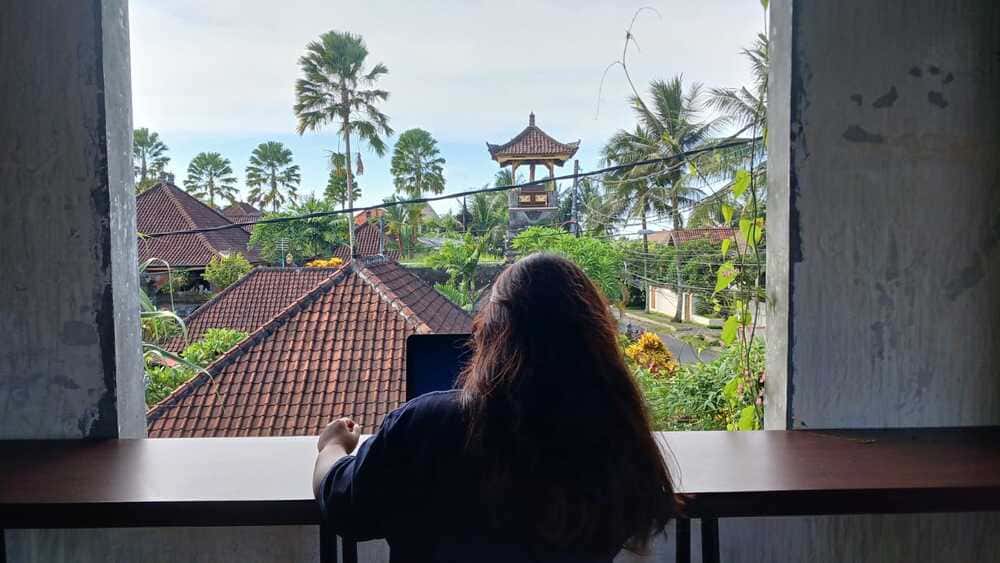
I’ve spent a full month traveling slowly around Bali, staying in Jimbaran, Ubud, and Denpasar. Instead of trying to see everything, I gave myself time to settle into each place, eat local food, work, and simply enjoy having slower days. I also recently cameback to Sanur and stayed there for another 1 month.
I wrote about the experience in One Month in Bali: My Honest Slow Travel Guide (Budget, Digital Nomad & Local Tips)
One thing that stood out to me was how easy it is to build a routine.
You can find a café to work from, a gym nearby, your favorite warung, a place to meet other travelers, and still have plenty of options for what to do after work.
That’s something I really enjoy about Bali.
It’s not just about the beaches. It’s the fact that you can build a little life there. At the same time, Bali can feel completely different depending on where you stay. Jimbaran isn’t the same as Ubud, and Ubud isn’t the same as Canggu.
So if you’re staying for a month, I’d choose your area carefully instead of treating the whole island as one destination.
Bali also isn’t the super-cheap destination some older travel guides make it sound like. My own month-long budget was around Rp16.2 million, including accommodation, food, scooter rental, and activities, although everyone’s spending will be different.
For me, Bali works particularly well when you want your month to include both work and a social life.
5. Phu Quoc, Vietnam
After spending 28 days in Phu Quoc, I think the island works best when you don’t try to do too much.
I originally came here because I wanted somewhere I could work remotely, spend time by the beach, and have a slower routine.
And that’s pretty much what my month looked like.
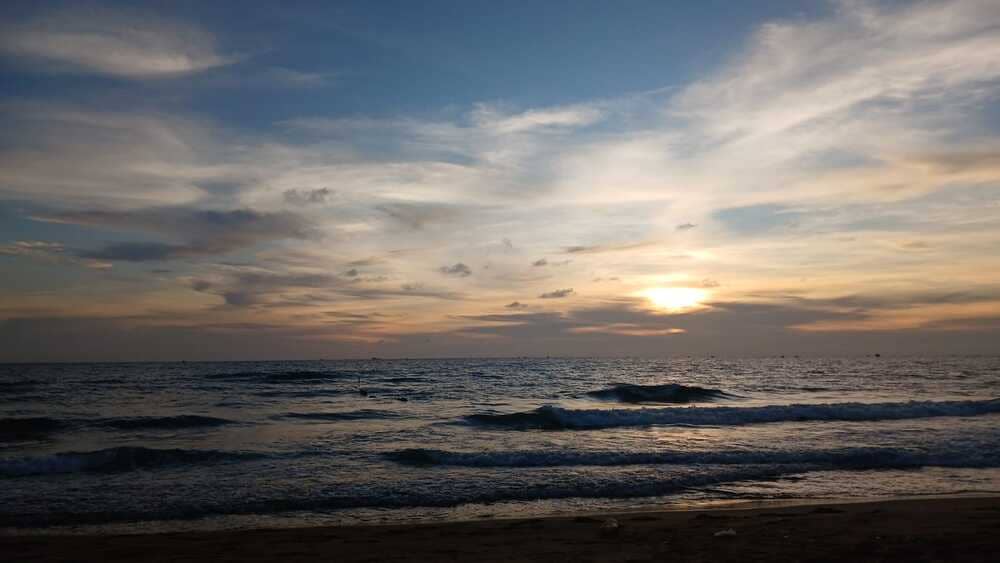
Most days were simple. I’d work from my accommodation or a café, take my scooter out when I wanted to explore, grab food somewhere nearby, and spend time at the beach.
I wasn’t trying to visit a new attraction every day, and honestly, that was the part I enjoyed most.
I wrote about the experience in my Phu Quoc Digital Nomad Guide, including where I stayed, what working remotely was like, transportation, cafés, and what I actually did during those 28 days.
Phu Quoc doesn’t have the same busy digital-nomad scene as Bali or Chiang Mai.
But for me, that wasn’t a problem. Iactually liked that there wasn’t always somewhere new I felt I had to go.
After a while, I had my favorite café, my usual routes, and a few beaches I kept going back to. It started to feel less like a holiday and more like I was temporarily living there.
If that’s what you’re looking for, Phu Quoc can be a really nice place to spend a month. The main thing I’d consider is transportation. The island is spread out, so having a scooter makes everyday life much easier.
For me, that’s really the trade-off with Phu Quoc: less happening, but also less pressure to keep doing something. And for a one-month stay, I found that surprisingly nice.
6. Da Nang, Vietnam
Da Nang is one of those places that makes sense for a longer stay because everyday life is relatively simple.
You can stay close to the beach while still having supermarkets, cafés, restaurants, gyms, and other things you need nearby. That’s probably the biggest reason I’d consider Da Nang for a month.
You can have a slow morning by the beach, work from a café, go out for Vietnamese food, and still have plenty of places to explore when you feel like getting out of your routine.
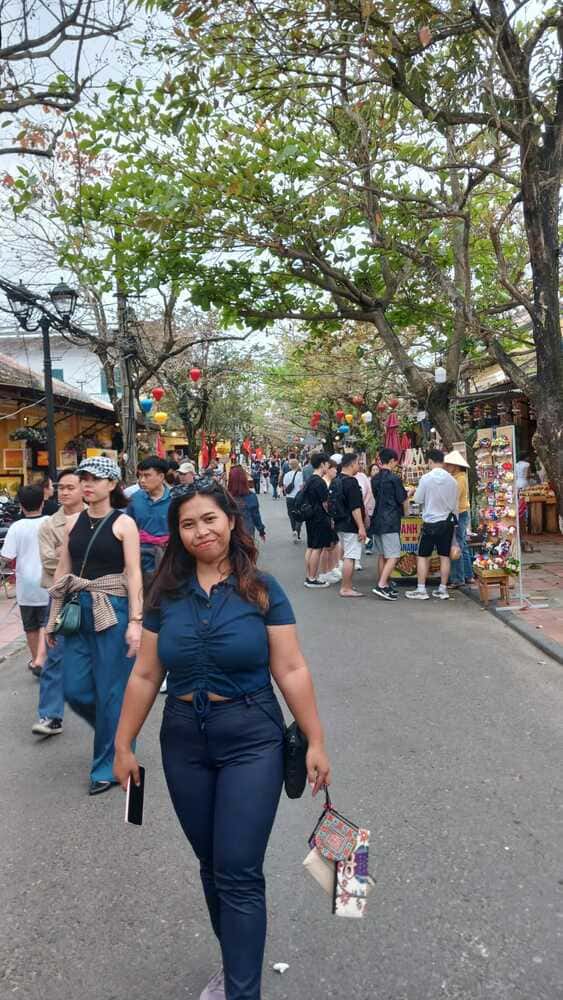
I also like that you can use Da Nang as a base for exploring central Vietnam. Hoi An is an easy day trip, and the Hai Van Pass gives you another reason to get out of the city.
I’ve written a Da Nang travel guide covering where to stay, getting there, things to do, Hoi An, and the Hai Van Pass.
The weather is something I’d pay attention to before booking. Da Nang has a distinct rainy season, so your experience can be very different depending on when you visit. But if you want the beach without giving up the convenience of a proper city, Da Nang is one of the places I’d put high on the list.

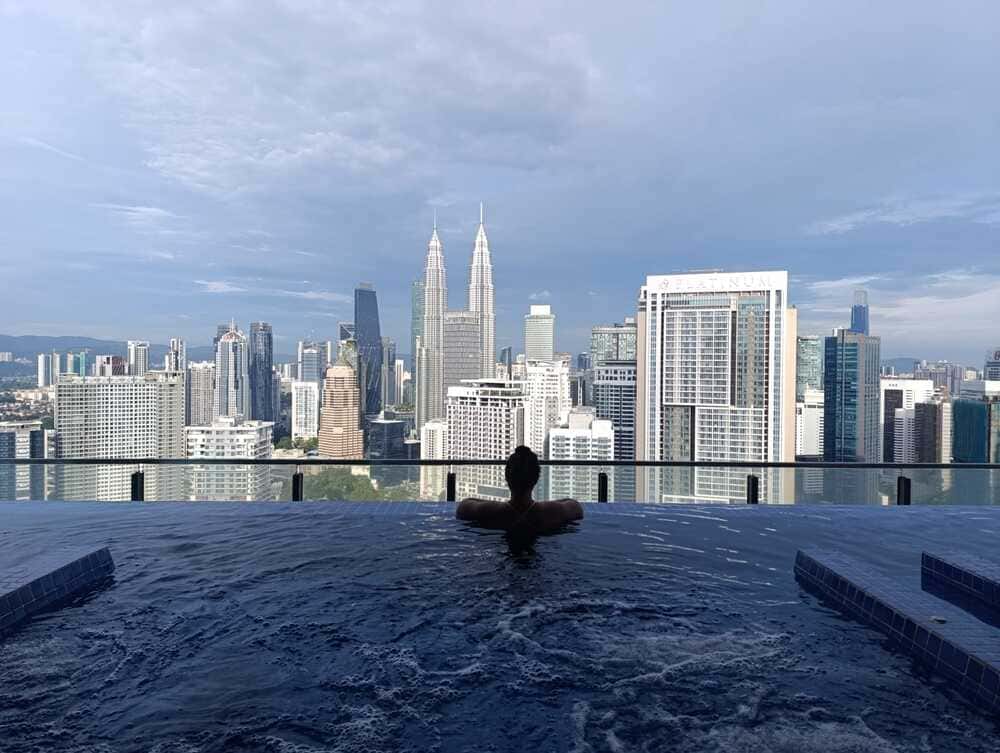
7. Kuala Lumpur, Malaysia
Kuala Lumpur isn’t the destination I’d choose if my main goal was to spend a month on the beach.
But for everyday life, it’s incredibly convenient.
You have public transportation, shopping malls, supermarkets, international restaurants, cafés, and pretty much every service you might need during a longer stay. That becomes much more important after a couple of weeks.
When you’re traveling for a few days, you don’t really care where the nearest supermarket is. When you’re staying for a month, you suddenly do.
Kuala Lumpur is also a useful base for exploring Malaysia and taking short trips elsewhere in Southeast Asia.
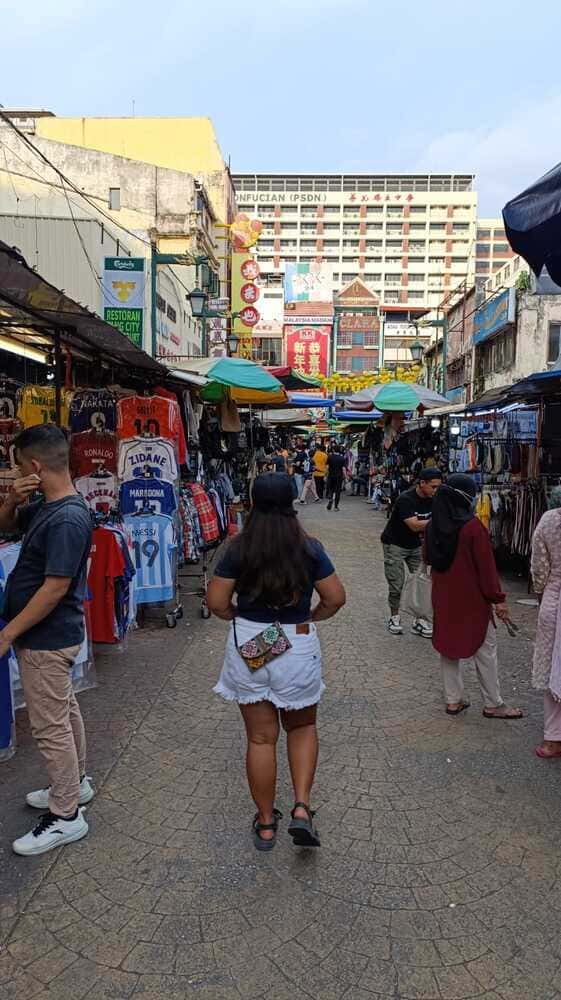
The food is another big reason I’d consider staying here. Malaysian, Chinese, Indian, and international food are all easy to find, so eating out doesn’t have to become repetitive.
The trade-off is that Kuala Lumpur feels much more like a major city than a tropical escape.
If you want beaches and slow island days, I’d choose somewhere else. If you want a comfortable city where daily life is easy, Kuala Lumpur makes a lot of sense.
What Makes a Good One-Month Destination?
A place can be fantastic for a one-week holiday and not work nearly as well for a one-month stay. When you’re staying longer, I’d look beyond the tourist attractions.
Accommodation
For a month, having a comfortable place to live matters much more than it does on a short trip.
I’d look for somewhere with enough space to unpack, a comfortable bed, reliable Wi-Fi, and access to laundry.
I also wouldn’t be afraid to spend a little more on accommodation if it means being somewhere I’ll actually enjoy coming home to every day.
Food
You’ll probably eat out more often during a long stay, so having plenty of affordable food options nearby can make a huge difference. I also like having a mix of local places and cafés rather than relying on tourist restaurants every day.
Transportation
You don’t want to spend half your month figuring out how to get around.
Before booking, I’d look at whether you can realistically get around by public transport, walking, scooter, or a combination of the three. This matters even more on islands. A beautiful apartment can suddenly feel inconvenient if every trip outside costs money and takes 30 minutes.
Your Daily Routine
This is probably the biggest thing I think about now.
Ask yourself:
Can I imagine waking up here every day? Is there somewhere I can get coffee? Can I exercise? Work? Buy groceries? Go for a walk?
Those everyday details matter much more when you’re staying for a month.
Things to Do Beyond the Tourist Attractions
You don’t need 50 attractions.
You need enough variety that you won’t get bored after two weeks. A good one-month destination should give you opportunities to explore, but also make it easy to have completely ordinary days.
That’s actually one of the things I enjoy most about slow travel.
How Much Money Do You Need for a Month in Southeast Asia?
There’s no single answer.
Your accommodation and lifestyle will make the biggest difference, and I wouldn’t trust a generic “Southeast Asia costs $X per month” number too much.
For example, during my month in Bali, I spent around Rp16.2 million on accommodation, food and drinks, scooter rental, activities, and entrance fees.
That worked for my travel style at the time. Someone staying in a more expensive area, eating at restaurants every day, or booking nicer accommodation could easily spend much more.
On the other hand, staying in a simple guesthouse, eating mostly local food, and staying in one place can bring your costs down.
Your biggest expenses will usually be:
- Accommodation
- Food and drinks
- Transportation
- Activities
- Flights
- Travel insurance
- SIM or eSIM
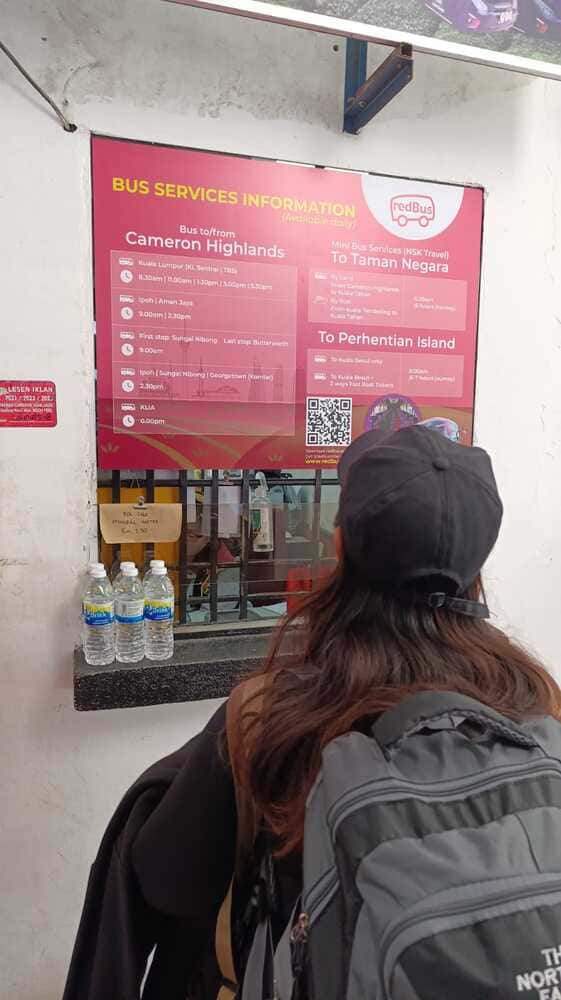
One of the biggest advantages of staying for a month is that you don’t have to pay for constant transportation between destinations.
You’re not checking out every three days, taking another bus, booking another hotel, and spending money just to move somewhere new. Sometimes staying longer is actually the cheaper way to travel.

Should You Stay in One Place for a Full Month?
I think it’s worth trying at least once.
When you stay somewhere for only a few days, you’re constantly checking maps, packing, checking out, and figuring out where to go next.
After a couple of weeks in one place, something changes. You know where to get breakfast. You have a favorite café. You recognize the streets around your accommodation.
You start knowing which supermarket is cheapest and which restaurant you keep coming back to. You stop feeling like you’re visiting and start feeling like you’re temporarily living there.
That’s the part of slow travel I enjoy most.
You don’t have to spend every day sightseeing for a month to have a meaningful travel experience. Sometimes the best travel days are the completely ordinary ones.
Frequently Asked Questions
Yes, but I wouldn’t try to see the whole region in one month.
There are plenty of one-month itineraries that combine several countries, but if your goal is to actually slow down, I’d rather choose one or two countries and spend more time in fewer places. Even current travel guides acknowledge that trying to fit too much into a month can turn the trip into a lot of transfers.
There isn’t one universal answer because accommodation can change the budget dramatically.
Instead of choosing purely based on the cheapest destination, I’d compare the total cost of accommodation, food, transportation, and your normal daily routine.
Absolutely. The region has a well-established network of affordable accommodation, local food, transportation, cafés, and destinations that work well for longer stays.
But the experience varies a lot. A month in Bali will feel completely different from a month in Hat Yai or Kuala Lumpur.
If your goal is to see as much as possible, moving around makes sense.
If your goal is to actually experience what it’s like to live somewhere, I’d stay longer.
Personally, I’ve become much more interested in the second option over the past few years.
If you’re not sure, I’d start with Chiang Mai for a balance of everyday convenience, food, cafés, nature, and things to do.
But if you’re dreaming about beaches, I’d look at Koh Lanta, Phu Quoc, Da Nang, or Bali instead.
Final Thoughts
There isn’t one perfect place to spend a month in Southeast Asia.
For a relaxed island routine, I’d look at Koh Lanta. For a city where it’s easy to build a routine, Chiang Mai is hard to beat. For local food and a more everyday side of Thailand, Hat Yai is worth considering.
If you want a more social month with plenty of cafés and things happening, Bali makes sense.
For a quieter island experience, I’d choose Phu Quoc. And if you want the beach without giving up city conveniences, Da Nang is a great option. For pure everyday convenience, Kuala Lumpur is difficult to ignore.
But if there’s one thing I’ve learned from spending longer periods in Southeast Asia, it’s this:
A good destination isn’t necessarily the one with the longest list of things to do. It’s the one where you can imagine enjoying your ordinary days, too.

Related posts:
 Sailing in Labuan Bajo: My Honest Guide to Komodo Island
 Tokyo Disneyland One Day Itinerary for First-Time Visitors
 Phu Quoc Digital Nomad Guide: Where I Stayed, Worked, and Slowed Down for 28 Days
 Pakse Loop vs Thakhek Loop: Which Laos Motorbike Route Is Better?
 Budapest Travel Guide: Best Things to Do in Buda and Pest