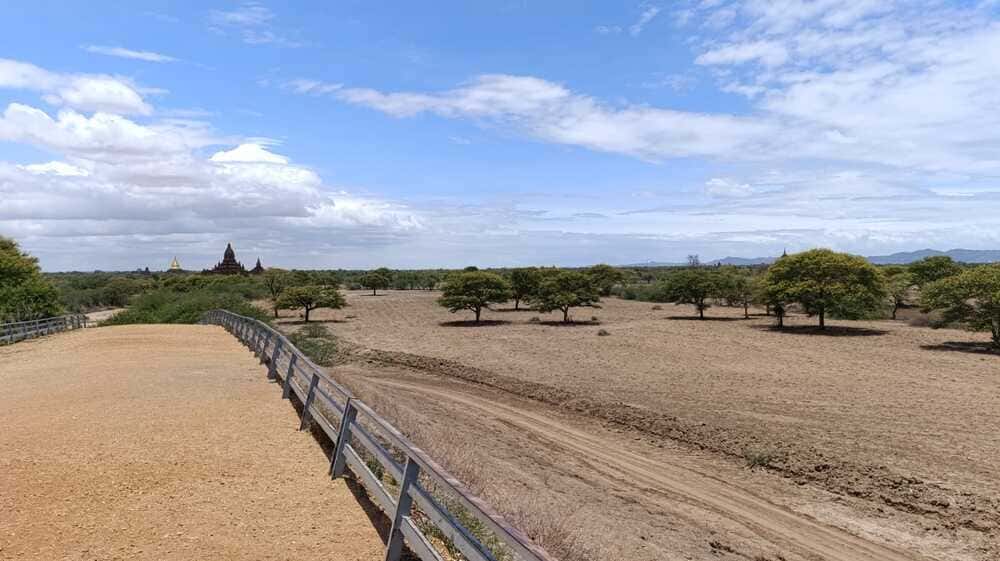
Southeast Asia is one of my favorite parts of the world to travel around.
I’ve spent years traveling through countries like Thailand, Vietnam, Indonesia, and Malaysia, and most of my experiences have been completely positive.
But like anywhere popular with tourists, scams do happen.
That doesn’t mean you need to be suspicious of everyone you meet. Most people you’ll encounter are simply going about their day, and I’ve had far more good experiences than bad ones.
The useful thing about travel scams is that many of them are surprisingly predictable.
Someone creates a sense of urgency. They tell you something you can’t easily verify. Then they try to get you to pay for something. Once you recognize that pattern, it’s much easier to step back and say no.
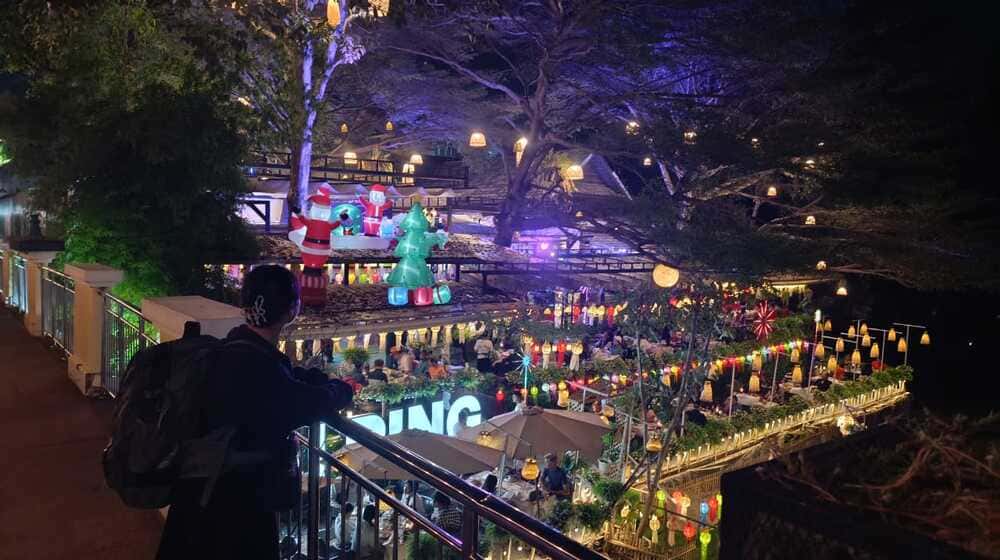
Here are 12 common tourist scams in Southeast Asia, how they work, and what I do to avoid them.
1. The “Attraction Is Closed” Scam
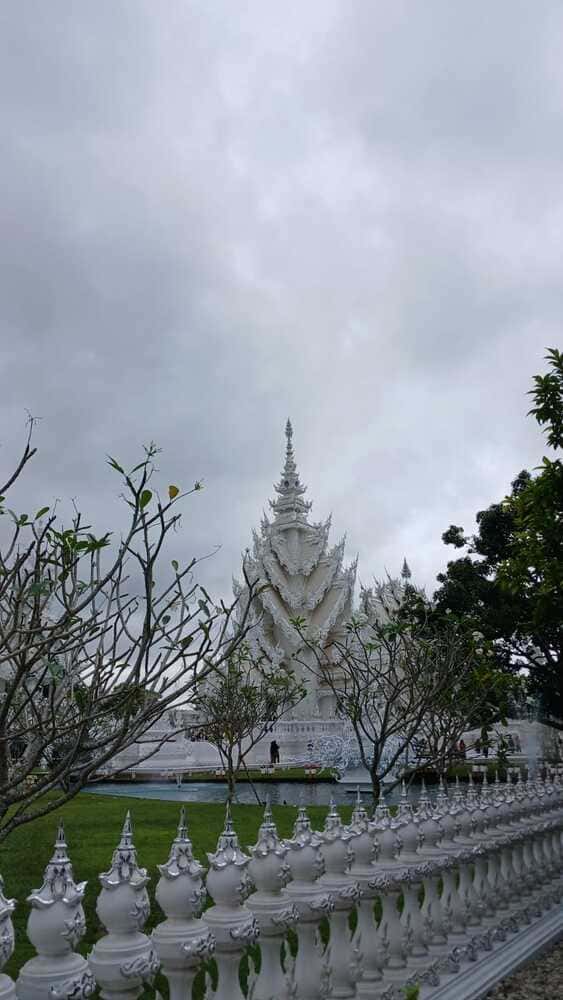
This is probably one of the most famous tourist scams in Southeast Asia, especially around major attractions in Bangkok.
You arrive near a temple or tourist attraction and someone approaches you before you reach the entrance. They tell you the attraction is closed for a holiday, ceremony, renovation, or special event.
Then comes the helpful part:
They know somewhere else you should visit. A tuk-tuk is conveniently nearby. And suddenly you’re on your way to a different temple, a tailor, or a jewellery shop.
The original attraction may have been completely open.
How to avoid it
If someone you don’t know tells you an attraction is closed, don’t immediately change your plans.
Walk to the official entrance and check for yourself. You can also check the attraction’s official website or current opening information before leaving your accommodation.
This is particularly important around Bangkok’s major temples and tourist sites, where versions of this scam have been documented for years.
2. The “Broken Meter” Taxi Scam
You get into a taxi, ask to use the meter, and the driver suddenly tells you:
“The meter doesn’t work.”
Instead, you’re given a fixed price. Sometimes the price is only slightly higher than the normal fare. Other times, it’s several times what you would reasonably expect to pay.
This can happen around airports, train stations, tourist areas, and nightlife districts.
Vietnam also has a variation where unofficial operators use names or branding that look similar to legitimate taxi companies.
How to avoid it
Before getting into a taxi, ask whether the meter will be used.
If the driver refuses, you can simply take another taxi. In cities where ride-hailing apps are widely available, I often use them instead because I can see the estimated fare before getting into the car.
Grab operates across several Southeast Asian countries and provides driver identification, trip tracking, and in-app payment options, which can remove some of the uncertainty that comes with negotiating a street taxi.
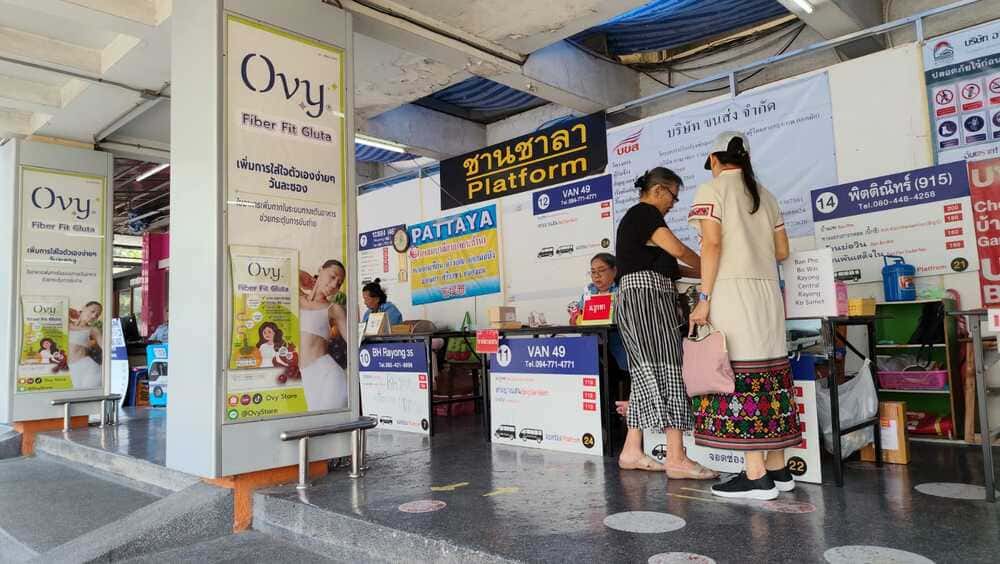
3. The Fake Ride-Hailing Driver
Using Grab or another ride-hailing app doesn’t automatically mean you’re safe from scams.
A common variation happens when someone approaches you near a busy tourist attraction, airport, or transport hub and says they can call your Grab for you.
They may show you a phone screen that looks like the app or claim that the official app isn’t working. You then get into a different vehicle.
How to avoid it
If you’ve booked a ride through an app:
- Check the driver’s name.
- Check the license plate.
- Check the vehicle details.
- Don’t accept a different driver because someone says they’re “your Grab.”
- Keep the booking inside the app.
Don’t cancel your booking and pay someone directly just because they promise a cheaper price.
4. Motorbike or Jet Ski Damage Scams
This is one I take seriously because the potential cost can be much higher than a normal taxi overcharge.
You rent a scooter, motorbike, or jet ski. Everything seems fine.
When you return it, the rental company suddenly points out damage that you don’t remember causing. Maybe it’s a scratch on the side. Maybe there’s a dent. You may then be asked to pay a large amount for repairs.
How to avoid it
Before riding away, photograph the entire vehicle. I mean everything.
Take pictures of:
- Existing scratches
- Dents
- Mirrors
- Tires
- Lights
- Fairings
- Fuel level
- Any other visible damage
I also like taking a short video showing the whole vehicle. Do this before you leave the rental shop.
And if you’re renting a motorbike, make sure you’re legally allowed and properly licensed to ride in that country. A cheap rental isn’t worth the risk of an accident, an insurance problem, or a legal issue.
5. The Currency Exchange Trick
Bali is particularly known among travelers for money-exchange scams, but confusing exchange rates and short-changing can happen anywhere.
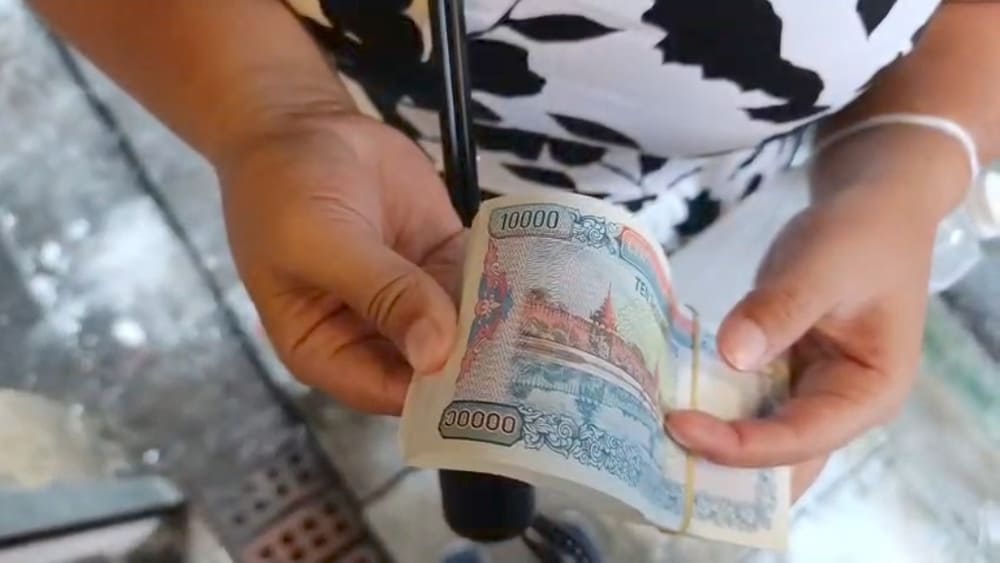
A small exchange booth may advertise an unusually attractive rate. You exchange your money. The person counts the cash very quickly, often using distraction or complicated denominations.
You walk away and later realize you’re missing money.
How to avoid it
Don’t choose an exchange office simply because it has the highest rate on the street.
Check the rate before exchanging. Ask exactly how much you’ll receive. Count the money yourself before leaving. And if someone is rushing you through the transaction, slow down.
In Bali, I would be especially cautious with unofficial money changers offering rates that seem unusually good. Legitimate operators are generally easier to verify, and official or established exchange services are preferable to random roadside booths.
6. The “Free” Gift That Isn’t Free
Someone approaches you and offers you something. A bracelet. A flower. A small souvenir. A photo. A blessing. They say it’s free.
You accept it.
Then suddenly they ask for money. Sometimes the amount isn’t huge, but you may feel pressured because you’ve already accepted the item.
How to avoid it
You don’t have to accept something simply because someone offers it.
If you don’t want it, say: “No, thank you.” and keep walking.
If someone puts something in your hand without asking, give it back. You don’t need to feel guilty about saying no.
7. Fake Tours and Cheap Tickets
If someone approaches you offering a tour or attraction ticket for an unusually low price, stop and check what you’re actually buying.
Some scams involve fake tickets. Others involve tours where the advertised price doesn’t include important costs. And sometimes the “cheap” tour includes several stops at shops where the driver or guide receives a commission.
This is particularly common with unofficial tourist touts around major attractions and transport hubs.
How to avoid it
Before paying, ask:
- What exactly is included?
- Are entrance fees included?
- Is transportation included?
- How long is the tour?
- Are there mandatory shopping stops?
- Who is the actual operator?
For expensive tours or major attractions, I’d rather book through an established operator or the official attraction website than save a few dollars and spend the rest of the day dealing with problems.
8. The Restaurant or Bar With Surprise Charges
Not every expensive restaurant is a scam.
Sometimes you simply found an expensive restaurant. The problem is when prices aren’t clearly explained before you order.
This can happen with drinks, seafood, dishes sold by weight, or nightlife venues where you don’t realize what you’re being charged for until the bill arrives.
How to avoid it
Check the menu before ordering.
If something doesn’t have a price, ask. If food is priced by weight, confirm the price and approximate portion.
At bars, check the drink prices before ordering. And if the bill looks different from what you expected, ask for an itemized bill and go through it calmly.
You don’t have to feel embarrassed about asking how much something costs.
9. ATM and Card Scams
ATMs are convenient, but I prefer to use machines attached to established banks whenever possible.
Be especially careful if someone you don’t know suddenly offers to help you use an ATM. You should never need a stranger to know your PIN or handle your card.
There is also the issue of dynamic currency conversion, where an ATM or card terminal asks whether you want to be charged in your home currency or the local currency.
I generally choose the local currency when given the option, allowing my card provider to handle the conversion instead of accepting the machine’s exchange rate.
Your own bank may still charge fees, so check your card’s international withdrawal and exchange policies before traveling.
10. Fake Accommodation or Payment Messages
Travel scams aren’t only happening on the street anymore. Some happen before you even arrive.
You might receive a message claiming to be from your hotel or booking platform saying:
- Your reservation has a payment problem.
- Your card needs to be verified.
- Your booking will be cancelled unless you pay immediately.
- You need to click a link to confirm your reservation.
The message may look surprisingly convincing.
How to avoid it
Don’t click the payment link immediately.
Instead, open the booking platform or hotel website separately and check your reservation. If you’re unsure, contact the property using the contact details from your original booking confirmation. Never send card details or transfer money to an unfamiliar personal account just because a message says your booking is at risk.
A little verification can save you a much bigger problem.
11. Border and Visa Scams
Border crossings are another place where travelers can become vulnerable because the process can be unfamiliar.
Someone may offer to arrange your visa, immigration paperwork, transportation, or other services. Some agents are legitimate.
The problem is when someone tells you that you must pay them for something that you could complete yourself through an official channel.
I’ve crossed several borders in Southeast Asia, and my general rule is simple:
Know what you’re supposed to pay before you arrive.
Check the current requirements from official immigration or government sources before traveling.
This is especially important because visa and entry rules can change. Never assume that information from another traveler or from someone waiting at the border is still correct.
12. The Friendly Stranger Who Suddenly Has a Recommendation
This one is less obvious because it doesn’t always feel like a scam at first.
Someone starts a friendly conversation. They ask where you’re from. They seem genuinely interested in your trip. Then they recommend a restaurant, shop, tour, tailor, jewellery store, bar, or attraction.
Sometimes it’s completely innocent. But if the conversation repeatedly moves toward somewhere where you’re expected to spend money, that’s when I’d become cautious.
How to avoid it
You don’t have to assume the person has bad intentions.
Just don’t feel obligated to follow their recommendation. If you’re interested in a restaurant or attraction, look it up yourself. Check the reviews. Check the location. Check the price. Then decide.
The Pattern Behind Many Southeast Asia Travel Scams
Once you’ve seen a few scams, you start noticing that many of them follow the same pattern.
1. Someone gets your attention
They approach you near a tourist attraction, airport, station, or busy street.
2. They create urgency
The attraction is closed. The offer is only available today. Your booking has a problem. The taxi meter isn’t working.
3. They offer a solution
A different attraction. A special tour. A private taxi. A better exchange rate. A “helpful” service.
4. You have to pay
And once you’ve paid, it can be difficult to get your money back. That’s why I pay attention whenever urgency + an unsolicited recommendation + money appear together.
It doesn’t automatically mean you’re being scammed. It just means I slow down and verify what’s happening.
How I Avoid Scams While Traveling in Southeast Asia
After years of traveling around the region, I’ve developed a few habits that make things much easier.
I Check Prices Beforehand
I don’t need to know the exact price of everything. But I like having a rough idea of what taxis, tours, attractions, and everyday purchases should cost. That makes an obviously inflated price much easier to recognize.
I Don’t Feel Bad Saying No
This is probably one of the most useful travel skills I’ve learned. You don’t have to accept a service because someone approached you. You don’t have to buy something because someone was friendly. And you don’t have to explain yourself.
“No, thank you” is enough.
I Use Ride-Hailing Apps When They’re Practical
When I’m somewhere unfamiliar, I often prefer using an established ride-hailing app because I can see the driver, vehicle, route, and estimated fare.
It isn’t a guarantee that nothing can go wrong, but it removes some of the uncertainty around negotiating a taxi price.
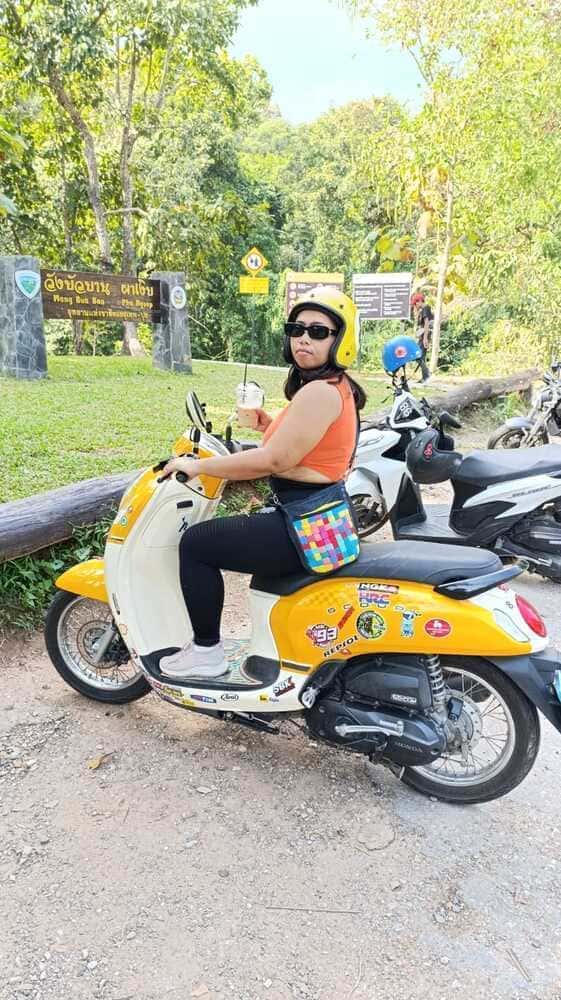
I Photograph Rental Vehicles
This takes about two minutes and can save you a lot of stress later. I do it automatically now.
I Don’t Let People Rush Me
If someone says: “Quick, you need to decide now.”
That’s usually when I slow down. I would rather miss an opportunity than make a rushed decision with my money.
I Keep Important Documents Secure
I don’t hand my passport to random people as a deposit or leave it with someone simply because they say it’s standard practice.
For rentals or other services, I ask whether there is another form of deposit available.
I Trust My Gut
If something feels strange, I leave. I don’t need to prove that someone is trying to scam me before deciding I don’t want to deal with the situation.
What If You Actually Get Scammed?
First, don’t panic. Getting scammed can happen to experienced travelers too.
What you do next depends on what happened.
If your card or bank account is involved
Contact your bank or card provider immediately. Freeze the card if necessary and monitor your account for additional transactions.
If your passport is involved
Contact your embassy or consulate for advice.
If you’ve been threatened or robbed
Get somewhere safe first, then contact the local police or appropriate authorities.
Keep evidence
Save:
- Receipts
- Screenshots
- Booking confirmations
- Messages
- Photos
- Names
- Phone numbers
- Vehicle details
Don’t delete anything that could help explain what happened. And if the amount involved is small, don’t put yourself in danger trying to recover it. Your safety is worth more than winning an argument over a taxi fare.
Is Southeast Asia Safe for Tourists?
Yes.
But safe doesn’t mean completely risk-free.
Scams and petty theft exist in Southeast Asia just as they do in other popular travel regions. Ride-hailing apps, established booking platforms, and better access to information have also made some common situations easier for travelers to navigate.
The point of learning about scams isn’t to make you suspicious of everyone.
It’s to make you more confident.
If you already know what a “closed temple” scam looks like, you’re much less likely to follow someone who tells you the attraction is closed. If you know how motorbike rental scams work, you’ll automatically photograph the bike before riding away. If you know how taxi scams work, you’ll check the fare before getting into the car.
That knowledge makes travel easier, not scarier.
Final Thoughts
I don’t think you need to be afraid of traveling around Southeast Asia.
I’ve spent years traveling through the region, and scams have been a relatively small part of my overall experience.
But knowing the common ones has made me a more confident traveler. Check prices before agreeing to something. Use official sources for important tickets and visa information. Take photos before renting a motorbike.
Be careful with your cards and passport.
Don’t click suspicious payment links. And don’t be afraid to walk away when something doesn’t feel right. You don’t need to memorize every possible scam before visiting Southeast Asia.
The most useful thing is recognizing the pattern:
Someone creates urgency, gives you information you can’t verify, and wants you to pay.
When that happens, pause. Check. And if it still doesn’t feel right, just say no.

Related posts:
 Sailing in Labuan Bajo: My Honest Guide to Komodo Island
 Tokyo Disneyland One Day Itinerary for First-Time Visitors
 Phu Quoc Digital Nomad Guide: Where I Stayed, Worked, and Slowed Down for 28 Days
 Pakse Loop vs Thakhek Loop: Which Laos Motorbike Route Is Better?
 Budapest Travel Guide: Best Things to Do in Buda and Pest